admin
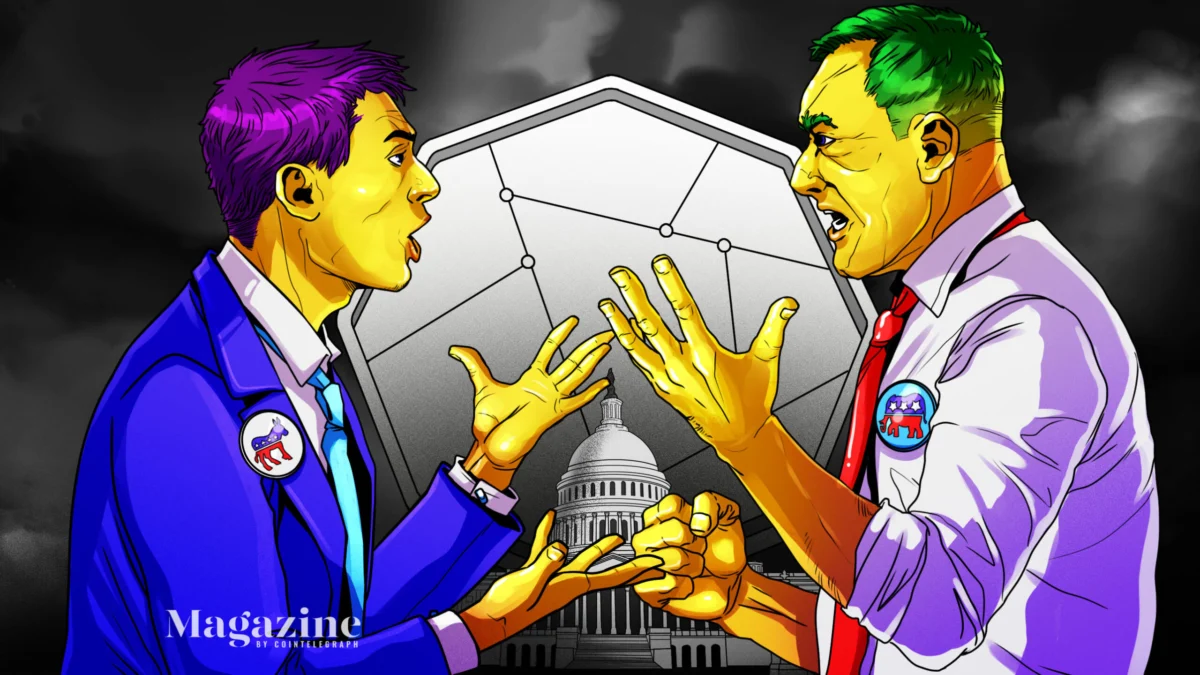
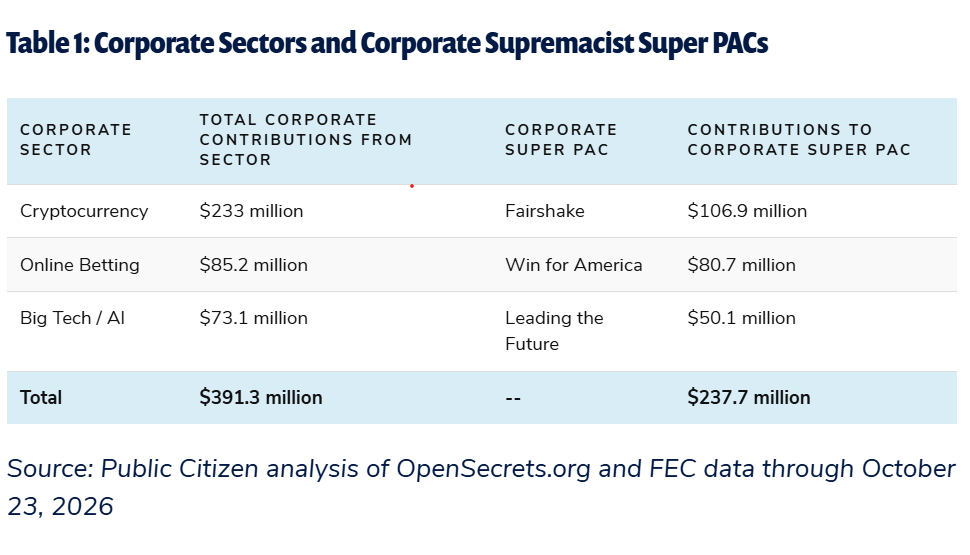
The United States 2026 midterm election cycle witnessed an unprecedented financial intervention from the cryptocurrency industry, with companies contributing an estimated $233 million to political committees, according to a detailed analysis of federal filings by Public Citizen. This substantial investment aimed to influence legislative outcomes at a critical juncture for digital asset regulation. However, the electoral landscape shifted dramatically as Democrats secured control of both chambers of Congress, poised to assume power in January, thereby gaining a pivotal opportunity to redefine the trajectory of the stalled CLARITY Act, a crucial bill designed to establish federal rules for crypto markets. The significant Democratic victories, often against heavily crypto-backed opposition, coupled with a major industry security breach, suggest that the path to regulatory clarity will now demand greater concessions from the crypto sector, particularly concerning consumer safeguards and ethical standards.
The Shifting Political Landscape: A Democratic Mandate
The Democratic sweep in the 2026 midterms has fundamentally altered the power dynamics in Washington, D.C., particularly concerning financial regulation. The party’s control over both the House and Senate signals a new era for legislative priorities, where consumer protection, robust oversight, and anti-corruption measures are expected to take center stage. This shift directly impacts the digital asset industry, which has long sought a clear regulatory framework but now faces a Congress less inclined to prioritize industry demands over broader public interest concerns.
A notable illustration of this shifting tide was the re-election of Senator Sherrod Brown (D-OH). Despite an aggressive campaign by crypto-backed political action committees (PACs) that poured an estimated $64 million into efforts to defeat him, Brown, a staunch and long-standing critic of the crypto industry, successfully retained his seat. His victory is widely interpreted as a rejection of unchecked crypto influence and a strong affirmation of his commitment to stringent financial regulation. Senator Brown’s continued presence and influence in the Senate are expected to reinforce calls for tougher standards on digital assets, particularly in his capacity as a senior member of key financial committees.
Further solidifying this regulatory pivot is the anticipated role of Senator Elizabeth Warren (D-MA). Recognized as one of Washington’s most vocal critics of the crypto industry, Senator Warren is expected to chair the powerful Senate Banking Committee in the next Congress. Her ascension to this influential position is seen by many as a potential "Wall Street nightmare," as she has consistently advocated for tighter regulations across the financial sector, including a strong emphasis on consumer protection and combating financial malfeasance. Her leadership will likely mean that stronger consumer protections, tougher scrutiny of political conflicts of interest within the crypto space, and a potential shift in regulatory power towards agencies like the Securities and Exchange Commission (SEC) will be prominent features on the legislative docket during the upcoming round of negotiations.
The CLARITY Act at a Crossroads: Ethics and the Impasse
The CLARITY Act, an acronym for "Clarifying Lummis-Gillibrand Asset Regulation and Innovation for Tomorrow," has been a central focus of the crypto industry’s lobbying efforts. Designed to provide a comprehensive regulatory framework for digital assets, the bill aims to delineate the roles of various federal agencies, particularly the SEC and the Commodity Futures Trading Commission (CFTC), in overseeing the burgeoning market. However, its advancement through the Senate hit an impasse in September, largely due to disagreements over crucial ethics provisions. This failure underscored a growing concern among lawmakers about potential conflicts of interest and the need for greater transparency within the digital asset ecosystem.
Despite this setback, the prospect of crypto market structure legislation is not entirely extinguished. Congressman Shri Thanedar (D-MI) remains cautiously optimistic that the CLARITY Act can still pass, emphasizing, however, that any successful legislation must incorporate robust ethics requirements. Thanedar articulated a direct concern, stating, "President Trump’s blatant corruption has set back progress on crypto legislation, so Democrats will need strong anti-corruption provisions that apply to the President, not just Congress." This statement highlights a significant hurdle: the perceived intertwining of political influence, personal financial interests, and the legislative process for digital assets. The question now looms: Can the industry’s political influence still translate into effective legislation, and what significant concessions will it be compelled to make to achieve this goal?
The Trump Factor: Corruption Allegations and Legislative Hurdles
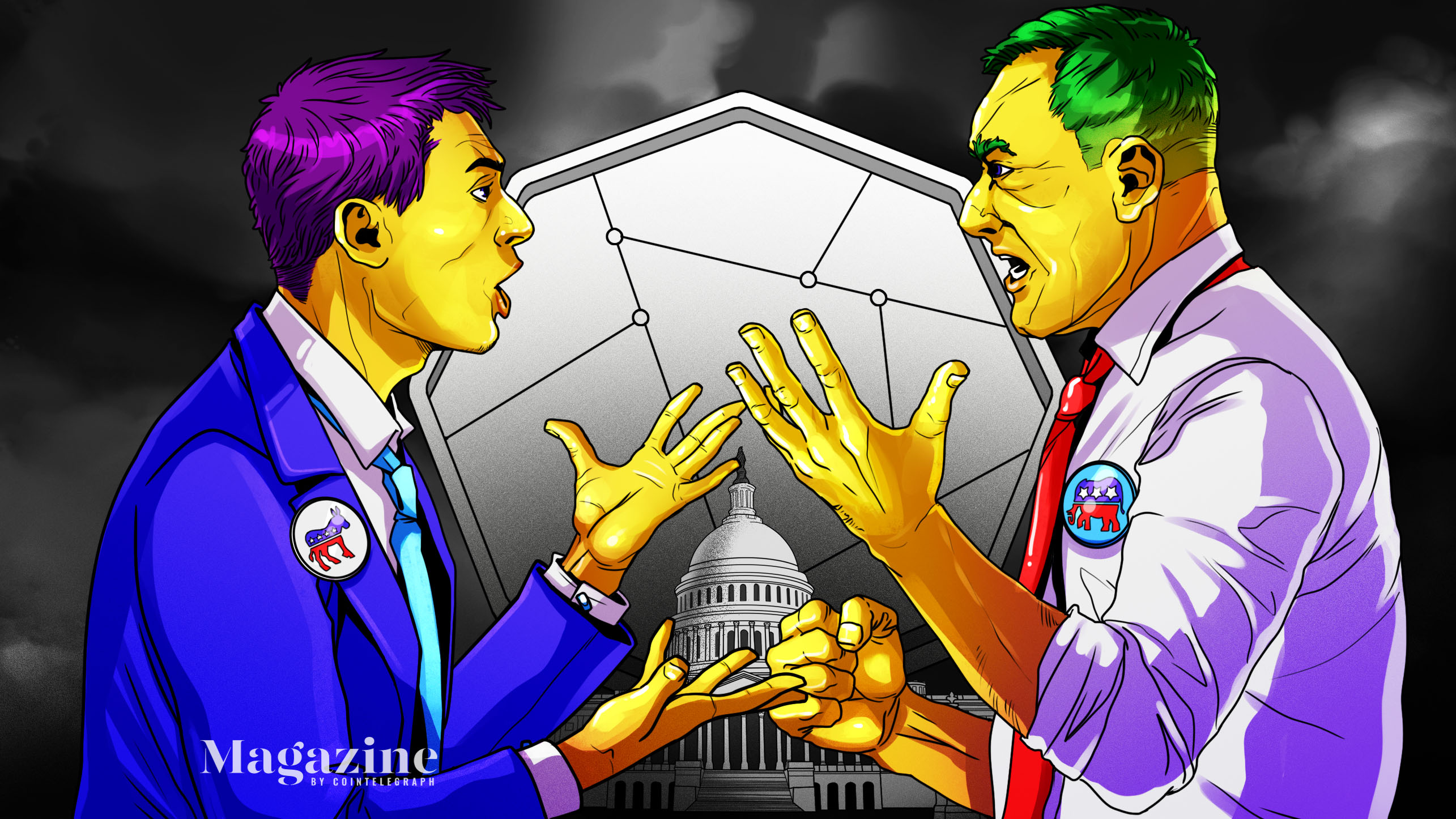
The role of alleged political corruption, particularly concerning the previous administration, has emerged as a significant complicating factor in the pursuit of bipartisan crypto legislation. Congressman Thanedar’s pointed remarks about "President Trump’s blatant corruption" and the need for comprehensive anti-corruption provisions reflect a broader concern among Democrats. These concerns are rooted in reports and allegations surrounding the Trump family’s various business dealings, including ventures into the digital asset space, such as the launch of memecoins and a stablecoin.
Hadley Stern, a respected figure in the digital asset space who founded Fidelity Digital Assets and now heads institutions at Silence Laboratories, echoed these sentiments. He vehemently stated that a "sitting president’s family launching memecoins and a stablecoin is a real governance problem." Stern drew a sharp contrast, remarking, "If I’d done that at Fidelity, I’d have been walked out the same afternoon." This perspective suggests that many within the legitimate crypto industry also recognize the reputational damage and legislative complications arising from such perceived conflicts of interest.
The Democratic leadership has already signaled a clear intention to investigate the Trump family’s business dealings and other corporate interests. Robert Garcia, the incoming Chair of the House Oversight Committee, has publicly affirmed plans to pursue inquiries into corporate corruption. This aggressive stance means that any legislative push for crypto regulation will likely be scrutinized through a lens of enhanced ethical rigor, potentially separating the industry’s genuine desire for clearer rules from controversies surrounding the personal crypto ventures of prominent political figures. Stern further argued that the industry should welcome such scrutiny, as these issues are "what’s poisoning the bipartisan deal" and hindering progress.
Industry’s Evolving Stance and Necessary Concessions
The significant shift in the political landscape necessitates a re-evaluation of the crypto industry’s approach to regulation. For legislation to achieve longevity and withstand future political shifts, the industry may need to embrace more demanding standards than previously anticipated. This involves not only accepting new rules but actively advocating for them as a path to legitimacy and mainstream integration.
Paul Brody, founder and CEO of Nightfall Networks and former global blockchain lead at EY, anticipates that traditional banks will emerge as "winners" in this new regulatory environment. He expects them to "push for crypto companies" to be held to the same exacting consumer protection and security standards that apply to conventional financial institutions. While the crypto industry has historically resisted such parity, Brody suggests that "a wise strategy" would be to "accept similar conditions." He posits that blockchain-native ecosystems, by their very nature, remain "vastly more flexible, programmable and efficient," implying that even under stricter regulations, they can still offer competitive advantages.
Lindsay Fraser, Chief Policy Officer at the Blockchain Association, reinforced this perspective, arguing that consumer protection and innovation should not be treated as mutually exclusive objectives. "We can protect consumers while ensuring the law reflects how the technology actually works," she stated. The ultimate goal, Fraser emphasized, is "lasting policy that earns public trust, gives builders a future in this country, and strengthens American financial leadership." This indicates a growing acknowledgment within the industry that robust regulation is not merely a hurdle but a necessary foundation for long-term growth and credibility.
Furthermore, Hadley Stern highlighted the dramatic evolution of the digital asset industry since the last time Democrats held legislative control. He noted its rapid growth from "FTX and a bunch of tokens" in 2022 to a sophisticated ecosystem now featuring "a federal law for stablecoins, Treasuries and credit funds onchain and tokenized equities on the way." This maturation underscores the imperative for comprehensive regulation, as Stern succinctly put it: "You don’t regulate that by pretending it doesn’t exist." The industry’s transformation from a niche technological curiosity to a significant financial player makes the need for clear, enforceable rules undeniable.
However, the path to compromise remains fraught with challenges. Brody cautioned that a presidential veto remains a possibility, and crypto legislation, despite its importance to the industry, is likely to be a "low priority" compared to other pressing national issues such as "investigations of corruption and battles over budgets and the war." This suggests that even with Democratic control, achieving legislative consensus on crypto will require sustained effort and strategic maneuvering.
The Binance Hack: A Timely Imperative for Reform
The urgency for comprehensive crypto regulation was further amplified by the Binance hack, which occurred on October 29, just days before the midterm election results solidified. This incident, described as the largest hack in crypto history, resulted in the theft of over $6.3 billion, raising profound concerns about exchange security, operational vulnerabilities, and the adequacy of customer protections across the digital asset landscape. The timing of the hack provided a stark, real-world example of the risks inherent in an under-regulated market, significantly influencing the ongoing legislative debate.
Congressman Thanedar highlighted the hack as a "clear example of the danger of not enacting appropriate legislation," emphasizing that while new laws "wouldn’t solve every potential problem," they would provide "much-needed certainty" and "security guardrails." This perspective suggests that the incident could serve as a powerful catalyst for accelerating legislative action, albeit with a stronger focus on security.
However, Maylea Ma, Deputy General Counsel at 1inch, offered a more critical assessment of the existing CLARITY Act draft in light of the hack. Ma argued that the incident "highlights problems the legislation does not address." She pointed out that the hack involved a "centralized exchange’s hot wallet and signing failure," yet the current draft "has no insurer, no loss payee, and no hot wallet cap that would have mitigated the loss for Binance or imposed security standards that would have prevented the hack." This detailed critique suggests that future iterations of the CLARITY Act will need to incorporate more granular and robust provisions specifically addressing operational security, insurance requirements, and capital safeguards for custodial services.
Amanda Fischer, Policy Director at Better Markets, took an even stronger stance, asserting that the Binance hack unequivocally demonstrated how "unfit for purpose the crypto ecosystem is for mainstream finance." Fischer contended that crypto exchanges should not be permitted to act as custodians, as this practice inherently creates a "honeypot risk," making them irresistible targets for sophisticated attackers. Her remarks underscore a fundamental debate about the appropriate structure and operational model for digital asset platforms, suggesting that a complete separation of exchange and custodial functions might be considered.
Ma concluded that the Binance incident is "likely to impact" the next vote on the CLARITY Act. The devastating scale of the hack, combined with expert analysis highlighting legislative gaps, could make lawmakers considerably "less willing to pass legislation the industry wants, unless it comes with stronger consumer protections." This sentiment reinforces the notion that the Democratic-controlled Congress will approach crypto regulation with a heightened sense of caution and a firm resolve to prioritize user safety and market integrity above all else.
Path Forward: Navigating a Complex Regulatory Future
The confluence of a new Democratic majority, a renewed focus on ethical governance, and the sobering reality of a massive security breach has undeniably reshaped the landscape for crypto regulation in the United States. The industry, having invested significantly to secure a "seat at the table," now faces the more challenging task of agreeing to the fundamental obligations that accompany such a position. This means moving beyond advocating for minimal oversight to embracing comprehensive frameworks that instill public trust and ensure long-term stability.
The upcoming legislative cycle will likely see intense negotiations around the specifics of consumer protection, the scope of regulatory authority for agencies like the SEC, and the implementation of stringent ethics requirements for public officials involved with crypto. While the CLARITY Act may still serve as a foundational text, it is now destined for significant revisions to address these evolving concerns. The lessons from the Binance hack will undoubtedly inform provisions related to operational security, custodial practices, and investor safeguards.
Ultimately, the crypto industry stands at a critical juncture. Its ability to adapt to this new political reality, accept more stringent oversight, and actively contribute to the creation of robust, ethical, and secure regulatory frameworks will determine its future trajectory in the American financial system. The path to legitimacy and mainstream acceptance now unequivocally runs through a gauntlet of enhanced scrutiny and a commitment to protecting consumers and upholding market integrity.