admin
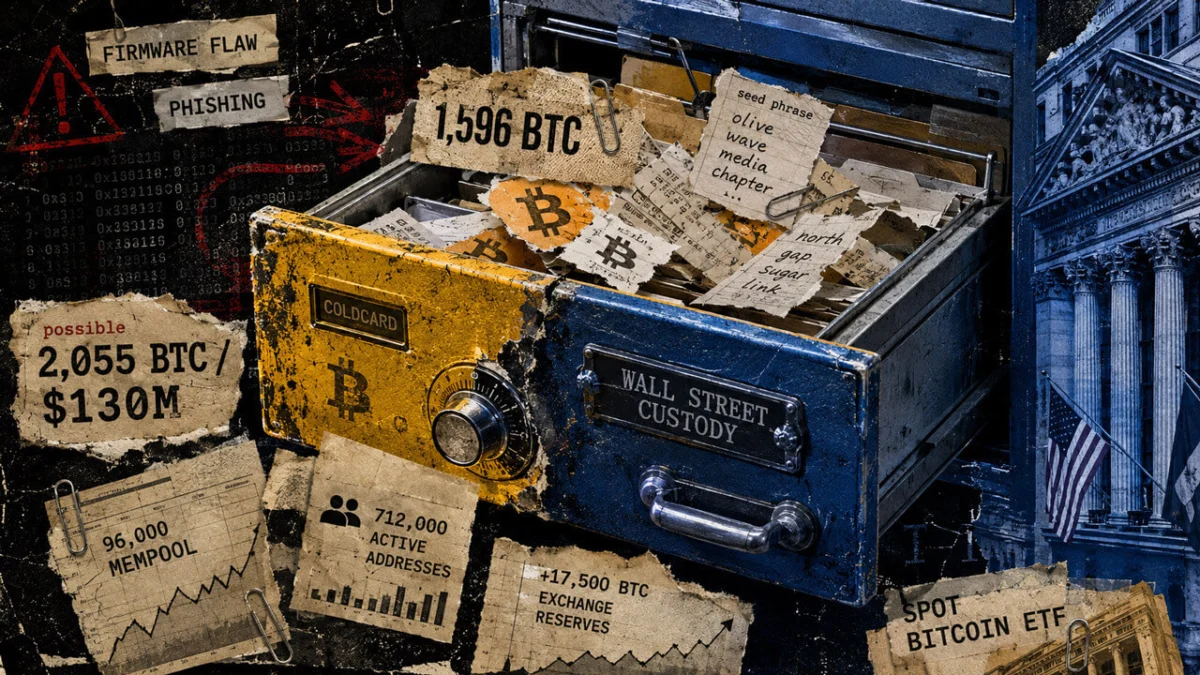
The cryptocurrency community is grappling with a significant security breach following the discovery of a critical flaw in Coldcard hardware wallets, leading to the theft of at least 1,596 Bitcoin (BTC), valued at approximately $130 million. This incident, which has affected an estimated 7,300 addresses, underscores the inherent risks of relying on a single device for seed generation and has triggered a mass exodus of funds as users scramble to secure their digital assets. The crisis highlights a complex interplay between hardware vulnerabilities, sophisticated attack vectors, and the ongoing debate surrounding Bitcoin custody.
Unraveling the Coldcard Exploit: A Deep Dive into the Vulnerability
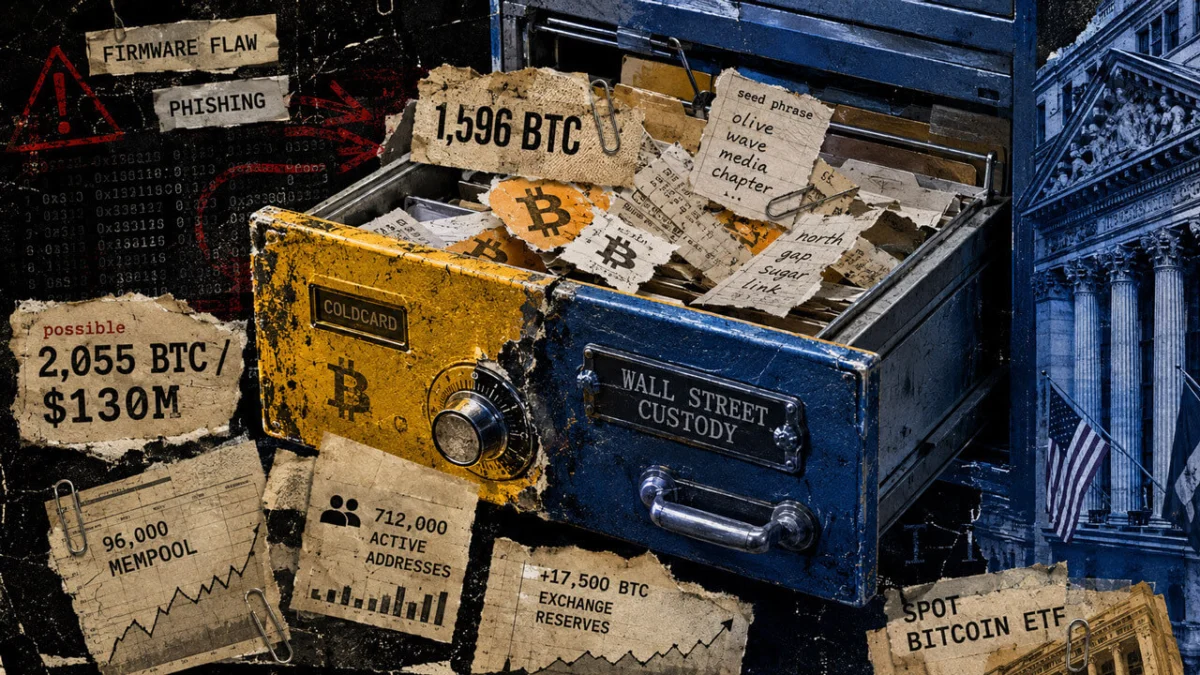
The root cause of the widespread thefts lies in a coding error within Coldcard firmware dating back to March 2021. This flaw led to a compromised process for generating recovery seeds on a subset of devices. Instead of relying solely on the hardware’s robust random-number generator, the affected firmware utilized a weaker software-based process, resulting in recovery seeds with a significantly reduced number of possible combinations. This inherent weakness allowed attackers to remotely reconstruct private keys without ever physically accessing the device or obtaining the owner’s sensitive recovery words.
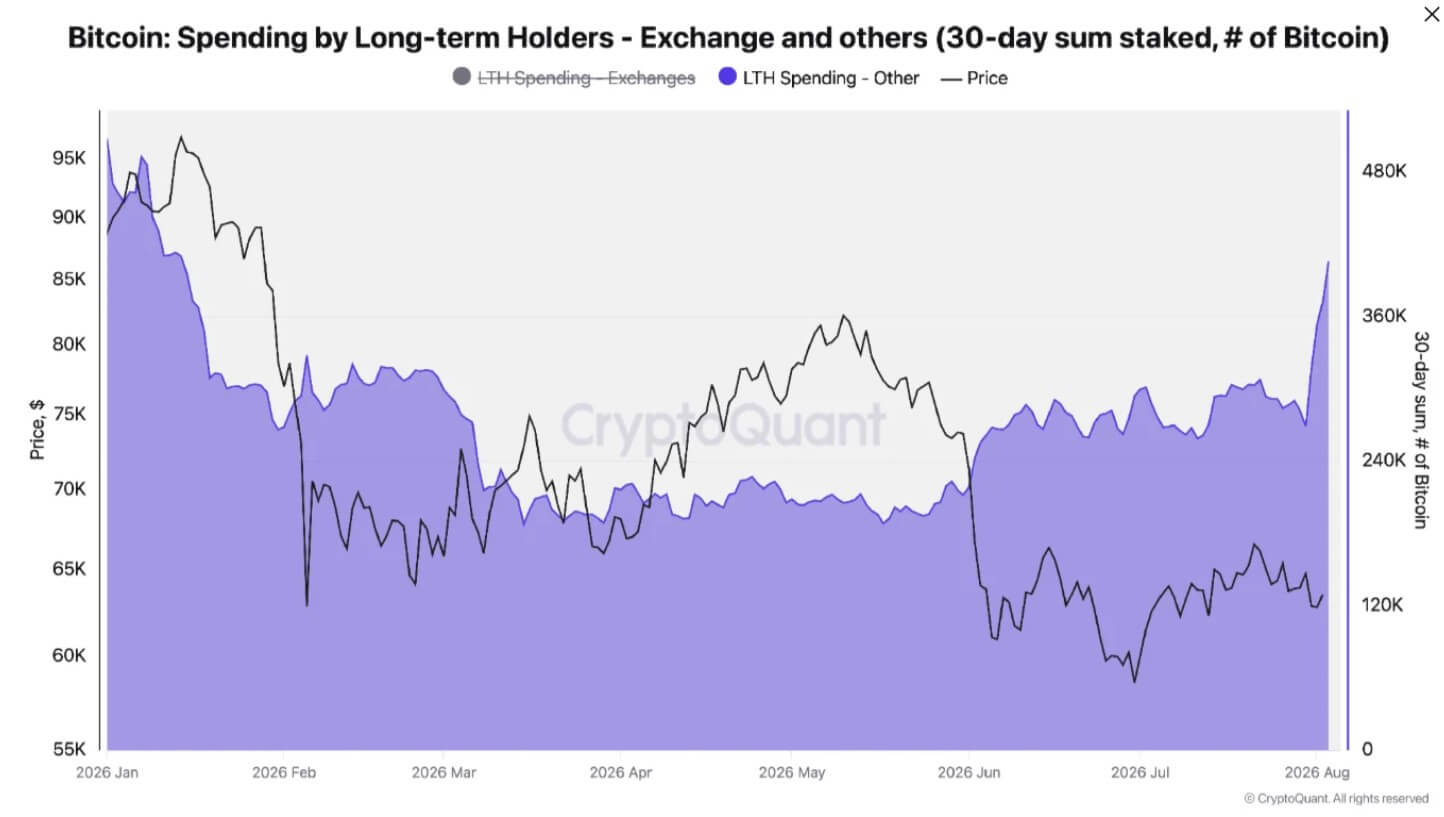
Galaxy Research, a prominent blockchain analytics firm, has been at the forefront of tracking the fallout from this exploit. According to their analysis, confirmed losses have occurred across three major attack waves and 14 smaller incidents. The firm has also identified a potential fourth wave of attacks that could push the total stolen Bitcoin to 2,055 BTC, equivalent to roughly $130 million. However, these addresses remain unconfirmed pending further victim reports and ongoing investigations.
Timeline of the Crisis and Attack Waves
The precise timeline of when the vulnerability was first exploited remains under investigation, but the severity of the issue has become apparent in recent weeks. Victims began reporting significant losses, prompting researchers like Alex Thorn, head of research at Galaxy, to meticulously trace the flow of stolen funds. To date, at least 73 victims have reached out to Thorn for assistance in recovering their Bitcoin, providing crucial insights that have helped identify at least 15 distinct attackers actively exploiting the vulnerability.

The initial waves of attacks appear to have been the most impactful. Reports indicate that approximately 90% of the stolen Bitcoin remains unmoved, largely concentrated in the attacker-controlled addresses from the confirmed attack waves. This suggests a degree of caution on the part of the perpetrators, perhaps awaiting opportune moments or methods to liquidate their ill-gotten gains.
Official Responses and Mitigation Efforts
In the wake of the exploit, Coldcard’s manufacturer, Coinkite, has issued urgent directives to its user base. The company has strongly advised all users to immediately install the latest security update for their firmware. Crucially, Coinkite emphasizes that simply updating the firmware is insufficient for wallets generated with the flawed process. Affected users are strongly encouraged to create a completely new recovery seed and transfer their Bitcoin to a newly generated, secure wallet.
"The threat remains active because every affected wallet remains exposed until its funds are moved to an address generated from a secure seed," a Coinkite statement reiterated, underscoring the urgency of the situation. The company’s proactive communication aims to empower users with the necessary steps to safeguard their holdings, though the complexity of the migration process presents its own challenges.
Galaxy Research has shared the identified addresses of stolen funds with major U.S. law enforcement agencies, cryptocurrency exchanges, and blockchain investigation firms. This collaboration is intended to flag any attempts by attackers to move the stolen Bitcoin through centralized platforms, potentially leading to asset seizure.
Broader Network Impact: A Surge in Bitcoin Activity
The race to migrate funds from potentially vulnerable Coldcard wallets has had a noticeable impact on the broader Bitcoin network, pushing on-chain activity to multi-month highs. Data from analytics firm Santiment reveals a surge in active Bitcoin addresses, reaching 712,000 over the past seven days – the highest figure observed in three months. Similarly, the volume of transactions exceeding $100,000 has climbed to 61,800 in the same period, marking a five-month peak.
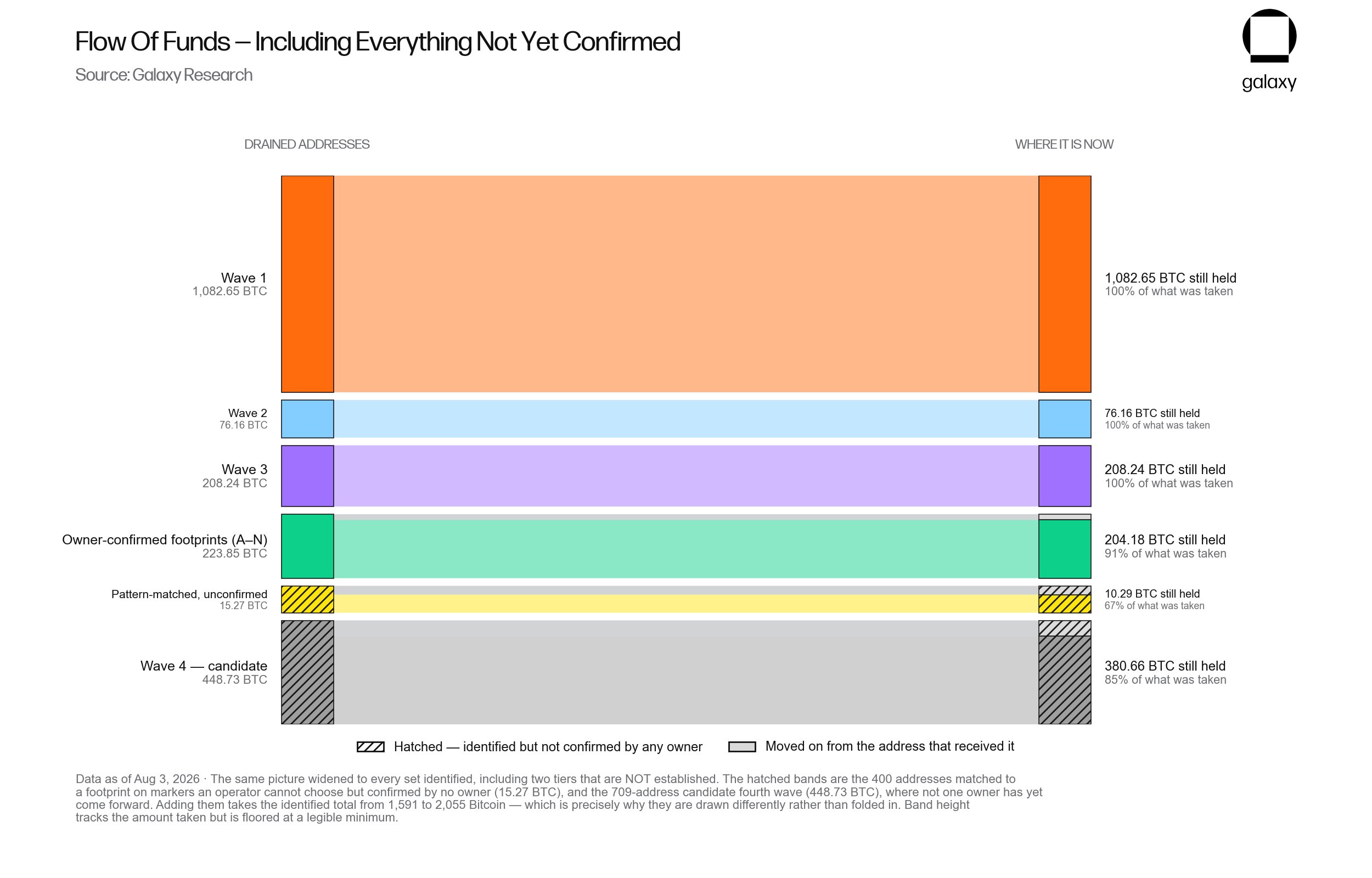
CryptoQuant, another leading on-chain analytics provider, has identified the Coldcard crisis as the primary catalyst behind this increased network activity. Affected users are migrating their coins to newly generated wallets, consolidating balances, or, in some cases, transferring funds to custodial platforms.
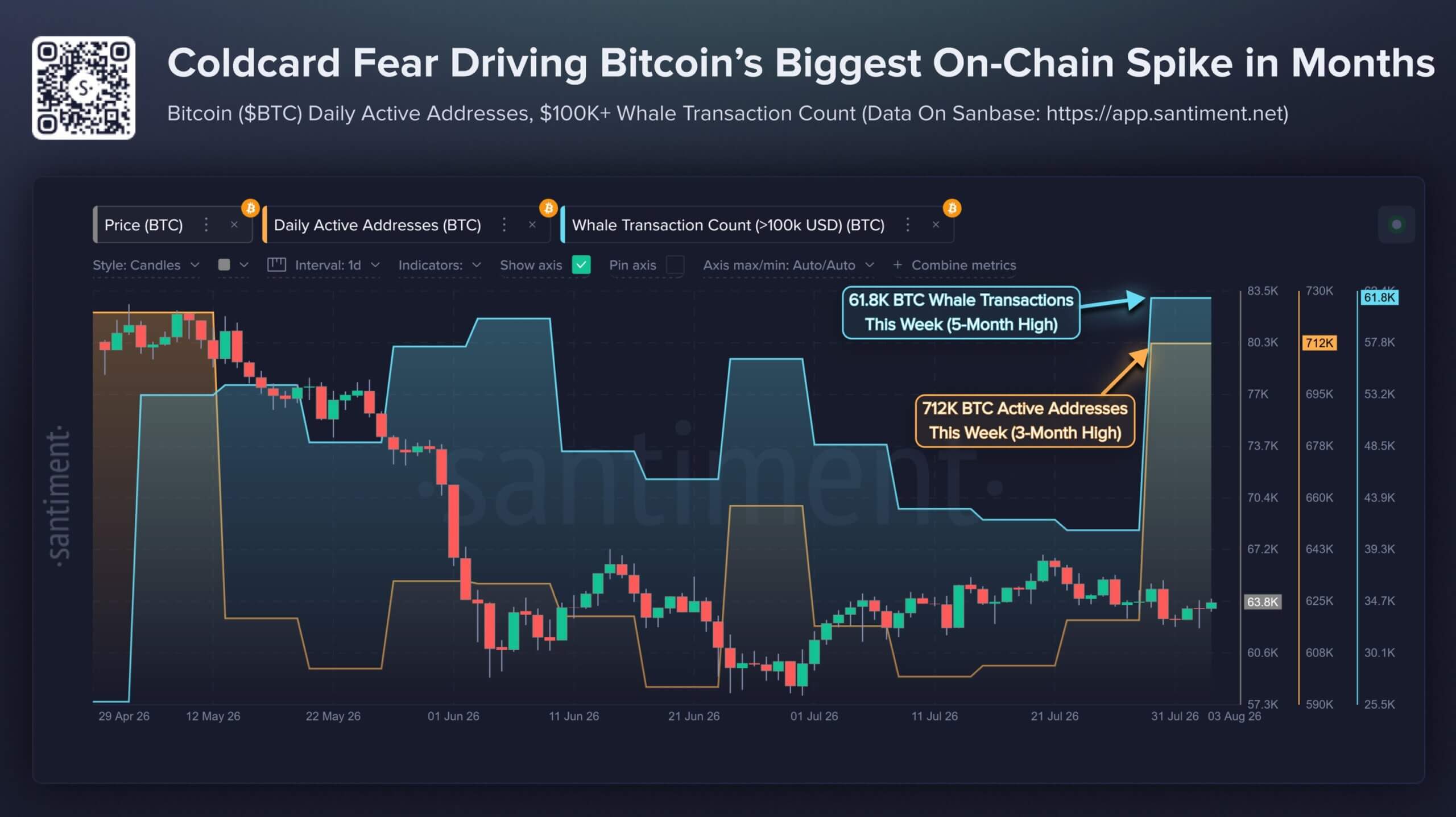
The firm’s analysis indicates that transactions valued below $100,000 have surged to $3.2 billion, a level not seen since November 2024. Furthermore, spending by long-term holders outside of exchanges has escalated dramatically. As of August 3rd, this metric reached 406,000 BTC on a 30-day basis, a significant increase from 269,000 BTC prior to the exploit, and the highest level recorded since January.
It is important to note that this surge in spending by long-term holders does not necessarily signify a wholesale sell-off. Transfers from a compromised Coldcard address to a newly secured wallet will appear on-chain as spent Bitcoin, even if the ultimate ownership remains with the original holder. This distinction is crucial for understanding the true sentiment of these market movements.
The heightened activity has also led to network congestion. Transactions awaiting confirmation in Bitcoin’s mempool have ballooned from approximately 33,000 to around 96,000, the highest level since June 20th. This indicates a significant number of users simultaneously attempting to move their funds, leading to increased transaction fees and longer confirmation times.
Exchange Inflows and the Rise of Phishing Scams
A portion of the migrating Bitcoin has found its way into centralized cryptocurrency exchanges. CryptoQuant reports that deposits from smaller holders have reached their highest point since February 6th. Some users are opting for immediate custodial solutions while they assess their next steps, whether it be establishing a new self-custody wallet or switching hardware providers.
Between July 28th and August 3rd, total exchange reserves saw an increase of approximately 17,500 BTC, rising from roughly 2.702 million BTC to 2.719 million BTC. Binance emerged as the primary beneficiary, absorbing about 51% of this net increase, with its reserves growing by nearly 9,000 BTC to 659,000 BTC.
While these inflows contribute to increased liquidity on exchanges and could potentially exert short-term sell-side pressure, they do not definitively signal an intent to sell. As mentioned, many of these deposits may represent temporary custody arrangements.
The migration process has also unfortunately created fertile ground for malicious actors. Criminals are actively distributing fraudulent migration instructions, impersonating wallet support teams, and orchestrating sophisticated phishing attacks. Trezor, a competitor in the hardware wallet market, has issued a stern warning regarding the surge in phishing attempts following the Coldcard disclosure.
Trezor has advised its users never to share their recovery seeds or enter them into websites, applications, or forms received through unsolicited messages. The company stressed that recovery words should only be entered directly on a Trezor device during a wallet restoration process. They also urged users to disregard any migration instructions received via email, text messages, or phone calls, confirming that their devices are unaffected by the Coldcard incident.
The challenge for affected users is multi-faceted: they must migrate their Bitcoin before their private keys can be reconstructed by attackers, all while simultaneously evading scammers who are actively seeking to obtain their recovery words. Importing an existing, compromised seed into another device does not resolve the underlying vulnerability. The only secure solution involves generating an entirely new recovery phrase and transferring funds to an address derived from it. This process is significantly more complex than a simple firmware update or standard wallet restoration, making users more susceptible to social engineering tactics.
Scammers are exploiting this complexity by directing users to fraudulent applications, requesting recovery words under the guise of a security check, or providing fabricated addresses they claim are safe for fund transfers.
Implications for Bitcoin Custody and the ETF Debate
The Coldcard crisis has reignited a critical debate within the Bitcoin community: the merits of self-custody versus institutional custody, particularly in the context of regulated investment products like spot Bitcoin Exchange-Traded Funds (ETFs).
Eric Balchunas, a senior ETF analyst at Bloomberg Intelligence, has suggested that the Coldcard breach could prompt some investors, including long-term holders, to consider migrating towards spot Bitcoin ETFs. Traditionally, Bitcoin enthusiasts have been wary of ETFs, arguing that investors do not hold direct control over their private keys; instead, institutional custodians manage the underlying assets on behalf of the funds.
However, in the wake of the Coldcard exploit, this arrangement may appear more appealing when contrasted with the potential risks associated with relying on a single hardware wallet manufacturer. ETF issuers and their custodians are typically large, established financial institutions with extensive experience in safeguarding client assets. In contrast, Coldcard, while respected, is operated by a smaller company with a limited workforce.
While institutional custody does not eliminate the possibility of theft or operational failure, Balchunas posits that a successful attack on an ETF custodian would likely trigger an immediate and robust regulatory investigation, involving a coordinated response from the fund manager, custodian, and law enforcement.
Currently, there is no concrete evidence to suggest that Coldcard users have directly purchased ETF shares as a direct consequence of this exploit. Furthermore, the increase in exchange deposits may prove to be a temporary phenomenon, with users eventually returning to self-custody once they have established new, secure wallets.
Nevertheless, the Coldcard breach has undoubtedly shifted the risk calculus for investors contemplating where to hold their Bitcoin. Self-custody offers independence from third-party intermediaries but places the onus of securing hardware and software squarely on the individual. For those currently navigating the precarious process of escaping compromised seeds while fending off phishing attacks, the institutional framework of ETFs, once criticized for entrenching Bitcoin within traditional finance, may now present a more straightforward and secure alternative. The incident serves as a stark reminder that while "not your keys, not your coins" remains a fundamental tenet of cryptocurrency, the security of those keys is paramount, and the methods of their generation and safeguarding are continuously evolving battlegrounds.