admin
admin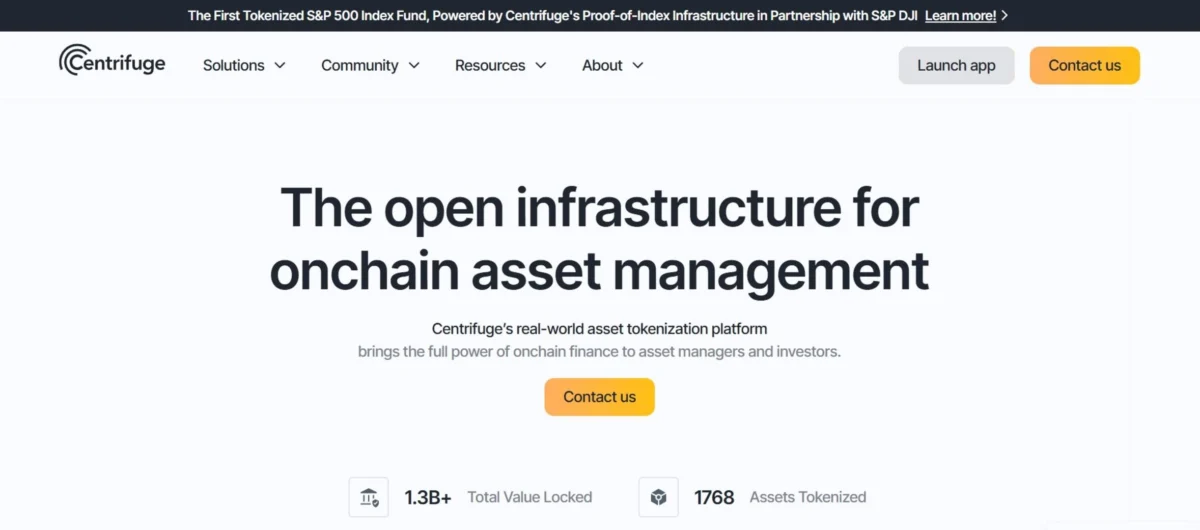
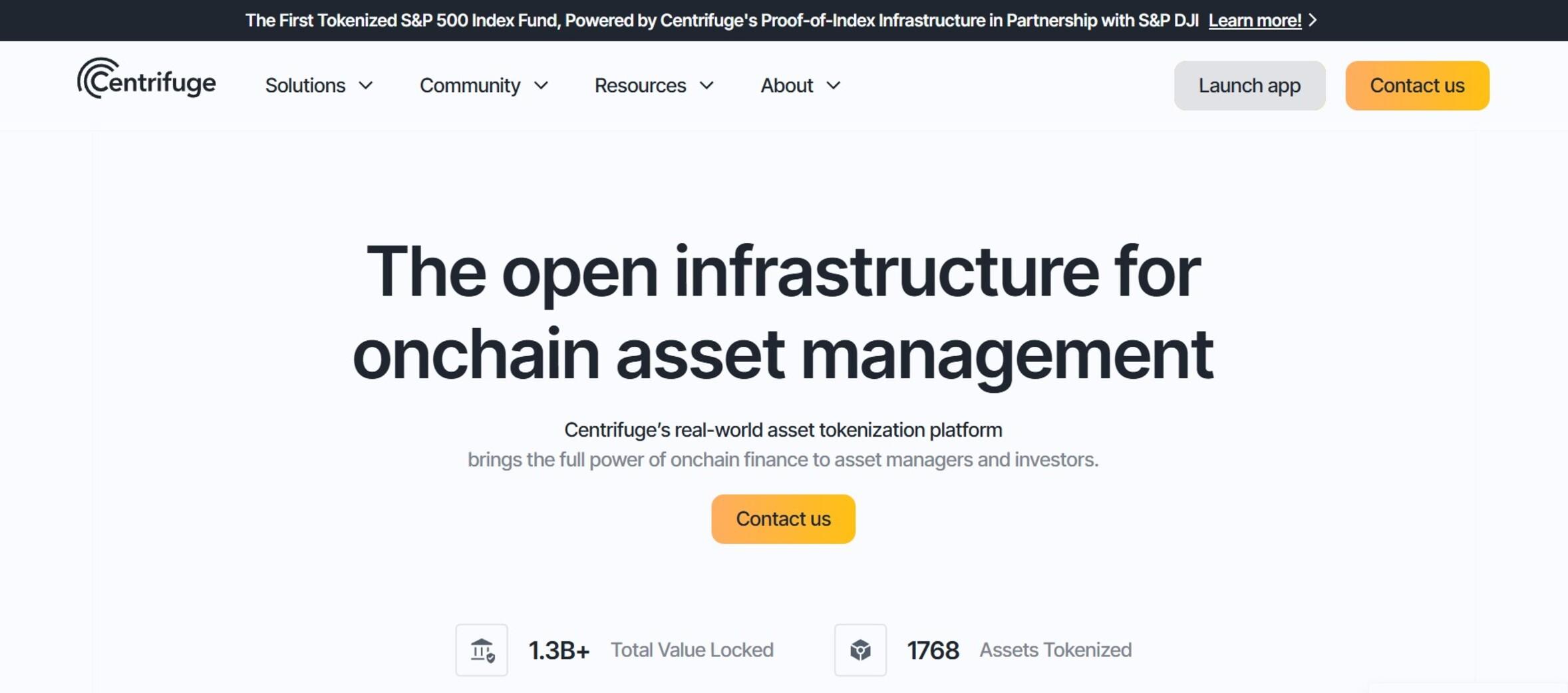
A significant transformation is underway in the global financial landscape, with the tokenization of real-world assets (RWAs) emerging as one of the most impactful trends. This paradigm shift involves bringing tangible and intangible assets, traditionally confined to legacy financial systems, onto blockchain networks. At the heart of this innovation is Centrifuge (CFG), a pioneering decentralized asset financing protocol dedicated to creating a seamless bridge between conventional finance and the burgeoning decentralized finance (DeFi) ecosystem. By enabling the on-chain representation of assets such as invoices, real estate, and credit portfolios, Centrifuge is not merely participating in this trend but actively shaping its future, offering novel avenues for liquidity and investment.
Centrifuge stands as a critical infrastructure layer designed to unlock capital efficiency and broader access to financing. It addresses long-standing inefficiencies within traditional financial markets, particularly the challenges faced by small and medium-sized enterprises (SMEs) in accessing timely and affordable capital, while simultaneously providing DeFi investors with exposure to stable, yield-generating assets that are uncorrelated with the volatile crypto market. The protocol achieves this by leveraging blockchain technology to transform illiquid real-world assets into investable digital tokens, creating a transparent, immutable, and globally accessible marketplace for credit and asset-backed financing.
The Genesis of Centrifuge: Addressing Market Inefficiencies
Centrifuge was founded in 2017 by Lucas Vogelsang, Martin Quensel, and Bhaji Illuminati, a team bringing together extensive expertise in fintech, software development, and traditional business lending. Their collective vision was to dismantle the barriers separating businesses from global capital markets, a challenge rooted in the inherent slowness, high costs, and heavy reliance on intermediaries characteristic of traditional finance. Historically, businesses seeking working capital often navigate a labyrinthine process involving banks and large financial institutions, which can be restrictive, discriminatory, and inefficient, especially for smaller entities lacking established credit histories or extensive collateral.
Concurrently, the nascent crypto market, particularly the DeFi sector, had accumulated vast pools of capital. However, much of this liquidity remained insulated, circulating within the crypto ecosystem without direct integration into the real economy. This disconnect represented a colossal missed opportunity: businesses in need of capital were struggling, while a significant source of global capital remained untapped by the real-world economy. Centrifuge was conceived to directly tackle this problem, creating a protocol that could facilitate the flow of capital from DeFi to the real economy by tokenizing verifiable off-chain assets. This innovation aimed to provide businesses with a faster, cheaper, and more direct route to financing, while offering DeFi participants a novel class of investment opportunities backed by tangible assets, thus diversifying their portfolios and potentially stabilizing returns.
Architecting the Bridge: How Centrifuge Facilitates RWA Tokenization
The operational core of Centrifuge involves a sophisticated mechanism for bringing off-chain assets onto the blockchain. The process begins with asset originators—businesses or specialized lenders—who identify and verify real-world assets such as invoices, mortgages, supply chain financing agreements, or intellectual property. These assets, once verified, are transformed into unique Non-Fungible Tokens (NFTs) on the Centrifuge Chain, serving as digital representations with ownership verifiable both off-chain and on-chain. This NFT structure is crucial, as it encapsulates the legal and financial metadata of the underlying asset, making it transparent and auditable.
These tokenized assets are then pooled together using Tinlake, Centrifuge’s flagship decentralized application. Tinlake functions as a marketplace where asset originators can structure their deals, define specific risk parameters, and open them up for funding. This pooling mechanism allows for diversification and creates investable opportunities for liquidity providers.
On the investor side, Centrifuge offers a distinct value proposition. Investors deposit stablecoins (e.g., USDC, DAI) into these asset pools, providing the necessary liquidity. Funds within Tinlake pools are typically allocated across two main tranches, each designed to cater to different risk appetites:
- DROP Tokens: These represent the senior tranche and offer more predictable, stable returns, often tied to the accrued interest from the underlying loans. DROP tokens are structured for investors seeking lower risk and consistent yield, akin to fixed-income products in traditional finance. They benefit from a first-loss protection provided by the TIN tranche.
- TIN Tokens: These represent the junior or equity tranche. TIN holders, sometimes referred to as frontline TIN holders, assume the first-loss risk within an asset pool. In return for taking on higher risk, TIN holders are positioned to capture a larger share of the upside once the senior tranche’s returns are met. This structure incentivizes TIN investors to perform due diligence on the asset pools, as their capital acts as a buffer for DROP investors.
This tiered system not only attracts a wider range of investors but also provides a robust risk management framework within the decentralized environment. By offering a decentralized alternative to traditional lending, Centrifuge empowers businesses to unlock working capital solutions without the constraints and costs associated with conventional banks, while offering investors exposure to uncorrelated, stable yields.
Centrifuge Prime: Scaling for Institutional Adoption
Recognizing the immense potential of institutional capital in scaling the RWA market, Centrifuge developed Centrifuge Prime. This white-label platform is specifically designed to meet the rigorous demands of institutional investors, asset managers, and Decentralized Autonomous Organizations (DAOs). Centrifuge Prime automates end-to-end tokenization across multiple blockchain networks, including Ethereum and Base, and incorporates built-in compliance tools essential for scalable RWA issuance and management.
Centrifuge Prime acts as a sophisticated marketplace and a decentralized investment application, providing a curated environment where institutions can:

- Research Asset Originators: Conduct thorough due diligence on businesses seeking financing, accessing detailed information about their operations, financial health, and asset quality.
- Evaluate Deals: Analyze the specifics of each asset pool, including risk parameters, expected returns, and the underlying assets’ legal frameworks.
- Allocate Capital: Seamlessly deploy capital into high-quality, institution-grade asset pools, leveraging automated processes and standardized legal frameworks.
- Benefit from Built-in Compliance: Utilize tools that ensure adherence to regulatory requirements, simplifying the onboarding and investment process for regulated entities.
Centrifuge Prime is a pivotal component of the protocol’s strategy to bridge the significant gap between vast on-chain capital and the substantial off-chain demand for financing. It aims to create a more structured, transparent, and efficient alternative to traditional credit markets, paving the way for mainstream institutional adoption of tokenized real-world assets. The platform’s design underscores Centrifuge’s commitment to facilitating a compliant and scalable environment for RWA financing, which is crucial for attracting the multi-trillion-dollar traditional finance sector.
The Diverse Spectrum of Tokenized Assets
Centrifuge’s protocol is built to accommodate a broad array of tangible assets and financial instruments, provided they can be reliably verified, structured, and legally represented for on-chain financing. This versatility is a key strength, allowing the platform to tap into various sectors of the real economy. Supported assets include:
- Invoice Receivables and Trade Finance: Short-term financing against unpaid invoices, a critical liquidity solution for businesses.
- Real Estate Equity/Loans: Tokenizing fractional ownership or debt positions in real estate properties, making illiquid assets more accessible.
- Revenue-Based Financing Contracts: Agreements where investors receive a percentage of a company’s future revenue until a certain multiple is repaid.
- Inventory/Supply Chain Assets: Financing against goods in transit or warehouse inventory, optimizing supply chain liquidity.
- Mortgages: Tokenizing mortgage-backed securities or individual mortgage loans.
- Royalties: Future income streams from intellectual property, music rights, or creative works.
- Credit Portfolios: Bundling diverse credit instruments into a single tokenized product.
- Tokenized Funds: Representing shares in traditional funds (e.g., treasuries, money market funds) on-chain.
- Experimental On-Chain Equity: Exploring new models for tokenizing private company equity.
The ability to tokenize such a diverse range of assets underscores Centrifuge’s potential to disrupt multiple facets of traditional finance, from corporate lending to real estate investment. Each tokenized asset benefits from the transparency, efficiency, and immutability offered by blockchain technology, reducing friction and increasing accessibility.
The CFG Token: Fueling Governance and Security
CFG is the native utility and governance token of the Centrifuge protocol, an indispensable component powering its decentralized operations for real-world asset (RWA) tokenization. The token’s functionality is multifaceted, ensuring network security, enabling community participation, and facilitating transaction processing.
CFG Tokenomics & Supply: As of January 2026, the total supply of CFG tokens is projected to be 691,800,000. A significant development in the token’s evolution was the V3 migration in March 2025, which consolidated prior versions into an Ethereum-native ERC-20 token. This migration enhances interoperability, accessibility, and integration within the broader Ethereum ecosystem, making CFG more liquid and easier to manage for users across various DeFi platforms. Staking rewards for CFG holders are derived from protocol fees and a portion of the income generated by the asset pools, creating a sustainable economic model. Ecosystem incentives are also structured with linear vesting schedules, extending through April 2029, to ensure long-term alignment with the protocol’s growth.
Value Proposition of CFG: Beyond its role in governance, the CFG token derives substantial value from several key functions:
- Network Security through Staking: CFG holders can stake their tokens to secure the Centrifuge Chain. Stakers act as validators or delegate their tokens to validators, contributing to the network’s integrity and processing of transactions. In return, they earn staking rewards, aligning their incentives with the long-term health and performance of the protocol.
- Transaction Fees: CFG is used to pay transaction fees within the Centrifuge ecosystem. Every interaction, from creating asset pools to processing investments, incurs a small fee, which is paid to validators and node operators, further decentralizing and incentivizing network maintenance.
- On-Chain Governance: CFG holders possess significant voting power, enabling them to participate directly in the protocol’s evolution. This includes voting on critical upgrades, managing the treasury’s use, adjusting protocol parameters (such as fee burns), and proposing new initiatives. This decentralized governance model ensures that the protocol evolves in a way that benefits its community and aligns with its core mission.
- Collateral and Liquidity: In certain future iterations or integrations, CFG may also serve as collateral within the Centrifuge ecosystem or be used to provide liquidity for various on-chain operations, further embedding its utility.
CFG on Binance (Earn, Margin & Futures): The listing of CFG on major exchanges like Binance has significantly increased its liquidity and exposure to a global trading audience. On Binance, traders and investors can access:
- Earn Products: For staking CFG and earning passive income.
- Margin Trading: Allowing users to trade with leveraged positions.
- Futures Contracts: Providing opportunities for perpetual contracts with leverage up to 50x, catering to sophisticated traders.
While these avenues offer enhanced trading opportunities, it is crucial to acknowledge that CFG, like many mid-cap tokens, can exhibit significant volatility. Investors are consistently advised to conduct thorough due diligence, understand the associated risks, and invest only capital they are prepared to lose.
The Broader RWA Market Landscape and Centrifuge’s Position
The market for tokenized real-world assets is experiencing exponential growth, driven by a confluence of factors including persistent global inflation, the search for stable and uncorrelated yield, and the increasing institutional comfort with blockchain technology. Major financial institutions, consulting firms, and blockchain analysis groups project the RWA tokenization market to reach unprecedented scales. For instance, some analysts and reports suggest the market could grow from its current multi-billion dollar valuation to $35-45 billion in the near term, with some ambitious long-term forecasts exceeding $16 trillion by the end of the decade. This growth is underpinned by a broader recognition of blockchain’s ability to enhance transparency, reduce settlement times, lower costs, and fractionalize ownership of previously illiquid assets.
Centrifuge is strategically positioned as core infrastructure within this rapidly expanding ecosystem. Its focus on providing a secure, compliant, and efficient bridge for asset originators to access liquidity and for investors to provide capital through structured asset pools places it at the forefront of this financial revolution. Unlike general-purpose DeFi lending protocols, Centrifuge specializes in asset-backed financing, developing specific legal and technical frameworks to handle the complexities of off-chain assets.
The protocol’s multi-chain support and EVM-native Layer 1 chain enhance its flexibility and reach, allowing it to integrate with various DeFi ecosystems and attract a diverse user base. The emphasis on oracles for data verification and NFTs for asset representation ensures that the on-chain representation of assets remains accurate and legally sound. Centrifuge’s commitment to institutional-grade solutions through Centrifuge Prime also gives it a distinct advantage in attracting the significant capital inflows required to truly scale RWA tokenization.
Navigating the Complexities: Risks and Challenges
Despite its promising trajectory, Centrifuge operates within a nascent and evolving financial frontier, subject to several inherent risks and challenges. Investors considering CFG or participating in its asset pools must be acutely aware of these factors:
- Regulatory Uncertainty: The regulatory landscape for blockchain-based financial instruments, especially those involving real-world assets, remains largely undefined and fragmented across jurisdictions. Changes in regulations could significantly impact the operations of Centrifuge, the legal enforceability of tokenized assets, and investor participation. Clarity on securities laws, KYC/AML requirements, and investor protection frameworks is crucial for long-term growth.
- Market Volatility: While RWA investments are designed to offer more stable yields than volatile crypto assets, the CFG token itself, like most cryptocurrencies, is subject to significant price fluctuations. Broader crypto market downturns or specific FUD (fear, uncertainty, doubt) related to the RWA sector can impact CFG’s valuation.
- Default Risk: The underlying real-world assets, such as invoices or credit portfolios, carry inherent default risks. While Centrifuge’s tiered investment structure (DROP/TIN) and rigorous due diligence processes aim to mitigate these, a significant wave of borrower defaults could impact the returns for investors in asset pools, particularly TIN holders, and could erode confidence in the protocol.
- Smart Contract Risk: As a blockchain protocol, Centrifuge relies on smart contracts. While audited, smart contracts are not entirely immune to bugs or vulnerabilities, which could potentially lead to loss of funds or operational disruptions.
- Competition: The RWA tokenization space is attracting increasing attention, leading to a growing number of competitors, both centralized and decentralized. Centrifuge must continually innovate and maintain its competitive edge to secure a meaningful share of the market.
- Liquidity Risk: While Centrifuge aims to unlock liquidity, some tokenized assets, particularly those in specialized or smaller pools, might still face challenges in terms of secondary market liquidity, making it difficult for investors to exit positions quickly.
- Off-Chain Legal Enforcement: The enforceability of on-chain agreements concerning off-chain assets relies heavily on the existing legal systems. Bridging these two realms requires robust legal frameworks and processes for recourse in case of disputes or defaults, which can be complex and jurisdiction-dependent.
Centrifuge’s Strategic Trajectory: Future Vision and Milestones
The future of Centrifuge is intricately linked to the continued growth and maturation of the real-world assets market. As traditional finance institutions increasingly explore tokenized assets as a viable asset class, Centrifuge is strategically positioned to serve as a foundational infrastructure layer. Its roadmap includes several critical milestones and areas of focus:
- Expansion of Centrifuge Prime: Further development and adoption of Centrifuge Prime are paramount to attracting institutional capital. This involves enhancing its feature set, expanding its multi-chain capabilities, and forging partnerships with traditional financial entities and large-scale asset managers.
- Improvement of Due Diligence Tools: Continual refinement of tools and processes for researching and evaluating asset originators is crucial. This will build greater trust and transparency for investors, enabling them to make more informed decisions and mitigate risks.
- Enhancing Network Security and Scalability: As transaction volumes grow, ongoing efforts to strengthen network security, improve throughput, and reduce latency on the Centrifuge Chain will be essential. This includes potential upgrades to its consensus mechanism or further integrations with scaling solutions.
- Protocol Upgrades and Innovation: Continuous development of the core protocol, introducing new features, optimizing existing mechanisms (like the DROP/TIN tranches), and exploring novel ways to tokenize and finance different asset classes will keep Centrifuge at the cutting edge.
- Ecosystem Growth and Partnerships: Fostering a vibrant ecosystem of asset originators, investors, developers, and service providers is key. Strategic partnerships with other DeFi protocols, stablecoin issuers, and data providers will also expand Centrifuge’s reach and utility.
The ultimate success of Centrifuge hinges on widespread adoption, the consistent performance of its asset pools, and the emergence of clear and supportive regulatory frameworks. Its ability to effectively capture a significant share of the RWA-DeFi bridge will largely depend on its execution of these strategic initiatives and its capacity to adapt to the dynamic financial and regulatory landscape.
Conclusion: A New Frontier for Finance
Centrifuge (CFG) has meticulously carved out a unique and indispensable niche within the rapidly evolving blockchain ecosystem by successfully bridging the divide between traditional finance and decentralized finance through the innovative tokenization of real-world assets. It offers a transformative solution for asset originators, providing faster, more efficient access to capital, thereby empowering businesses that might otherwise be constrained by conventional lending models. Simultaneously, Centrifuge presents a compelling opportunity for investors within the DeFi space, offering exposure to stable, yield-generating assets that derive their value from the real economy, diversifying portfolios beyond the often-volatile crypto market.
The protocol’s sophisticated architecture, encompassing asset representation via NFTs, the structured asset pools of Tinlake, and the institutional-grade framework of Centrifuge Prime, positions it as a critical piece of infrastructure for the future of finance. While the journey is accompanied by inherent risks—including regulatory uncertainties, the potential for asset defaults, and market volatility—Centrifuge’s strategic focus on compliance, scalability, and robust risk management underscores its commitment to long-term sustainability. The future trajectory of Centrifuge is inextricably linked to the broader adoption of RWAs, increasing institutional participation, and the successful implementation of its ambitious protocol upgrades. For traders and investors, CFG represents a high-risk, high-reward opportunity, intrinsically tied not merely to speculative market movements but to the tangible, real-world growth of finance on the blockchain. It signifies a profound shift, democratizing access to capital and investment, and ushering in an era where the global economy and decentralized networks converge.
Frequently Asked Questions (FAQs)
Is CFG listed on Binance?
Yes, Centrifuge (CFG) is listed on Binance, one of the world’s leading cryptocurrency exchanges. It is available for spot trading, margin trading, and futures products, which has significantly enhanced its liquidity and exposure within the global crypto markets.
What is the CFG token used for?
CFG is the native utility and governance token of the Centrifuge Chain. Its primary uses include paying transaction fees to validators and node operators, participating in Centrifuge’s decentralized governance by voting on critical protocol upgrades and treasury management, and staking to secure the network, thereby contributing to its operational integrity and decentralization.
Is Centrifuge the same as Centrifuge Prime?
Not exactly. Centrifuge refers to the overall decentralized asset financing protocol and the underlying blockchain. Centrifuge Prime, on the other hand, is a specific institutional layer built on top of the Centrifuge protocol. It functions as an open marketplace and decentralized investment application designed for institutional investors, DAOs, and asset managers to research asset originators, evaluate deals, and allocate capital to curated, high-quality real-world asset pools with built-in compliance features.
What is the CFG price prediction for the year?
Analysts’ projections for CFG’s price vary significantly, reflecting the inherent volatility and nascent stage of the RWA market. Optimistic forecasts suggest CFG could trade between $0.20 and $0.45 if the real-world assets market experiences substantial growth, reaching projected valuations of $35-45 billion, and if Centrifuge achieves widespread adoption. However, bearish scenarios, influenced by factors such as persistent inflation, the expanding token supply (approaching 692 million tokens by January 2026), potential regulatory hurdles, and broader market volatility, could see CFG trading as low as $0.07 to $0.15. Investors should approach price predictions with caution and base decisions on comprehensive risk assessment.