Dwi Wanna
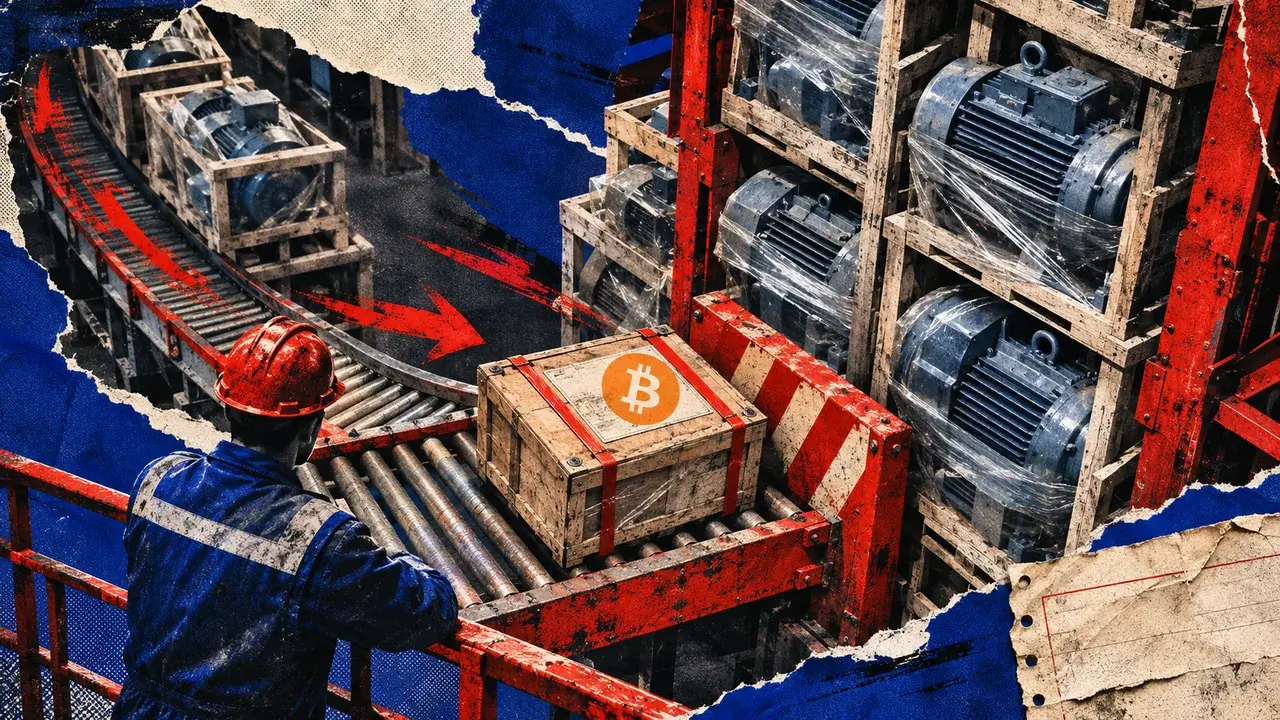
This inflationary spike in the supply chain comes at a delicate moment for global financial markets, particularly for Bitcoin and the broader digital asset sector. As the Federal Reserve prepares to release its latest meeting minutes, the intersection of rising equipment costs and cooling industrial production has sent a clear signal to the futures markets: interest rates are likely to remain higher for longer than previously anticipated. For Bitcoin traders, who often rely on dollar-denominated leverage and borrowed capital to fund their positions, the prospect of an extended period of high interest rates poses a significant headwind to price appreciation and market liquidity.
A Detailed Breakdown of Import Price Volatility
The BLS report highlighted that the primary drivers of the 1.5% increase in capital goods prices were concentrated in high-tech sectors. Computers, peripheral equipment, semiconductors, and electrical machinery all saw substantial price hikes. This trend suggests that the global supply chain for technology remains under significant pressure, potentially due to geopolitical tensions, trade restrictions, or lingering bottlenecks in specialized manufacturing hubs.
Beyond capital goods, the broader import market also showed signs of sustained heat. Nonfuel import prices rose by 0.8% in October, an acceleration from the 0.5% increase recorded in September. While fuel import prices rose by 3.6%—a deceleration from the 6.3% jump seen the previous month—the overall import price index still climbed by 1.1%. These figures indicate that inflationary pressures are no longer confined to the volatile energy sector but have become deeply embedded in the "core" goods that businesses require for daily operations.
The economic picture is further complicated by a statistical "blind spot" created by the 2025 federal government shutdown. The BLS noted that some year-over-year comparisons were unavailable because the agency was unable to collect survey data during the shutdown period a year prior. This lack of historical clarity has made it more difficult for analysts to determine whether the current price surge is a temporary anomaly or part of a more systemic long-term trend.
Industrial Production and the Manufacturing Slump
While the cost of importing machinery rose, the actual use of that machinery in domestic production appeared to stumble. The Federal Reserve’s preliminary estimate for October showed a 0.4% decline in industrial production, a sharp reversal from the 0.7% growth recorded in September. The decline was widespread across several key sectors, reflecting a cooling in the industrial heartland of the United States.
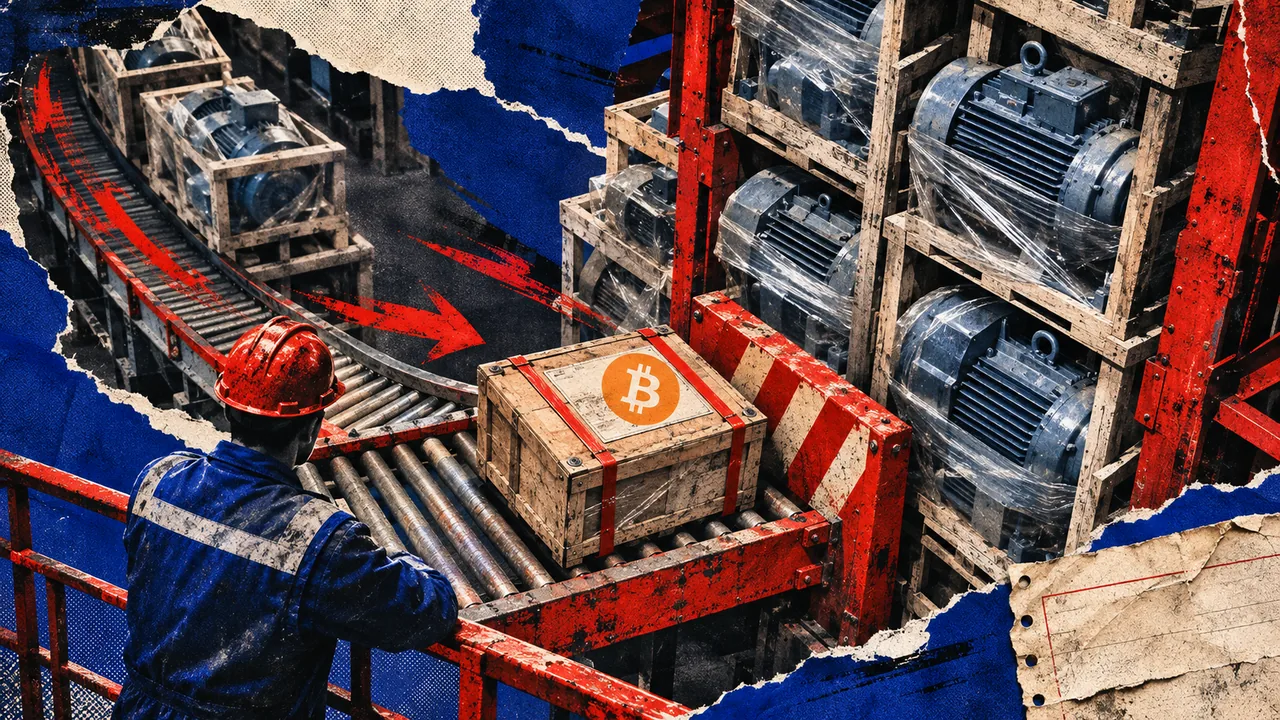
Utilities output saw the most dramatic drop, falling 4.3%, while mining production decreased by 0.8%. The manufacturing sector offered a small glimmer of resilience with a 0.3% overall increase; however, when excluding the volatile motor vehicles and parts category, manufacturing actually edged down by 0.1%. Despite these monthly setbacks, overall industrial production remains 2.1% higher than it was at the same time last year. Nevertheless, the sequential decline suggests that the high cost of capital and persistent inflation are beginning to weigh on the productivity of American firms.
Monetary Policy and the Path of Interest Rates
The combination of rising costs and slowing output presents a "stagflationary" dilemma for the Federal Reserve. Typically, slowing industrial output would provide the Fed with a reason to consider lowering interest rates to stimulate the economy. However, the record-breaking surge in import prices—particularly in capital goods—indicates that inflation is not yet fully under control.
Market participants have reacted to this data by pricing in a more aggressive rate hike path. Before the release of the Fed’s October minutes, interest-rate futures suggested that the central bank would continue to raise rates well into 2027. According to CME Group’s FedWatch tool, the probability of a quarter-point (25 basis points) rate hike in December stands at 95%, with a 5% chance of a more aggressive half-point hike.
Frenzy Capital’s analysis of CME fed funds futures provides a granular look at the expected trajectory. As of the early hours of November 18, with the effective federal funds rate at 3.88%, the market anticipates the rate will rise to 4.14% following the December 9 FOMC decision. This upward trend is expected to continue, reaching 4.32% after the January 27 meeting and hitting 4.48% by mid-March 2027.
Implications for Bitcoin and the Crypto Market
For the cryptocurrency market, these macroeconomic shifts are of paramount importance. Bitcoin has increasingly behaved as a "high-beta" risk asset, meaning its price movements are closely correlated with global liquidity conditions. When interest rates rise, the "cost of carry"—the expense associated with holding an asset using borrowed funds—increases.
Institutional traders and hedge funds often utilize the "basis trade" or other leveraged strategies involving Bitcoin. As the federal funds rate climbs, the interest charged on the dollar-denominated loans used to facilitate these trades also rises. This can lead to a reduction in leverage, as traders "de-risk" their portfolios to avoid high interest expenses. Furthermore, higher yields on "risk-free" assets like US Treasuries make speculative assets like Bitcoin less attractive to institutional investors on a risk-adjusted basis.

The current environment also impacts crypto-backed lending. Borrowers who use their Bitcoin as collateral for dollar loans are facing higher interest rates and more stringent repayment terms. As the Fed continues its tightening cycle, the gap between traditional finance rates and decentralized finance (DeFi) yields may narrow, further shifting the capital flow within the digital asset ecosystem.
Timeline of Economic Events and Market Reactions
To understand the current volatility, it is essential to look at the chronology of recent economic developments:
- October 2026: The Federal Reserve holds its policy target range at 3.75% to 4.00%, though two officials express a preference for an immediate increase.
- November 17, 2026: The BLS releases import price data showing a 1.5% jump in capital goods. Simultaneously, the Federal Reserve releases preliminary industrial production data showing a 0.4% contraction.
- November 18, 2026 (Early Morning): Futures markets solidify expectations for a December rate hike, with the implied rate path extending upward through March 2027.
- November 18, 2026 (2:00 PM ET): The Federal Reserve is scheduled to release the minutes from its October meeting, providing deeper insight into the internal debates regarding inflation and growth.
- December 9, 2026: The next FOMC meeting concludes, where the Fed is widely expected to implement a quarter-point rate hike and issue updated economic projections.
Broader Economic Impact and Future Outlook
The surge in imported technology costs may eventually be passed down to the American consumer. While the BLS remains uncertain about the exact degree of "pass-through" inflation, businesses facing a 1.5% increase in the cost of essential machinery will likely look to protect their margins by raising prices for finished goods and services. This creates a feedback loop where supply-side inflation sustains high consumer prices, forcing the Federal Reserve to maintain a restrictive monetary stance even as industrial growth stalls.
For the technology sector, which is a major driver of the US equity market, the rising cost of semiconductors and peripherals is a direct hit to capital expenditure budgets. If companies begin to scale back their technology investments due to these costs, the long-term productivity gains expected from the current AI and automation boom could be delayed.
As the market awaits the Fed minutes and the subsequent December projections, the focus for Bitcoin investors remains on the "terminal rate"—the peak level at which the Fed will stop raising rates. If the surge in equipment costs continues, that terminal rate may be higher than the 4.5% currently anticipated by the futures market. In such a scenario, Bitcoin could face a prolonged period of consolidation or downward pressure as the "cheap money" era remains a distant memory.
The resilience of the manufacturing sector, which managed a slight increase in October, will be a key metric to watch. If manufacturing can continue to grow despite rising costs, the US may achieve a "soft landing." However, if the contraction in utilities and mining spreads to the broader factory floor, the Federal Reserve will find itself trapped between a slowing economy and a persistent inflationary threat—an environment that has historically been challenging for all risk-on investment classes.