admin

Binance, the world’s largest cryptocurrency exchange by trading volume, announced early Sunday that it has initiated a phased process to restore withdrawal services for its global user base following a catastrophic security breach. The platform had previously suspended all financial activity—including deposits and withdrawals—after an estimated $6.3 billion in digital assets was siphoned from its internal wallets in what is now being characterized as the largest cyber-theft in the history of the financial services industry. In an official update, Binance confirmed that it has successfully secured or replaced approximately 95% of the stolen assets through its internal reserves and is currently in the process of procuring the remaining 5% of affected tokens. These remaining assets are reportedly less liquid in the open market, requiring a more calculated and time-intensive sourcing strategy to avoid market volatility.
The Scale of the Breach and Immediate Response
The security incident, which was first detected on October 30, 2026, sent shockwaves through the global cryptocurrency markets. The $6.3 billion figure dwarfs previous records, such as the 2022 Ronin Network hack ($625 million) and the 2021 Poly Network exploit ($611 million). Upon discovery of the breach, Binance’s security protocols triggered an immediate "freeze" on all movement of funds. This drastic measure was intended to prevent the hackers from further draining liquidity and to allow the exchange’s technical teams to conduct a comprehensive forensic audit.
In its latest communication, Binance emphasized that the decision to halt withdrawals was not made lightly. The company acknowledged the significant inconvenience caused to its millions of users but maintained that the freeze was a "necessary precaution" while teams worked to contain the loss, assess the full impact of the intrusion, and restore the integrity of the platform’s security architecture. The exchange has reiterated its longstanding commitment to user safety, stating unequivocally that Binance will bear the full financial burden of the theft. "These losses will not be passed on to users," the company stated, signaling that its Secure Asset Fund for Users (SAFU) and corporate reserves would be utilized to make all affected accounts whole.
A Chronology of the Crisis
The crisis began in the late hours of October 30, when unusual outbound traffic was detected from several of Binance’s hot wallets. Within hours, the scale of the theft became apparent, leading to a total suspension of services.
- October 30, 2026: Initial breach detected; $6.3 billion in various cryptocurrencies, including Bitcoin (BTC) and Ethereum (ETH), moved to unknown addresses. Binance halts all deposits and withdrawals.
- October 31, 2026: Binance CEO and security teams confirm the breach is linked to sophisticated state-sponsored actors. The FBI and international law enforcement agencies are brought in to track the movement of funds on the blockchain.
- November 1, 2026: Investigation points toward the North Korean hacking collective known as "TraderTraitor." The FBI issues a formal alert regarding the group’s tactics.
- November 2, 2026: Binance announces the phased resumption of withdrawals. The company confirms it has covered 95% of the stolen funds using its own capital.
- November 3, 2026 (Sunday Morning): The withdrawal portal begins to reopen. Between 6:00 a.m. and 3:30 p.m. UTC, the exchange processes $4.6 billion in withdrawals, reflecting a net outflow of $3.6 billion as users react to the week’s events.
Investigation and Attribution to North Korean State Actors
The Federal Bureau of Investigation (FBI) has officially attributed the attack to "TraderTraitor," a cyber-espionage and theft group operating under the direction of the Democratic People’s Republic of Korea (DPRK). According to the FBI’s Saturday briefing, the group utilized a combination of sophisticated social engineering and malware to gain access to Binance’s private keys. Once inside the system, the attackers moved with precision, targeting high-liquidity pools and specific altcoins that could be quickly swapped for Ethereum.
The FBI noted that the stolen assets were being converted primarily into Ethereum (ETH) before being funneled through various cryptocurrency "mixers" and decentralized protocols designed to obscure the digital paper trail. This method of laundering is a hallmark of North Korean cyber operations, which have increasingly relied on cryptocurrency theft to circumvent international sanctions and fund the nation’s weapons programs. Chainalysis and other blockchain forensic firms have been working in tandem with Binance to "tag" the stolen funds, making it difficult for the hackers to offload the assets on regulated exchanges.
Financial Resilience and Market Performance
The resumption of withdrawals on Sunday provided the first real-world test of Binance’s liquidity following the hack. Data shared by the company indicates that during the first nine and a half hours of the phased reopening, the platform processed $4.6 billion in withdrawals against $1.0 billion in new deposits. This resulted in a net outflow of $3.6 billion, representing approximately 2.1% of Binance’s total assets under management (AUM).
While a $3.6 billion outflow would be catastrophic for most traditional banks or smaller exchanges, market analysts suggest that Binance’s ability to handle this volume without a total collapse of its service speaks to its deep liquidity reserves. The 2.1% reduction in AUM is considered manageable within the context of the exchange’s overall balance sheet, which was estimated to be well over $170 billion prior to the incident.
However, the recovery process remains uneven across different blockchain networks. As of Sunday morning, the Binance Network Status page displayed a "patchwork" of availability. For instance, Bitcoin (BTC) deposits and withdrawals were listed as "partially suspended," likely due to the ongoing security checks required for the exchange’s largest asset pool. Conversely, Ethereum (ETH) deposits were functioning normally, though withdrawals remained partially restricted. The company has warned users to expect "temporary delays or longer processing times" as the system manages the massive backlog of pending transactions and high traffic volume.
The Complexity of Sourcing "Less Liquid" Assets
One of the most significant hurdles in Binance’s recovery plan is the "remaining 5%" of affected assets. In its statement, the exchange noted that these tokens are "less liquid in the market" and take a "longer time to source at the required scale." In the world of decentralized finance (DeFi), liquidity refers to the ease with which an asset can be converted into cash or another coin without affecting its market price.
For many smaller "altcoins" that were part of the $6.3 billion theft, there may not be enough available supply on other exchanges for Binance to buy back the lost amounts in a single transaction. If Binance were to attempt a massive market buy for these illiquid assets, it would likely cause a "price spike," forcing the exchange to pay an inflated premium. Consequently, Binance is likely utilizing "Over-the-Counter" (OTC) desks and gradual accumulation strategies to replenish these specific wallets without destabilizing the broader market.
Broader Implications for the Global Cryptocurrency Ecosystem
The Binance breach is expected to serve as a catalyst for significant regulatory shifts in the cryptocurrency sector. Lawmakers in the United States, Europe, and Asia have already begun calling for more stringent "proof of reserve" requirements and mandatory insurance for digital asset custodians.
Security Standards and Custodial Risk
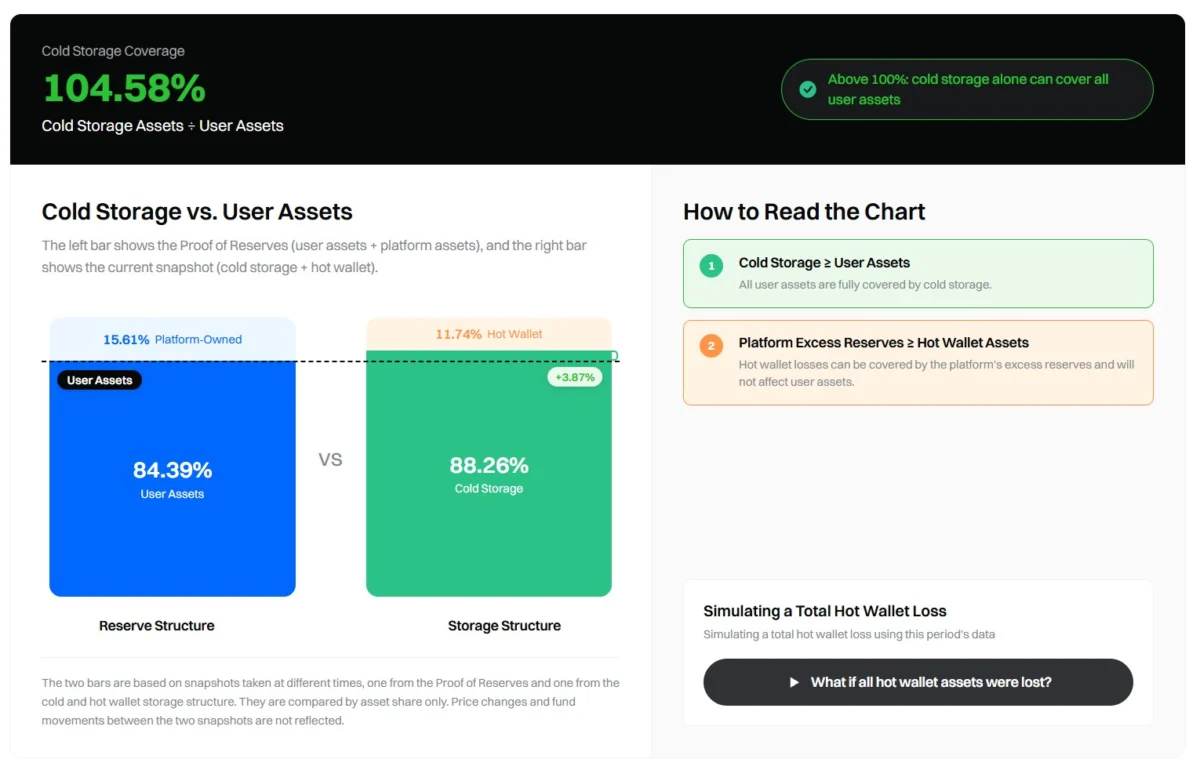
The fact that North Korean hackers could penetrate the world’s most well-funded exchange suggests that current security standards may be insufficient against state-sponsored threats. Industry experts anticipate a shift away from "hot wallets" (wallets connected to the internet) toward more robust multi-signature "cold storage" solutions, even for day-to-day exchange operations.
Geopolitical Tensions
The attribution of the hack to the DPRK adds a layer of geopolitical complexity. Cryptocurrency theft has become a cornerstone of North Korea’s economic strategy. According to United Nations reports, cyberattacks have accounted for a significant portion of the country’s foreign currency earnings over the last five years. This latest $6.3 billion heist represents a massive escalation in the scale of these operations, likely prompting increased pressure from the international community on countries that provide the digital infrastructure used by North Korean hackers.
Investor Sentiment and Trust
While Binance’s commitment to covering the losses has prevented a total market panic, the incident has highlighted the inherent risks of centralized exchanges. Decentralized exchanges (DEXs) and self-custody solutions (such as hardware wallets) have seen a surge in interest following the news of the freeze. The long-term impact on Binance’s market share will depend on how quickly it can restore full functionality and whether its promised "in-depth incident report" provides enough transparency to satisfy institutional investors.
Conclusion and Next Steps
Binance has characterized the resumption of withdrawals as a "major milestone," but it has also acknowledged that the work is far from over. The company continues to cooperate with the FBI and other international agencies to track the $6.3 billion in stolen funds, though the likelihood of a full recovery from the hackers remains slim once the assets enter the laundering phase.
For the millions of users waiting for their funds, the message from Binance is one of cautious optimism. The exchange has pledged to continue strengthening its safeguards and providing regular updates on the recovery process. As the investigation continues, the crypto industry at large remains on high alert, recognizing that the "TraderTraitor" group and other state-sponsored actors remain a persistent and evolving threat to the digital economy. Binance’s ability to weather this $6.3 billion storm may ultimately be remembered as a testament to its financial scale, but the breach itself will stand as a stark reminder of the vulnerabilities that still exist within the world of decentralized finance.