admin
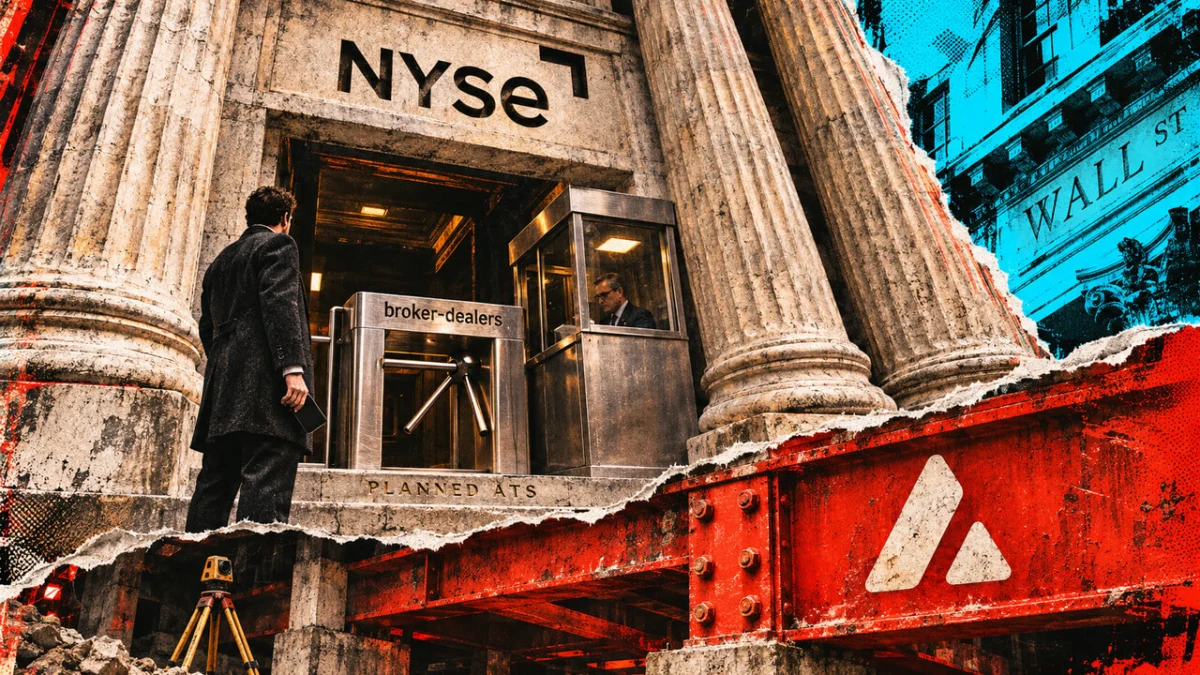
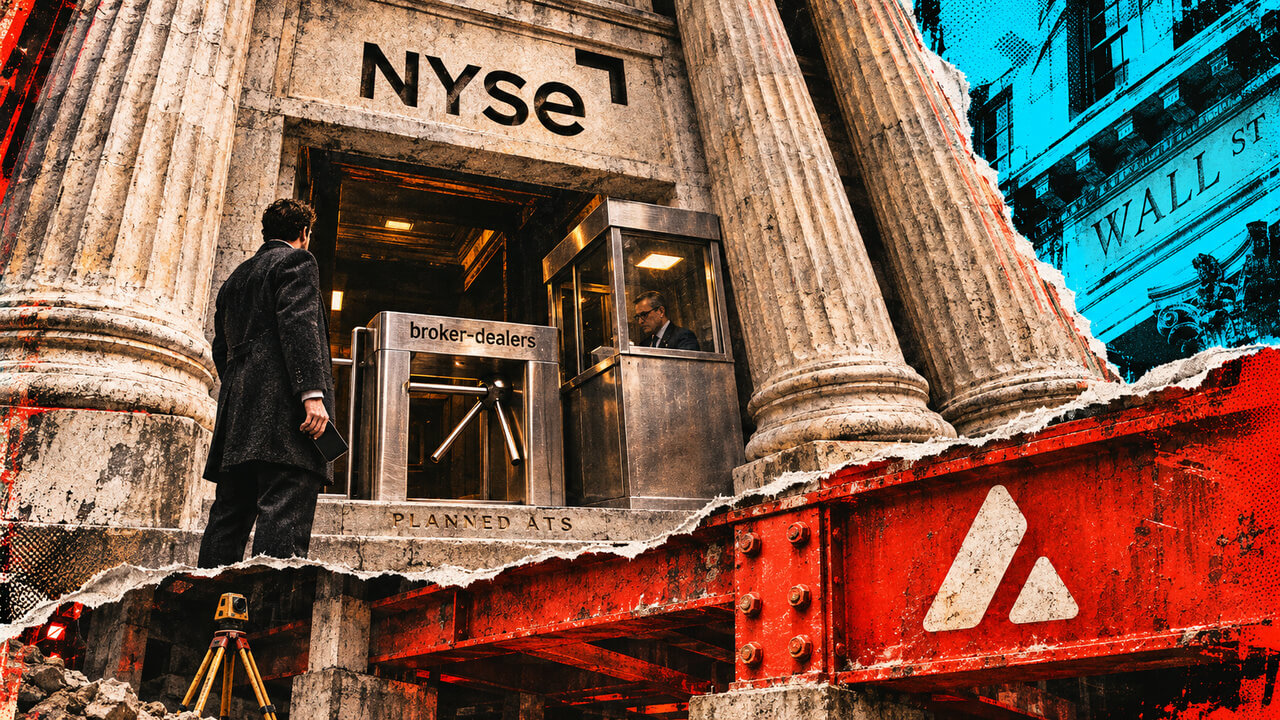
The Avalanche blockchain has been selected to serve as the foundational ledger technology for clearing and settlement processes within a forthcoming tokenized securities venue, a strategic initiative affiliated with the New York Stock Exchange (NYSE). This landmark development, announced by Ava Labs on November 9, 2026, marks a significant step towards integrating traditional financial markets with decentralized ledger technology, pending the requisite regulatory approvals. The proposed alternative trading system (ATS) aims to revolutionize securities trading by offering continuous, 24/7 operation for trading, clearing, and settlement, a paradigm shift from the current market structure.
Background and Genesis of the Partnership
The genesis of this collaboration can be traced back to earlier explorations by the NYSE’s parent company, Intercontinental Exchange (ICE), into the potential of tokenized securities. As far back as January 19, 2026, ICE outlined a vision for a tokenized securities platform designed to enhance market efficiency and accessibility. This initial announcement detailed plans for distribution through non-discriminatory access for qualified broker-dealers and the integration of NYSE’s robust Pillar matching engine with blockchain-based post-trade systems. Key features envisioned at that stage included the capability for dollar-sized orders, funding through stablecoins, and the promise of immediate settlement. While the January announcement laid the groundwork for the platform’s operational framework and distribution channels, it deliberately remained discreet about the specific blockchain technologies that would underpin its post-trade infrastructure.
The November announcement from Ava Labs directly addresses this crucial element, identifying Avalanche as the chosen ledger for the clearing firm. This decision underscores Avalanche’s perceived suitability for the demanding requirements of institutional-grade financial operations.
Key Requirements and Avalanche’s Suitability
Dennis Lee, NYSE’s head of digital issuance, articulated the critical criteria that led to the selection of Avalanche. In the official press release from Ava Labs, Lee emphasized the need for a ledger that possesses exceptional speed, unwavering reliability, predictable cost structures, a vibrant developer ecosystem, and crucially, the capacity for precise control over participant access. These attributes are paramount for a venue aiming to process a high volume of transactions with the efficiency and security expected by major financial institutions.
Avalanche’s architecture, particularly its subnets, offers a high degree of customization, enabling institutions to tailor performance, capacity, and cost parameters to their specific operational needs. This flexibility is a key selling point, allowing market operators like the NYSE to implement granular control over who can participate in the network and under what conditions. This ability to manage access is a critical factor in bridging the gap between the permissionless nature of some blockchain applications and the highly regulated environment of traditional finance.
Furthermore, Lee clarified a nuanced aspect of the platform’s design: while Avalanche will power the clearing and settlement ledger, it does not necessitate that every security traded on the venue must be issued on the Avalanche blockchain itself. This signifies an interoperable approach, where the underlying securities can exist on various blockchains, while a centralized, yet decentralized, ledger ensures the integrity of post-trade activities. This strategy allows for broader adoption and integration of existing tokenized assets without forcing immediate migration to a single blockchain standard.
Chronology of Developments
The journey towards this announcement can be mapped through several key milestones:
- January 19, 2026: Intercontinental Exchange (ICE), the parent company of the NYSE, publicly outlines its vision for a tokenized securities platform, detailing distribution, matching engine integration, and post-trade features, but withholding specific blockchain technology choices.
- Prior to November 2026: Discussions and technical evaluations between NYSE/ICE and blockchain providers, including Ava Labs, culminate in the selection of Avalanche for the critical clearing and settlement functions.
- November 2, 2026: The NYSE issues an update reaffirming the distribution model through participating broker-dealers and reiterates that the platform remains subject to regulatory approval. This update further solidifies the intent to proceed with the tokenized securities venue.
- November 9, 2026: Ava Labs officially announces that the Avalanche blockchain will serve as the core ledger technology for clearing and settlement for the NYSE-affiliated tokenized securities platform.
This timeline highlights a phased approach, with the operational and distribution strategies being defined before the specific blockchain infrastructure was publicly revealed. The timing of the Ava Labs announcement suggests that the technical selection and integration planning have reached a mature stage.
Operational Model and Investor Access
The operational model for the tokenized securities venue, as previously outlined by ICE, is designed to facilitate seamless trading and settlement. Qualified broker-dealers will be the primary conduits for investor access, ensuring that participation is managed and compliant with existing regulatory frameworks. The platform’s intention to support both third-party custodial tokens and issuer-sponsored tokenized securities signifies a comprehensive approach to asset tokenization. These tokenized instruments are designed to be fungible with traditionally issued shares, inheriting identical dividend rights and governance privileges.
The integration of blockchain for settlement alongside these familiar ownership rights is a pivotal aspect of the platform. It promises to enhance the efficiency of post-trade processes, potentially reducing settlement times from days to near-instantaneous transactions. This can lead to significant capital efficiencies for market participants and a reduction in counterparty risk.
Supporting Data and Market Context
The move towards tokenized securities is not an isolated event but part of a broader trend reshaping the financial industry. The global market for tokenized assets is projected to grow exponentially. Industry reports from various financial analysts and research firms indicate that the value of tokenized real-world assets could reach trillions of dollars within the next decade. For instance, some projections estimate the total addressable market for tokenized securities to be upwards of $50 trillion. This surge is driven by the inherent benefits of blockchain technology, including increased liquidity, fractional ownership, enhanced transparency, and reduced operational costs.
The NYSE’s involvement, as one of the world’s most prominent stock exchanges, lends significant credibility to this burgeoning sector. By partnering with a leading blockchain platform like Avalanche, the NYSE is signaling a strong commitment to the future of digital assets and their integration into mainstream finance. Avalanche, known for its high throughput, low transaction fees, and robust ecosystem, has been actively pursuing institutional adoption, making it a logical choice for such a high-profile initiative. The platform’s ability to support custom subnets further enhances its appeal, allowing for the creation of bespoke blockchain environments tailored to the specific needs of financial institutions.
Reactions and Inferred Analysis
While specific public statements from all parties involved beyond the initial press release are not available, the implications of this partnership are far-reaching and can be inferred from the strategic decisions made.
- For Traditional Financial Institutions: The NYSE’s move validates the potential of blockchain technology to enhance existing financial infrastructure. It suggests that traditional institutions are no longer merely experimenting with blockchain but are actively integrating it into core operational processes. This could spur further innovation and adoption across the financial sector.
- For the Blockchain Industry: The selection of Avalanche by a venerable institution like the NYSE is a significant endorsement for the blockchain ecosystem. It validates the technological maturity and institutional readiness of platforms like Avalanche, potentially attracting more institutional capital and talent to the space.
- For Investors: The prospect of 24/7 trading, faster settlement, and potentially lower transaction costs could translate into a more efficient and accessible market for investors. The clear articulation of fungibility with traditional shares provides a crucial bridge for investor confidence, ensuring that tokenized securities offer comparable rights and benefits.
- Regulatory Landscape: The explicit mention of regulatory approval underscores the ongoing dialogue between the financial industry and regulators. This partnership, by design, appears to prioritize compliance and controlled access, which are key concerns for regulatory bodies seeking to ensure market stability and investor protection. The success of this initiative could set a precedent for future regulatory frameworks governing tokenized securities.
Broader Impact and Future Implications
The integration of Avalanche as the clearing and settlement ledger for a NYSE-affiliated tokenized securities venue has several profound implications for the future of finance:
- Democratization of Access: While the initial access is through qualified broker-dealers, the long-term vision of tokenization often includes greater accessibility to a wider range of investors. The efficiency gains from blockchain could eventually lead to lower costs, making investments more accessible.
- Enhanced Liquidity and Price Discovery: Continuous trading and faster settlement can lead to increased liquidity in the market, enabling assets to be traded more readily. This, in turn, can contribute to more efficient price discovery, reflecting real-time market sentiment and valuations.
- Operational Efficiencies and Cost Reduction: Traditional clearing and settlement processes are often complex, paper-intensive, and time-consuming, leading to significant operational costs. Blockchain technology offers the potential to automate many of these processes, reducing errors, minimizing manual intervention, and thereby lowering overall costs for market participants.
- New Financial Products: The underlying infrastructure could pave the way for the creation of novel financial products and instruments that are not feasible with traditional systems. This could include more sophisticated derivatives, securitized assets, and innovative forms of capital raising.
- Global Interoperability: As more exchanges and financial institutions adopt blockchain technology, the potential for greater interoperability between different markets and jurisdictions increases. This could lead to a more interconnected and efficient global financial system.
The partnership between the NYSE and Avalanche represents a pivotal moment in the evolution of financial markets. It signifies a tangible step towards a future where the efficiency, transparency, and accessibility of blockchain technology are leveraged to enhance the core functions of traditional finance, ushering in a new era of digital asset integration. The success of this venture will likely depend on navigating the complex regulatory landscape, ensuring robust technological implementation, and building trust among all market participants.