admin
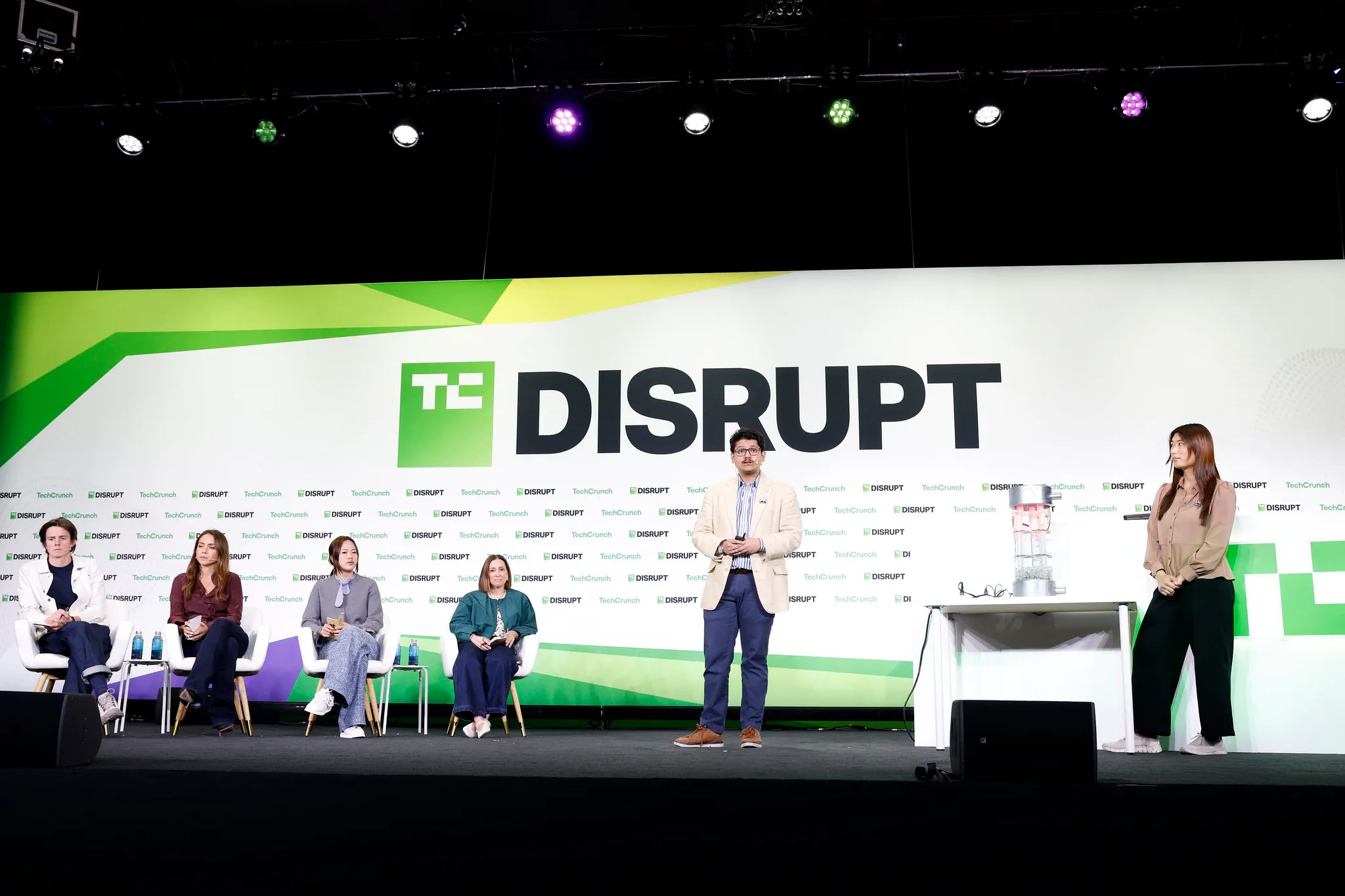
TechCrunch Disrupt 2026 has officially entered the final hours of its speaker application window, signaling the start of the primary organizational phase for one of the global technology sector’s most anticipated annual gatherings. The event, scheduled to take place from October 13 to October 15 at Moscone West in San Francisco, represents a critical nexus for the international startup ecosystem. Organizers have confirmed that the application portal for founders, venture capitalists, operators, and technical experts will remain open until 11:59 p.m. PT tonight, marking a firm deadline for those seeking to influence the industry dialogue on a global stage.
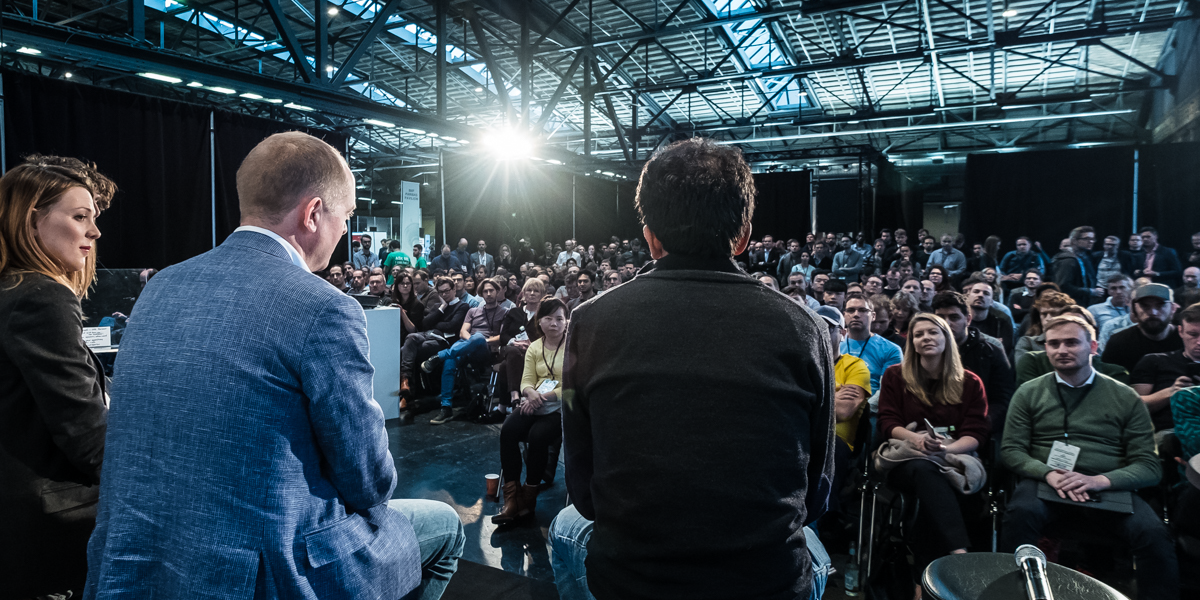
With an expected attendance of more than 10,000 participants, including a significant concentration of venture capital leaders and early-stage innovators, Disrupt 2026 aims to dissect the current state of technological advancement. This year’s programming is set to prioritize several high-growth sectors, specifically focusing on the maturation of Artificial Intelligence (AI), the complexities of organizational scaling, the evolving landscape of financial technology (fintech), the hardening of digital and physical infrastructure, and the next generation of robotics.
The Strategic Importance of the San Francisco Venue
The selection of Moscone West as the venue for the 2026 iteration underscores the enduring status of San Francisco as the epicenter of global venture capital and technological development. Despite fluctuations in the commercial real estate market and shifts toward remote work in recent years, the "Bay Area" remains the primary destination for startup investment. According to industry data from 2024 and 2025, San Francisco continues to capture a disproportionate share of total venture funding, particularly in the generative AI and robotics sectors.
By returning to Moscone West, TechCrunch Disrupt leverages a facility capable of hosting the massive logistical requirements of a 10,000-person summit. The venue choice also facilitates immediate proximity to the headquarters of major tech conglomerates and the specialized law firms and financial institutions that underpin the Silicon Valley ecosystem. For applicants, the opportunity to speak at this location offers a high-density networking environment that is rarely replicated at other global conferences.
Detailed Chronology of the 2026 Event Cycle
The "Call for Content" is the first major milestone in a multi-stage timeline that leads to the October event. The process began several months ago with the internal identification of key industry themes by the TechCrunch editorial team. Following the closure of the application portal tonight at 11:59 p.m. PT, the timeline proceeds as follows:
- Editorial Review Phase (June – July 2026): The TechCrunch editorial board will review thousands of submissions to evaluate them for original insight, technical depth, and industry relevance.
- The Audience Choice Vote (August 2026): In a move designed to maximize community engagement, a curated list of finalists will be presented to the TechCrunch readership. This democratic element allows the public to vote on which sessions they believe provide the most value, directly influencing the final agenda.
- Final Programming Announcement (September 2026): The complete schedule of speakers, breakout sessions, and roundtables will be released, allowing attendees to plan their itineraries.
- The Main Event (October 13–15, 2026): Three days of intensive programming, networking, and the flagship Startup Battlefield competition.
This structured approach ensures that the content presented is not only vetted by experts but also aligns with the current interests and demands of the broader tech community.

Diversified Session Formats for Enhanced Engagement
In response to feedback from previous years, Disrupt 2026 is emphasizing two distinct session formats designed to facilitate different types of knowledge transfer. The organizers are moving away from traditional, one-way lectures in favor of more interactive and high-impact engagements.
Breakout Sessions
The Breakout Sessions are designed for structured expertise delivery. These 30-minute blocks allow for up to four speakers, including a moderator. A significant portion of this time—20 minutes—is dedicated to an audience-led Q&A. This format is intended to bridge the gap between high-level theory and practical application. With a capacity of approximately 100 attendees, these sessions provide a more intimate environment than the main Disrupt Stage, allowing for deep dives into specific technical or operational hurdles.
Roundtables
The Roundtable format represents a shift toward peer-to-peer learning and networking. These 30-minute discussions are limited to 40 participants and are led by a single speaker. Notably, these sessions omit the use of slides or traditional audiovisual equipment, focusing instead on raw insight and conversational exchange. This format is particularly favored by investors and seasoned operators who wish to discuss sensitive market trends or complex regulatory environments in a semi-private, collaborative setting.
Supporting Data: The Impact of the Disrupt Platform
The urgency surrounding the application deadline is supported by the historical performance and impact of the TechCrunch Disrupt platform. Over the past decade, the event has served as a launchpad for some of the world’s most successful technology companies.
- Venture Capital Reach: Historically, Disrupt has attracted representatives from over 500 venture capital firms, managing trillions in assets.
- Startup Success: Companies that have participated in the Startup Battlefield—the event’s signature competition—have collectively raised more than $9 billion in funding and have seen over 100 successful exits.
- Media Saturation: The event typically generates thousands of media mentions, providing speakers and their companies with a level of visibility that is difficult to achieve through traditional PR channels.
- Sector Growth: The focus on AI and robotics for 2026 mirrors global investment trends. In 2025, AI-related startups accounted for nearly 40% of all Series A and Series B funding rounds globally, a trend that is expected to continue through the 2026 fiscal year.
Official Expectations and Selection Criteria
While the editorial team maintains a high degree of independence, the selection criteria for Disrupt 2026 speakers are rooted in "actionable insights." Organizers have indicated that they are seeking speakers who can move beyond the "hype cycle" to provide real-world case studies and data-driven projections.
Founders who have successfully navigated "down rounds" or complex pivots, investors with contrarian views on market saturation, and operators who have managed hyper-growth in volatile markets are among the profiles most likely to succeed in the application process. The goal is to provide attendees with a toolkit for navigating the economic and technological landscape of the late 2020s.
Related parties within the tech ecosystem have noted that the "Audience Choice" component is particularly competitive. "It’s not just about having a big name," noted one former session moderator. "It’s about having a topic that resonates with the pain points of the current startup generation. If you aren’t talking about efficiency, unit economics, or the ethical implementation of AI, it’s hard to get the community’s vote."

Broader Industry Implications and Analysis
The themes selected for Disrupt 2026—AI, scaling, fintech, infrastructure, and robotics—reflect a broader shift in the technology industry toward "hard tech" and "essential services." Following the "ZIRP" (Zero Interest Rate Policy) era, the industry has seen a cooling of interest in purely consumer-facing apps with no clear path to profitability.
The focus on "Infrastructure" and "Scaling" suggests that the 2026 conference will deal heavily with the "second act" of the AI revolution. While 2023 and 2024 were defined by the wonder of Large Language Models (LLMs), 2026 is expected to be the year of implementation, where the industry determines how to build the physical and digital architecture required to sustain these technologies at scale.
Furthermore, the inclusion of "Fintech" as a core pillar indicates a continued interest in the decentralization and modernization of global banking systems, particularly as regulatory frameworks like Europe’s MiCA and various U.S. SEC rulings continue to reshape the playing field.
Final Call for Participation
As the 11:59 p.m. PT deadline approaches, the tech community’s attention is firmly fixed on the submission portal. For many founders and experts, a speaking slot at TechCrunch Disrupt is more than just a professional accolade; it is a strategic business move that can lead to partnerships, funding, and industry-wide influence.
The requirement for high-impact, real-world experience remains the primary filter for the thousands of applications expected to be processed by tomorrow morning. As the industry moves toward a more pragmatic and data-centric future, the conversations held on the stages of Moscone West in October 2026 will likely serve as the blueprint for the next wave of global innovation.
Applicants are encouraged to finalize their submissions immediately, ensuring that their session formats—whether Breakout or Roundtable—are clearly defined and that their core thesis offers a unique contribution to the tech ecosystem. The results of the editorial review and the subsequent Audience Choice vote will be the next major updates in the lead-up to Disrupt 2026.