admin
admin
The global technology ecosystem is currently focusing its attention on the fast-approaching May 29 deadline for Early Bird registration for TechCrunch Disrupt 2026, the industry’s most influential gathering of founders, investors, and technical operators. Scheduled to take place from October 13 to October 15, 2026, at the Moscone West convention center in San Francisco, the event serves as a critical nexus for the venture capital community and early-stage startups seeking to scale in an increasingly competitive global market. Prospective attendees have until 11:59 p.m. PT on May 29 to secure tickets at a reduced rate, offering a potential savings of up to $410 before standard pricing tiers take effect.
As the venture capital landscape continues to evolve in 2026, characterized by a renewed focus on sustainable growth and the rapid integration of advanced artificial intelligence across all sectors, the importance of centralized networking hubs like Disrupt has reached a new zenith. The conference is expected to host more than 10,000 participants, including representatives from the world’s leading investment firms and over 300 exhibiting startups. For many founders, the three-day summit represents a condensed fundraising cycle, where the traditional months-long process of cold outreach and introductory emails is replaced by high-intensity, face-to-face engagement.
The Historical Context and Evolution of TechCrunch Disrupt
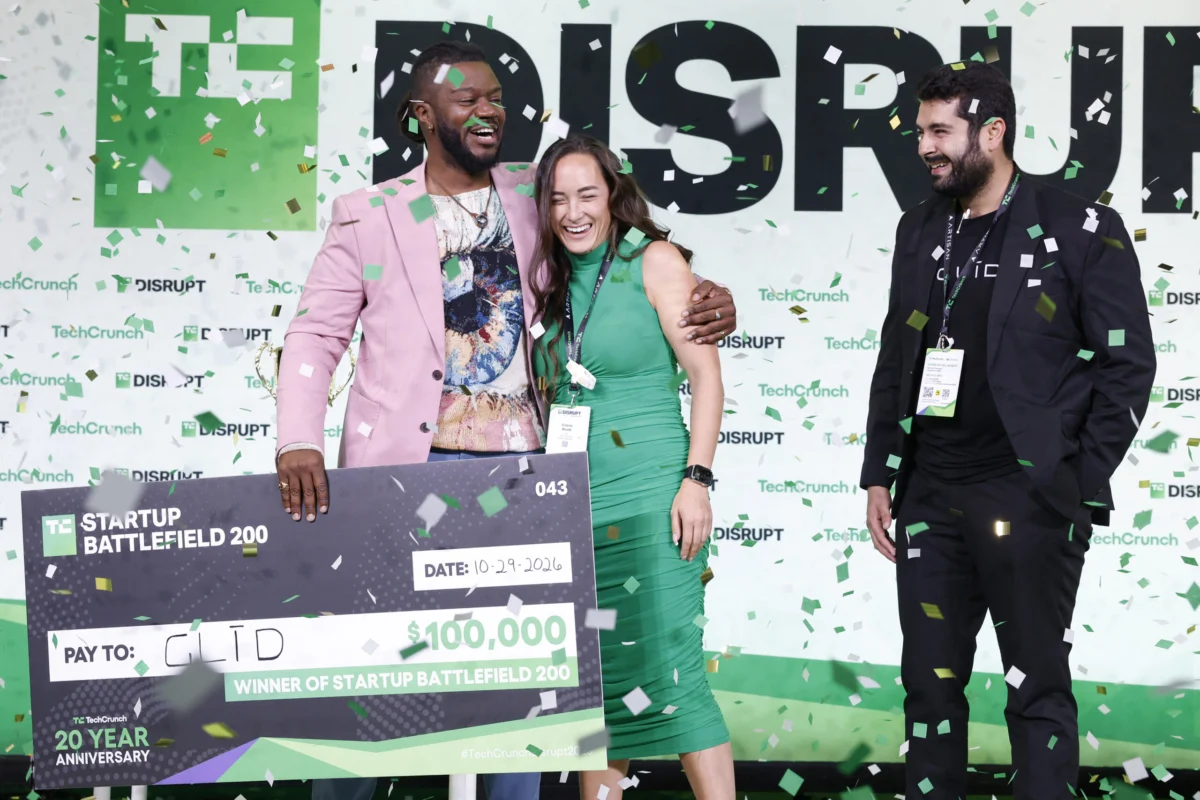
TechCrunch Disrupt has long been considered the premier proving ground for nascent technology companies. Since its inception, the conference has been the launching pad for some of the most recognizable names in the modern tech economy. Companies such as Dropbox, Fitbit, and Cloudflare first gained international prominence through the Startup Battlefield, the event’s signature pitch competition. The 2026 iteration of the event arrives at a pivotal moment for San Francisco, reinforcing the city’s status as the global epicenter of innovation despite the decentralization of tech talent observed earlier in the decade.
The event’s structure is designed to facilitate "deal flow"—a metric of critical importance to both the limited partners providing capital and the general partners tasked with deploying it. In the current economic climate, where investors are exercising greater scrutiny and conducting more rigorous due diligence, the opportunity for physical proximity offered at Disrupt allows for a more nuanced evaluation of a founder’s vision and leadership capabilities.

Strategic Timeline and Registration Milestones
The countdown to the May 29 Early Bird deadline marks the first major milestone in the TechCrunch Disrupt 2026 calendar. Following this date, ticket prices are set to increase incrementally as the event draws closer. The chronology of the lead-up to the October summit involves several key phases:
- Early Bird Phase (Ending May 29): The period of maximum affordability for bootstrapped founders and independent investors.
- Agenda Finalization (Summer 2026): The announcement of keynote speakers, which typically includes CEOs of Fortune 500 tech companies, pioneering researchers, and top-tier venture capitalists.
- Startup Battlefield Selection (Late Summer 2026): The rigorous vetting process where hundreds of applicants are narrowed down to the elite few who will compete on the Disrupt Stage.
- Side Event Coordination (September 2026): The scheduling of more than 80 independent workshops, networking mixers, and specialized meetups across the San Francisco Bay Area.
- The Main Event (October 13–15, 2026): Three days of programming, exhibition, and curated networking at Moscone West.
Analyzing the Economic Impact of In-Person Networking
While digital communication tools have streamlined many aspects of the startup ecosystem, industry analysts suggest that "proximity" remains the most valuable currency in high-stakes fundraising. The 2026 event is structured to maximize this proximity through tools like Braindate, a platform that allows attendees to schedule one-on-one or small group discussions based on specific areas of expertise.
Statistical data from previous Disrupt events indicate that participants who engage in curated networking are significantly more likely to secure follow-up meetings with investors. In 2025, the event facilitated over 20,000 documented meetings, a figure that organizers expect to exceed in 2026. For a founder, the $410 saved during the Early Bird window represents more than just a lower overhead cost; it is a strategic allocation of resources toward an environment where the "cost per lead" for potential investors is at its lowest.
The compression of the fundraising cycle is perhaps the most significant benefit for operators. In a traditional environment, a founder might spend six months navigating the "warm intro" circuit. At Disrupt, the density of capital—represented by thousands of active investors—allows for immediate feedback loops. This real-time market validation is essential for startups in the "idea to IPO" pipeline, where stalling for even a few weeks can result in a loss of competitive advantage.
Sector Focus: What to Expect in 2026
The programming for TechCrunch Disrupt 2026 is expected to reflect the dominant trends in the technological landscape. Key areas of focus will likely include:

- Artificial Intelligence and Autonomy: Moving beyond large language models to agentic AI and physical robotics.
- SaaS and Enterprise Solutions: The continued evolution of cloud-based infrastructure and cybersecurity.
- Climate Tech and Sustainability: Innovations in carbon capture, renewable energy storage, and circular economy logistics.
- Fintech and Decentralized Finance: The maturation of digital assets and the integration of AI in global banking.
- Healthtech and Biotech: The intersection of data science and personalized medicine.
The Builders Stage and the Disrupt Stage will feature tactical sessions led by operators who have successfully scaled companies through these various sectors. These sessions provide "unfiltered insights," a departure from the polished public relations narratives often found in corporate earnings calls. For an operator, hearing a candid account of a failed pivot or a difficult series B round can provide the necessary intelligence to avoid similar pitfalls.
Official Expectations and Market Implications
While TechCrunch has not issued a formal statement beyond the registration drive, the tech community’s reaction has been one of high anticipation. Prominent venture capitalists have historically utilized Disrupt to scout for "under-the-radar" talent that may not yet be part of the traditional Silicon Valley social circles. This democratizing aspect of the conference is a core part of its value proposition; it provides a platform for founders from diverse geographical and socioeconomic backgrounds to stand on the same stage as the industry’s elite.
The broader implications for the tech industry are substantial. Events like Disrupt serve as a barometer for the health of the startup economy. A high turnout and a high volume of deal-making in October 2026 would signal robust investor confidence and a healthy appetite for risk. Conversely, the trends observed during the Startup Battlefield often dictate the "investment thesis" for the following fiscal year, as VCs identify which technologies are moving from the experimental phase to commercial viability.
Maximizing the Disrupt Experience
For those who secure their tickets by the May 29 deadline, the preparation for the October event begins immediately. Organizers emphasize that Disrupt is not merely a passive listening experience but an active business development platform. Attendees are encouraged to:
- Leverage the Side Events: With over 80 events scattered throughout the Bay Area, the networking extends far beyond the walls of Moscone West. These events often provide a more relaxed environment for building long-term professional relationships.
- Engage with the Exhibition Floor: The 300+ startups on display represent the "front lines" of innovation. For investors, this is the primary site for discovery; for founders, it is a chance to conduct competitive analysis.
- Utilize Curated Networking: The investor receptions and structured networking sessions are designed to remove the friction of the "cold call," placing founders directly in the path of those with the capital to fund their vision.
The $410 savings currently available is a significant incentive for early-stage companies where every dollar is scrutinized. However, the true value of the Early Bird registration lies in the early access to the event’s planning tools and the ability to begin coordinating meetings months in advance.

Conclusion: The Cost of Waiting
As the May 29 deadline looms, the message from the startup ecosystem is clear: in an industry defined by speed, waiting is a luxury few can afford. The transition from an inbox-based outreach strategy to an in-person, influence-based strategy is a critical step for any company looking to scale. TechCrunch Disrupt 2026 stands as the most efficient venue for this transition.
By locking in the Early Bird rates, founders and investors are not just saving on the cost of admission; they are securing their place at the center of the startup world. When the doors open at Moscone West on October 13, the individuals in the room will be the ones shaping the next decade of technological progress. The May 29 deadline represents the final opportunity to join that group at the most competitive price point, ensuring that the next stage of innovation is accessible to those ready to lead it.