admin
admin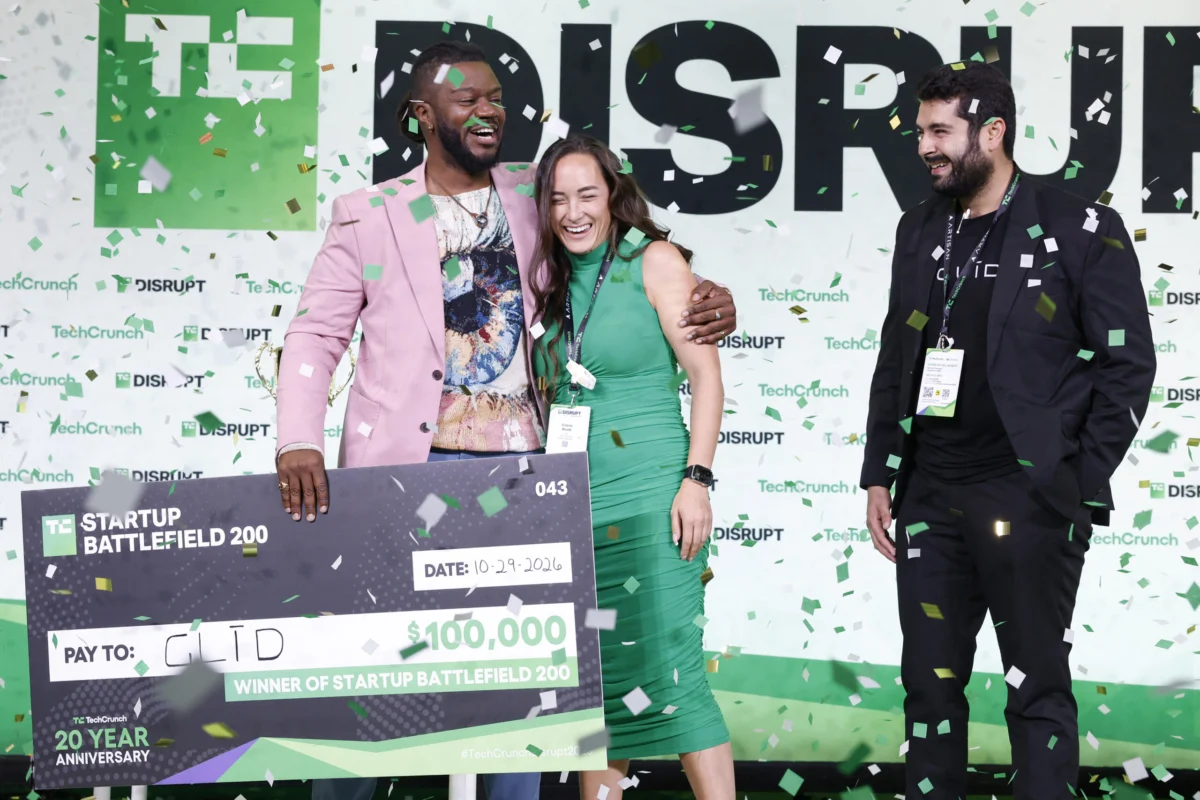
The global technology ecosystem is entering a critical window as the May 27 deadline approaches for the Startup Battlefield 200, the premiere competition hosted by TechCrunch Disrupt. This annual event serves as a high-stakes proving ground for early-stage companies seeking to transition from obscure startups to household names. With a prize of $100,000 in equity-free funding and a historical track record of propelling companies toward multi-billion-dollar valuations, the competition remains one of the most significant milestones for founders in the pre-Series A stage. The program offers a rare confluence of venture capital access, international media exposure, and peer networking, making it a cornerstone of the annual technology calendar.
The Strategic Importance of Startup Battlefield 200
The Startup Battlefield 200 is not merely a pitch competition; it is a curated cohort of the world’s most promising early-stage ventures. From a pool of thousands of applicants, only 200 startups are selected to participate. These companies are granted a presence on the TechCrunch Disrupt exhibition floor, providing them with direct access to more than 10,000 attendees, including prolific angel investors, tier-one venture capitalists, and corporate development executives from major tech conglomerates.
For the selected 200, the benefits extend beyond the physical event. Each company is integrated into the TechCrunch ecosystem, receiving visibility that often leads to significant "follow-on" effects, such as increased inbound interest from recruiters, partners, and the press. The program is designed to identify "breakout" potential—startups that are not just iterating on existing models but are actively seeking to redefine their respective categories.

A Legacy of Market Disruption and Economic Impact
The pedigree of the Startup Battlefield program is supported by a decade and a half of data. Since its inception, more than 1,700 companies have passed through the competition’s various iterations. Collectively, these alumni have raised more than $32 billion in venture funding. Perhaps more impressively, the program has facilitated more than 250 successful exits, including high-profile acquisitions by industry titans such as Microsoft, Google, Salesforce, Uber, and Amazon.
The historical roster of the competition reads like a "who’s who" of the modern digital economy. In 2007, Dropbox utilized the stage to demonstrate its cloud storage solution to a skeptical audience, eventually becoming a cornerstone of collaborative work. In 2010, Cloudflare debuted its security and performance services long before "edge networking" became a standard industry term. In 2013, a company then known as Hammer & Chisel—now globally recognized as Discord—took the stage, showcasing the early iterations of what would become the world’s leading community communication platform. Other notable alumni include Fitbit, which revolutionized the wearable health tech market, and Mint, which redefined personal finance management.
The Selection Process and Eligibility Criteria
The application process is rigorous, designed to filter for companies that possess both technical innovation and a viable path to scale. While the program is open to startups from all industries and geographic locations, the selection committee focuses on several core requirements:
- Product Stage: Startups must have a functional Minimum Viable Product (MVP). The competition favors companies that can demonstrate their technology live on stage rather than relying solely on conceptual slide decks.
- Funding Status: The program is primarily targeted at pre-Series A startups. While some Series A companies are considered on a case-by-case basis, the core mission is to elevate companies that are still in their formative stages.
- Innovation Factor: The committee looks for "category-defining" potential. This involves assessing whether the startup is solving a significant problem in a novel way or opening up an entirely new market segment.
- Operational Readiness: Founders must be prepared to handle the scrutiny of a global stage and the rapid scaling that often follows a successful Disrupt appearance.
Comprehensive Benefits for the Battlefield 200 Cohort
While only 20 finalists are chosen to compete for the $100,000 grand prize on the Disrupt Stage, all 200 selected companies receive a suite of resources designed to accelerate their growth. This "equity-free" support model is increasingly rare in an era where many accelerators demand significant ownership stakes in exchange for similar exposure.

Investor Masterclasses and Mentorship
Participants gain access to exclusive workshops led by seasoned investors and successful entrepreneurs. These sessions cover critical topics such as term sheet negotiation, scaling engineering teams, and navigating the complexities of global regulatory environments.
The Pitch Showcase Stage
In addition to the main Disrupt Stage, the Pitch Showcase Stage provides a platform for all 200 startups to present their solutions to a targeted audience of investors and media. This ensures that every founder in the cohort has at least one opportunity to deliver their message to the broader ecosystem.
Exhibition and Networking
Each startup is provided with exhibition space on the show floor. This serves as a "home base" for three days of intensive networking. Historically, these booths have been the site of initial conversations that lead to seed and Series A funding rounds.
Media Coverage and Brand Building
Being part of the Battlefield 200 grants startups a "seal of approval" from TechCrunch’s editorial team. This recognition is often leveraged by founders in their marketing materials and future investor pitches to establish credibility in a crowded marketplace.

The Current Venture Capital Landscape
The urgency surrounding the May 27 deadline is heightened by the current state of the venture capital market. Following the "funding winter" of recent years, investors have become more discerning, shifting their focus from "growth at all costs" to sustainable business models and defensible technology. In this environment, the Startup Battlefield 200 acts as a vital discovery mechanism.
Market analysts suggest that for early-stage founders, the difficulty of securing "warm introductions" to top-tier VCs has increased. The Battlefield program bypasses this friction by placing founders directly in front of the world’s most active investors. For VCs, the program serves as a high-efficiency scouting tool, aggregating 200 vetted, high-potential companies in a single location.
Timeline and Key Milestones
Founders intending to apply must adhere to a strict chronological schedule to ensure their submission is considered:
- May 27: Final deadline for all applications and nominations. TechCrunch officials have signaled that late submissions are unlikely to be reviewed due to the high volume of applicants expected in the final 48 hours.
- June – July: The selection committee, composed of TechCrunch editors and industry experts, conducts a deep-dive review of applications, often involving follow-up interviews and product demos.
- August: The official Battlefield 200 cohort is announced, and preparations for the Disrupt event begin in earnest.
- Event Week: The cohort gathers for TechCrunch Disrupt, culminating in the selection of the Top 20 finalists and the awarding of the $100,000 prize.
Broader Implications for the Tech Industry
The Startup Battlefield 200 is often viewed as a leading indicator of where the technology industry is headed. By analyzing the sectors represented in the cohort—such as Generative AI, Sustainability Tech, Fintech, or Biotech—observers can gain insights into the current priorities of the world’s most innovative founders.

Furthermore, the program’s commitment to global diversity has significant implications for regional tech hubs. In recent years, an increasing percentage of the Battlefield 200 has come from outside Silicon Valley, highlighting the decentralization of innovation. Startups from emerging markets in Africa, Southeast Asia, and Latin America have used the Disrupt stage to secure the international capital necessary to scale their operations globally.
Conclusion: A Call to Action for Founders
As the May 27 deadline nears, the message from the tech community is clear: the most consequential companies rarely wait until they feel "perfectly polished" to make their move. The history of the Startup Battlefield proves that a compelling, functional product and a visionary founder are the primary ingredients for success.
For pre-Series A founders, the application represents more than just a chance at a cash prize; it is an invitation to enter a lineage of companies that have fundamentally altered the way society functions. Whether a startup is building the next frontier of artificial intelligence or a localized solution for a global problem, the Battlefield 200 offers the infrastructure to turn that vision into a market-leading reality. Founders and nominators have until the close of business on May 27 to submit their materials and secure their place in the next chapter of technological evolution.