admin
admin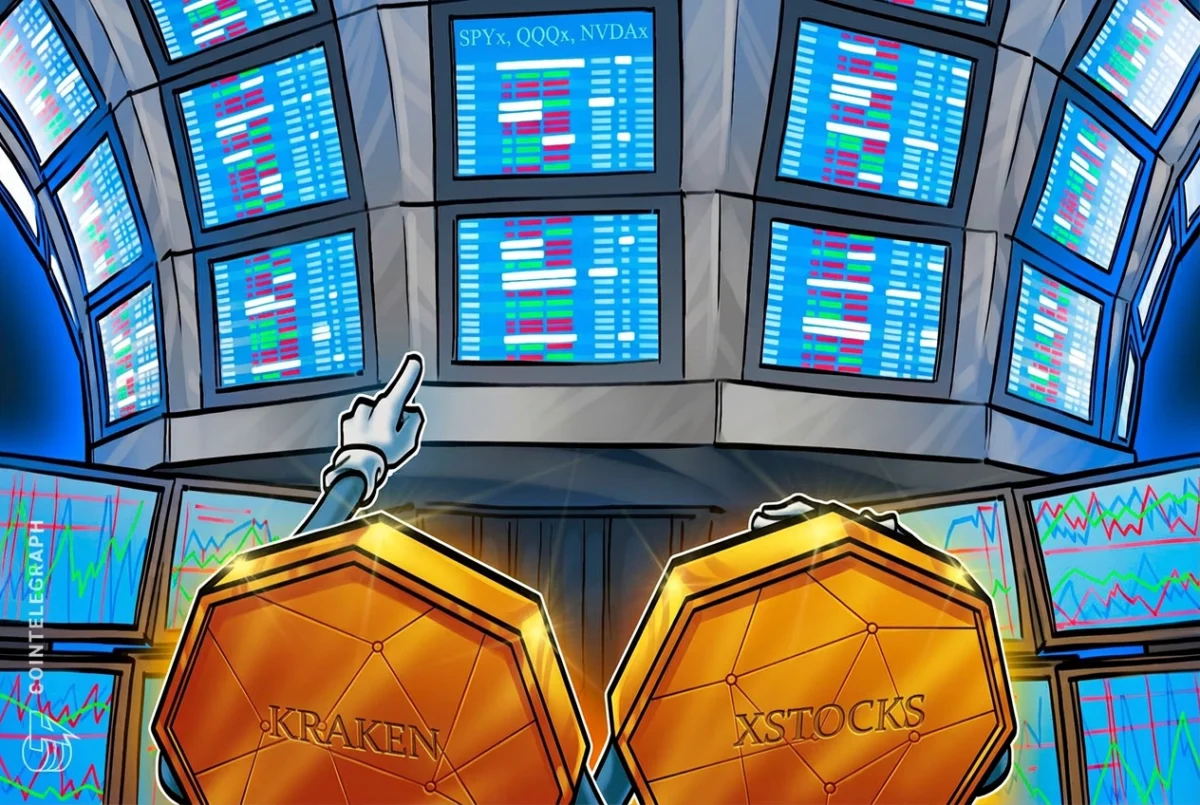
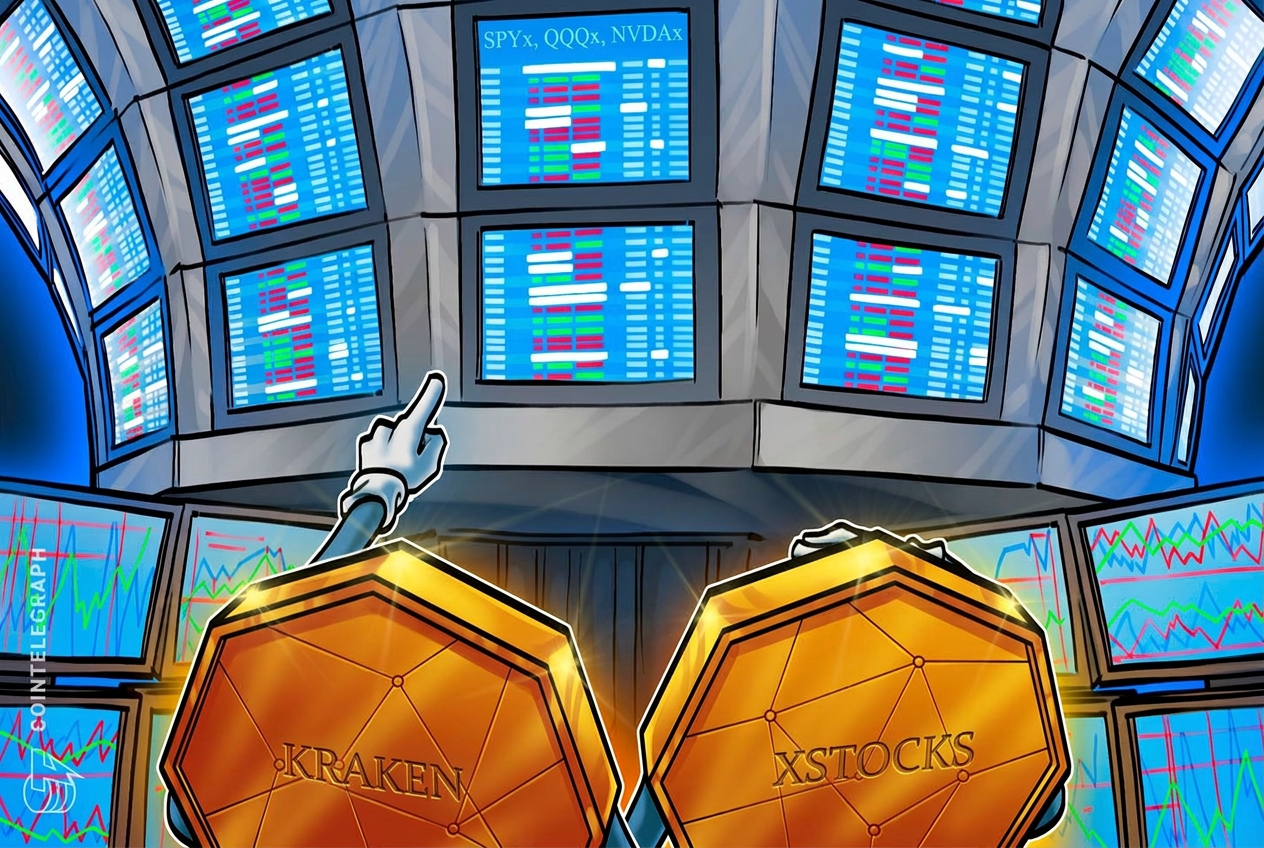
Crypto exchange Kraken announced on Monday the launch of onchain yield vaults for a selection of tokenized stocks and exchange-traded funds (ETFs), marking a significant expansion of its decentralized finance (DeFi) offerings. This new service allows eligible clients to generate returns by lending these tokenized assets through established decentralized finance protocols, bridging the gap between traditional financial instruments and the burgeoning world of blockchain-based yield generation. The move underscores a growing trend within the digital asset ecosystem to enhance the utility of real-world assets (RWAs) through tokenization and integration with DeFi mechanisms.
The newly introduced xStocks vaults initially support tokenized versions of highly popular traditional financial products: the SPDR S&P 500 ETF (SPYx), the Invesco QQQ ETF (QQQx), and shares of technology giant Nvidia (NVDAx). These tokenized assets represent fractional ownership or exposure to their underlying traditional counterparts, offering investors the benefits of blockchain technology, such as 24/7 trading, enhanced transparency, and potential for fractional ownership. The yield generated for participants in these vaults is derived directly from lending these digital assets through various onchain markets, with returns paid out in the same xStocks that were deposited. Clients can expect withdrawal requests to be processed within a three-day timeframe, balancing the liquidity needs of participants with the operational requirements of the underlying DeFi lending protocols.
Technological Foundation and Strategic Partnerships
The infrastructure underpinning these novel xStocks vaults is built upon the same robust framework that powers Kraken’s existing DeFi Earn program. Launched in January, Kraken DeFi Earn has rapidly gained traction, accumulating more than $800 million in deposits across various digital assets, according to company statements. This proven platform provides a reliable and scalable foundation for the new tokenized stock offerings, leveraging Kraken’s experience in managing digital asset operations and interacting with decentralized protocols. The success of DeFi Earn highlighted a clear demand among Kraken’s client base for yield-generating opportunities within the DeFi landscape, paving the way for the expansion into tokenized securities.
A crucial element of the xStocks vaults’ operation is the collaboration with specialized third-party entities. The vaults themselves are powered by Veda, a platform that facilitates the technical execution and management of the onchain lending processes. Complementing Veda’s infrastructure, Sentora is responsible for designing and actively managing the sophisticated lending strategies employed to generate yield. Sentora’s role involves navigating the dynamic and often complex DeFi markets, identifying optimal lending opportunities, and ensuring adherence to predefined risk parameters. This includes meticulously monitoring crucial factors such as collateralization levels, market liquidity, and the reliability of oracle conditions – data feeds that provide external information to smart contracts – to safeguard assets and optimize returns.
The actual lending of these tokenized assets takes place across various decentralized finance markets. A prominent example cited is Kamino, a leading lending protocol operating on the Solana blockchain. Solana, known for its high transaction throughput and low fees, offers an efficient environment for DeFi activities, making it an attractive choice for platforms like Sentora to deploy lending strategies. By engaging with established and audited DeFi protocols, Kraken aims to provide a secure yet yield-bearing avenue for its clients’ tokenized stock holdings, while also contributing to the liquidity and robustness of the broader DeFi ecosystem.
Geographic Availability and Regulatory Considerations
The launch of Kraken’s xStocks vaults is strategically targeted towards eligible clients residing in the European Economic Area (EEA) and other select global markets. This regional focus reflects the varying regulatory landscapes governing digital assets and tokenized securities worldwide. Notably, the service is explicitly excluded in several major jurisdictions, including the United States, the United Kingdom, Canada, Australia, and the United Arab Emirates. These exclusions underscore the ongoing challenges and divergent approaches regulators are taking concerning the classification and oversight of tokenized assets and DeFi activities.
In the United States, for instance, the Securities and Exchange Commission (SEC) has historically taken an assertive stance on what constitutes a security, often leading to prolonged legal battles and a cautious approach from crypto companies. Similarly, the UK’s Financial Conduct Authority (FCA), Canada’s provincial securities regulators, and Australia’s ASIC have been developing their own frameworks, which often involve stringent licensing requirements and consumer protection mandates that digital asset companies must navigate. The UAE, while progressive in many aspects of digital assets, also has its own specific regulatory nuances, particularly concerning financial instruments and investment products. Kraken’s decision to limit availability highlights its commitment to operating within established regulatory boundaries and avoiding potential compliance conflicts in jurisdictions where the legal status of tokenized securities and DeFi lending remains ambiguous or heavily restricted. This phased rollout allows Kraken to gather operational experience and potentially adapt its offerings as regulatory clarity evolves globally.
The Surging Tide of Tokenized Equities and Real-World Assets
Kraken’s entry into the tokenized stock yield space comes at a time of remarkable growth in the broader tokenized equities market. Data from RWA.xyz, a prominent analytics platform tracking real-world assets on-chain, indicates a dramatic increase in the distributed value of tokenized stocks and ETFs. This value has surged to approximately $2.84 billion, representing a near five-fold increase from roughly $540 million just one year ago. This exponential growth signals a powerful paradigm shift in how traditional financial assets are being perceived, managed, and utilized within the digital asset ecosystem.
The tokenization of real-world assets, including stocks, bonds, real estate, and commodities, is driven by several compelling advantages. Blockchain technology enables fractional ownership, making high-value assets accessible to a broader range of investors with smaller capital outlays. It facilitates 24/7 trading, eliminating traditional market hours and enhancing liquidity. Furthermore, tokenization can reduce intermediation costs, streamline settlement processes, and introduce unprecedented levels of transparency through immutable on-chain records. For institutional players, tokenized assets offer a pathway to integrate existing portfolios with the efficiency and programmability of blockchain networks, opening up new avenues for collateralization, lending, and sophisticated financial engineering within the DeFi landscape.
Kraken’s Strategic Imperative and Market Implications
Kraken’s launch of xStocks vaults is a strategic move that solidifies its position as an innovator at the intersection of traditional finance and decentralized technology. By offering yield on tokenized versions of popular equities, Kraken not only diversifies its product suite but also caters to a growing segment of investors seeking to leverage their traditional asset exposure within the high-yield environment of DeFi. This initiative positions Kraken as a key player in the evolving RWA sector, a domain widely anticipated to drive the next wave of institutional adoption in blockchain.
Industry analysts suggest that this move could serve as a blueprint for other major exchanges looking to expand beyond spot trading and into more sophisticated, yield-generating products. "Kraken’s xStocks vaults represent a crucial step in legitimizing and broadening the appeal of tokenized securities," commented a blockchain research analyst, who preferred to remain anonymous due to company policy. "By providing a regulated and user-friendly gateway to DeFi yield for mainstream assets like SPY and QQQ, Kraken is effectively de-risking the entry point for traditional investors who might be curious about DeFi but wary of its complexities."
The partnership with specialized firms like Veda and Sentora also highlights a trend towards greater specialization and collaboration within the crypto industry. Rather than building every component in-house, exchanges are increasingly leveraging the expertise of dedicated DeFi strategists and infrastructure providers to ensure robust risk management and optimized performance. This collaborative model is essential for navigating the intricacies of DeFi protocols, managing smart contract risks, and adapting to rapidly changing market conditions.
Risks and Investor Considerations
While the prospect of earning yield on tokenized stocks is attractive, investors must remain cognizant of the inherent risks associated with both tokenized assets and decentralized finance. These risks include, but are not limited to:
- Smart Contract Risk: The underlying DeFi protocols and vault smart contracts could contain vulnerabilities or bugs that could lead to loss of funds. While audits are standard practice, they do not eliminate all risks.
- Market Risk: The value of the underlying tokenized stocks (SPYx, QQQx, NVDAx) is subject to the volatility of their traditional market counterparts. A downturn in the stock market would directly impact the value of these assets, regardless of the yield generated.
- Liquidity Risk: While Kraken aims for timely withdrawals, extreme market conditions or issues with the underlying lending protocols could potentially delay access to funds.
- Counterparty Risk: While the system is designed to be decentralized, there are still parties involved (Veda, Sentora, Kamino) whose operational integrity and security practices are critical.
- Regulatory Risk: The regulatory landscape for tokenized securities and DeFi is still evolving. Future regulations could impact the legality, accessibility, or operational model of these vaults, potentially affecting investor returns or access to assets.
- Oracle Risk: The reliance on external data feeds (oracles) for pricing and collateral monitoring introduces a potential point of failure if an oracle is compromised or provides inaccurate data.
Kraken typically provides disclaimers and educational resources to help clients understand these risks. Responsible participation in these vaults requires a thorough understanding of the underlying mechanisms and a clear assessment of one’s risk tolerance.
The Future Outlook: Convergence of TradFi and DeFi
Kraken’s xStocks vaults represent a tangible manifestation of the growing convergence between traditional finance and the decentralized digital asset ecosystem. By offering a regulated and accessible pathway for investors to earn yield on tokenized versions of established equities, Kraken is not just launching a new product; it is actively contributing to the maturation of the RWA sector and the broader integration of blockchain technology into mainstream financial services. This initiative, following the success of its broader DeFi Earn program, positions Kraken as a forward-thinking exchange committed to exploring the full potential of decentralized finance while maintaining a strong emphasis on regulatory compliance and client security. As the digital asset space continues to evolve, innovations like the xStocks vaults are likely to play an increasingly vital role in shaping how investors interact with and derive value from both traditional and blockchain-native assets. The journey towards a fully integrated global financial system, leveraging the best of both centralized and decentralized paradigms, is well underway, with Kraken at the forefront of this transformative wave.