admin
admin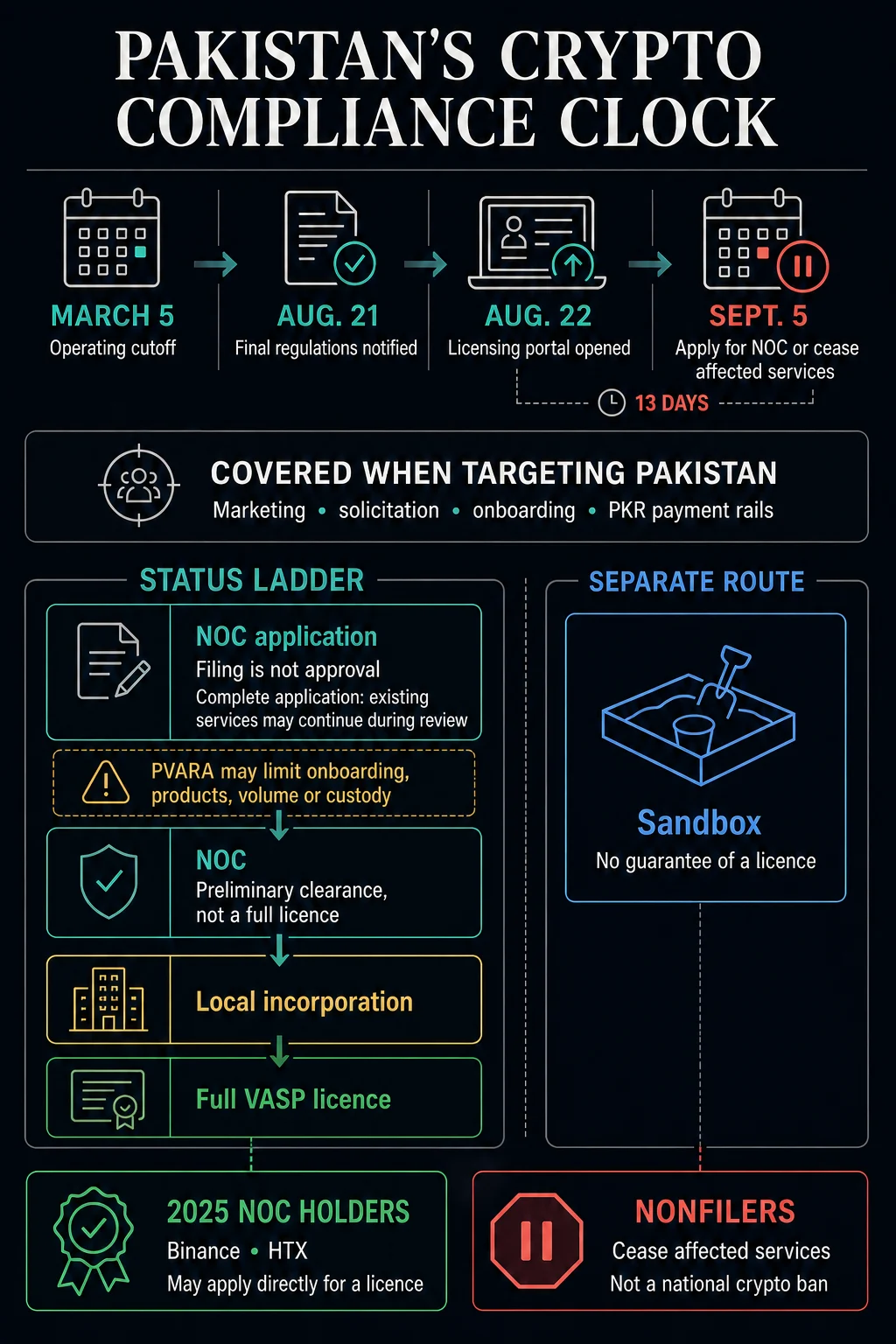
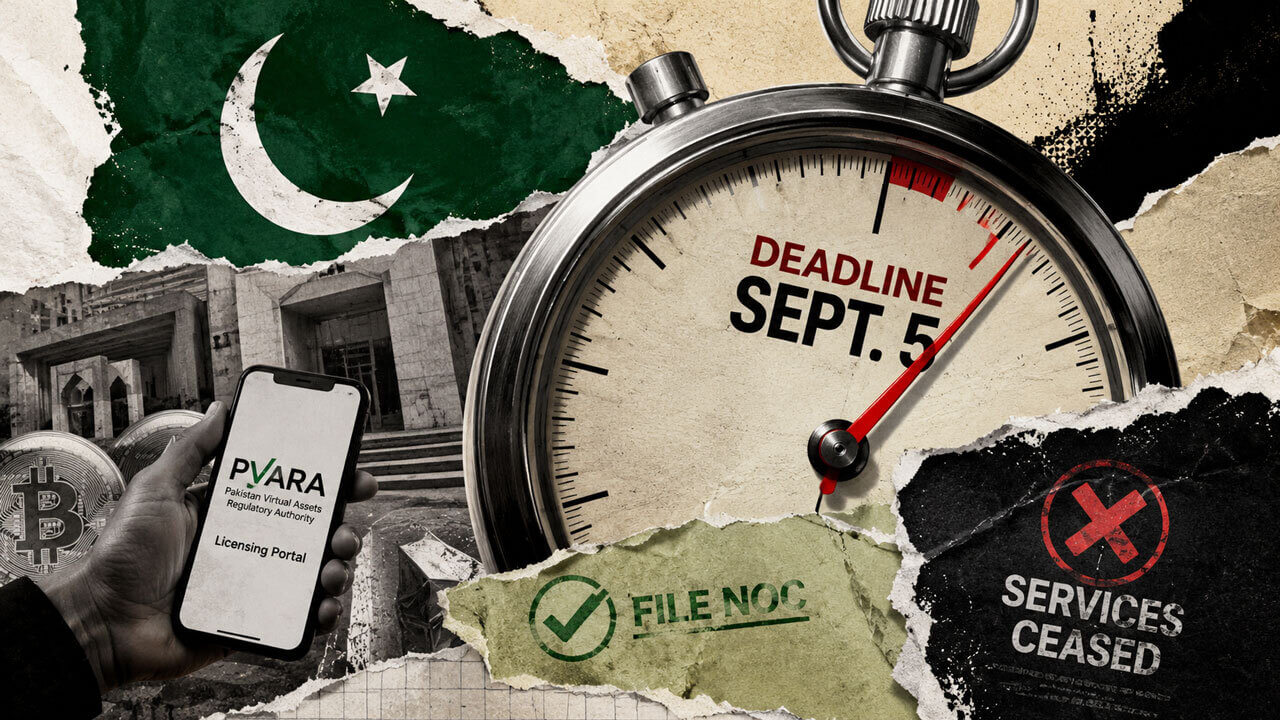
Pakistan has issued a definitive directive to all cryptocurrency platforms operating within its borders, establishing September 5 as the critical deadline for them to either enter the nation’s newly established licensing regime or cease all services to Pakistani users. This decisive move signals a significant shift for Pakistan, transitioning from a period of broad cryptocurrency policy development to the implementation of formal, stringent regulatory oversight for the virtual asset sector. The Pakistan Virtual Assets Regulatory Authority (PVARA), the newly formed body tasked with governing this space, officially opened its licensing portal on August 22, a day after releasing the final virtual-asset service regulations. This action marks a pivotal moment, aiming to integrate virtual assets into the formal economy, enhance consumer protection, and lay the groundwork for future financial infrastructure innovation.
A New Regulatory Dawn for Virtual Assets in Pakistan
The introduction of formal regulations and a licensing framework by PVARA signifies a departure from the previous landscape where virtual asset operations often existed without a clear legal or supervisory pathway. Bilal Bin Saqib, Chairman of PVARA, articulated the significance of this transition, stating, "This market [previously] existed without a clear regulatory pathway. Today, that changes. We now have the rules, the regulator and the licensing framework to bring virtual assets into the formal economy, protect consumers and build the foundation for the next generation of financial infrastructure. Today we built the rules. Now we build the opportunity.” This sentiment underscores the dual objective of fostering innovation while ensuring a secure and compliant operating environment.
The September 5 deadline is particularly pertinent for existing providers – those platforms and services that were actively serving the Pakistani market prior to the enactment of the Virtual Assets Act on March 5. These entities are now mandated to submit an application for a No-Objection Certificate (NOC). This NOC serves as an initial regulatory clearance, paving the way for these companies to progress towards obtaining a full virtual asset service provider license.
Navigating the Compliance Pathway: NOC to Full Licensing
For existing providers who submit a complete and timely application for an NOC, the regulatory framework allows them to continue offering their current services while PVARA undertakes a thorough review of their submission. However, this continuity is not unconditional. The regulator retains the authority to impose interim measures, which could include restrictions on onboarding new users, limitations on specific products or services, caps on transaction volumes, or adjustments to custody arrangements. This allows PVARA to manage potential risks during the evaluation period.
Conversely, any firm that fails to submit an application by the September 5 deadline will be required to immediately cease all relevant services to Pakistani users. PVARA has explicitly stated that continued operation without a pending application after the deadline will be considered a violation of the new regulations and will be treated as an offense. This strict enforcement mechanism is designed to ensure widespread compliance and prevent entities from operating in a regulatory vacuum.
Defining the Scope: Who Falls Under PVARA’s Jurisdiction?
It is crucial to understand that these new rules do not constitute a blanket ban on cryptocurrencies or related activities in Pakistan. Instead, they establish a clear "comply-or-exit" mandate for exchanges, custodians, and other virtual asset businesses that have been actively targeting or serving Pakistani customers.
PVARA has defined a provider as being within its scope of jurisdiction if it engages in any of the following activities:
- Marketing or Soliciting Customers: Actively promoting services or seeking customers within Pakistan.
- Onboarding Users: Registering or accepting users who are residents of Pakistan.
- Supporting Pakistani Rupee Payment Rails: Facilitating transactions involving the Pakistani Rupee (PKR) through local payment infrastructure.
The regulations also clarify that merely having a website or mobile application accessible within Pakistan is not sufficient grounds for regulatory inclusion. Companies can continue to operate if their digital presence is accessible but they can demonstrate that they are not specifically targeting Pakistani customers and are taking reasonable and verifiable steps to prevent onboarding individuals from Pakistan. This distinction aims to allow global platforms to operate without inadvertently falling under Pakistani jurisdiction if they maintain a strictly non-Pakistani customer focus.
A Visualizing the Timeline: Key Dates and Milestones
The implementation of Pakistan’s virtual asset regulations follows a structured timeline, with key dates guiding the compliance process:
- March 5, 2026: The Virtual Assets Act officially takes effect, establishing the legal foundation for regulatory oversight.
- August 21, 2026: PVARA releases the final Virtual Asset Services Regulations, providing detailed operational guidelines.
- August 22, 2026: PVARA opens its licensing portal, allowing virtual asset service providers to begin their application process.
- September 5, 2026: This is the critical deadline for all existing virtual asset service providers operating in Pakistan to submit their application for a No-Objection Certificate (NOC).
Firms that successfully obtain an NOC are then expected to proceed with further compliance requirements, which typically include local incorporation and the submission of a full license application. The path to a full license involves meeting stringent criteria related to financial stability, security protocols, anti-money laundering (AML) and know-your-customer (KYC) procedures, and consumer protection measures.
Pathways to Compliance: Existing Providers and New Entrants
The regulatory framework offers distinct pathways for different types of virtual asset service providers. For companies that were already established and operating in Pakistan prior to the new Act, the NOC process is the primary route. As mentioned, timely application for an NOC allows them to continue operations while their full license application is pending.
However, some prominent platforms have already made significant progress. Both Binance and HTX (formerly Huobi) had previously secured NOCs in December 2025. Under the current transition rules, these platforms are eligible to apply directly for full virtual asset service provider licenses without needing to undergo the preliminary NOC application phase again. This suggests a streamlined process for entities that have already demonstrated a level of compliance and engagement with Pakistani authorities.

PVARA has also introduced a separate regulatory sandbox. This initiative is designed for companies that are developing innovative virtual asset products or services and wish to test them in a controlled environment. Participation in the sandbox allows for a period of testing under regulatory supervision, but it does not automatically guarantee eventual licensing. Companies emerging from the sandbox successfully may then proceed with a full license application.
Implications for Pakistani Consumers
The immediate impact of the September 5 deadline on Pakistani consumers will largely depend on the actions taken by their chosen virtual asset platforms. For services that fail to comply and cease operations, the regulations do not prescribe a single, uniform process for the orderly shutdown of trading activities, withdrawal mechanisms, or the management of custody accounts. This could lead to varying procedures across different platforms, potentially creating confusion or challenges for users seeking to access their funds or assets.
On the other hand, licensed virtual asset service providers will be subject to strict requirements regarding customer assets. These include the mandatory segregation of client funds, ensuring these assets remain readily available for timely withdrawal, and maintaining accessible channels for customers to make claims or initiate withdrawals, even during an orderly wind-down process. This emphasis on consumer protection aims to safeguard user assets and ensure fair treatment, regardless of the platform’s operational status.
Broader Context: Pakistan’s Evolving Digital Economy Strategy
This move by Pakistan is part of a broader trend seen globally, where nations are grappling with the rapid evolution of digital assets and the need for robust regulatory frameworks. Countries are increasingly recognizing the potential economic benefits of digital assets, including increased financial inclusion, new investment opportunities, and the development of innovative financial technologies. However, these opportunities come with inherent risks, such as consumer fraud, money laundering, and systemic financial instability.
Pakistan’s proactive approach, culminating in the establishment of PVARA and the introduction of licensing requirements, reflects a desire to harness the potential of virtual assets while mitigating these risks. The country has previously shown interest in leveraging blockchain technology and digital assets, including discussions around building a "Bitcoin super-team" and joining international advisory councils. The current regulatory framework appears to be a logical next step in this strategy, aiming to foster a regulated environment that can attract legitimate investment and innovation.
The establishment of PVARA and the comprehensive regulations mark a significant step towards integrating Pakistan into the global digital asset economy in a structured and secure manner. By setting clear guidelines and deadlines, Pakistan is signaling its commitment to responsible digital asset adoption, balancing the potential for economic growth with the imperative of investor protection and financial integrity. The success of this initiative will likely be measured by the extent of compliant participation from existing and new virtual asset service providers, and the overall impact on consumer confidence and the development of Pakistan’s digital finance landscape. The coming months will be critical in observing how the industry responds to these new directives and how PVARA navigates the complexities of regulating this rapidly evolving sector.