admin
admin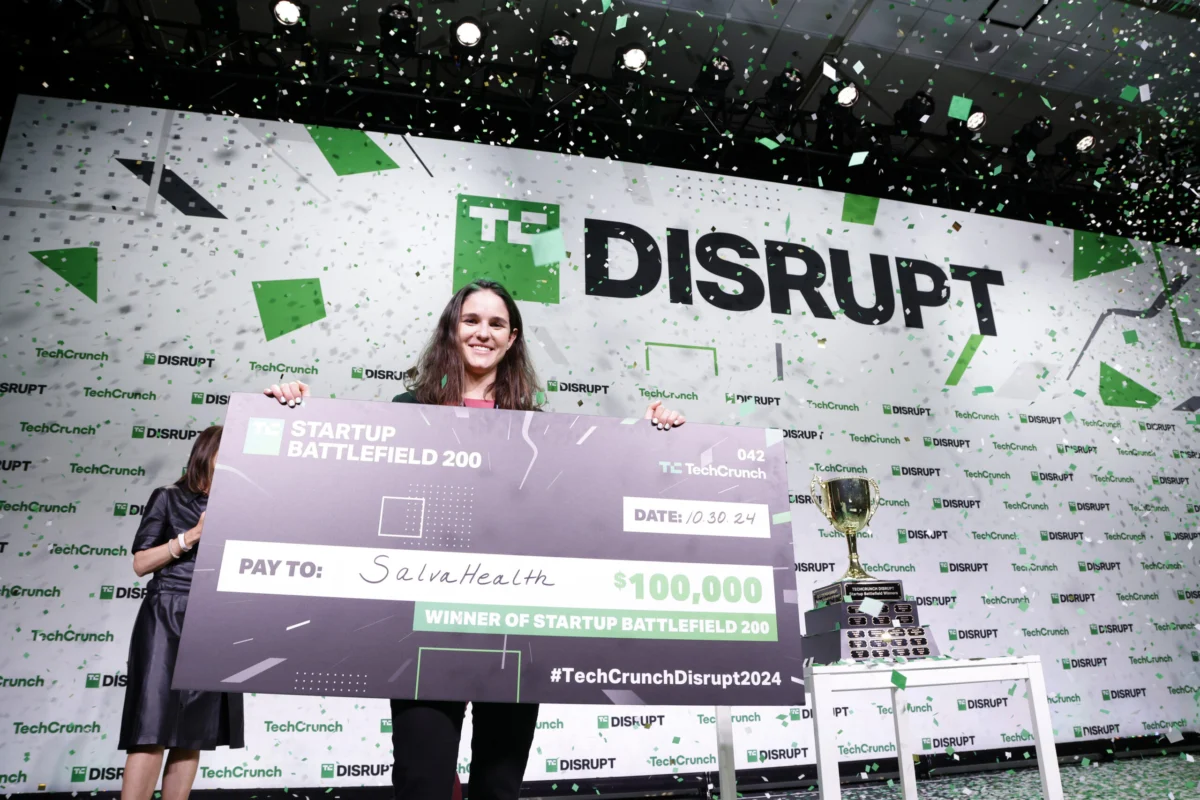
The application window for the TechCrunch Startup Battlefield 200 is set to officially close today, marking the final opportunity for early-stage entrepreneurs to secure a position in one of the technology industry’s most prestigious competitive cohorts. Founders and nominators have until 11:59 p.m. PT to submit their documentation to be considered for the 2026 cycle. This deadline represents the culmination of a global search for the next generation of category-defining companies, offering selected participants the chance to compete for $100,000 in equity-free funding, gain unparalleled exposure to the venture capital community, and launch their products on the TechCrunch Disrupt stage.
The Startup Battlefield 200 is a curated group of 200 startups selected from a pool of thousands of applicants worldwide. These companies are invited to exhibit at TechCrunch Disrupt, an annual conference that serves as a focal point for the international startup ecosystem. For the upcoming event, the selected startups will descend upon the Moscone Center in San Francisco, California, to engage with over 10,000 attendees, including top-tier investors, corporate strategists, and global media outlets.
The Strategic Importance of the Startup Battlefield Platform
Since its inception, Startup Battlefield has functioned as a primary springboard for high-growth technology companies. The competition is designed to identify startups that possess not only innovative technology but also the potential for massive scale and industry disruption. Unlike traditional pitch competitions that may focus solely on financial metrics or polished presentations, the Startup Battlefield 200 emphasizes the underlying value proposition and the technical viability of the product.

The selection process is rigorous. TechCrunch’s editorial team and expert judges review applications across a broad spectrum of industries, including artificial intelligence, SaaS, fintech, hardware, and sustainability. The primary criteria for selection include a functional prototype, a clear path to market, and a founding team capable of executing a complex vision. While the competition is largely geared toward pre-Series A startups, select Series A companies that demonstrate significant innovation are occasionally admitted.
For the 2026 cohort, the stakes remain high. In addition to the $100,000 grand prize, the equity-free nature of the funding is particularly significant in the current macroeconomic climate. As venture capital remains more selective and interest rates influence the cost of capital, non-dilutive funding allows founders to accelerate development without sacrificing ownership stakes.
A Legacy of Market Impact and Financial Success
The historical performance of Startup Battlefield alumni provides a compelling data set for the program’s efficacy. Since the competition began, more than 1,700 startups have participated in the various iterations of the Battlefield. Collectively, these companies have raised more than $32 billion in follow-on funding. Furthermore, the program has produced more than 250 exits, including high-profile acquisitions by industry giants such as Microsoft, Google, Salesforce, Uber, and Amazon.
Several of the most recognizable names in the modern tech landscape utilized the Startup Battlefield stage as their primary launchpad. Notable alumni include:

- Dropbox: The cloud storage pioneer demonstrated its platform to a skeptical audience at a time when local storage was the industry standard.
- Cloudflare: The web infrastructure and security giant pitched its edge computing vision long before the term became a staple of enterprise IT.
- Discord: Originally entering the competition as a gaming-focused startup named Hammer & Chisel, the company eventually pivoted to become a global communication powerhouse.
- Fitbit and Mint: Both companies revolutionized their respective sectors—wearable health technology and personal finance—following their debuts on the Disrupt stage.
This track record underscores the "halo effect" that participation in the Battlefield 200 provides. Even startups that do not win the final $100,000 prize often see a substantial uptick in investor interest and media inquiries following the event.
Chronology of the Selection and Competition Process
The closing of the application window tonight triggers a multi-stage review and preparation process that spans several months. The timeline for the 2026 cycle follows a structured path toward the main event at TechCrunch Disrupt:
- Application Review (Immediate Post-Deadline): TechCrunch editors and guest judges begin the exhaustive process of vetting thousands of applications. This involves reviewing technical specifications, market analysis, and founder backgrounds.
- Cohort Selection and Notification: The 200 startups selected for the Battlefield 200 are notified. This group represents the top tier of applicants who will receive free exhibition space at the event.
- Training and Mentorship: Selected founders receive access to pitch coaching and masterclasses designed to refine their messaging for a global audience. This phase is critical for ensuring that the startups can communicate complex technical concepts to both generalist investors and specialist media.
- Disrupt Exhibition and Pitching: During TechCrunch Disrupt, all 200 startups exhibit on the show floor. From this group, a subset is chosen to participate in the Pitch Showcase, while the top 20 finalists are selected to compete on the main Disrupt Stage.
- The Grand Finale: The final 20 startups pitch to a panel of expert judges, including managing partners from leading venture capital firms. One winner is crowned and awarded the $100,000 prize.
Supporting Data and Ecosystem Trends
The surge in applications typically seen in the final hours of the window reflects the competitive nature of the modern startup environment. According to industry analysts, the demand for visibility platforms like Startup Battlefield has increased as traditional marketing and lead-generation channels become more saturated.
Recent data suggests that startups participating in high-visibility accelerators or competitions are 3.5 times more likely to secure a seed or Series A round within 12 months compared to those that rely solely on cold outreach to investors. Furthermore, the geographical diversity of the Battlefield applicants has expanded significantly. While Silicon Valley remains a dominant hub, the Startup Battlefield 200 frequently features founders from emerging tech ecosystems in Europe, Southeast Asia, Africa, and Latin America.

The 2026 cycle is expected to see a high concentration of applications in the field of generative AI and sustainable infrastructure. As the industry moves past the initial hype cycle of large language models, judges are reportedly looking for startups that provide "verticalized" AI solutions—tools that solve specific problems in sectors like healthcare, law, or manufacturing.
Broader Implications and Industry Analysis
The conclusion of the application window for the Startup Battlefield 200 is more than a simple deadline; it is a barometer for the health of the global innovation pipeline. The sheer volume and quality of applications provide insights into where capital and talent are migrating.
From an investment perspective, the Battlefield 200 serves as a de facto vetting mechanism. Venture capitalists often use the list of selected companies as a "watchlist" for upcoming deal flow. By the time a company reaches the Disrupt stage, it has already passed through a rigorous editorial filter, reducing the "noise" for investors looking for high-quality opportunities.
For the broader tech ecosystem, the event highlights the ongoing importance of live, high-stakes demonstrations. In an era of remote work and digital-first interactions, the physical gathering at the Moscone Center provides a rare opportunity for serendipitous networking and hands-on product interaction. This "human element" remains a vital component of the due diligence process for major institutional investors.

Final Call for Submissions
As the 11:59 p.m. PT deadline approaches, the emphasis remains on the "breakout" potential of the applicants. TechCrunch officials have reiterated that the program is not looking for the most polished corporations, but rather the most promising ideas and the most resilient founders. The criteria of being "pre-launch" or having "no revenue" are not disqualifying factors, provided the technology is sound and the market opportunity is significant.
Founders who have been nominated by peers but have not yet finalized their paperwork are encouraged to complete the process immediately. Historical data indicates that the final three hours of the application window see the highest traffic, occasionally leading to technical bottlenecks.
The successful candidates of the Startup Battlefield 200 will join an elite group of entrepreneurs who have shaped the digital economy over the last two decades. For many, tonight’s deadline represents the first step toward a transformative journey that could lead to the next $32 billion in collective funding and the next wave of industry-defining acquisitions. The window for participation remains open for only a few more hours, after which the selection committee will begin the task of determining which 200 startups will represent the future of technology in 2026.