admin
admin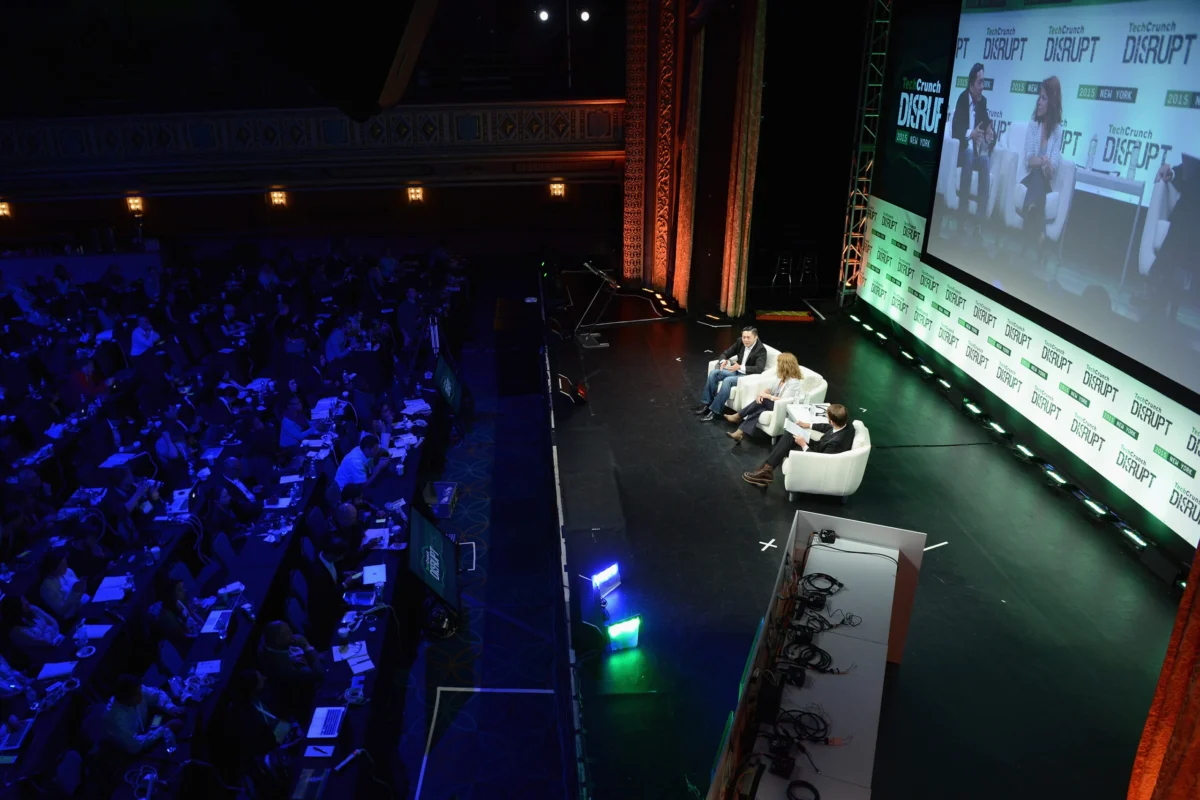
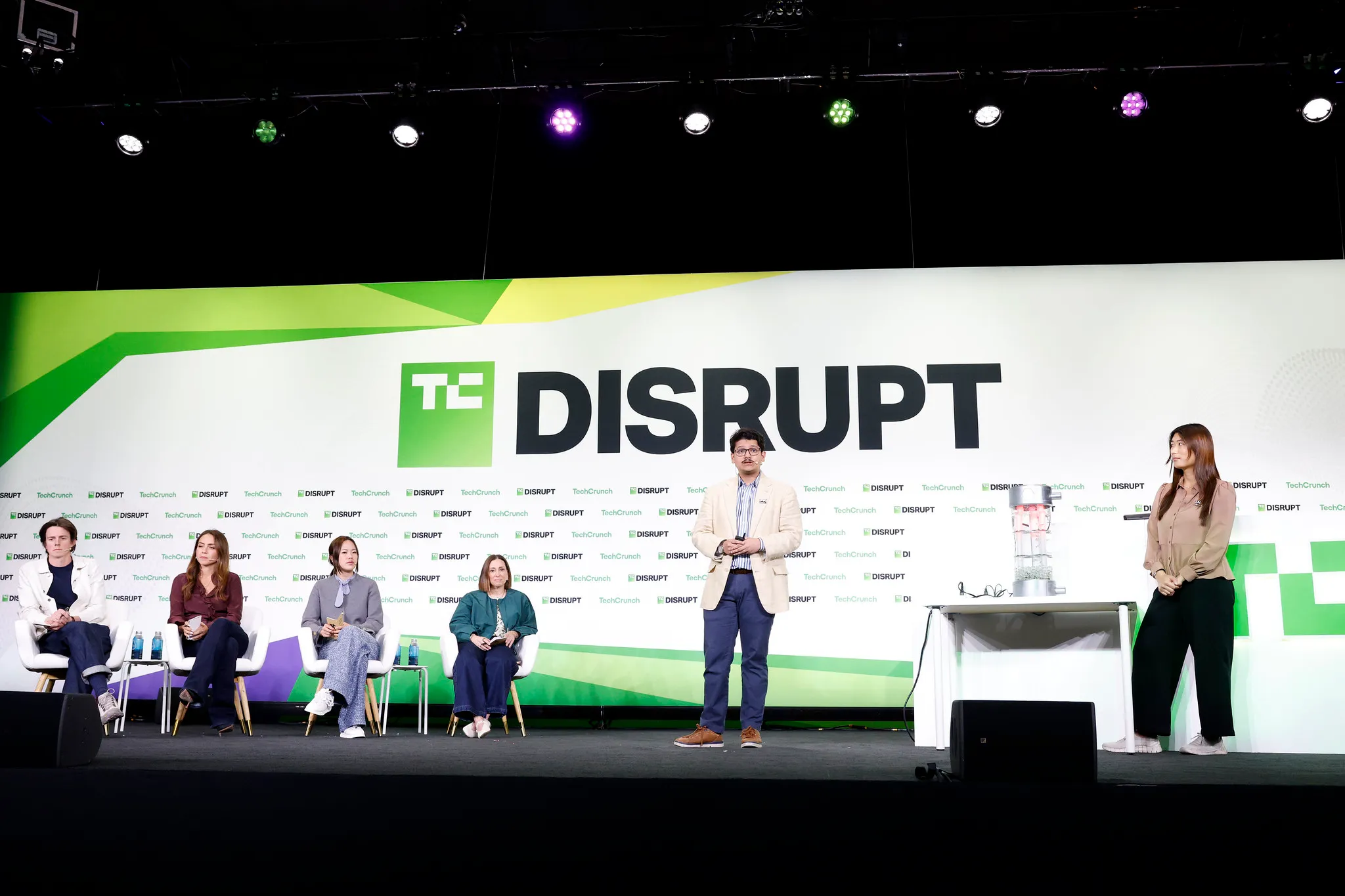
The window of opportunity for early-stage founders, venture capitalists, and technology enthusiasts to secure discounted access to one of the industry’s most influential gatherings is rapidly closing. At 11:59 p.m. PT tonight, the promotional period for TechCrunch Disrupt 2026’s "Buy-One-Get-One" (BOGO) offer will officially expire. This incentive, which provides a 50% discount on a second pass of the same ticket type, represents a potential savings of up to $410 for attendees looking to maximize their presence at the San Francisco event scheduled for October 13–15, 2026. As the deadline approaches, the tech community is preparing for a summit that has historically served as a primary catalyst for capital infusion, partnership formation, and the debut of era-defining technologies.
The Strategic Value of the Dual-Attendance Model
The decision to offer a significant discount on a second ticket is not merely a marketing tactic but a reflection of the evolving nature of tech conferences. TechCrunch Disrupt 2026 is designed as a multi-track experience where high-value sessions frequently overlap. For a single attendee, the logistical challenge of covering the Startup Battlefield, various industry-specific stages, and networking lounges simultaneously is insurmountable. By incentivizing companies to send co-founders, colleagues, or strategic partners, the organizers facilitate a "divide and conquer" strategy.
Industry analysts note that teams of two or more often derive significantly higher ROI from such events. While one founder might be engaged in a "Braindate"—a structured networking format used at Disrupt to facilitate one-on-one knowledge sharing—another can be monitoring the latest pitches in the Startup Battlefield or attending deep-dive sessions on regulatory shifts in artificial intelligence. This dual-perspective approach allows for real-time synthesis of information, enabling teams to compare notes and adjust their networking strategies mid-conference rather than waiting for a post-event debrief.

Historical Significance and the Startup Battlefield Legacy
To understand the urgency surrounding Disrupt registration, one must look at the event’s historical footprint. Since its inception, TechCrunch Disrupt has been the launching pad for some of the most recognizable names in the modern economy. The Startup Battlefield, the event’s premier pitch competition, has a track record that is statistically significant within the venture capital ecosystem.
According to historical data provided by the organizers, more than 1,000 companies have participated in the Battlefield over the years. Collectively, these alumni have raised more than $9 billion in funding and have seen over 120 successful exits through acquisitions or initial public offerings (IPOs). Notable companies that gained early traction or launched on the Disrupt stage include Dropbox, Mint, Fitbit, and Cloudflare. For the 2026 cohort, the stakes remain high, as the competition continues to offer an equity-free grand prize—traditionally $100,000—and unparalleled visibility before a panel of judges comprised of top-tier investors and industry experts.
A Comprehensive Agenda for the 2026 Tech Landscape
The 2026 iteration of Disrupt arrives at a pivotal moment for the global technology sector. As the initial "hype cycle" of generative artificial intelligence transitions into a phase of practical implementation and enterprise scaling, the conference has tailored its programming to address the most pressing challenges of the day. The agenda for the three-day summit is set to cover several core pillars:
Artificial Intelligence and Machine Learning
Beyond the basic capabilities of Large Language Models (LLMs), the 2026 sessions will focus on "Agentic AI," edge computing efficiency, and the burgeoning field of AI ethics and governance. Experts will provide playbooks on moving from pilot programs to full-scale production while managing the high costs of compute and data privacy concerns.

SaaS and the Future of Work
With the traditional seat-based subscription model under pressure, the SaaS track will explore usage-based pricing, the integration of autonomous workflows, and the next generation of collaborative tools designed for a decentralized workforce.
Fintech and Decentralized Finance
The 2026 Fintech stage will likely address the convergence of traditional banking infrastructure with blockchain-based settlement layers, the rise of "embedded finance" in non-financial applications, and the evolving regulatory landscape in both domestic and international markets.
Sustainability and Climate Tech
As global mandates for carbon neutrality tighten, Disrupt will highlight startups focused on carbon capture, circular economy logistics, and renewable energy storage. This track has seen a significant increase in investor interest over the past three years, a trend expected to culminate in high-stakes discussions in San Francisco.
Venture Capital and Fundraising Dynamics
In an era of "disciplined growth," the fundraising landscape has shifted. Disrupt 2026 will feature roundtables with General Partners from leading firms who will share insights on what constitutes a "fundable" business in 2026, focusing on unit economics, path to profitability, and defensible IP.

Networking Infrastructure: Beyond the Stage
While the keynote speeches and panel discussions provide the intellectual framework for Disrupt, the "hallway track"—the informal networking that occurs between sessions—is often where the most significant business deals are initiated. The 2026 event will utilize several specific tools to facilitate these connections:
- The Expo Hall: A massive floor space where hundreds of early-stage startups across various "pavilions" (categorized by industry) showcase their products to passing investors and potential partners.
- Braindates: A dedicated platform that allows attendees to post topics they wish to discuss or learn about, scheduling 30-minute one-on-one or small group conversations.
- The Builders Stage: A tactical environment where founders receive "how-to" advice on the operational aspects of running a company, from hiring and culture to legal compliance and technical scaling.
Chronology of the 2026 Lead-Up
The journey to TechCrunch Disrupt 2026 follows a strict timeline that dictates the cost and accessibility of the event. The expiration of the BOGO offer tonight marks the end of the most aggressive discounting phase. Following this deadline, ticket prices are expected to transition into the "Standard" and eventually "Late" registration tiers, which can see prices increase by several hundred dollars.
The application window for the Startup Battlefield 200—the curated group of 200 startups selected to exhibit for free—typically closes several months before the event, followed by a rigorous vetting process. By the time the doors open at the Moscone Center (or a similar San Francisco venue) on October 13, the ecosystem will have already undergone months of preparation.
Economic Implications for the San Francisco Tech Hub
The return of TechCrunch Disrupt to San Francisco reinforces the city’s status as the epicenter of global venture capital and technological innovation. Despite the rise of secondary tech hubs in Austin, Miami, and New York, the concentration of "technical talent" and "dry powder" (unallocated venture capital) in the Bay Area remains unparalleled.

Local economic analysts suggest that large-scale events like Disrupt contribute millions of dollars to the local service economy, but the long-term impact is found in the companies that choose to headquarter in the region following successful networking at the event. For the 2026 summit, the city’s leadership has emphasized the importance of such gatherings in revitalizing the downtown corridor and fostering a pro-innovation environment.
Final Call to Action and Registration Logistics
For those intending to participate in the 2026 summit, the immediate priority is the 11:59 p.m. PT deadline. To utilize the BOGO offer, registrants must select two passes of the same ticket type—whether they are General Admission, Founder, Investor, or Student passes. The 50% discount is applied to the second pass, effectively lowering the per-person cost to its lowest projected point for the remainder of the year.
As the countdown begins, the message from the organizers is clear: Disrupt is an environment where "conversations turn into capital." Those who wait until the standard registration period will not only pay a premium but will also miss the early-access networking opportunities that often begin in the digital community months before the physical event commences.
Registration can be completed through the official TechCrunch Disrupt website. Participants are encouraged to verify their ticket types and ensure that both passes are processed in a single transaction to trigger the promotional rate. After midnight, the transition to standard pricing will take effect automatically, marking the end of the 2026 BOGO campaign.