admin
admin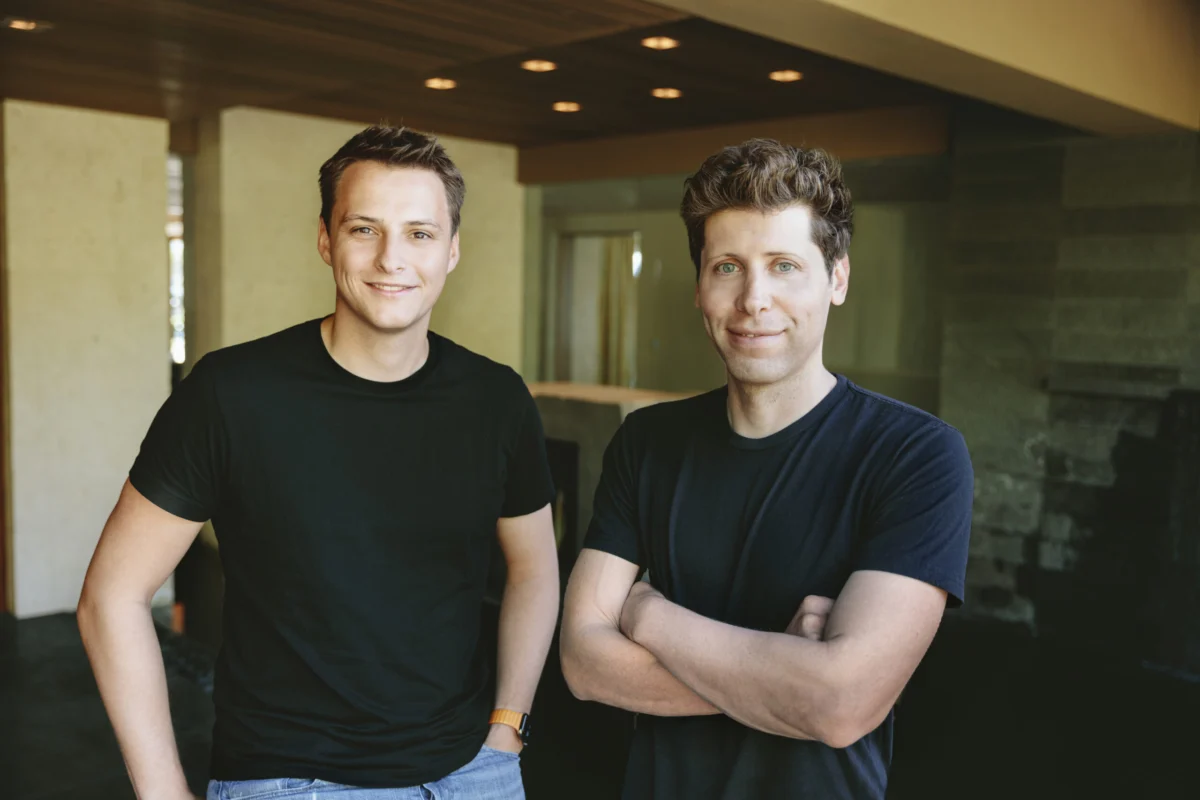
World, the digital identity and verification venture co-founded by OpenAI Chief Executive Sam Altman, has successfully raised $52.5 million through a strategic sale of its native cryptocurrency token, WLD. The capital injection, which was announced via an official company release, represents a significant milestone for the project as it attempts to scale its "proof of human" infrastructure amid a rapidly evolving artificial intelligence landscape. The sale was structured with a specific 12-month lockup period, a move designed to signal investor confidence and ensure long-term alignment with the project’s growth trajectory. By restricting the immediate trading or liquidation of the tokens, the participating venture firms have effectively committed to the project’s development over the next year, a standard practice in high-stakes digital asset investments intended to prevent market volatility.
The lead participant in the funding round was Pantera Capital, one of the most prominent venture capital firms specializing in the digital asset and blockchain sectors. Pantera was joined by a consortium of other institutional investors, including Eightco Holdings, Bain Capital Crypto, Susquehanna Crypto, and Selini Capital. This diverse group of backers underscores the institutional interest in solving the "identity problem" that has become a central theme in tech circles as generative AI makes it increasingly difficult to distinguish between human-generated content and synthetic outputs.
The Role of the World Foundation and Tools for Humanity
The proceeds from the token sale are designated for the World Foundation, a non-profit entity based in the Cayman Islands. Established as an exempted limited guarantee foundation, the World Foundation serves as the steward of the World network, overseeing the expansion of its ecosystem and managing the distribution of resources to foster global adoption. While the foundation handles the governance and decentralization aspects of the network, the project’s operational and technical development is spearheaded by Tools for Humanity (TFH).
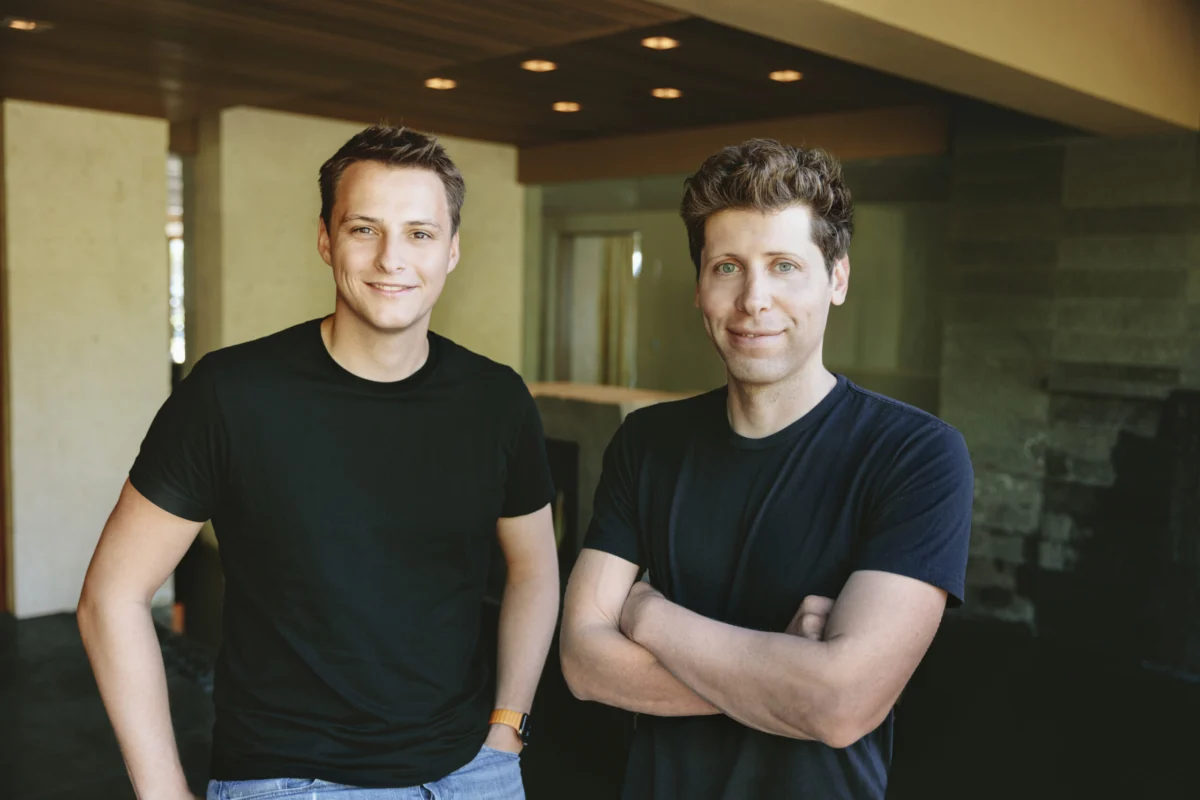
Tools for Humanity is a San Francisco-based technology startup led by CEO and co-founder Alex Blania, alongside co-founder Sam Altman. TFH is responsible for the design of the hardware and software that power the World ecosystem, including the proprietary "Orb" devices and the World App. The relationship between the World Foundation and TFH is structured to eventually transition the project toward a decentralized governance model, though TFH remains the primary driver of innovation and partnership acquisition in the current phase of the project’s lifecycle.
Technical Infrastructure: The Orb and Proof of Personhood
At the heart of the World project is a mission to create a global, privacy-preserving identity network. As AI agents become more sophisticated, the company argues that the internet requires a reliable method to verify human identity without compromising personal data. To achieve this, World utilizes a specialized hardware device known as the "Orb." The Orb is a chrome-colored, spherical biometric imaging device that scans a user’s iris to create a unique cryptographic identifier.
This process, referred to as "proof of human" or "proof of personhood," converts the intricate patterns of the human iris into a mathematical code. According to the company, the actual images of the eye are deleted by default once the code is generated, unless a user explicitly opts into data sharing for system training purposes. The resulting "World ID" acts as a digital passport that allows users to verify their humanity across various third-party applications and platforms without revealing their legal name, email address, or other sensitive personal information.
Currently, World IDs are tiered based on the level of verification. While basic accounts can be created via phone numbers, the "verified" status—which is required to access certain rewards and high-trust integrations—can only be obtained through a physical scan at an Orb location. These devices are stationed in various global hubs, including major cities in Europe, Asia, and the Americas, often hosted within partner retail spaces or dedicated World offices.
A Chronological Overview of World’s Evolution
The project has undergone several significant transformations since its inception. Originally launched under the name "Worldcoin" in 2019, the venture was initially viewed by the public as a radical experiment in Universal Basic Income (UBI) powered by cryptocurrency. The early premise involved distributing WLD tokens to every human on Earth simply for being "human," using the Orb as the mechanism to prevent duplicate claims.
By 2021, the project emerged from its stealth phase, attracting substantial venture capital interest despite brewing concerns from privacy advocates and regulatory bodies regarding the collection of biometric data. In 2023, the project officially launched its mainnet and the WLD token, seeing a surge in sign-ups across developing nations. However, this period was also marked by regulatory scrutiny in several jurisdictions, including Spain, Germany, and Kenya, where authorities raised questions about data protection and the ethics of biometric harvesting.
In late 2024, the project underwent a strategic rebranding, dropping "coin" from its name to become simply "World." This shift was interpreted by industry analysts as an attempt to distance the brand from the broader volatility and negative sentiment often associated with the cryptocurrency industry, focusing instead on the utility of "World ID" as a foundational layer for the future of the internet.
Despite its high-profile leadership and significant funding, World has faced operational headwinds. In June 2024, Tools for Humanity conducted a round of layoffs, a move that the company described as a necessary step to streamline operations and ensure long-term sustainability. The layoffs occurred even as the company continued to push for global expansion and technical upgrades to its hardware.
Strategic Partnerships and Market Integration
To increase the utility of the World ID, the company has actively pursued integrations with established digital platforms. In April 2024, World announced a series of partnerships aimed at bringing human verification to mainstream services. These integrations include:
- Tinder: Exploring ways to verify that profiles belong to real individuals to combat the rise of bot-driven scams and "catfishing."
- Zoom: Implementing verification tools to ensure that participants in high-security meetings are authenticated humans.
- DocuSign: Integrating World ID to provide an extra layer of identity assurance for digital document signing.
These partnerships are critical to World’s strategy of moving beyond a speculative digital asset and becoming a functional utility. By embedding World ID into the workflows of major software providers, the company hopes to create a "network effect" where the value of a verified identity increases as more services require it.
Financial Context and Token Performance
The $52.5 million raised in this latest token sale adds to an already substantial treasury. Prior to this round, Tools for Humanity had raised approximately $250 million in traditional equity rounds from investors including a16z crypto, Khosla Ventures, and Tiger Global. The decision to raise funds via a token sale rather than traditional equity highlights the unique capital structure of the project, where the value is distributed between the private company (TFH) and the decentralized network (governed by the Foundation and represented by the WLD token).
The WLD token itself remains a central component of the ecosystem. It serves as an incentive for users to join the network and is intended to eventually play a role in the governance of the World protocol. However, the token has experienced significant price fluctuations since its launch, reflecting the broader volatility of the crypto market and the specific regulatory challenges faced by the project. The 12-month lockup agreed upon by Pantera and other investors is a strategic move to mitigate the impact of these fluctuations on the project’s development budget.
Analysis of Implications for the AI Era
The success of this funding round suggests that institutional investors are betting on the "identity gap" created by artificial intelligence. As Large Language Models (LLMs) and video generation tools like OpenAI’s Sora become more capable, the cost of creating convincing fake personas drops to near zero. This creates a systemic risk for social media, financial services, and democratic processes.
World’s proposition—that a physical, biometric "anchor" is the only way to solve this problem—is both its greatest strength and its most controversial point. If successful, World could become the underlying identity layer for the Web3 era. However, the project must still navigate a complex web of global privacy laws and overcome public skepticism regarding biometric data collection.
The involvement of Sam Altman continues to be a double-edged sword for the project. On one hand, his leadership at OpenAI provides him with a unique vantage point on the "AI threat," lending credibility to the need for World’s tools. On the other hand, his prominence invites intense scrutiny from regulators who are wary of the concentration of power in the hands of a few Silicon Valley executives.
Future Outlook
Looking ahead, the World Foundation intends to use the new capital to enhance the manufacturing of Orbs and to expand its "Orb-as-a-service" model, where third-party businesses can host verification points. The company is also working on "World Chain," a dedicated blockchain designed to prioritize human users over automated bots, further integrating its identity solution with decentralized finance (DeFi) and social applications.
While the $52.5 million raise provides a significant runway, the ultimate success of World will depend on its ability to scale its hardware footprint and convince a global audience that the benefits of a verified digital identity outweigh the perceived risks of iris scanning. As the 12-month lockup period progresses, the tech industry will be watching closely to see if World can transform from an ambitious experiment into a standard protocol for the digital age.