admin
admin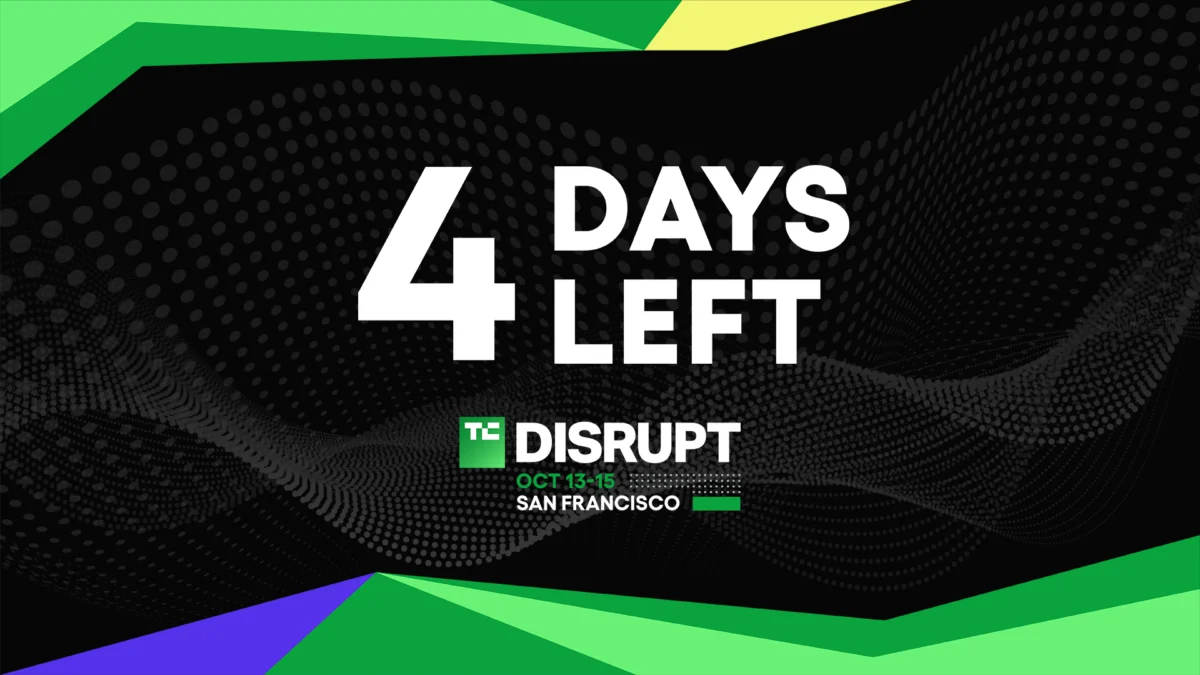
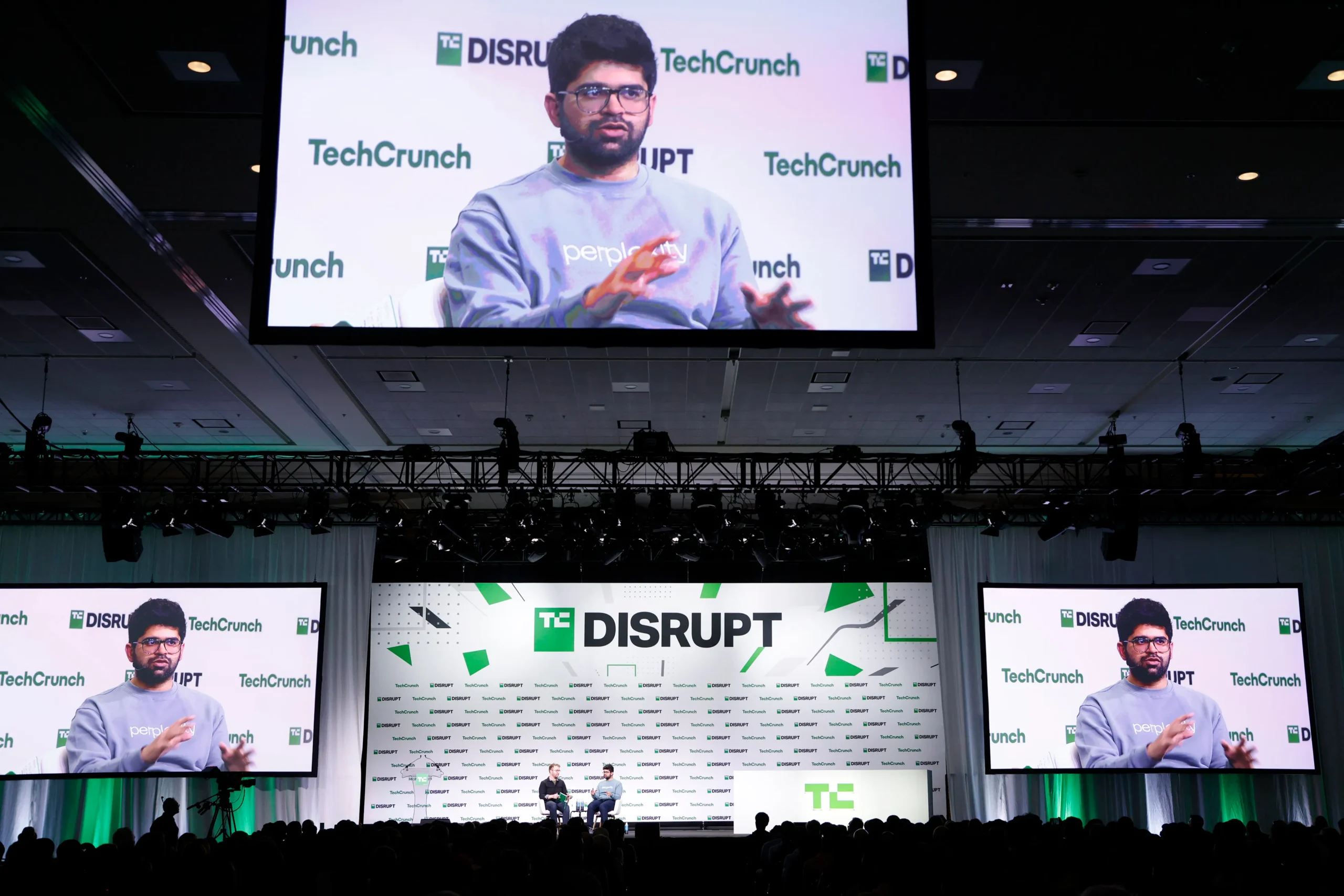
The global technology ecosystem is entering a critical four-day window as the deadline approaches for early bird registration for TechCrunch Disrupt 2026, one of the industry’s most influential gatherings for founders, investors, and early-stage operators. Scheduled to take place from October 13 to 15 at San Francisco’s Moscone West, the event represents a pivotal moment for startups seeking to transition from mere visibility to institutional credibility. Potential attendees have until May 29 at 11:59 p.m. PT to secure tickets at a discounted rate, with savings reaching as high as $410 per pass before the scheduled price increase takes effect.
The significance of the May 29 deadline extends beyond simple cost-saving measures. For the thousands of entrepreneurs currently navigating a complex venture capital environment, the conference serves as a primary venue for securing the connections necessary to fuel the next phase of corporate growth. Historically, TechCrunch Disrupt has functioned as a launchpad for some of the most recognizable names in the digital economy, and the 2026 iteration aims to continue this tradition by focusing on the practical application of emerging technologies rather than speculative hype.
Historical Context and the Evolution of Disrupt
TechCrunch Disrupt has long been regarded as a cornerstone of the Silicon Valley event calendar. Since its inception, the conference has evolved from a niche gathering of web developers into a massive international summit that attracts over 10,000 participants. The event’s hallmark, the Startup Battlefield, has seen companies like Dropbox, Fitbit, and Cloudflare make their debuts, collectively raising billions of dollars in follow-on funding.

As the tech landscape has shifted from the "move fast and break things" era toward a more disciplined focus on profitability and sustainable scaling, Disrupt has adjusted its programming to reflect these market realities. The 2026 summit is structured to address the specific challenges of the current "post-hype" cycle, where investors are increasingly scrutinizing business models and technical viability. By hosting the event at Moscone West, a venue synonymous with major industry shifts, TechCrunch positions Disrupt 2026 as a definitive barometer for the health of the global startup economy.
Strategic Programming and the Six Industry Stages
The 2026 conference is organized around six specialized stages, each designed to facilitate high-level discourse and provide actionable insights for different segments of the tech community. This modular approach allows attendees to curate an experience that aligns with their specific professional objectives, whether they are focused on hardware, financial infrastructure, or artificial intelligence.
The Builders Stage: Scaling and Execution
The Builders Stage is dedicated to the operational mechanics of running a high-growth company. Rather than focusing on abstract theories, this track features founders and chief operating officers who have successfully navigated the "trough of disillusionment" to reach scale. Topics typically include optimized fundraising strategies in high-interest-rate environments, talent retention in a remote-first world, and the transition from founder-led sales to professionalized revenue teams. For many attendees, the value of this stage lies in the acquisition of frameworks that can be immediately applied to their own operations.
The AI Stage: Beyond the Generative Hype
As artificial intelligence continues to dominate headlines, the AI Stage at Disrupt 2026 focuses on the frontier of technical development. This track is designed to distinguish between companies that are merely "wrappers" for existing large language models and those that are building proprietary, foundational technology. Investors on this stage are expected to provide clarity on what constitutes a "moat" in the AI era, while technical founders will discuss the challenges of model alignment, data privacy, and the escalating costs of compute power.

AI in the Real World: Physical Integration and Edge Computing
While software remains a primary driver of value, the AI in the Real World Stage explores the intersection of intelligence and the physical environment. This includes advancements in robotics, autonomous logistics, and biotechnology. As AI moves from data centers to the "edge," founders in this space must contend with physical constraints, regulatory hurdles, and the need for hardware-software synergy. This track is particularly relevant for those looking to understand how intelligence will reshape manufacturing and healthcare.
The Smart Money Stage: The Future of Fintech and Finance
The financial sector is currently undergoing a structural transformation, and the Smart Money Stage serves as the epicenter for discussions on fintech infrastructure. With the maturation of stablecoins and the integration of blockchain technology into traditional banking, this stage examines how money is being moved and managed in a digital-first economy. Discussions are expected to cover the regulatory landscape, the future of cross-border payments, and the evolving role of venture capital in a more cautious investment climate.
The Smart Systems Stage: Industrial Innovation and Sustainability
The Smart Systems Stage addresses the critical infrastructure that supports modern civilization, including energy grids, climate tech, and industrial automation. As global focus shifts toward sustainability and resilience, startups in this sector are finding new opportunities to rebuild aging systems. This track highlights how software-defined infrastructure can solve bottlenecks in power distribution and data center management, providing a roadmap for a more efficient industrial future.
The Disrupt Stage: The Main Narratives
The Disrupt Stage serves as the focal point for the conference’s most high-profile speakers. It is here that industry leaders, top-tier venture capitalists, and government officials discuss the overarching trends shaping the world. The goal of the Disrupt Stage is to provide a "big picture" view of the market, helping attendees understand where the industry is heading over the next three to five years.

The Role of San Francisco in the 2026 Tech Recovery
The decision to host TechCrunch Disrupt 2026 in San Francisco carries significant weight. Despite ongoing debates regarding the city’s future, San Francisco remains the unrivaled capital of venture capital and technical talent. The concentration of AI research and development in the Bay Area has led to a localized economic resurgence, often referred to as the "AI Boom."
For founders, being present in San Francisco during Disrupt is about more than just attending a conference; it is about immersing themselves in an ecosystem where the density of decision-makers is higher than anywhere else in the world. Industry analysts suggest that the "serendipity factor" of in-person meetings at events like Disrupt remains a primary driver of deal-flow. The proximity to the headquarters of major tech firms and the world’s leading VC offices creates a unique environment where a single introduction can lead to a transformative partnership.
Timeline of Key Milestones Leading to Disrupt 2026
The road to October 13 involves several critical milestones for the TechCrunch team and the participating startups.
- May 29, 2024: The final deadline for Early Bird savings. This date marks the transition from the initial planning phase to the intensive recruitment of speakers and exhibitors.
- Summer 2026: The selection process for the Startup Battlefield 200 is finalized. These 200 companies represent the top tier of applicants who will receive free exhibition space and a chance to compete for the $100,000 equity-free prize.
- September 2026: The full agenda is released, detailing over 250 sessions and roundtable discussions.
- October 13, 2026: The doors open at Moscone West for Day 1 of the summit.
Analysis: The Shift from Visibility to Credibility
In the modern startup environment, getting noticed is relatively easy due to the proliferation of social media and digital marketing channels. However, as the 2026 Disrupt theme suggests, visibility does not equal credibility. Institutional investors and enterprise partners are increasingly looking for "proof of work"—tangible evidence that a company’s technology is viable and its leadership is capable of execution.

By participating in Disrupt, companies are subjected to a form of peer and professional review. Being selected to exhibit or speak at the event serves as a third-party validation that can significantly shorten the due diligence process for potential investors. For an early-stage founder, the repetition of being seen across multiple stages and networking sessions helps build the familiarity that is a prerequisite for trust.
Anticipated Economic Impact and Industry Reaction
The influx of 10,000 tech professionals into San Francisco for three days is expected to generate significant economic activity for the city’s hospitality and service sectors. Local business leaders have expressed optimism that events of this scale reinforce San Francisco’s status as a global hub for innovation.
From an industry perspective, the reaction to the 2026 programming has been positive, particularly regarding the focus on "Smart Systems" and "AI in the Real World." Analysts note that these areas represent the next wave of value creation, moving beyond consumer apps and into the fundamental technologies that power the global economy. As the May 29 deadline approaches, the surge in registration reflects a broader industry consensus: in an era of rapid technological change, the cost of being absent from the conversation is far higher than the price of admission.