admin
admin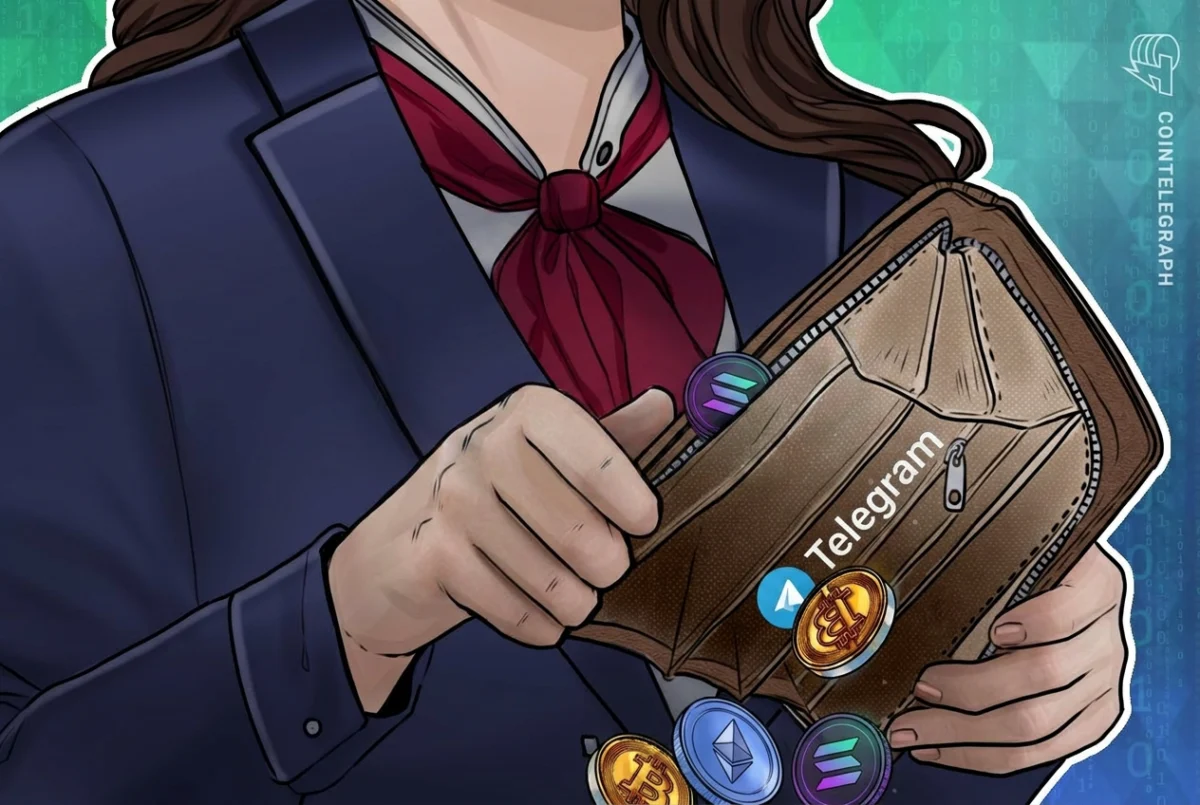
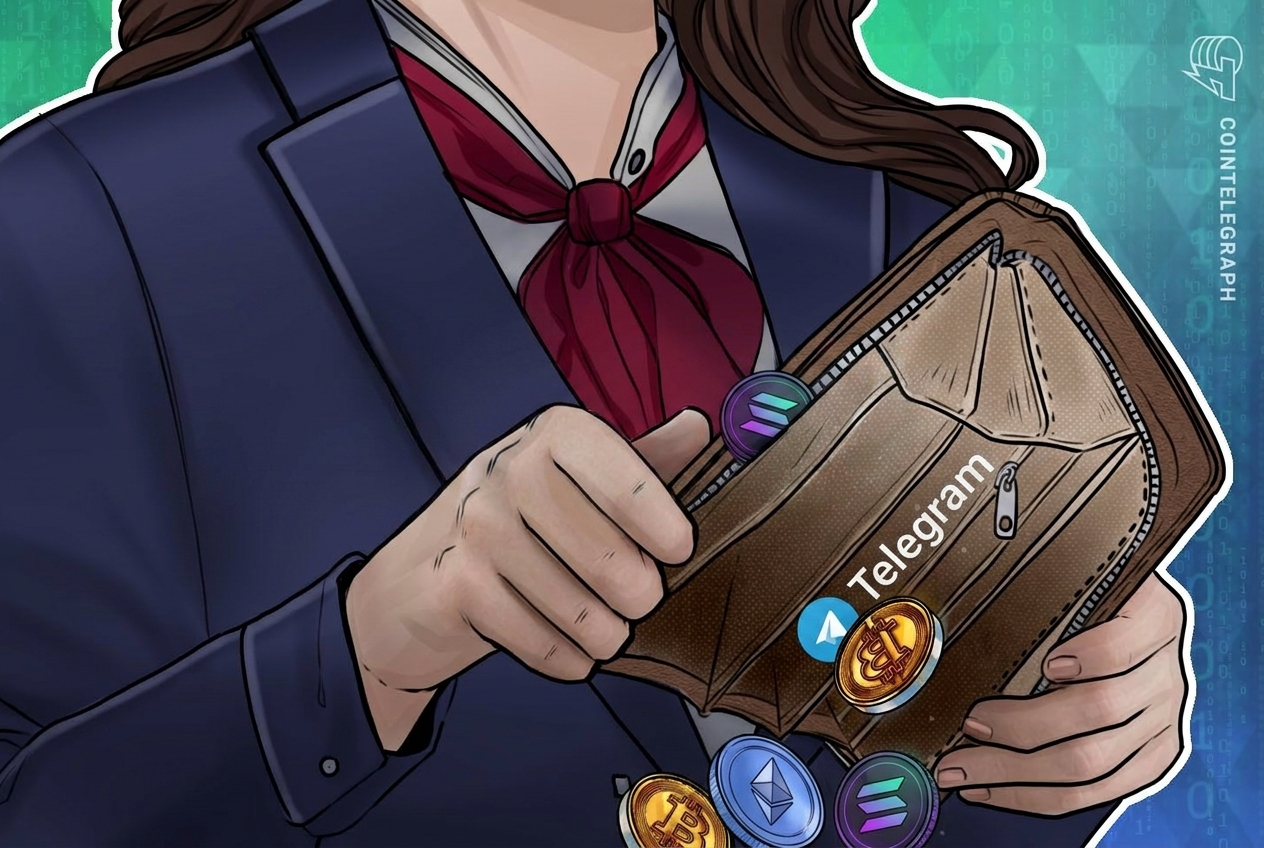
Telegram founder Pavel Durov has announced that the messaging platform is poised to introduce a native, non-custodial Gram crypto wallet this summer. This strategic move is expected to extend self-custody cryptocurrency transactions to Telegram’s expansive user base, which surpassed 1 billion monthly active users (MAU) in 2025. The integration marks a significant development in the convergence of mainstream communication platforms and decentralized finance, potentially reshaping the landscape of digital payments and crypto adoption on a global scale.
Durov, in a public statement released on Wednesday, underscored the transformative potential of the upcoming wallet. He highlighted that the integrated solution would empower users to send cryptocurrency instantly and without incurring fees, a feature designed to enhance accessibility and utility for everyday transactions. While specific technical details and a firm launch date remain under wraps, Durov boldly characterized the initiative as the "largest rollout of a non-custodial crypto wallet in human history." This assertion reflects the immense scale of Telegram’s reach, positioning the platform to become a dominant force in the self-custody crypto space. The envisioned wallet is set to offer a seamless user experience, embedding advanced blockchain functionalities directly within the familiar Telegram interface, thereby lowering the barrier to entry for millions unfamiliar with existing crypto applications.
The Vision: Democratizing Self-Custody Crypto for a Billion Users
The integration of a native Gram wallet within Telegram represents a monumental leap towards mainstream cryptocurrency adoption. With over 1 billion monthly active users, Telegram provides an unprecedented distribution channel for a non-custodial crypto solution. To put this into perspective, the global cryptocurrency user base, while growing rapidly, is estimated to be around 400-500 million individuals. The potential for even a modest percentage of Telegram’s users to adopt the Gram wallet could effectively double or triple the number of people actively engaging in self-custody crypto transactions. This mass-market exposure could fundamentally alter how individuals perceive and interact with digital assets, shifting them from a niche investment tool to a practical medium for daily exchange.
Non-custodial wallets are crucial for true decentralization and user empowerment in the crypto ecosystem. Unlike custodial solutions where a third party (like an exchange) holds the user’s private keys and, consequently, their assets, a non-custodial wallet grants the user complete control. This means users are solely responsible for managing their private keys, offering unparalleled security and autonomy over their funds. The inherent privacy and censorship resistance of non-custodial transactions align closely with Telegram’s long-standing commitment to user privacy and secure communication. By emphasizing self-custody, Telegram is not just facilitating crypto payments but also championing a core tenet of the blockchain philosophy.
A Chronology of Telegram’s Crypto Ambitions: From TON to Gram’s Resurgence
Telegram’s journey into the blockchain realm has been marked by ambition, innovation, and significant regulatory challenges. The upcoming Gram wallet rollout is not an isolated event but rather the culmination of a multi-year effort that began with the ambitious Telegram Open Network (TON) project.
- 2018: The Genesis of TON and Gram: Pavel Durov and his team unveiled the Telegram Open Network (TON) white paper. The vision was to create a decentralized internet infrastructure, complete with a powerful blockchain capable of processing millions of transactions per second, hosting decentralized applications (dApps), and enabling instant payments. The native cryptocurrency of this network was named Gram. Telegram successfully raised a staggering $1.7 billion in private sales from institutional investors, making it one of the largest initial coin offerings (ICOs) in history at the time. The project garnered immense excitement due to Telegram’s existing user base and Durov’s reputation for technological innovation.
- 2019: The SEC Intervention: Just weeks before the planned launch of the TON blockchain and the distribution of Gram tokens to investors, the U.S. Securities and Exchange Commission (SEC) filed a lawsuit against Telegram. The SEC alleged that Gram tokens were unregistered securities and that Telegram’s sale violated U.S. securities laws. This legal action brought the entire project to a standstill.
- 2020: Settlement and Abandonment: After a protracted legal battle, Telegram reached a settlement with the SEC. As part of the agreement, Telegram was required to return funds to investors and pay an $18.5 million civil penalty. Crucially, Durov announced that Telegram would cease its involvement with the TON project, effectively abandoning the blockchain it had meticulously developed. This decision was a significant blow to the crypto community and a testament to the complex regulatory environment surrounding digital assets.
- Post-2020: The Community Resurgence of TON: Despite Telegram’s official withdrawal, the spirit of TON persisted. A decentralized community of developers, many of whom had contributed to the original project or were inspired by its vision, took up the mantle. They continued the development of the TON blockchain, renaming it The Open Network (TON) to distinguish it from Telegram’s original corporate endeavor. This community-driven initiative, often facilitated by the TON Foundation, has since grown robustly, demonstrating the resilience and decentralized nature of blockchain technology.
- 2023-2024: Growing Integration with Telegram: While officially separate, Telegram has increasingly embraced and integrated aspects of The Open Network. This has included the development of the @wallet bot within Telegram, which allows users to send and receive Toncoin (the then-native cryptocurrency of TON) and other digital assets. Durov himself has voiced support for the TON ecosystem, acknowledging its community-driven progress and even suggesting Telegram could become one of TON’s largest validators.
- Weeks Prior to Announcement: The Gram Rebrand: In a significant symbolic and strategic move, The Open Network recently announced plans to rename its native token from Toncoin back to Gram. This rebrand, described by Durov as a "return to the project’s roots," not only pays homage to the original vision but also signals a renewed, albeit more indirect, alignment between Telegram and the TON ecosystem. The timing of this rebrand, just weeks before the announcement of Telegram’s native Gram wallet, underscores a carefully orchestrated strategy to unify the branding and streamline user perception.
- Summer [Year of Announcement]: Native Gram Wallet Rollout: The highly anticipated launch of Telegram’s native non-custodial Gram wallet, scheduled for this summer, marks the full circle of Telegram’s journey into blockchain. This time, however, the integration is happening with a community-led network, potentially mitigating some of the regulatory concerns that plagued the original TON project.
Broader Implications: Transforming Digital Payments and Web3 Adoption
The rollout of a native Gram wallet within Telegram carries profound implications across multiple sectors, from financial technology to the broader Web3 landscape.
- Mass Crypto Adoption and Education: The sheer scale of Telegram’s user base means that millions of individuals, many of whom have no prior exposure to cryptocurrencies, will suddenly have access to a non-custodial wallet. This offers an unparalleled opportunity for mass crypto education and adoption. The instant, fee-less transactions could make Gram a compelling alternative for remittances, micro-payments, and even daily commerce, particularly in regions with high inflation or limited access to traditional banking services. This could significantly boost the global cryptocurrency user base and accelerate the trend of digital asset integration into everyday life.
- Competition and Innovation in FinTech: The entry of Telegram with a native crypto wallet will undoubtedly intensify competition within the FinTech sector. Existing crypto wallet providers, payment processors, and even traditional banks will need to adapt to a new player with an inherent network effect. Telegram’s move could spur further innovation in user-friendly crypto interfaces, cross-border payment solutions, and the integration of blockchain technology into social platforms. The "instant and without fees" proposition could disrupt established payment rails that typically involve intermediaries and associated costs.
- Empowering the TON Ecosystem: For The Open Network (TON) and its community, this announcement is a massive validation. The integration of Gram directly into Telegram provides the TON blockchain with an enormous potential user base and transaction volume. This could significantly enhance the utility and value proposition of the Gram token, drive demand for TON-based dApps, and attract more developers and projects to the ecosystem. The symbiotic relationship could see Telegram acting as a major on-ramp for the TON network, accelerating its growth and development.
- Telegram’s Evolving Business Model: While Telegram has historically focused on privacy and free communication, the integration of a native payment system could open new avenues for monetization. While the wallet itself is described as fee-less for direct transactions, the broader TON ecosystem offers opportunities for services, integrations, and perhaps even premium features tied to the crypto wallet in the future. This move signals Telegram’s strategic intent to diversify beyond advertising and premium subscriptions, positioning itself as a comprehensive digital ecosystem.
- Regulatory Scrutiny and Compliance: Given Telegram’s past encounter with the SEC, the rollout of the Gram wallet will inevitably attract close attention from regulators worldwide. While the current iteration of TON is community-driven and distinct from Telegram’s corporate entity, the close integration and shared branding (Gram) could raise questions. Telegram will need to navigate a complex and fragmented global regulatory landscape, ensuring compliance with anti-money laundering (AML) and know-your-customer (KYC) regulations where applicable, while also upholding its commitment to user privacy. The "non-custodial" nature of the wallet might offer some legal distinctions, but the scale of the rollout will likely necessitate proactive engagement with authorities.
- Advancing Web3 Functionality: The native Gram wallet serves as a crucial gateway for broader Web3 functionality within Telegram. Beyond simple payments, it could facilitate access to decentralized applications (dApps) built on TON, enable secure digital identity solutions, and support future innovations in areas like NFTs, decentralized social media, and play-to-earn gaming, all accessible directly through the Telegram app. This positions Telegram not just as a messaging app, but as a potential super-app for the decentralized internet.
Challenges and Considerations Ahead
Despite the immense potential, the rollout of the Gram wallet is not without its challenges. User education will be paramount, as many new users will need to understand the principles of self-custody, private key management, and the irreversibility of blockchain transactions. Security will also be a continuous concern, both in terms of the wallet’s technical implementation and educating users on how to protect their assets from phishing attacks and scams. Furthermore, the global regulatory environment for cryptocurrencies remains fragmented and evolving, requiring Telegram and the TON ecosystem to remain agile and adaptable. The success of this initiative will ultimately depend on its ability to combine ease of use with robust security and clear regulatory navigation, while effectively onboarding a user base of unprecedented scale into the world of decentralized finance.
In conclusion, Telegram’s decision to roll out a native non-custodial Gram wallet represents a pivotal moment for both the messaging platform and the cryptocurrency industry. By leveraging its vast user base and embracing the community-driven TON ecosystem, Telegram is poised to significantly accelerate mainstream adoption of self-custody digital assets, potentially ushering in a new era of decentralized payments and Web3 integration accessible to billions. The coming months will reveal the true impact of what Pavel Durov has termed the "largest rollout of a non-custodial crypto wallet in human history."