admin
admin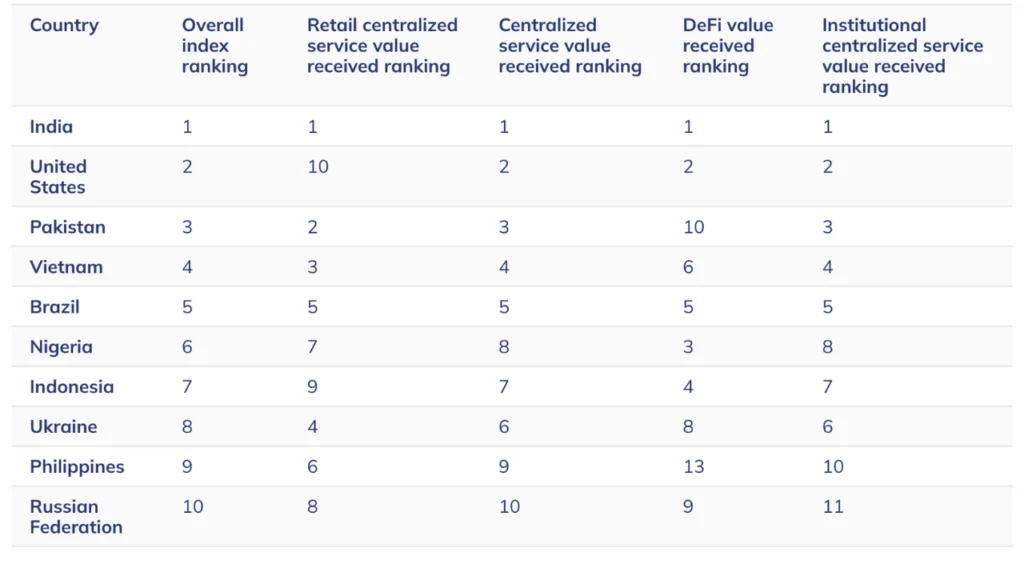
Vietnam is poised to introduce its most rigorous cryptocurrency enforcement measures to date, signaling a pivotal shift in its approach to digital asset regulation. Effective September 1, 2026, domestic investors found trading digital assets through unlicensed platforms will face substantial fines, potentially reaching up to 50 million Vietnamese dong (approximately $1,900 USD). This robust new framework is a cornerstone of the nation’s ambitious five-year pilot program, designed to cultivate a comprehensive and regulated crypto market. The detailed provisions of these penalties are encapsulated in Decree No. 284/2026/ND-CP, formally issued by the Vietnamese government on July 17. This landmark decree not only delineates administrative penalties for a range of crypto asset violations but also explicitly targets individual retail investors engaging with unauthorized crypto exchanges—a first for Vietnam.
A New Era of Enforcement: Penalties for Individual Crypto Traders
The introduction of Decree 284/2026/ND-CP marks a significant departure from Vietnam’s historically hands-off stance on individual crypto trading. For years, despite being one of the world’s most active cryptocurrency markets, Vietnamese investors largely operated in a regulatory grey area, frequently utilizing overseas exchanges without a dedicated domestic legal framework. The new framework directly addresses this by imposing fines ranging from 30 million VND to 50 million VND ($1,150–$1,900) on individuals who trade crypto assets through organizations not officially licensed by the Ministry of Finance. This move represents a clear governmental intent to steer market participants towards a regulated ecosystem, prioritizing consumer protection and financial oversight.
This strategic pivot aims to channel the considerable trading volume within Vietnam into platforms that adhere to established regulatory standards. The government’s expectation is that these new penalties will serve as a strong deterrent against unregulated activity, thereby fostering a more transparent and secure environment for digital asset transactions. Beyond general unlicensed trading, the decree also introduces even stricter sanctions for domestic investors who engage in the trading of crypto assets specifically authorized for foreign investors only. In such instances, individuals could face fines ranging from 70 million VND to 100 million VND (approximately $2,700–$3,800), underscoring the government’s resolve to control capital flows and prevent market manipulation. These escalating penalties reflect a carefully calibrated strategy to not only enforce compliance but also to manage the types of assets accessible to different investor categories, aligning with broader national economic objectives.
Holding the Industry Accountable: Stricter Sanctions for Crypto Businesses
The regulatory sweep of Decree 284 extends far beyond individual traders, casting a wide net over the entire cryptocurrency industry in Vietnam. Crypto exchanges, service providers, and token issuers are now subject to substantial penalties for failing to comply with stringent licensing, operational, and compliance requirements. This comprehensive approach underscores the government’s commitment to building a robust and responsible digital asset market from the ground up.
A critical focus of the new regulations is customer identity verification (KYC) and anti-money laundering (AML) protocols. Crypto service providers that neglect to implement proper KYC procedures when opening trading accounts can be fined between 50 million VND and 70 million VND. This measure is crucial for combating illicit financial activities and enhancing the integrity of the financial system. The failure to establish robust KYC processes has long been a vulnerability in unregulated markets, and Vietnam’s decree directly addresses this by mandating strict adherence to international best practices.
Furthermore, businesses found operating crypto services without obtaining the requisite Ministry of Finance license, or those promoting crypto-related services without proper authorization, face the highest administrative penalties under the decree. These fines range from 180 million VND to 200 million VND (around $7,700), reflecting the gravity of unauthorized operation within a nascent regulated framework. This penalty structure is designed to create a significant barrier to entry for non-compliant entities, ensuring that only legitimate and well-regulated businesses can participate in the Vietnamese crypto market.
Token issuers, too, are brought under strict compliance obligations. Companies face substantial fines of 150 million VND to 200 million VND if they: issue tokens without obtaining proper authorization; fail to register token information with regulatory bodies; neglect to provide accurate and complete disclosures to investors; or engage in market manipulation through their token issuance activities. These provisions aim to protect investors from fraudulent schemes and ensure transparency in the primary issuance market for digital assets. Moreover, the unauthorized collection, storage, transfer, exchange, sale, or disclosure of crypto trading account data carries fines of up to 200 million VND. This particular penalty highlights the government’s heightened focus on consumer protection and data security, recognizing the sensitive nature of financial data in the digital realm. The aggregate effect of these penalties is to establish a clear regulatory perimeter, pushing all market participants towards strict adherence to the new legal framework.
A Two-Tiered Enforcement: Differentiating Penalties for Individuals and Organizations

Decree 284/2026/ND-CP carefully distinguishes between the maximum administrative fines applicable to individuals and organizations, reflecting a nuanced approach to enforcement. Organizations may incur administrative fines of up to 200 million VND, acknowledging their larger scale of operations and potential for broader market impact. In contrast, the maximum penalty for individuals is capped at 100 million VND. As a general principle, individuals committing the same violations as organizations will typically face fines equivalent to half the amount imposed on businesses for comparable offenses. This proportional penalty system aims to ensure fairness while maintaining a strong deterrent effect across all levels of market participation.
Beyond monetary sanctions, the decree grants authorities a range of additional enforcement tools depending on the severity and nature of the offense. These can include the confiscation of illegal gains derived from illicit activities, the seizure of assets directly related to violations, the suspension of business operations, or even the temporary revocation of licenses. Such severe non-monetary penalties underscore the government’s commitment to not only punishing non-compliance but also to removing bad actors from the market and preventing future infractions. This multi-faceted enforcement strategy is designed to instill a strong sense of responsibility and compliance within Vietnam’s burgeoning digital asset ecosystem.
Vietnam’s Strategic Five-Year Crypto Pilot Program: The Foundation
The new enforcement measures articulated in Decree 284 are not isolated actions but are intricately woven into the fabric of Vietnam’s broader five-year crypto asset pilot program, initiated under Resolution 05/2025 in September 2025. This pilot program represents a groundbreaking effort by the Vietnamese government to establish the nation’s first comprehensive legal framework governing crypto assets. Its primary purpose is to allow regulators to closely monitor market developments, gather essential data, and assess potential risks and benefits before formulating permanent, long-term legislation. This cautious, iterative approach reflects a desire to harness the innovation potential of digital assets while mitigating inherent risks to financial stability and consumer welfare.
Under the framework of Resolution 05/2025, crypto assets are formally defined as digital assets created, issued, stored, and transferred using cryptographic or other digital technologies. This definition provides a clear legal basis for the assets under regulation. A crucial aspect of the pilot program is the mandate that all issuance, trading, and settlement activities conducted within the pilot market must be settled exclusively in Vietnamese dong. This requirement is a strategic move to reinforce the government’s oversight of capital flows, prevent currency substitution, and maintain monetary sovereignty. By controlling the settlement currency, authorities aim to reduce risks associated with foreign exchange volatility and enhance the traceability of transactions for anti-money laundering and taxation purposes. The regulations stipulated in Decree 284 and other related instruments will remain fully effective throughout the duration of this five-year pilot program, providing a stable yet adaptable regulatory environment for the industry’s formative years.
A Cautious Approach to Licensing: Shaping the Market Structure
Vietnam is deliberately adopting a highly cautious and controlled approach to the licensing of crypto exchanges, reflecting its strategic intent to manage market growth responsibly. The government has previously articulated its plan to authorize no more than five crypto exchanges during the initial phase of the pilot program. This limited number is designed to enable regulators to thoroughly assess market risks, monitor the effectiveness of regulatory measures, and ensure robust oversight before potentially expanding the market. This conservative strategy aims to prevent a proliferation of unregulated entities and to foster a stable environment for regulated innovation.
The criteria for exchange operators seeking licenses are exceptionally demanding, emphasizing financial strength and operational integrity. Applicants must meet stringent financial requirements, including a minimum charter capital of 10 trillion VND (approximately $382 million USD). This substantial capital requirement serves as a significant barrier to entry, ensuring that only well-capitalized and serious players with robust financial backing can operate in the market. The intent is to minimize the risk of insolvency and to protect investor funds. Furthermore, foreign investors are permitted to own up to 49% of licensed exchange operators, allowing for international expertise and capital while maintaining a majority domestic control over critical financial infrastructure.
While the Ministry of Finance has already accepted applications from several domestic exchange operators—including VIXEX, SCEX, CAEX, TCEX, and another Vietnamese digital asset company—it is notable that no exchange has yet received official approval. This indicates the meticulous scrutiny applied during the licensing process. Authorities have also clarified that investors will not be compelled to transfer all their existing crypto holdings onto licensed domestic platforms. Instead, users retain the option to store their assets in private wallets, but once the new framework becomes fully operational, all transactions must be executed through licensed service providers. Importantly, under Resolution 05, the mandate for trading exclusively through licensed platforms will commence only six months after the first domestic exchange is granted its operating license, providing a crucial transition period for investors to adapt and migrate their trading activities to the regulated system. This phased implementation aims to minimize disruption while ensuring a smooth transition to a compliant market.
A Major Leap Towards Comprehensive Crypto Regulation: Broader Context
Decree 284 represents a significant escalation from earlier regulatory proposals. An earlier draft circulated for public consultation had suggested considerably lighter penalties, with maximum fines of up to 30 million VND for trading on unlicensed platforms. The final version, with its increased maximum fine of 50 million VND for individuals, signals the government’s strengthened resolve and commitment to rigorous enforcement and compliance. This upward revision underscores a proactive stance in safeguarding market integrity and investor interests.

This decree is part of a broader, concerted effort by the Vietnamese government to construct a robust legal and operational framework for digital assets. It complements several other pivotal regulatory initiatives introduced earlier in the year, including comprehensive accounting and taxation guidance for crypto assets outlined under Circulars 15, 32, and 41. Together, these measures form the foundational legal bedrock for Vietnam’s rapidly evolving digital asset market. This holistic approach, covering everything from operational licensing and compliance to taxation and administrative penalties, demonstrates Vietnam’s ambition to establish a fully integrated and well-regulated crypto ecosystem.
The message to investors and businesses operating in the Vietnamese digital asset space is becoming increasingly unequivocal: the era of an unregulated crypto environment is drawing to a close. As Vietnam transitions towards a licensed and supervised ecosystem, utilizing approved exchanges will evolve from a matter of individual preference to a non-negotiable legal requirement. With the new penalties set to take effect on September 1, 2026, and the expectation of accelerated exchange licensing in the near future, all market participants—from individual traders to large crypto businesses—will need to diligently monitor regulatory developments. This proactive engagement will be crucial as Vietnam positions itself to establish one of Southeast Asia’s most structured and comprehensive digital asset frameworks, balancing innovation with stringent oversight.
Global Context and Vietnam’s Digital Ambition
Vietnam’s move towards a tightly regulated crypto market aligns with a global trend of increasing scrutiny and formalization of digital assets by governments worldwide. Nations are grappling with the dual challenges of fostering innovation in the blockchain space while mitigating risks associated with financial crime, consumer fraud, and systemic instability. Vietnam’s approach, characterized by a pilot program and stringent licensing requirements, positions it among countries taking a measured yet firm stance. Unlike some jurisdictions that have outright banned crypto or adopted a completely open approach, Vietnam is charting a middle path, seeking to control and channel the market rather than stifle it entirely.
The nation’s high crypto adoption rate, as evidenced by its ranking as 4th globally in Chainalysis’s 2025 adoption index, provides a powerful impetus for this regulatory overhaul. This high level of grassroots engagement necessitates a robust framework to protect its citizens and harness the economic potential of digital assets. The government’s objective is not merely to enforce compliance but also to cultivate a trusted environment that can attract legitimate investment, foster technological innovation, and potentially integrate digital assets into the broader financial landscape in a controlled manner. By setting high standards for market entry and operation, Vietnam aims to establish itself as a responsible leader in the digital economy, ensuring that its vibrant crypto community can thrive within a secure and legally defined ecosystem.
Implications for the Vietnamese Crypto Ecosystem
The comprehensive regulatory framework ushered in by Decree 284 and the broader pilot program will have profound implications across the Vietnamese crypto ecosystem:
- For Individual Investors: While the new rules introduce a compliance burden and the risk of fines for using unlicensed platforms, they also promise enhanced security and consumer protection on regulated exchanges. Investors may face limitations on accessing certain international or niche markets, but in return, they gain a clearer legal footing and recourse in case of disputes. The transition period is crucial for educating the large base of existing users on how to comply.
- For Crypto Businesses: The stringent licensing requirements, particularly the substantial minimum charter capital of 10 trillion VND, will create high barriers to entry, effectively consolidating the market among a few well-capitalized players. This could lead to a more stable industry but potentially less competition. Existing businesses must invest heavily in compliance, KYC/AML infrastructure, and data security. The shift will likely push many smaller, unregulated operators out of the market.
- For the Government and Financial System: The regulations will significantly enhance the government’s oversight capabilities, allowing for better monitoring of capital flows, combating illicit activities like money laundering and terrorist financing, and potentially generating tax revenues from a legalized industry. The requirement for Vietnamese dong settlement reinforces monetary policy control and reduces risks to financial stability.
- For Technological Innovation: While strict regulations can sometimes be perceived as stifling innovation, a well-defined legal framework can also provide certainty, attracting serious developers and blockchain projects. By creating a clear playing field, Vietnam aims to foster responsible innovation within its borders, potentially positioning itself as a hub for regulated digital asset development in Southeast Asia.
The Path Ahead: A Regulated Future
The enactment of Decree 284/2026/ND-CP marks a definitive turning point for Vietnam’s engagement with cryptocurrency. It moves the nation from a largely ambiguous and unregulated environment to one characterized by clear rules, significant penalties, and a strategic vision for a future digital asset market. The government’s clear message is that compliance is no longer optional but a legal imperative.
As the September 1, 2026, enforcement date approaches, and with the expectation of the first domestic exchange licenses being issued soon after, all stakeholders in Vietnam’s crypto landscape must remain highly vigilant. The coming months will be critical for adaptation, education, and strategic positioning. Vietnam is not just imposing rules; it is actively constructing a meticulously structured digital asset framework that aims to balance the vast potential of blockchain technology with robust financial stability, consumer protection, and national economic interests. This deliberate and comprehensive approach solidifies Vietnam’s position as a significant player in the global move towards a more regulated and integrated digital economy.