admin
admin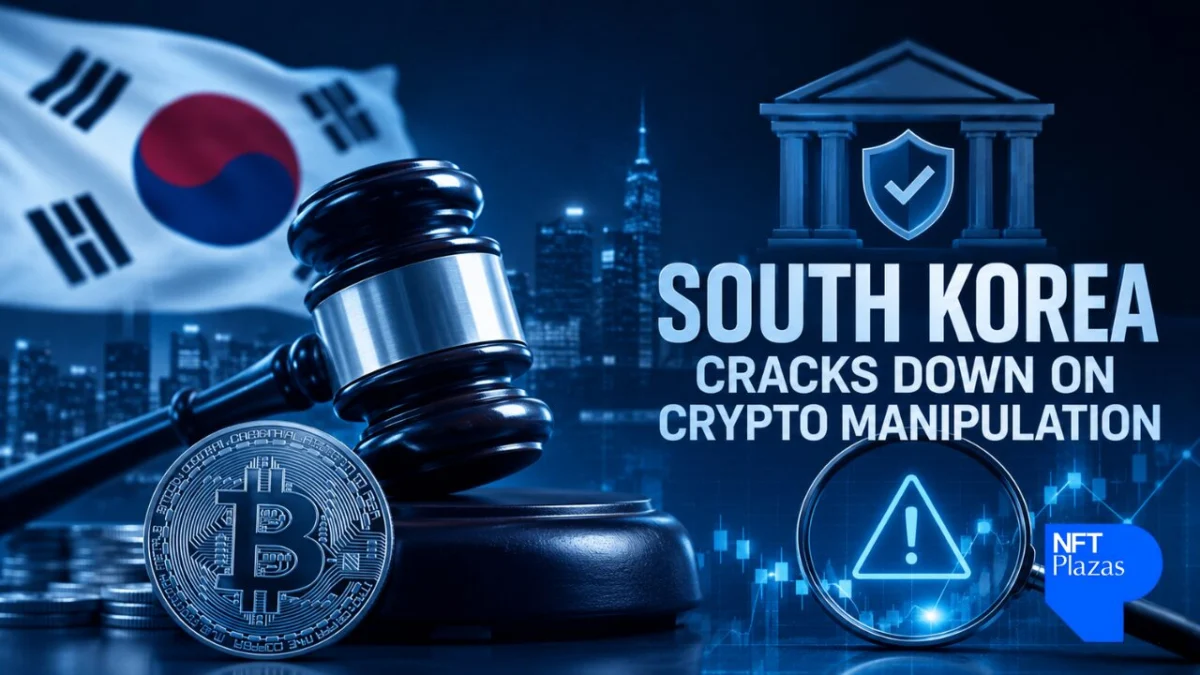
South Korea’s financial regulators have launched approximately 40 investigations into suspected crypto market manipulation since the nation’s pivotal Virtual Asset User Protection Act (VAUPA) took effect in July 2024, signaling an increasingly rigorous stance by the government in policing its burgeoning digital asset markets. This aggressive enforcement push, revealed by the Financial Services Commission (FSC) on the law’s second anniversary, underscores a concerted effort to foster a more secure and transparent environment for cryptocurrency investors.
The comprehensive figures released by the FSC highlight the tangible outcomes of the landmark legislation. Authorities have successfully referred over 30 confirmed cases to various investigative agencies for potential prosecution, demonstrating a firm commitment to legal action against offenders. These investigations have led to the identification of 25 suspects within the first two years of the law’s implementation. This robust response reflects the regulators’ overarching goal to eradicate unfair trading practices, restore investor confidence, and solidify the integrity of South Korea’s dynamic cryptocurrency market, which remains one of the most active globally. The enforcement update provides the clearest insights to date into how South Korea has operationalized one of Asia’s most sophisticated crypto regulatory frameworks, integrating specialized investigative units, advanced digital forensics, substantial financial penalties, and ambitious plans for AI-powered market surveillance.
Genesis of a Regulatory Framework: Addressing Market Volatility and Investor Protection
The enactment of the Virtual Asset User Protection Act on July 19, 2024, was not an isolated event but the culmination of years of growing concerns over the volatile and often opaque nature of the cryptocurrency market. Prior to VAUPA, South Korea, like many nations, grappled with a fragmented regulatory landscape for digital assets. While exchanges were subject to anti-money laundering (AML) requirements, comprehensive investor protection laws specifically targeting market manipulation and unfair trading practices in crypto were largely absent.
South Korea has long been a hotbed for cryptocurrency adoption, boasting a tech-savvy population and a high rate of retail participation in digital asset trading. This enthusiasm, however, came with significant risks. The market witnessed periods of extreme volatility, pump-and-dump schemes, and instances of insider trading that left numerous retail investors exposed to substantial losses. High-profile global events, such as the collapse of the Terra-Luna ecosystem in May 2022 and the subsequent bankruptcy of major crypto exchanges like FTX, sent shockwaves through the industry worldwide, further catalyzing regulatory bodies to prioritize investor protection. These incidents highlighted the urgent need for a dedicated legal framework that could effectively monitor, investigate, and penalize illicit activities within the virtual asset space.
The VAUPA was specifically designed to bridge these regulatory gaps, creating the country’s first dedicated legal framework aimed at safeguarding cryptocurrency investors and actively combating market abuse. Its provisions grant regulators unprecedented authority to investigate and prosecute a range of illegal activities, including but not limited to price manipulation, various forms of insider trading, and other unfair trading practices that distort market fairness. Crucially, the law also places stringent requirements on Virtual Asset Service Providers (VASPs), mandating them to strengthen their customer asset protection mechanisms and enhance internal compliance systems. This dual approach—empowering regulators while imposing obligations on industry participants—forms the bedrock of South Korea’s comprehensive strategy.
Two Years of Enforcement: Unpacking the Initial Impact
The second anniversary of the Virtual Asset User Protection Act serves as a critical juncture for evaluating its initial impact and the effectiveness of South Korea’s enhanced regulatory apparatus. To facilitate robust enforcement, the FSC proactively established a specialized investigation unit dedicated exclusively to virtual asset markets. This unit, staffed with experts in financial crime, digital forensics, and blockchain technology, has been instrumental in navigating the complexities of crypto-related malpractices. Alongside this, authorities have significantly expanded their digital forensic capabilities, investing in tools and expertise necessary to trace transactions across distributed ledgers and uncover hidden patterns of manipulation. The refinement of the penalty surcharge system further buttresses these efforts, ensuring that financial repercussions for illicit gains are both substantial and deterrent.
These strategic investments and legislative powers have enabled regulators to successfully complete approximately 40 investigations within the law’s initial two-year period. The swift progression of these cases underscores the efficiency and determination of the newly empowered regulatory bodies. Out of these investigations, more than 30 confirmed cases have already been referred to various investigative agencies, including the prosecution service, for criminal proceedings. This high referral rate is a clear indicator of the government’s resolute willingness to pursue serious enforcement actions, signaling to market participants that illicit activities will not be tolerated.
The nature of the investigations covers a spectrum of market manipulation tactics common in both traditional and digital finance but adapted for the crypto space. While specific case details are not publicly disclosed, common practices targeted by such legislation typically include "wash trading" (simultaneously buying and selling an asset to create a misleading impression of activity), "pump-and-dump" schemes (artificially inflating the price of an asset through misleading statements before selling off holdings), "spoofing" (placing and then quickly canceling large orders to create false impressions of supply or demand), and various forms of insider trading where individuals exploit non-public information for personal gain. The success in identifying 25 suspects across these cases within a relatively short timeframe speaks volumes about the enhanced investigative capacities now at the disposal of South Korean authorities.
Illegal Gains and Punitive Penalties: Deterring Financial Misconduct
The enforcement statistics released by the FSC vividly illustrate the significant financial incentives driving crypto market manipulation, and concurrently, the substantial penalties being levied to counteract them. According to the commission, the average illicit gain identified across the investigated cases reached approximately 1.4 billion won, equivalent to about $1 million USD at current exchange rates. This figure underscores the lucrative nature of such illegal activities and the scale of potential harm to unsuspecting investors.
Further breaking down these financial gains, the FSC reported that eight investigations uncovered illegal profits ranging from a substantial 500 million won to 5 billion won. Alarmingly, one particular case stood out, involving illicit gains that exceeded 5 billion won, highlighting the potential for large-scale financial crime within the digital asset sector. These figures not only justify the regulatory crackdown but also emphasize the necessity of robust enforcement to protect the integrity of the financial system.

In response to these substantial illicit gains, authorities have already begun imposing significant financial penalties under the new law. In two completed cases, regulators levied penalty surcharges that were exceptionally punitive, ranging from 125% to 165% of the offenders’ illicit gains. This aggressive penalty structure is designed to be more than just a fine; it aims to systematically remove the financial incentives for market abuse by ensuring that the cost of engaging in such activities far outweighs any potential profits. By making illicit gains not only recoverable but also subject to substantial additional surcharges, the FSC intends to send a clear message: market manipulation will be met with severe financial repercussions. The FSC has explicitly stated that these penalties are intended to eliminate the profitability of market abuse while simultaneously aiding in the rebuilding of trust within South Korea’s digital asset ecosystem, which is crucial for its long-term stability and growth.
The Future of Surveillance: Leveraging Artificial Intelligence
While highlighting the early successes of the Virtual Asset User Protection Act, regulators have made it clear that enforcement efforts are not static but will continue to evolve and expand. A key component of this future strategy involves the significant integration of artificial intelligence (AI) to bolster market monitoring and investigative capabilities. In a statement commemorating the VAUPA’s anniversary, the FSC unequivocally articulated its plans to increase the utilization of AI to enhance the efficiency and effectiveness of its surveillance and investigation processes.
The commission stated, "Financial authorities plan to keep strengthening efforts to stamp out unfair trading in the virtual asset market, including using AI to improve the efficiency of market surveillance and investigations." This move positions South Korea at the forefront of regulatory innovation, recognizing that traditional surveillance methods may struggle to keep pace with the rapid, complex, and often algorithm-driven nature of modern crypto markets.
AI-powered surveillance is anticipated to revolutionize how regulators detect suspicious trading patterns. By analyzing vast datasets of transaction histories, order books, and social media sentiment, AI algorithms can identify subtle anomalies and coordinated manipulation tactics far faster and more accurately than human analysts. This includes pinpointing instances of "wash trading" across multiple exchanges, detecting the coordinated actions of "pump-and-dump" groups, and identifying unusual trading volumes or price movements that might indicate illicit activity. Furthermore, AI can assist in prioritizing high-risk cases for human investigation, optimizing the allocation of limited regulatory resources and ensuring that the most impactful cases are addressed promptly. As cryptocurrency markets continue to grow in complexity and sophistication, with an increasing reliance on algorithmic trading strategies, the adoption of advanced analytics and machine learning tools by regulators worldwide is becoming an imperative for maintaining effective oversight and market integrity. South Korea’s commitment to AI integration sets a precedent for how other jurisdictions might approach the technological challenges of crypto regulation.
Expanding Regulatory Horizons: Phase Two and Beyond
South Korea’s commitment to strengthening its crypto regulatory framework extends beyond the initial implementation of the VAUPA and the integration of AI. Authorities are actively planning a second phase of crypto legislation, indicating a continuous and adaptive approach to digital asset oversight. This forthcoming legislation aims to introduce additional powers and measures designed to further fortify the country’s defenses against financial crimes in the virtual asset space.
Among the key proposals being considered are new powers to suspend financial accounts and linked bank accounts that are suspected of holding proceeds from unfair trading activities. Such measures would significantly enhance regulators’ ability to freeze and seize illegally obtained assets, making it considerably more difficult for offenders to move, conceal, or liquidate their illicit gains during investigations. This proactive approach to asset recovery and freezing is a critical tool in disrupting financial crime networks and ensuring that perpetrators do not profit from their illegal activities.
Furthermore, the government is actively reviewing the establishment of a reporting and reward system. This system would be designed to incentivize and protect whistleblowers who come forward with information regarding suspected market manipulation, insider trading, or other illegal activities within the virtual asset market. Whistleblower programs have proven highly effective in traditional finance for uncovering complex financial crimes, and their application to the crypto sector could provide regulators with invaluable intelligence from individuals with insider knowledge. By offering protection and financial rewards, the government aims to encourage greater transparency and self-policing within the industry.
These proposed measures, coupled with the expanded AI-based surveillance capabilities, are poised to significantly strengthen South Korea’s overall ability to detect, investigate, and successfully prosecute crypto-related financial crimes. They represent a clear signal that the nation is committed to building a multi-layered and dynamic regulatory framework capable of adapting to the evolving landscape of digital assets.
Building a Stronger Crypto Ecosystem: Global Implications
South Korea’s journey in regulating its virtual asset market is a testament to its determination to strike a delicate balance between fostering innovation and ensuring robust consumer protection. As one of the world’s most active cryptocurrency markets, with millions of retail investors engaged in digital asset trading, the stakes are exceptionally high. In recent years, regulators have navigated a complex terrain, seeking to harness the potential of blockchain technology and digital assets while simultaneously mitigating the risks exposed by market disruptions and high-profile crypto failures that have plagued the global industry.
The Virtual Asset User Protection Act represented a monumental leap forward in this strategic balancing act, providing authorities with a dedicated legal toolkit specifically tailored to oversee the burgeoning digital asset industry. The latest enforcement figures, marking the law’s second anniversary, powerfully demonstrate that these powers are not merely theoretical but are being extensively utilized. Dozens of investigations have been completed, a significant number of cases—over 30—have been referred for prosecution, and meaningful financial penalties have been imposed, signaling a new era of accountability.
As South Korean authorities prepare to introduce additional legislation and integrate advanced AI-driven surveillance technologies, the message is unequivocal: strict and proactive enforcement will remain a core pillar of its strategy. This comprehensive approach is designed to cultivate a safer, more transparent, and ultimately more trustworthy digital asset market. South Korea’s pioneering efforts and the demonstrable results of its regulatory framework are likely to serve as a significant case study and potential blueprint for other nations grappling with similar challenges in integrating cryptocurrencies into their financial systems. Its commitment to investor protection and market integrity positions it as a leader in the global discourse on effective cryptocurrency regulation.