admin
admin
In a pivotal development for the future of digital asset regulation in the United States, Patrick Witt, the White House’s leading crypto adviser, has announced a deferral of his mandatory military training with the Georgia Army National Guard. This decision, communicated via an X post on Monday, allows Witt to remain at his post to spearhead the advancement of the CLARITY Act through the Senate, a legislative effort deemed critical for establishing the nation’s first comprehensive regulatory framework for the burgeoning crypto market. The announcement comes at a crucial juncture, as the CLARITY Act faces an imminent "make-or-break" deadline to secure passage before the August 8 congressional recess, and coincides with the departure of Harry Jung, the Deputy Director of the President’s Council of Advisors for Digital Assets.
Witt’s continued presence in Washington underscores the administration’s intensified focus on digital asset policy and the perceived urgency of establishing a clear regulatory landscape. "Last week, it was reported that I was set to leave for mandatory training as part of my service in the Georgia Army National Guard, right before Clarity hits the Senate floor," Witt stated in his public address. He further elaborated, "While I remain committed to fulfilling my service obligation, I am grateful to report that my training has been deferred, and that I will be able to see this effort through to the end." This marks the second instance of Witt deferring his military duties to prioritize his governmental responsibilities, highlighting the protracted and complex nature of the CLARITY Act negotiations.
The CLARITY Act: A Quest for a Unified Regulatory Framework
The CLARITY Act, an acronym for "Comprehensive Legislation for Accessible Regulation and Innovation in the Digital Assets Yields Act" (though the full name is often inferred or slightly varied in reporting, its core intent remains consistent), represents a monumental legislative undertaking aimed at bringing much-needed order to the currently fragmented and often ambiguous U.S. digital asset market. For years, industry stakeholders, innovators, and consumer advocacy groups have clamored for a unified approach, criticizing the existing patchwork of regulations overseen by various agencies such as the Securities and Exchange Commission (SEC), the Commodity Futures Trading Commission (CFTC), and state financial regulators. This regulatory ambiguity has been widely cited as a deterrent to innovation, a source of investor confusion, and a potential driver of capital and talent to more crypto-friendly jurisdictions abroad.
At its core, the CLARITY Act seeks to establish clear definitions for digital assets, distinguishing between securities, commodities, and other categories, which is fundamental to determining which regulatory body has primary oversight. It is expected to introduce registration requirements for digital asset platforms, outline consumer protection measures, address market integrity concerns, and potentially offer a framework for stablecoin regulation. The imperative for such legislation has been dramatically amplified by a series of high-profile market collapses, including those of FTX, Celsius, and Terra/LUNA, which collectively resulted in billions of dollars in investor losses and exposed significant vulnerabilities in the unregulated corners of the crypto ecosystem. These events have galvanized policymakers to accelerate efforts to implement robust safeguards.
The legislative journey of the CLARITY Act has been arduous, characterized by extensive bipartisan negotiations and a balancing act between fostering technological innovation and safeguarding financial stability and consumer interests. The bill has undergone several revisions, with reports indicating the incorporation of stronger consumer protection rules, a key demand from Democratic lawmakers. Its passage through the Senate before the August 8 recess is critical, as failure to do so could significantly delay its enactment, pushing it into a potentially contentious election year legislative calendar, or even leading to its eventual demise. Such a delay would prolong market uncertainty, potentially hindering further investment and development within the U.S. digital asset sector.
Patrick Witt: The Architect of White House Crypto Policy
As the Executive Director of the President’s Council of Advisors for Digital Assets, a position he has held since August, Witt is not merely an advocate for the CLARITY Act; he is its principal architect and lead negotiator within the White House. His role involves navigating complex interagency dynamics, building consensus among diverse stakeholders, and translating the administration’s broader digital asset policy objectives into actionable legislative text. The President’s Council of Advisors for Digital Assets was established as part of the Biden administration’s broader strategy, outlined in Executive Order 14067, which called for a "whole-of-government approach" to address the responsible development of digital assets. This initiative aimed to foster innovation while mitigating financial risks, combating illicit finance, and exploring the potential for a U.S. Central Bank Digital Currency (CBDC).
Witt’s background, likely including legal expertise given his pursuit of Judge Advocate General (JAG) training, equips him with a nuanced understanding of both the intricacies of legislative drafting and the broader legal implications of digital asset regulation. His continued presence at the negotiating table is therefore invaluable, ensuring continuity, deep institutional knowledge, and consistent advocacy for the administration’s vision for the crypto market. The stakes associated with his expertise are particularly high now, as the CLARITY Act enters its final, most delicate phase in the Senate. His ability to engage with senators, distill complex technical issues, and broker compromises could be the deciding factor in the bill’s fate.
A Crucial Deferral: Balancing Service and Statecraft
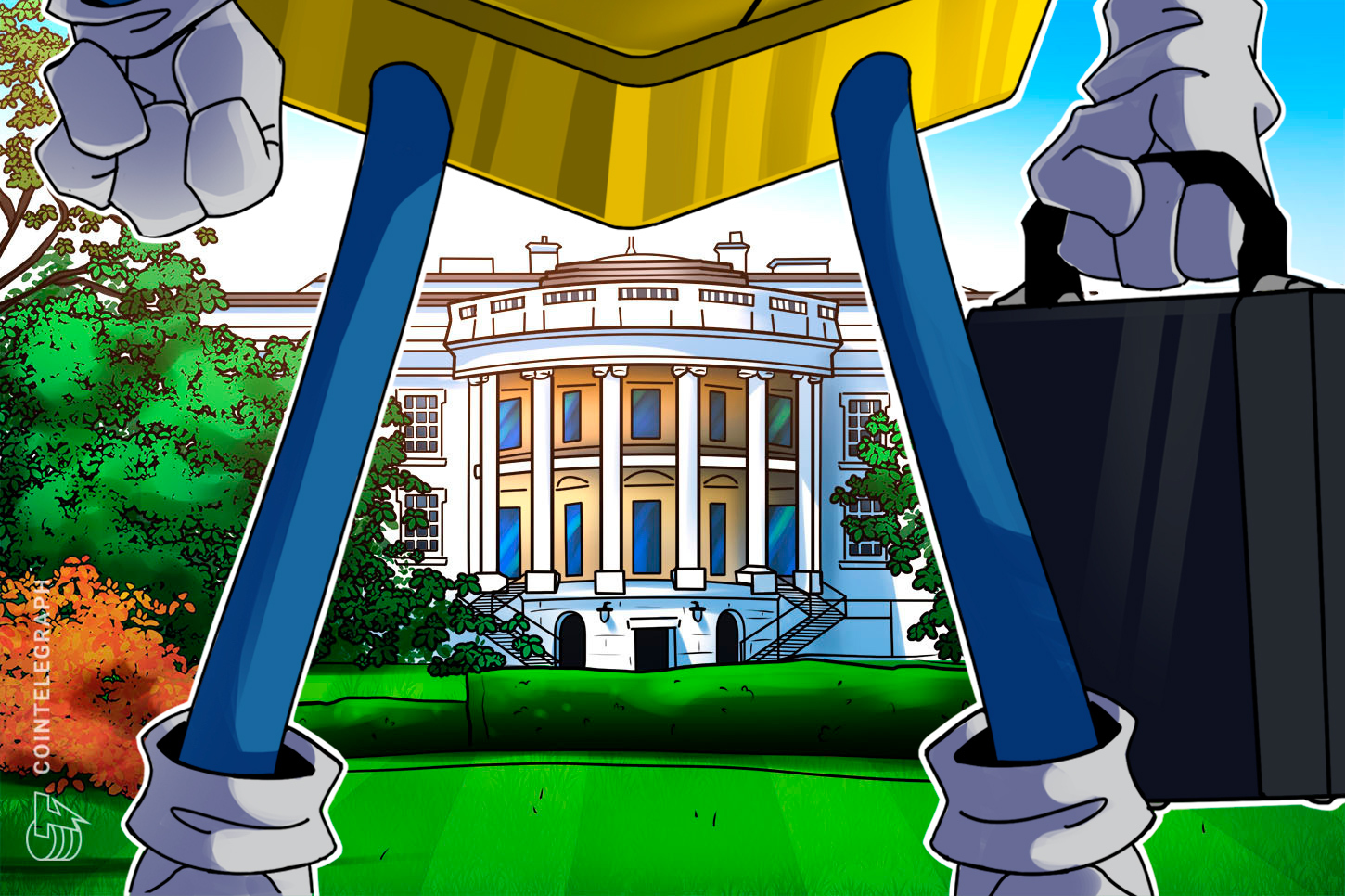
The decision to defer military training, particularly for a second time, underscores the extraordinary importance attributed to Witt’s current governmental responsibilities. Originally, Witt had been expected to report for his JAG training with the Georgia Army National Guard on July 27, an obligation that would qualify him to serve as a legal officer. However, according to a report from Crypto In America, Witt had previously deferred this mandatory training in April, specifically to remain engaged in the CLARITY Act negotiations, which had stretched on longer than initially anticipated.
Military deferrals, while not uncommon, typically require careful consideration and coordination between the service member, their civilian employer, and military authorities. They are usually granted under specific circumstances, often involving critical national interests or compelling personal hardship. In this instance, the "critical national interest" argument appears to be the driving force, with the White House and military authorities recognizing the strategic importance of Witt’s role in shaping U.S. economic and technological policy. This repeated deferral highlights Witt’s deep commitment to both his military service and his civilian duties, while simultaneously emphasizing the unique and pressing nature of the CLARITY Act. It reflects a delicate balance between individual obligations and the broader demands of statecraft during a period of significant policy development.
Transition at the Top: Harry Jung’s Departure
Adding another layer of complexity to the White House’s digital asset team dynamics is the announced departure of Harry Jung, the Deputy Director of the President’s Council of Advisors for Digital Assets. Jung revealed his impending exit in an X post on Monday, stating, "In two weeks, I will leave government service with immense gratitude. These past two years transformed America’s position on crypto. I’m proud of all we accomplished." Jung’s departure creates a leadership vacuum, particularly concerning given that he was originally slated to assume Witt’s responsibilities within the crypto council during Witt’s anticipated military leave, as reported by Crypto In America.
Jung’s tenure as Deputy Director has been instrumental in supporting the Council’s mandate, which includes coordinating policy across various government agencies and engaging with industry stakeholders. His statement hints at significant progress made by the administration in shaping America’s approach to crypto, suggesting a foundation has been laid for future regulatory actions. However, the timing of his exit, even as Witt remains, introduces an element of transition and potential disruption within the White House’s digital asset policy team. The search for Jung’s successor will be critical to ensuring continuity and maintaining the momentum gained in establishing a coherent U.S. crypto strategy, especially as the CLARITY Act progresses. The stability and expertise of the Council will be vital in the implementation phase, should the CLARITY Act successfully pass.
Broader Implications: Shaping the Future of Digital Assets in the US
Witt’s decision to remain at the White House is widely interpreted as a positive signal for the CLARITY Act’s prospects. His continued presence provides essential leadership, institutional memory, and negotiation prowess at a critical juncture. Without him, the legislative effort might have lost momentum, potentially leading to further delays or even a weakening of the bill’s comprehensive scope. His deferral underscores the administration’s resolve to push this legislation through, signaling to both Congress and the digital asset industry that regulatory clarity remains a high priority.
However, even with Witt at the helm, the path to enactment is fraught with challenges. Legislative consensus in a deeply divided Congress, particularly in an election year, is never guaranteed. The CLARITY Act still needs to garner sufficient bipartisan support in the Senate, overcoming potential ideological divides regarding the scope of regulation, the balance between innovation and consumer protection, and the specific roles of regulatory agencies. Opponents might raise concerns about over-regulation stifling innovation, while others might argue for even stricter consumer safeguards.
The successful passage of the CLARITY Act would have profound implications for the U.S. digital asset market. It would provide the long-awaited regulatory certainty that could unlock significant institutional investment, foster greater innovation by providing clear operational guidelines, and enhance investor confidence by establishing robust protection mechanisms. This could cement the U.S. as a leader in the global digital economy, competing with jurisdictions like the European Union, which has already enacted its comprehensive Markets in Crypto-Assets (MiCA) regulation, and the United Kingdom, which is actively developing its own regulatory framework. Failure to pass the Act, conversely, risks perpetuating the current state of regulatory limbo, potentially driving innovators and capital offshore and leaving U.S. investors vulnerable to unregulated market practices.
The imperative for regulatory clarity extends beyond merely fostering innovation; it is crucial for national security and financial stability. A well-regulated crypto market can help combat illicit finance, money laundering, and terrorist financing, which are significant concerns for national security agencies. Moreover, as digital assets become increasingly intertwined with traditional financial markets, establishing clear rules is vital to mitigate systemic risks and protect the broader financial system from contagion during periods of market volatility.
Witt’s deferral, alongside Jung’s departure, paints a vivid picture of the intense and dynamic environment surrounding digital asset policy in Washington. It highlights the dedication of individuals striving to navigate uncharted regulatory waters and build a foundational framework for an industry that promises to reshape global finance. While the immediate focus remains on the CLARITY Act’s passage before the August 8 recess, the broader implications of these developments will resonate far beyond the current legislative cycle, influencing the trajectory of digital asset adoption, innovation, and oversight in the United States for years to come. The coming weeks will undoubtedly be decisive in determining whether the U.S. can successfully establish a clear, comprehensive, and competitive regulatory environment for the digital age.