admin
admin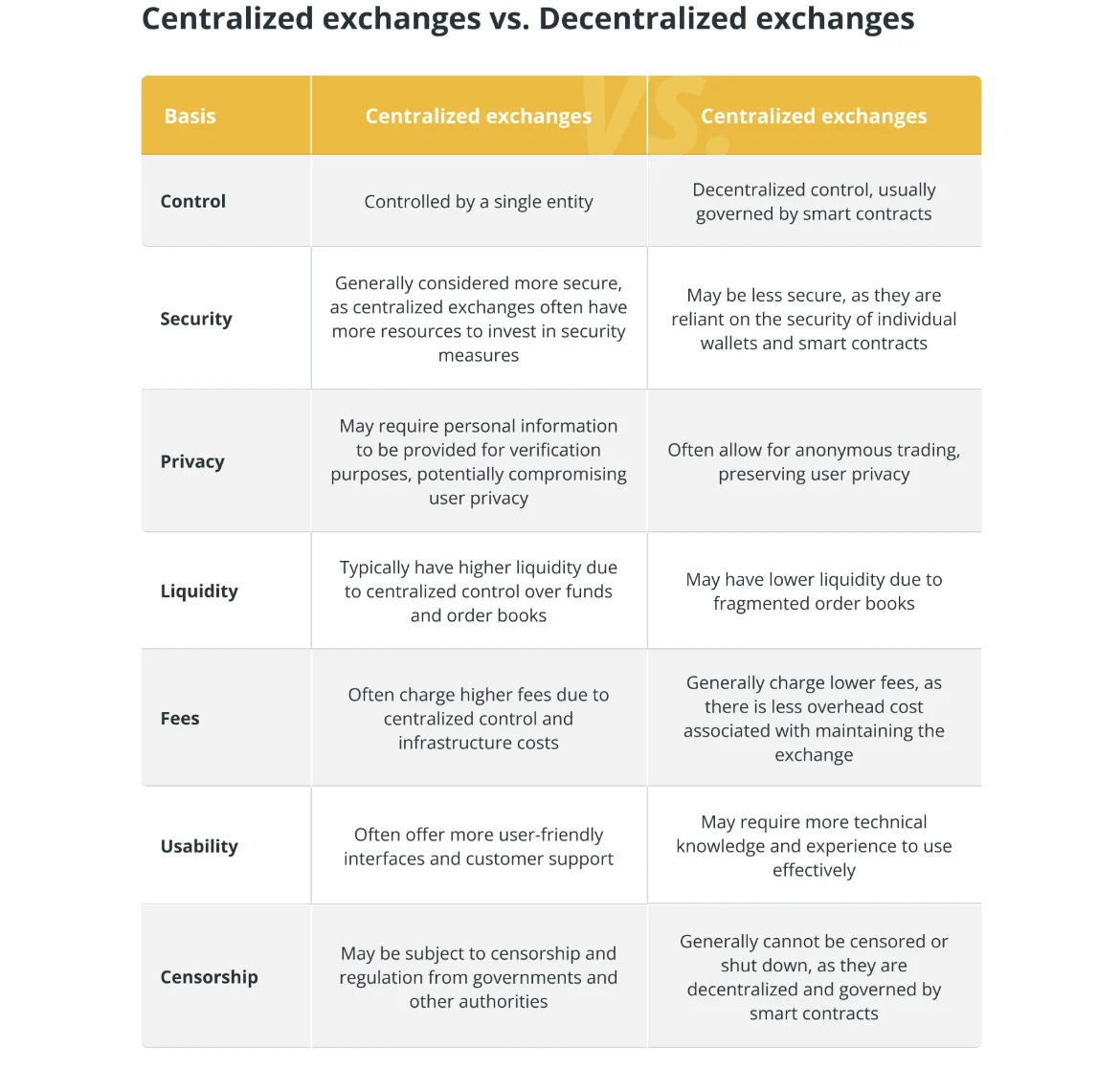
Fidelity Investments, one of the largest asset managers globally, has formally communicated to the U.S. Securities and Exchange Commission (SEC) its strong recommendation for the continued development of a robust regulatory framework. This framework is deemed essential to enable broker-dealers to effectively offer, custody, and trade crypto assets, particularly tokenized securities, on alternative trading systems (ATS). The proactive submission from the financial giant underscores the growing imperative for regulatory clarity as digital assets increasingly integrate into mainstream financial markets.
Fidelity’s Comprehensive Recommendations to the SEC
On Friday, Fidelity Investments, recognized as the third-largest asset manager in the United States, submitted its detailed input to the SEC’s Crypto Task Force. This submission was a direct response to the regulator’s earlier call for comments, signaling an active engagement from the traditional finance sector in shaping the future of digital asset regulation. The core of Fidelity’s message centered on the critical need for the SEC to establish "clear rules of the road" for tokenized securities trading. This includes not only instruments issued by the broker-dealers themselves but also, crucially, those issued by third parties.
The firm emphasized that the current landscape of tokenized instruments is characterized by significant diversity in their issuance structures, underlying legalities, and valuation models. This complexity is particularly evident in the burgeoning field of tokenized real-world assets (RWAs), which can encompass a vast array of asset classes, from traditional equities and real estate to bonds and private credit. The varying nature of these assets necessitates a tailored yet comprehensive regulatory approach.
Fidelity’s letter meticulously explained the structural differences inherent in tokenization models. Some models, for instance, represent a holder’s indirect interest in an underlying security through a securities entitlement. In contrast, other models might constitute a securities-based swap, which could be subject to more stringent offering requirements, potentially restricted only to eligible contract participants. This distinction highlights the intricate legal and operational challenges that broker-dealers face when attempting to navigate the existing regulatory environment with these novel instruments. The lack of specific guidance can create ambiguity, hindering innovation and institutional participation.
Addressing the Centralized-Decentralized Divide in Trading Systems
A pivotal aspect of Fidelity’s recommendations involved bridging the regulatory chasm between centralized and decentralized trading systems. Roberto Braceras, Fidelity’s general counsel, articulated the company’s belief that it is vital for the SEC to "consider how intermediated and disintermediated trading venues can evolve and coexist." This perspective acknowledges the rapid advancements in decentralized finance (DeFi) and the need for regulators to adapt their frameworks to accommodate these new paradigms without stifling innovation.

The existing regulatory architecture, primarily designed for centralized entities, often poses significant challenges for decentralized systems. For example, current reporting rules, which demand detailed financial reporting from a central authority, are inherently incompatible with many DeFi platforms. These disintermediated systems, by their very design, lack a central entity capable of producing such reports. Fidelity argued that overhauling these reporting requirements to reflect the technological realities of decentralized systems would remove "undue burden" and foster a more inclusive regulatory environment.
Furthermore, Fidelity recommended that the SEC issue specific guidance permitting broker-dealers to leverage distributed ledger technology (DLT) for ATS and other essential recordkeeping purposes. This recommendation is not merely about technological adoption but about enabling efficiency, transparency, and potentially reduced costs within the financial infrastructure. DLT offers immutable record-keeping capabilities and streamlined transaction processing, which could significantly benefit regulated entities if appropriate guidance is provided. Without such clarity, firms may hesitate to fully embrace DLT, fearing non-compliance with existing, often outdated, regulations.
Background Context: A Shifting Regulatory Landscape and Fidelity’s Position
Fidelity’s detailed recommendations arrive at a crucial juncture for digital asset regulation in the United States. The SEC has been under increasing pressure to provide clarity for the burgeoning crypto market, particularly following significant market events, the approval of several spot Bitcoin ETFs, and the continuous evolution of blockchain technology. The creation of the SEC’s Crypto Task Force itself signals the regulator’s intent to engage more deeply with the complexities of digital assets.
Fidelity’s engagement with crypto is not new. The firm has been a long-standing proponent of digital assets, establishing its Fidelity Digital Assets arm in 2018 to provide institutional-grade custody and trading services for cryptocurrencies. Their persistent efforts to launch a spot Bitcoin ETF, eventually succeeding in January 2024, further underscore their commitment to integrating digital assets into traditional finance. By submitting these comments, Fidelity is not just reacting to a regulatory call but actively seeking to shape an environment that supports its existing and future digital asset initiatives.
The broader market context also highlights the urgency. Industry reports frequently project significant growth in the tokenized assets market. For instance, some estimates suggest that the market for tokenized real-world assets could reach trillions of dollars in the coming years, driven by increased efficiency, liquidity, and fractional ownership opportunities. Without clear rules, the U.S. risks falling behind other jurisdictions that are actively developing comprehensive regulatory frameworks for digital assets.
SEC’s Historical Stance and Inter-Agency Alignment
The SEC, under the leadership of past chairmen and commissioners, has demonstrated varying degrees of openness to innovation in capital markets. Notably, Chairman Paul Atkins, referenced in the original context, has historically signaled support for 24/7 capital markets and has overseen regulatory approvals for financial companies to experiment with tokenized trading. This indicates a precedent within the SEC for acknowledging the potential benefits of new technologies, even as the agency maintains its primary focus on investor protection and market integrity. Atkins’s previous statements, such as his view that the SEC’s interpretation of crypto laws is "a beginning, not an end," suggest an understanding that regulatory frameworks must evolve with technological advancements.

Beyond the SEC, other key U.S. financial regulators have also weighed in on the treatment of tokenized assets. In a significant joint policy statement published in March, the Federal Reserve, the Federal Deposit Insurance Corporation (FDIC), and the Office of the Comptroller of the Currency (OCC) affirmed a unified stance. They clarified that tokenized securities, encompassing a wide range of assets like equities, debt instruments, and real estate investment trusts (REITs), are subject to the same banking capital requirements as their underlying, non-tokenized counterparts.
This inter-agency consensus is crucial, as it provides a foundational principle: "The technologies used to issue and transact in a security do not generally impact its capital treatment." While this statement provides some clarity on capital adequacy, it does not fully address the operational, custody, and trading nuances that Fidelity’s letter highlighted. The challenge for regulators remains in translating this principle into actionable rules that facilitate safe and compliant trading of tokenized assets across diverse platforms.
Implications for the Digital Asset Ecosystem
Fidelity’s detailed intervention carries significant implications for various stakeholders within the financial ecosystem:
- For the SEC: The letter puts increased pressure on the regulator to accelerate its efforts in establishing clear guidelines. It highlights the practical challenges faced by established financial institutions, making the abstract concept of "digital asset regulation" tangible. The SEC must now balance its mandate for investor protection and market integrity with the need to foster innovation and maintain the competitiveness of U.S. capital markets.
- For Traditional Financial Institutions: Fidelity’s stance provides a blueprint for how large, regulated entities view the necessary steps for broader digital asset adoption. Clear regulations would de-risk participation for other asset managers, banks, and broker-dealers, potentially unlocking significant institutional capital for the digital asset space. It also signals that traditional finance is actively preparing for a future where tokenized assets are commonplace.
- For the Crypto and DeFi Industry: While a comprehensive framework could bring increased scrutiny, it also offers legitimacy and a pathway for integration into the mainstream financial system. Clarity on topics like DLT for recordkeeping and the coexistence of centralized and decentralized venues could foster growth and reduce regulatory arbitrage risks. However, the DeFi community will be watching closely to ensure that any new regulations do not stifle the decentralized nature and permissionless innovation that define the sector.
- For Investors: Ultimately, clear rules are intended to provide greater investor protection and market transparency. By establishing robust frameworks for custody, trading, and reporting, the SEC aims to reduce risks associated with fraud, manipulation, and operational failures, thereby increasing confidence in digital asset markets.
Conclusion: Paving the Way for a Maturing Market
Fidelity Investments’ letter to the SEC is a significant development in the ongoing dialogue between traditional finance, the burgeoning digital asset industry, and regulators. It articulates a clear vision for a future where digital assets and tokenized securities are seamlessly integrated into regulated financial markets. By calling for comprehensive rules, addressing the complexities of tokenized assets, and seeking to bridge the gap between centralized and decentralized trading, Fidelity is advocating for a framework that supports both innovation and investor protection. The ball is now firmly in the SEC’s court to respond to these recommendations and continue the arduous but essential work of constructing a robust, adaptable, and forward-looking regulatory environment for the digital age of finance. The successful navigation of these challenges will be critical for the maturation and widespread adoption of digital assets within the U.S. financial system.