admin
admin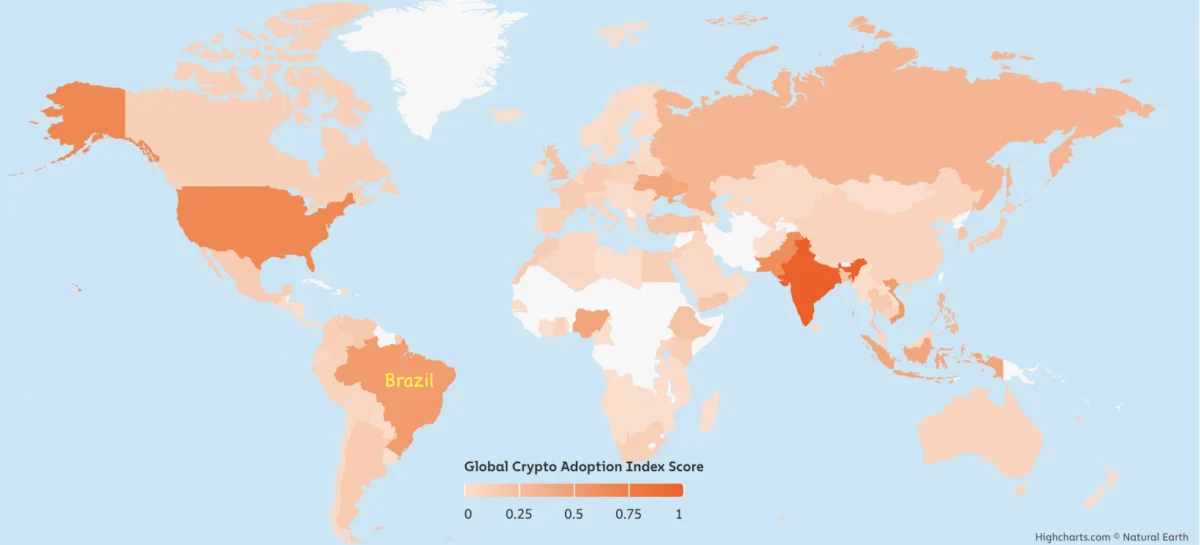
Brazil’s Finance Minister, Dario Durigan, has announced a strategic postponement of further significant crypto tax policy reforms, pushing the timeline until after the nation’s presidential elections in October 2026. This decision aims to sidestep the implementation of "divisive" tax changes during a sensitive election year, prioritizing political stability and broad consensus over immediate legislative action in the burgeoning digital asset sector. Initially, a public consultation on these intricate tax policies was slated for later this year, but sources familiar with the matter, as reported by Reuters, indicate that this crucial step may now be delayed until 2027, though the issue "remains on the radar" for future consideration.
This pause in new legislative initiatives comes at a pivotal moment for Brazil, a nation that has rapidly emerged as a global leader in cryptocurrency adoption. The delay underscores the government’s cautious approach to navigating the complexities of digital asset regulation, balancing the need for a robust fiscal framework with the imperative to avoid alienating a growing segment of the electorate. The existing regulatory landscape, however, continues to evolve, with several key changes already implemented or under consideration, setting the stage for a more comprehensive framework post-election.
A Shifting Regulatory Landscape: Pre-Existing Crypto Tax Framework
Before this latest deferment, Brazil had already made significant strides in formalizing its approach to cryptocurrency taxation. A notable shift occurred in June 2025, when the country abolished its previous "no tax" policy on gains derived from smaller cryptocurrency sales or transfers. This exemption, which allowed residents to sell up to 35,000 Brazilian real (equivalent to approximately $6,587 USD at the time of the original policy) per month without incurring capital gains taxes, was a cornerstone of Brazil’s earlier, more lenient stance on crypto investments. Investors exceeding this threshold were subject to progressive tax rates ranging from 15% to 22.5%, mirroring traditional investment income taxation.
The elimination of this exemption marked a pivotal moment, ushering in a more standardized approach. Since June 2025, Brazil has imposed a flat 17.5% tax rate on all crypto capital gains. Crucially, this updated policy extended its reach to include gains from offshore and self-custodial holdings, signifying a concerted effort by the Brazilian tax authorities to broaden the tax base and ensure greater equity across different types of digital asset investments. This move was widely seen as an attempt to harmonize Brazil’s tax code with international best practices and prevent tax evasion through offshore accounts or decentralized platforms.
Further enhancing the regulatory environment, Banco Central do Brasil, the nation’s central bank, issued comprehensive rules in November 2025. These guidelines specifically treat stablecoin transfers as foreign currency exchange operations, subjecting them to the same stringent tax laws and reporting requirements that govern traditional foreign exchange transactions. This classification reflects a growing global trend among financial regulators to view stablecoins, particularly those pegged to fiat currencies, through the lens of traditional financial instruments, thereby integrating them into existing regulatory frameworks rather than creating entirely new ones.
Beyond capital gains and stablecoins, the Brazilian government has also been actively exploring proposals to levy taxes on cryptocurrencies utilized for international payments. This initiative aims to align Brazil’s reporting rules with the Crypto-Asset Reporting Framework (CARF), an international monitoring standard developed by the Organisation for Economic Co-operation and Development (OECD). CARF is designed to provide tax authorities with comprehensive information on crypto-asset transactions, combating tax evasion and ensuring transparency across borders. Brazil’s commitment to aligning with CARF signals its dedication to participating in global efforts to standardize crypto regulation and prevent illicit financial flows, even as the implementation of domestic tax policies faces political delays.
The Political Calculus: Why the Delay?
Minister Durigan’s decision to delay the public consultation and subsequent legislative action on crypto taxation is deeply rooted in Brazil’s political calendar and the inherent sensitivity of tax reforms. An election year, particularly a presidential one, is a period of heightened political scrutiny and intense public debate. Introducing "divisive" tax changes, especially concerning a relatively nascent and often misunderstood asset class like cryptocurrencies, could easily become a contentious issue, potentially swaying public opinion and electoral outcomes.
The term "divisive" itself highlights the challenges policymakers face when regulating digital assets. On one hand, governments seek to ensure fair taxation, prevent illicit activities, and protect investors. On the other hand, the crypto community often champions innovation, decentralization, and minimal government intervention. Crafting policies that satisfy all stakeholders, or even a majority, without igniting significant opposition, is an arduous task. By postponing new tax measures, the government gains valuable time to:
- Build Consensus: Engage in more thorough consultations with industry experts, financial institutions, and consumer groups to forge a policy that garners broader support.
- Observe Global Trends: Monitor how other major economies implement and refine their crypto tax frameworks, learning from their successes and challenges.
- Educate the Public: Allow for greater public understanding of cryptocurrencies and their economic implications, potentially reducing resistance to future regulatory changes.
- Prioritize Stability: Avoid adding another layer of economic uncertainty or political friction during an already charged election cycle, allowing the incumbent administration to focus on other pressing issues.
This strategic delay, while perhaps frustrating for some in the crypto industry seeking definitive clarity, can be interpreted as a pragmatic move by the Finance Ministry. It reflects an understanding of the political landscape and a desire to implement durable, well-considered policies rather than rushed, potentially unpopular ones.

Brazil: A Hotbed for Crypto Adoption
The decision to place new crypto tax consultations on hiatus occurs against a backdrop of Brazil’s undeniable and accelerating embrace of digital assets. The South American giant has not only become a significant player in the global crypto arena but is also pioneering innovative financial technologies, most notably with its instant payment system, Pix.
According to the 2025 Global Crypto Adoption Index by Chainalysis, a leading blockchain data platform, Brazil impressively ranks fifth worldwide in terms of overall crypto adoption. This places it at the pinnacle of crypto adoption within the entire Latin American region, underscoring the country’s enthusiastic engagement with digital currencies. The report highlighted that "Latin America’s crypto adoption grew by 63% [in 2025], reflecting rising adoption across both retail and institutional segments," with Brazil leading this regional surge.
Several factors contribute to Brazil’s robust crypto adoption rate:
- Demographics: With a population exceeding 213 million people and a median age of 33.5 years, Brazil possesses a large, digitally native, and tech-savvy demographic that is more open to embracing new technologies like cryptocurrencies. Over 91% of the population resides in urban areas, further facilitating digital connectivity and access to crypto platforms.
- Economic Conditions: In some emerging economies, cryptocurrencies offer an alternative to traditional financial systems that may be perceived as inefficient, costly, or susceptible to inflation. While Brazil has made significant strides in economic stability, the appeal of decentralized finance for wealth preservation or cross-border remittances remains strong for many.
- Innovation Ecosystem: Brazil has fostered a vibrant fintech ecosystem, exemplified by the widespread success of Pix, its instant payment system. Pix has revolutionized retail payments, demonstrating the country’s capacity for rapid technological absorption and integration into daily life. The familiarity and trust in digital payment solutions naturally extend to cryptocurrencies. The expansion of Pix to neighboring countries like Argentina further illustrates Brazil’s influence in digital financial innovation across Latin America.
- Accessibility: The increasing availability of user-friendly crypto exchanges and investment platforms, both local and international, has made it easier for Brazilians to buy, sell, and hold digital assets.
- Regulatory Evolution (Despite Delays): Even with the current postponement, the fact that Brazil has already established a basic regulatory framework for crypto, including the 17.5% flat tax and stablecoin rules, provides a degree of legitimacy and confidence for investors, encouraging broader participation.
The combination of a large, young population, a dynamic digital economy, and a progressively evolving regulatory environment has created fertile ground for cryptocurrencies to flourish in Brazil. This rapid adoption, however, also presents a unique challenge for policymakers: how to effectively regulate a fast-moving industry without stifling innovation or disadvantaging a significant portion of the population.
Broader Impact and Implications of the Delay
The delay in further crypto tax policy consultations carries several implications for various stakeholders within Brazil and potentially for its standing in the global financial landscape.
For Crypto Investors and the Industry:
- Temporary Certainty, Long-Term Uncertainty: While the immediate pressure of new, potentially more stringent tax rules is lifted until after 2026, the delay also prolongs the period of uncertainty regarding the ultimate shape of Brazil’s crypto tax regime. This can create a wait-and-see approach for large institutional investors or businesses considering significant investments in the Brazilian crypto market.
- Continued Growth Potential: In the short term, the absence of new, potentially restrictive tax measures might allow the crypto market in Brazil to continue its robust growth trajectory, unfettered by immediate regulatory hurdles. This could be seen as an opportunity for innovation and expansion within the domestic industry.
- Advocacy Opportunity: The extended timeline provides a valuable window for crypto industry associations and advocates to engage more deeply with policymakers, presenting their perspectives and contributing to the development of a balanced and effective regulatory framework that supports innovation while ensuring compliance.
For the Brazilian Government and Economy:
- Political Prudence vs. Fiscal Imperative: The delay prioritizes political stability over potentially immediate revenue generation from new tax policies. While understandable in an election year, it means the government foregoes potential tax revenue from an expanding asset class for at least another year.
- Alignment with International Standards: Brazil’s stated intent to align with CARF and other international monitoring standards remains, but the delay in domestic policy implementation could slow its full integration into global efforts to combat cross-border tax evasion in crypto. This might lead to questions from international bodies about the pace of Brazil’s regulatory harmonization.
- Maintaining Innovation: By not rushing into new tax laws, the government might indirectly signal its commitment to fostering innovation in the digital asset space, avoiding policies that could be perceived as overly burdensome or stifling to nascent technologies. This could help Brazil maintain its leadership position in Latin America’s fintech scene.
For International Observers:
- Reflects Global Challenges: Brazil’s experience mirrors the challenges many nations face in regulating cryptocurrencies – a complex interplay of technological novelty, economic potential, political sensitivity, and the need for international coordination.
- Pace of Regulatory Evolution: International financial bodies and trade partners will likely observe Brazil’s progress closely. While the existing steps towards regulation are positive, the delay in comprehensive updates might be noted as a factor in the overall pace of global crypto governance.
In conclusion, Brazil’s decision to delay further crypto tax policy changes until after the 2026 presidential elections is a calculated political maneuver. It aims to navigate the sensitive waters of an election year by deferring potentially contentious reforms, even as the nation continues its rapid ascent as a global leader in cryptocurrency adoption. While the existing framework provides a foundation, the long-term clarity and comprehensive regulatory structure for Brazil’s digital asset economy now hinge on the political outcomes of 2026 and the subsequent policy agenda. The intervening period offers both opportunities for continued growth and an imperative for stakeholders to collaboratively shape a future that balances innovation with robust governance.