admin
admin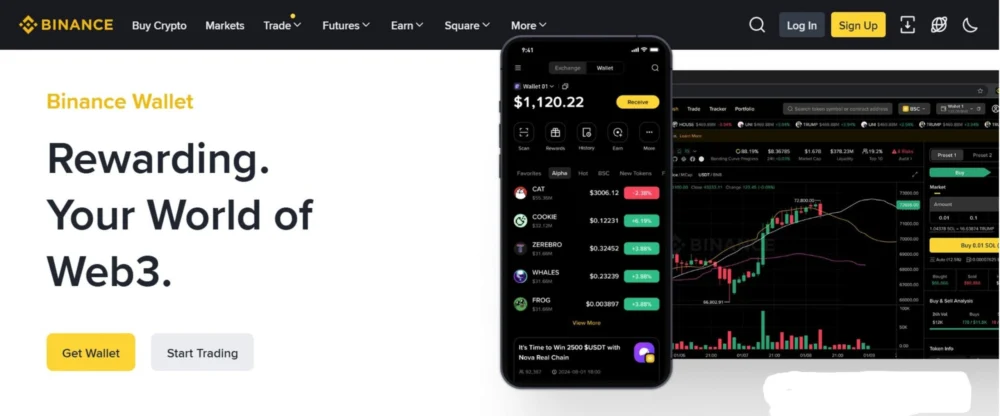
The journey of Web3 wallets from niche tools to essential digital infrastructure has been marked by continuous innovation. Early iterations, primarily browser extensions like MetaMask, focused on connecting users to the nascent Ethereum ecosystem. The subsequent years saw an explosion of alternative layer-1 blockchains and layer-2 scaling solutions, necessitating wallets capable of navigating this increasingly complex multi-chain environment. By 2025, the demand for non-EVM chain support became paramount, driving wallets to integrate diverse protocols such as Solana, Bitcoin, and Cosmos. Furthermore, the emphasis on self-custody and user empowerment has led to the widespread adoption of non-custodial models, where users retain ultimate control over their digital assets through private keys or seed phrases, a stark contrast to the centralized "your keys, not your crypto" ethos of traditional exchange wallets. The year 2026 is characterized by heightened sophistication in security, user experience, and multi-chain capabilities, with smart wallets and hardware integrations becoming standard offerings.
Leading Web3 Wallets of 2026: A Comparative Overview
The following table provides a snapshot of the top Web3 wallets dominating the market in 2026, highlighting their primary strengths and technical capabilities.
| Wallet | Best For | Multi-Chain Support | Hardware Wallet Integration | Mobile App | Browser Extension |
|---|---|---|---|---|---|
| MetaMask | Overall Web3 Access | Yes | Yes | Yes | Yes |
| Binance Web3 Wallet | Integrated Ecosystem | Yes | No | Yes | Yes |
| Phantom | Solana & Multi-Chain | Yes | Not Natively | Yes | Yes |
| Trust Wallet | Mobile-First Users | Yes | No | Yes | No |
| Rabby Wallet | DeFi Power Users | Yes | Yes | No | Yes |
| Base App (Coinbase) | Beginners | Yes | Yes | Yes | Yes |
| Ledger Wallet (Live) | Hardware Security | Yes | No (Companion) | Yes | Yes |
| Rainbow Wallet | NFT Collectors | Yes | Yes | Yes | Yes |
| Safe (ex. Gnosis Safe) | DAOs & Organizations | Yes | Yes | Yes | Yes |
| Ready (Argent) | Smart Wallets | Yes | Yes | Yes | Yes |
In-Depth Analysis of the Top 10 Web3 Wallets in 2026
The competitive landscape of Web3 wallets in 2026 reflects a drive towards specialization alongside broad compatibility. Each wallet has carved out a niche, leveraging distinct technological approaches and user experience philosophies.

1. MetaMask – The Ubiquitous Web3 Gateway
MetaMask, initially a browser extension for Ethereum, has solidified its position as the most widely adopted Web3 wallet, serving millions globally. Its evolution into a comprehensive digital asset management tool has been strategic, culminating in significant multi-chain expansion by 2025. As a non-custodial solution, MetaMask empowers users with direct control over their private keys, fostering a decentralized ethos. Its seamless integration with decentralized applications (dApps) across numerous networks has made it the default choice for interacting with the broader Web3 ecosystem.
Key Features: MetaMask’s enduring popularity stems from its intuitive interface, robust dApp connectivity, and a comprehensive suite of features including token swaps, NFT viewing, and customizable network additions. Its support for Ethereum’s vast dApp landscape, coupled with its expansion into non-EVM chains, has cemented its "overall" utility.
Developer Integration: MetaMask provides an industry-standard SDK, enabling developers to integrate wallet connectivity seamlessly into their dApps. Its injected provider (window.ethereum) remains a cornerstone for EVM-compatible dApp development, offering standardized methods for transaction signing and network interaction.
Supported Chains: Natively supports Ethereum and all EVM-compatible chains (e.g., BNB Smart Chain, Polygon, Avalanche, Arbitrum, Optimism, Fantom, Linea). A pivotal update in 2025 introduced robust support for non-EVM chains like Solana and Tron via multichain accounts, significantly broadening its appeal.
Market Impact: MetaMask remains the gateway for new users entering Web3, and its widespread adoption means most dApps prioritize its integration. Its continuous innovation in user experience and security updates keeps it at the forefront.
2. Binance Web3 Wallet – Seamless Exchange-to-DeFi Integration
The Binance Web3 Wallet caters to users seeking a streamlined experience between centralized exchange services and the decentralized web. Embedded directly within the Binance application, it offers a unique blend of convenience and enhanced security, appealing to users who prefer a single, integrated platform. Its distinguishing feature is the use of Multi-Party Computation (MPC) technology, which distributes private key shares across multiple entities, mitigating the single point of failure inherent in traditional seed phrases.
Key Features: The wallet facilitates direct interaction with dApps, asset management, and exploration of various blockchain networks, all within the familiar Binance ecosystem. The MPC implementation provides a robust security layer without burdening users with complex seed phrase management. It also allows for seamless transfers between the Web3 wallet and the Binance exchange.
Developer Integration: Binance Web3 Wallet leverages its Wallet SDK and an injected provider (window.BinanceChain), supporting multi-chain EVM interactions, secure swaps, and efficient CEX transfers via standard Ethereum RPC methods like eth_requestAccounts. This allows dApps to easily connect to the wallet for transaction signing.
Supported Chains: Boasting extensive compatibility, it supports over 60 public chain networks, encompassing major ecosystems such as EVM (Ethereum, BNB Smart Chain, Polygon, Arbitrum), Solana, Bitcoin (BTC, BCH, LTC), Cosmos, and Move-based chains (e.g., Sei). This broad support makes it highly versatile.
Market Impact: Positioned to onboard Binance’s vast user base into Web3, this wallet addresses a critical need for integrated access, simplifying the transition from centralized to decentralized finance.
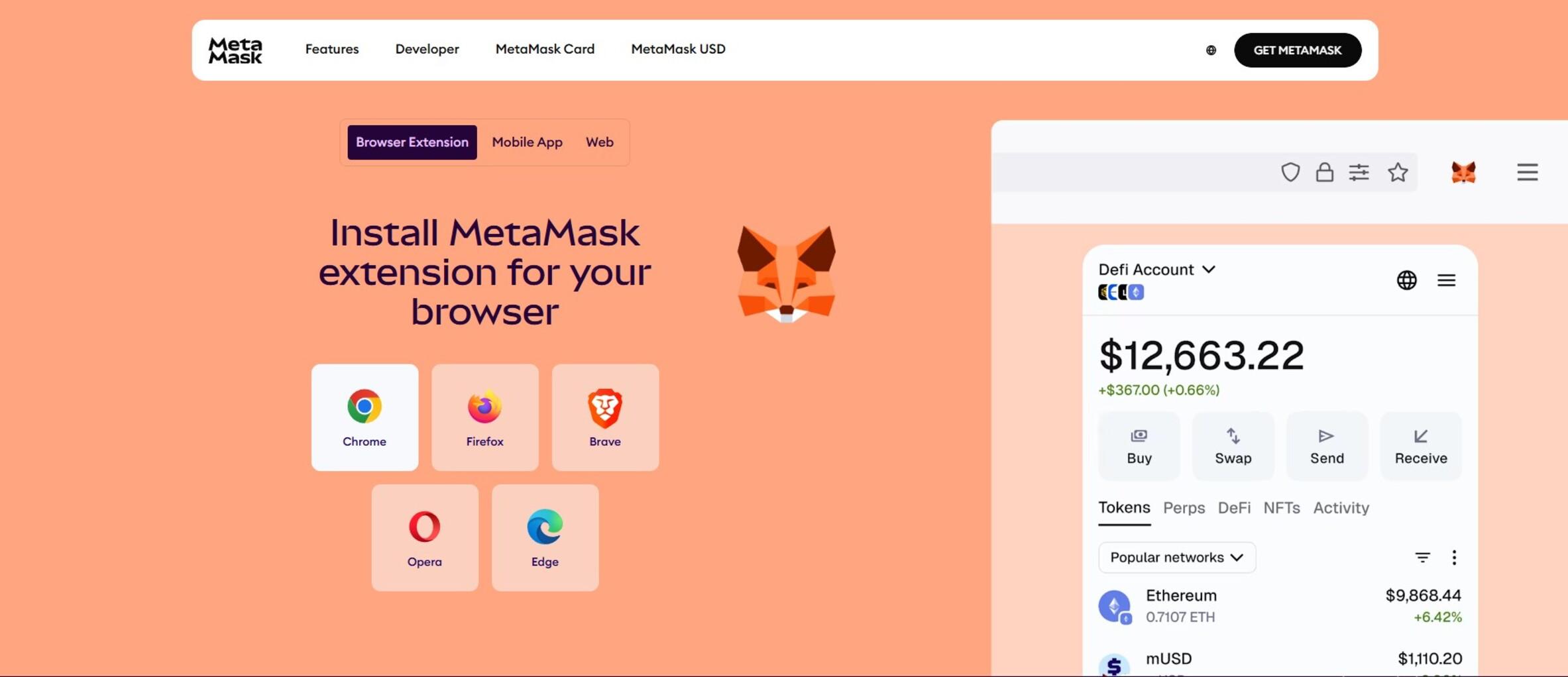
3. Phantom – The Solana & Multi-Chain Innovator
Phantom Wallet originated as the flagship wallet for the Solana ecosystem, quickly gaining acclaim for its sleek design and user-friendly interface. By 2026, it has successfully transitioned into a powerful multi-chain solution, extending its elegant experience to a wider array of networks. It empowers users to manage digital assets, organize wallet addresses, and engage with dApps through both browser extensions and mobile applications.
Key Features: Phantom is renowned for its intuitive interface, built-in swapping functionality, comprehensive NFT display, and robust staking options. Its commitment to a smooth user experience, coupled with its advanced security features, makes it a top choice for active multi-chain users. Its initial focus on Solana allowed it to optimize for that chain’s unique performance characteristics.
Developer Integration: Phantom Wallet offers developer-friendly SDKs for seamless integration across web, mobile, and server-side applications. Key integration options include the React SDK for UI components, the Browser SDK for direct connections, and the Server SDK for backend wallet management, supporting Solana, Ethereum, and other chains effectively.
Supported Chains: Phantom currently supports Solana, Polygon, Ethereum, Sui, Base, Bitcoin (Native Segwit/Taproot), Monad, and HyperEVM, demonstrating its aggressive expansion beyond its Solana roots to become a true multi-chain contender.
Market Impact: Phantom has set a high bar for user experience in the multi-chain space, particularly for those heavily invested in the Solana ecosystem. Its expansion signifies a trend of specialized wallets broadening their horizons to capture wider market segments.
4. Trust Wallet – The Mobile-First Web3 Companion
Trust Wallet, owned by Binance, remains a leading choice for mobile-first users seeking a straightforward gateway to Web3. It is celebrated for its extensive blockchain support and intuitive mobile interface, making it ideal for managing diverse crypto assets and connecting to dApps on the go. While primarily a mobile application, its widespread adoption has solidified its role in the Web3 ecosystem.
Key Features: Trust Wallet offers a comprehensive suite of features including secure storage for a vast array of cryptocurrencies and NFTs, integrated dApp browser, in-app staking, and token swaps. Its focus on mobile accessibility ensures a smooth experience for users interacting with Web3 from their smartphones.
Developer Integration: Trust Wallet provides robust developer tools through open-source libraries like Wallet Core and WalletConnect. Wallet Core offers cross-platform cryptographic primitives for over 130 blockchains, while WalletConnect facilitates seamless dApp connections via QR codes or deep links, establishing secure WebSocket JSON-RPC channels for mobile and desktop signing.
Supported Chains: Supports over 100 blockchain networks, including Bitcoin (BTC), Ethereum (ETH), Solana (SOL), BNB Chain (BNB), Tron (TRX), and Ripple (XRP), offering one of the broadest ranges of native chain support among mobile wallets.
Market Impact: Trust Wallet’s dominance in the mobile Web3 space underscores the importance of accessibility and ease of use for a growing demographic of smartphone-centric crypto users.
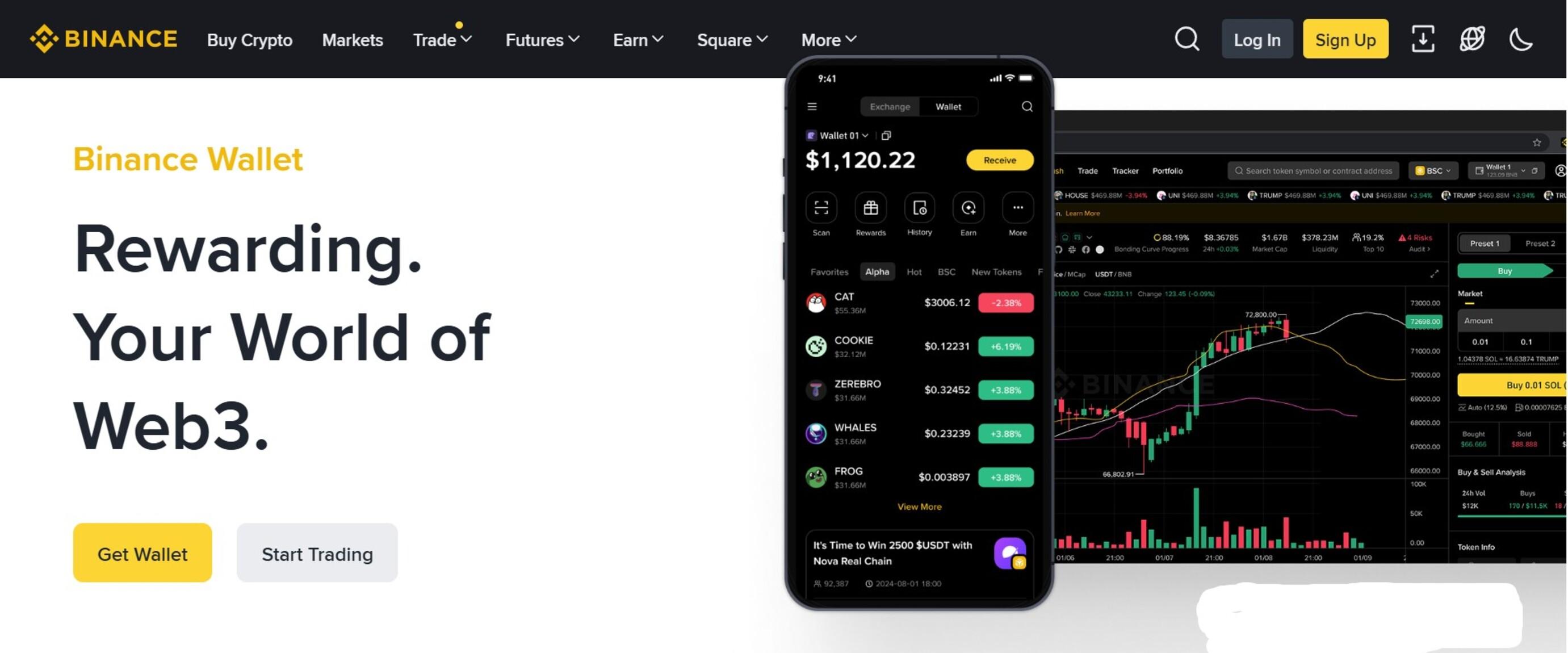
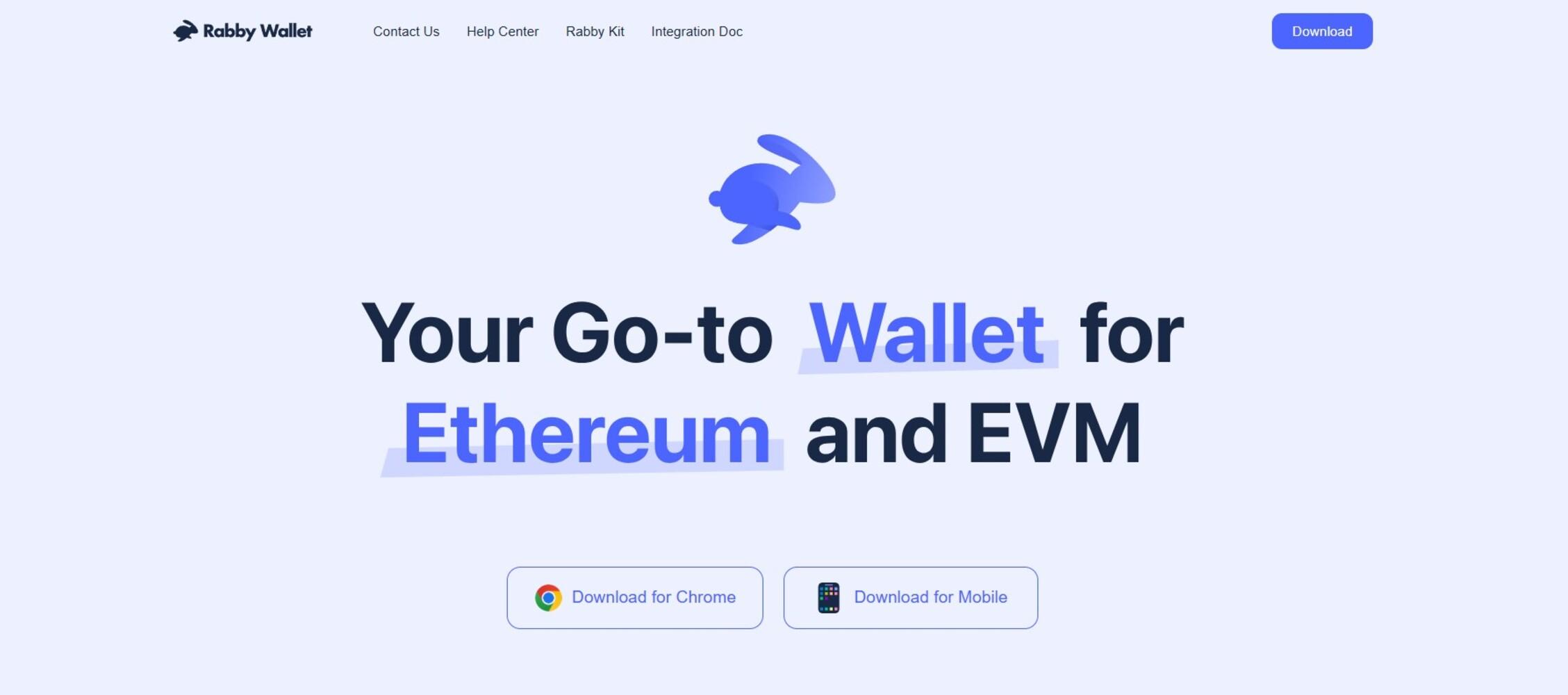
5. Rabby Wallet – The DeFi Power User’s Toolkit
Rabby Wallet, developed by DeBank, is a non-custodial wallet specifically engineered for the demands of decentralized finance (DeFi) and complex blockchain interactions. Its core strength lies in its proactive security features and unparalleled transparency, particularly when interacting with smart contracts and dApps across numerous EVM networks.
Key Features: Rabby automatically detects and switches to the correct blockchain network when connecting to DeFi platforms, significantly reducing common transaction errors. It provides detailed transaction previews, including potential risks and asset changes, before signing, offering a crucial layer of security for high-stakes DeFi operations. Its gas estimation is highly advanced, optimizing transaction costs.
Developer Integration: Rabby Wallet utilizes EIP-6963 for detecting multi-injected providers, featuring advanced gas estimation, automatic chain switching, and critical security alerts. These enhancements significantly improve the dApp user experience on EVM networks by streamlining interactions and minimizing potential pitfalls.
Supported Chains: Rabby Wallet supports all EVM chains, including Polygon, Morph, Dogechain, Linea, Shibarium, Plasma, Ethereum, HyperEVM, and over 81 other networks, making it the most comprehensive EVM-focused wallet.
Market Impact: Rabby Wallet addresses the critical need for enhanced security and transparency in the increasingly complex DeFi landscape, appealing to experienced users who prioritize detailed transaction insights and error prevention.
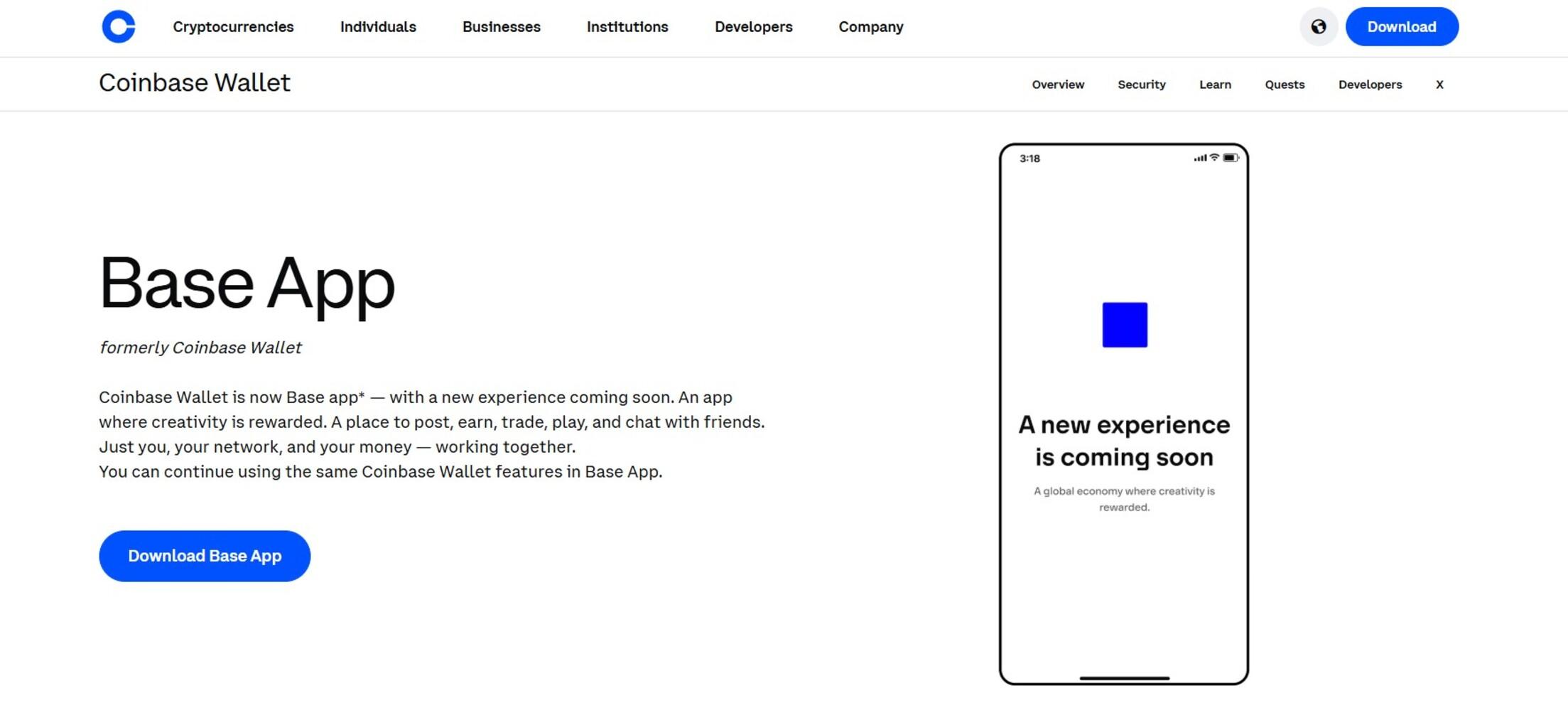
6. Base App (formerly Coinbase Wallet) – Simplifying Web3 for Beginners
The Base App, rebranded from Coinbase Wallet, aims to demystify Web3 for new entrants to the crypto space. Operating as a non-custodial wallet, it enables users to manage their digital assets, wallet addresses, and private keys independently, without reliance on centralized servers, while offering a familiar and intuitive interface. Its deep integration with the Coinbase ecosystem provides a smooth onboarding experience.
Key Features: The Base App provides a user-friendly interface for managing crypto, NFTs, and connecting to a wide array of dApps. Its integration with Coinbase allows for easy funding and transfers, making it an accessible bridge for users transitioning from centralized exchanges to self-custody. It also features robust security measures designed for mainstream adoption.
Developer Integration: Base provides official SDKs like OnchainKit and MiniKit for seamless integration. OnchainKit offers React components for wallet connections, transactions, and NFT handling, while MiniKit targets Mini Apps deployable across the Base App and Farcaster clients, fostering a vibrant developer ecosystem.
Supported Chains: Base App supports Ethereum, Solana, and a broad range of EVM-compatible networks, including Base, Arbitrum, Avalanche C-Chain, BNB Chain, Fantom, and Optimism, demonstrating a commitment to broad ecosystem participation.
Market Impact: By lowering the barrier to entry for Web3, Base App plays a crucial role in mainstream adoption, particularly among users already familiar with the Coinbase brand, bridging the gap between TradFi and DeFi.

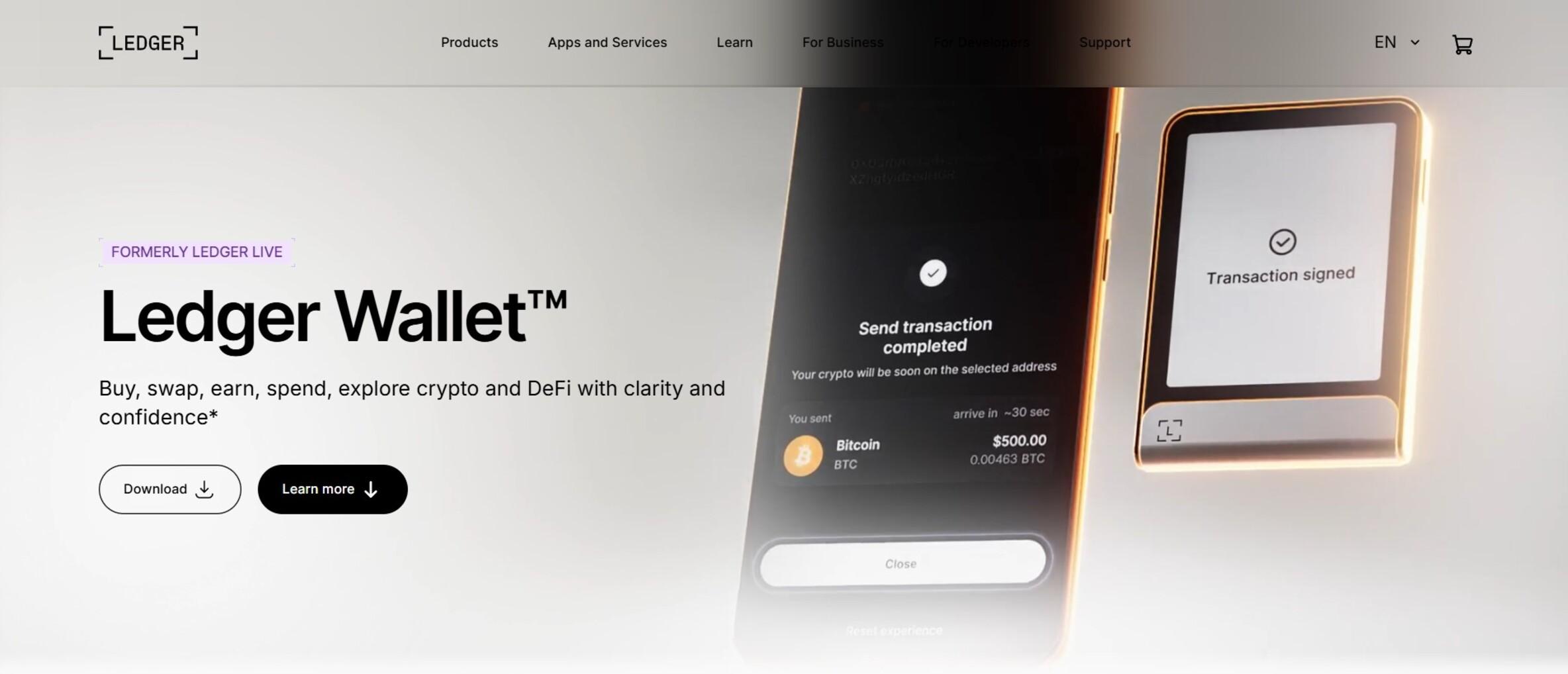
7. Ledger Wallet (Live) – The Apex of Hardware Security
Ledger Live serves as the essential software interface for Ledger’s renowned hardware wallets, representing the pinnacle of cold storage security for Web3 assets. Unlike hot wallets, Ledger’s setup prioritizes maximum security by isolating private keys offline on a physical device, safeguarding them from online threats such as malware and phishing. Users manage their digital assets, sign transactions, and interact with supported blockchain networks through the Ledger Live application, always requiring physical confirmation on the hardware device.
Key Features: The primary feature is offline private key storage, offering unparalleled protection against cyberattacks. Ledger Live acts as a comprehensive dashboard for managing a vast portfolio of crypto assets, staking, and directly swapping tokens, all while requiring physical confirmation for critical actions. Its security audit history and global reputation contribute significantly to user trust.
Developer Integration: Ledger Live supports developers through the Ledger Connect Kit (LCK), which focuses on hardware-secured signing for Ethereum and Bitcoin transactions via USB/Bluetooth APIs. This enables dApps to integrate Ledger devices, allowing users to sign transactions with their hardware wallet.
Supported Chains: Ledger Live natively supports major blockchains including Bitcoin, Ethereum, Solana, Cardano, Ripple, Polkadot (DOT), Polygon (MATIC), BNB Chain, and Tron (TRX). Furthermore, it supports over 15,000 crypto assets, providing users with the ability to store a wide range of assets in one secure cold wallet.
Market Impact: Ledger remains the gold standard for long-term holders and institutional investors seeking the highest level of security for their digital assets, emphasizing the importance of cold storage in a volatile market.
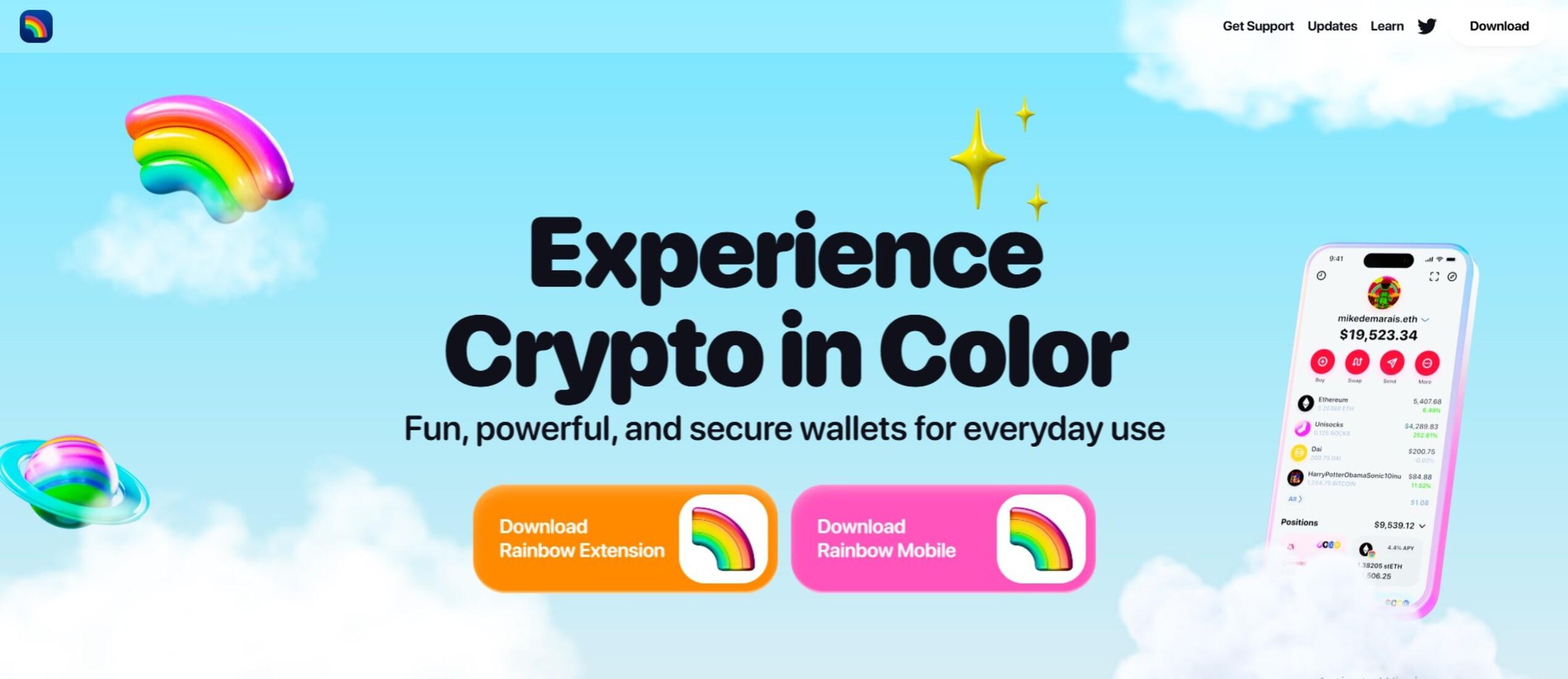
8. Rainbow Wallet – Curating the NFT Experience
Rainbow Wallet has established itself as an intuitive and visually appealing non-custodial wallet, primarily catering to the Ethereum ecosystem with a strong focus on Non-Fungible Tokens (NFTs). Its user-friendly design and robust NFT management tools have made it a favorite among collectors and enthusiasts exploring the digital art and collectibles space.
Key Features: Rainbow excels with its vibrant interface, superior NFT gallery display, and seamless integration with major NFT marketplaces. It provides advanced tools for tracking NFT rarity, floor prices, and portfolio valuation. The wallet also supports token swaps and has expanded its multi-chain capabilities.
Developer Integration: Rainbow Wallet leverages RainbowKit (built on wagmi), providing enhanced features like ENS name resolution, rich NFT previews, and mobile deep linking for vibrant EVM dApp integrations. This allows dApps to offer a highly visual and integrated experience for Rainbow users.
Supported Chains: Supports over 24 chains, including Ethereum, Base, Optimism, Arbitrum, Zora, Blast, ApeChain, Polygon, Gravity, Sonic, Scroll, Gnosis, and HyperEVM, demonstrating its growing commitment beyond just Ethereum for NFT and DeFi interactions.
Market Impact: Rainbow Wallet highlights the growing specialization within the Web3 wallet space, catering specifically to the needs of NFT collectors who value aesthetic presentation and advanced management features.
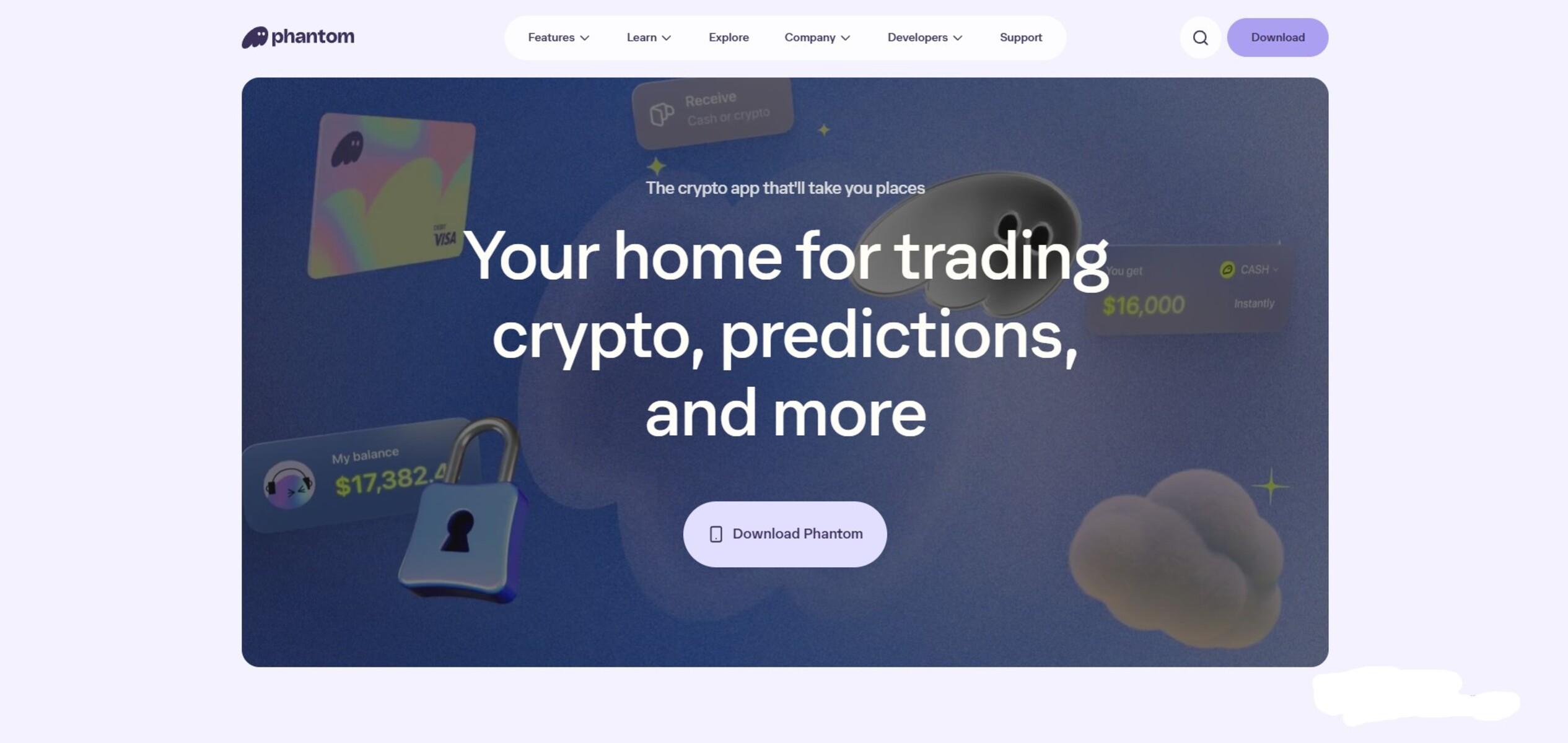
9. Safe (formerly Gnosis Safe) – Institutional-Grade Multi-Signature Security
Safe Wallet, previously known as Gnosis Safe, is a programmable smart contract wallet engineered for the secure, multi-party management of crypto assets across Ethereum and other EVM-compatible chains. It operates as a non-custodial multi-signature (multisig) solution, mandating multiple approvals for transactions via smart contracts, making it indispensable for Decentralized Autonomous Organizations (DAOs), enterprises, and high-net-worth individuals.
Key Features: Its core strength is the multisig capability, allowing multiple authorized signers to approve transactions. This dramatically reduces the risk of single points of failure, theft, or unauthorized access. Safe also supports modular extensions, enabling custom functionalities like spending limits, role-based access control, and integration with various dApps.
Developer Integration: Safe uses the Safe Core SDK for integrating multi-signature smart accounts, facilitating batch transactions, and enabling modular extensions on EVM chains. This robust SDK is crucial for dApps and platforms requiring advanced programmatic control over asset management.
Supported Chains: Safe Wallet supports a comprehensive range of EVM-compatible chains, including Ethereum, Polygon, Avalanche, Arbitrum, Optimism, Base, Gnosis Chain, Scroll, zkSync Era, Sonic, XLayer, Aurora, Celo, Linea, Berachain, and various testnets like Sepolia and Base Sepolia, ensuring broad utility for organizations.
Market Impact: Safe remains the industry standard for secure, collaborative asset management in Web3, reflecting the increasing maturity and institutional adoption of blockchain technology.
10. Ready (formerly Argent) – Pioneering Smart Wallet Capabilities
Ready Wallet, known prior as Argent Wallet, champions the concept of "smart wallets" by integrating advanced security and streamlined account recovery mechanisms. Moving beyond traditional seed phrase reliance, it introduces innovative features like social recovery and daily spending limits, making crypto management more user-friendly and secure. As a non-custodial solution, users retain full control over their assets.
Key Features: Ready Wallet’s standout feature is its account abstraction model, which allows for sophisticated features like guardian-based social recovery (where trusted contacts can help recover access), spending limits, and transaction whitelisting. This significantly enhances security and usability compared to traditional wallets.
Developer Integration: Ready (Argent) integrates via its Argent SDK, with a strong emphasis on account abstraction. This SDK facilitates guardian approvals, session keys, and simplified onboarding for EVM smart wallets, enabling dApps to leverage these advanced features for a better user experience.
Supported Chains: Ready Wallet primarily supports the Ethereum mainnet and Starknet. Its earlier support for zkSync Lite has been deprecated, and it does not currently offer compatibility for sidechains or other EVM networks like Optimism, Polygon, Arbitrum, BSC, or Solana, maintaining a focused approach on specific Layer 1 and Layer 2 solutions.
Market Impact: Ready Wallet is a leader in the smart wallet revolution, demonstrating how account abstraction can address key usability and security challenges in Web3, paving the way for more resilient and user-friendly crypto experiences.
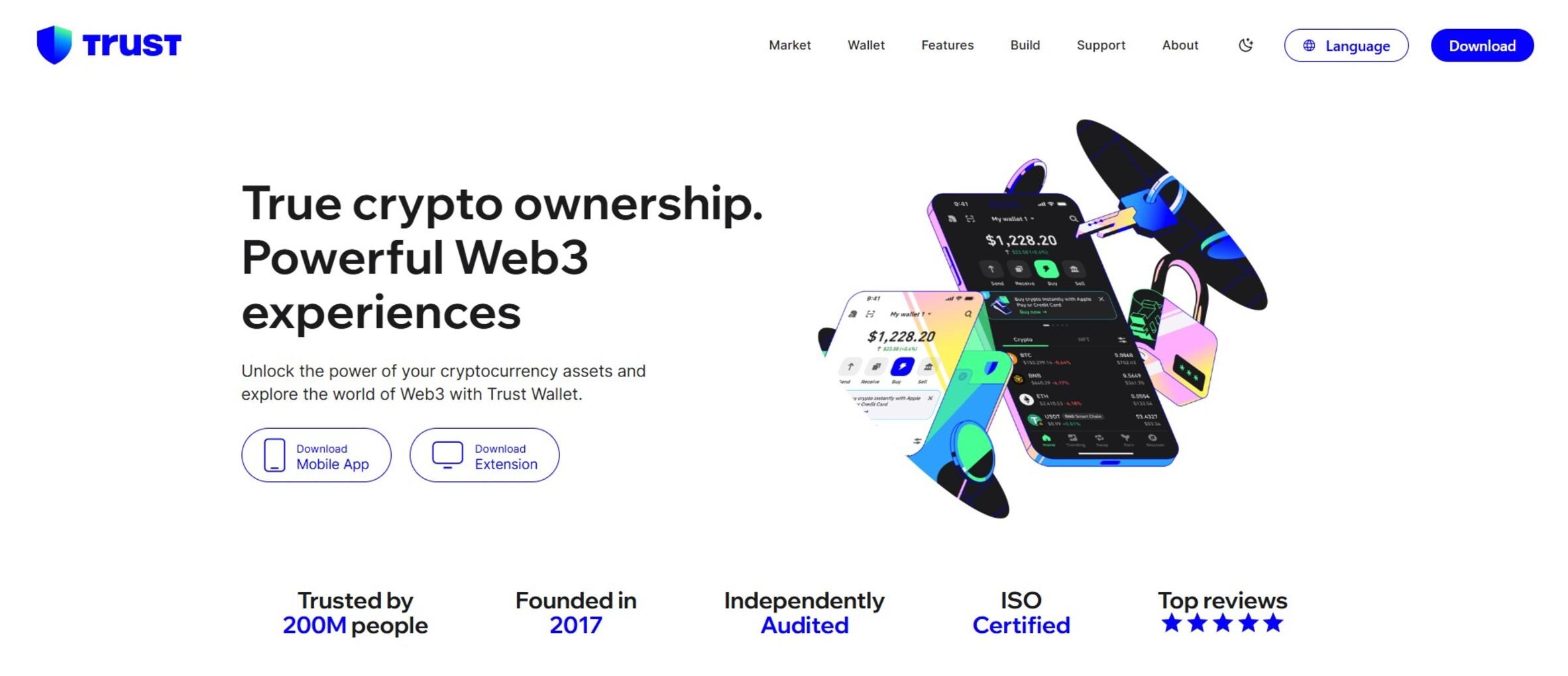
Understanding the Web3 Wallet Ecosystem
A Web3 wallet serves as a user’s primary interface with the decentralized internet, facilitating the storage, management, and interaction with crypto assets and decentralized applications across various blockchain networks. Unlike conventional applications that rely on centralized servers, Web3 wallets connect users directly to the blockchain, embodying the core principles of decentralization and user sovereignty. The predominant model by 2026 is non-custodial, granting users absolute control over their private keys and funds, typically secured by a unique seed or recovery phrase. This control enables users to sign transactions, interact with smart contracts, and access the vast array of decentralized services.
Types of Web3 Wallets
The evolution of Web3 has necessitated different types of wallets to cater to varying levels of technical expertise, security requirements, and use cases.
-
Custodial Wallets: In a custodial wallet setup, a third party, typically a cryptocurrency exchange, manages the user’s private keys. While offering simplicity and ease of use, particularly for beginners, this model means the platform controls access to the crypto assets. Users do not possess the ultimate authority over their funds, and potential risks include platform hacks, regulatory restrictions, or service outages that could temporarily or permanently impede access to assets. Major exchanges often provide these, making the onboarding process less daunting.
-
Non-Custodial Wallets: Representing the ethos of Web3, non-custodial wallets grant users complete and exclusive ownership of their private keys and, by extension, their crypto assets. Keys are stored locally within the wallet’s software (hot wallets) or on a dedicated physical device (hardware wallets). This model ensures that users maintain full control over their funds and can directly interact with blockchain networks and dApps without intermediaries. Access is typically secured by a seed phrase, which is paramount for recovering funds if a device is lost or compromised. MetaMask, Trust Wallet, and Phantom are prime examples of non-custodial solutions.
-
Smart Wallets: These are advanced Web3 wallets built on smart contracts, offering a layer of programmability and enhanced security features beyond traditional non-custodial wallets. Instead of relying solely on a single seed phrase, smart wallets can incorporate functionalities like multi-party computation (MPC), social recovery mechanisms, daily spending limits, and multi-signature approvals. This design significantly bolsters protection for valuable digital assets and introduces greater flexibility in asset management. Ready Wallet and Safe (formerly Gnosis Safe) are at the forefront of this innovation, demonstrating how account abstraction can revolutionize user experience and security.
Methodology for Selecting the Best Web3 Wallets
The selection process for identifying the top Web3 wallets in 2026 was rigorous, focusing on criteria critical to user experience, security, and ecosystem compatibility.
- Security and Custody Type: Paramount importance was placed on security architecture. Wallets were evaluated based on their custody model (non-custodial preferred), integration with hardware wallets, biometric authentication capabilities, and the implementation of advanced security features like Multi-Party Computation (MPC) or multi-signature protocols. The ability to protect private keys from various threats was a key differentiator.
- Chain and dApp Compatibility: Given the fragmented nature of the blockchain ecosystem, extensive multi-chain support and EVM compatibility were crucial. Wallets that seamlessly support a broad spectrum of blockchain networks and integrate effortlessly with a wide array of decentralized applications scored higher, reflecting the need for versatility.
- Ease of Use: A user-friendly interface, intuitive onboarding process, and availability across various platforms (mobile apps, browser extensions, desktop clients) were essential. Wallets that minimized complexity for both novice and experienced users, streamlining asset management and transaction signing, were prioritized.
- NFT and DeFi Support: With the continued growth of NFTs and decentralized finance, specialized features for these sectors were highly valued. This included robust NFT galleries, integrated swapping capabilities, staking options, and tools that enhance the user’s ability to authorize transactions and manage valuable digital assets within DeFi protocols.
- Developer Integration: The strength of a wallet’s developer SDKs and API access was also considered, as this directly impacts the breadth and quality of dApp integrations and the overall health of its ecosystem.
Setting Up Your Web3 Wallet: A Step-by-Step Guide
Establishing a Web3 wallet is a fundamental step into the decentralized world. The process is generally straightforward, but adherence to security best practices is crucial.
- Step 1: Choose Your Wallet. Begin by selecting a wallet that aligns with your specific needs. Consider factors such as security preferences (non-custodial for full control, smart wallets for enhanced features, hardware wallets for maximum cold storage), desired multi-chain support, and whether you prefer a mobile app or browser extension.
- Step 2: Install and Create a Wallet. Download the chosen wallet software exclusively from its official website or a trusted app store. During installation, you will be guided through creating a new wallet, which typically involves setting a strong, unique password. Never share this password.
- Step 3: Secure Your Seed Phrase. Upon creation, the wallet will generate a unique seed phrase (also known as a recovery phrase or mnemonic phrase), usually a sequence of 12 or 24 words. This phrase is the master key to your funds. Write it down physically on paper, store it in multiple secure, offline locations, and never digitize it or share it with anyone. Losing this phrase without a backup means permanent loss of your crypto assets.
- Step 4: Connect to a dApp. Once your wallet is set up and funded, you can connect it to decentralized applications. Navigate to the dApp’s website, look for a "Connect Wallet" button, and select your wallet. This action will typically prompt a confirmation within your wallet, allowing you to authorize transactions, interact with smart contracts, and manage your digital assets securely.
Web3 Wallet Security: Essential Safeguards for Digital Assets
While Web3 wallets offer unprecedented control, this also entails significant personal responsibility for security. Adopting robust security practices is non-negotiable for safeguarding your digital assets.
- Protect Your Seed Phrase: This is the golden rule. Your seed phrase is the ultimate key to your wallet. Store it offline, preferably in a fireproof and waterproof safe. Never store it on any digital device, cloud service, or share it with anyone.
- Use a Hardware Wallet for Significant Holdings: For substantial crypto investments, a hardware wallet (e.g., Ledger, Trezor) is indispensable. It stores your private keys offline, making them impervious to online hacks and malware. Transactions must be physically confirmed on the device, adding a critical layer of security.
- Be Wary of Phishing Attempts: Always double-check URLs before connecting your wallet or entering any sensitive information. Phishing sites are designed to mimic legitimate platforms to steal your credentials. Use official links and bookmarks.
- Approve Transactions Carefully: Read every transaction prompt thoroughly before signing. Understand what permissions you are granting, what assets are being moved, and to which addresses. Malicious dApps can trick users into signing approvals that drain their wallets.
- Regularly Review dApp Permissions: Many dApps require permission to spend certain tokens on your behalf. Periodically review and revoke unnecessary or outdated permissions via tools like Etherscan’s "Token Approvals" checker or similar tools on other chains.
- Use Strong, Unique Passwords: For hot wallets and exchange accounts, employ complex, unique passwords and enable two-factor authentication (2FA) wherever possible.
- Educate Yourself: Stay informed about common Web3 scams, new security threats, and best practices. A proactive approach to learning is your best defense.
These measures, combined with the inherent security features of modern Web3 wallets, form a comprehensive defense strategy. As the ecosystem matures, the collective responsibility of platforms and users ensures a safer decentralized future.
Conclusion
The evolution of Web3 wallets by 2026 underscores a clear trajectory towards greater user empowerment, enhanced security, and seamless multi-chain interoperability. Whether an individual prioritizes the broad utility of MetaMask, the integrated convenience of Binance Web3 Wallet, the mobile-first design of Trust Wallet, the specialized security of Rabby, or the ultimate cold storage offered by Ledger, a suitable solution exists. Smart wallets, exemplified by Ready and Safe, are pushing the boundaries of usability and resilience through account abstraction.
The critical decision in selecting a Web3 wallet hinges on an individual’s specific crypto journey, security imperatives, and intended interactions within the decentralized web. Key considerations must always include multi-chain support, intuitive user experience, and robust compatibility with the decentralized applications relevant to your interests. By diligently adhering to established best practices for wallet security—foremost among them safeguarding one’s seed phrase—users can confidently manage their digital assets and actively participate in the burgeoning decentralized internet. The ongoing innovation in this sector promises an even more secure, accessible, and versatile future for digital asset ownership.
FAQs
What is the best Web3 wallet in 2026?
The "best" wallet is subjective and depends on individual needs. MetaMask is widely recognized for overall Web3 access, Ledger Wallet for maximum hardware security, Trust Wallet for mobile-first users, and Phantom for those focused on Solana and multi-chain interactions.
What is the difference between a Web3 wallet and a crypto exchange wallet?
A Web3 wallet (typically non-custodial) grants you full control of your private keys and digital assets. In contrast, a crypto exchange wallet is usually custodial, meaning the exchange holds your keys and controls access to your funds, acting as a third party.
Which Web3 wallet supports the most blockchains?
Wallets like Trust Wallet, Binance Web3 Wallet, and Rabby Wallet offer extensive multi-chain support, allowing users to manage assets across a vast number of blockchain networks, including both EVM and non-EVM chains.
Are Web3 wallets safe?
Yes, when used correctly. Non-custodial wallets, hardware wallets, and smart wallets provide enhanced security features. However, the user bears the primary responsibility for protecting their seed phrase and private keys to ensure asset safety.
What happens if I lose my seed phrase?
If you lose your seed phrase and do not have a backup, you will permanently lose access to your wallet and all associated crypto assets. It is imperative to store your seed phrase securely offline in multiple locations.
Can I use multiple Web3 wallets?
Yes, many users manage multiple wallets for various purposes, such as enhanced security (e.g., a hot wallet for daily transactions and a cold wallet for long-term holdings), multi-chain management, or specialized use cases like DeFi or NFTs. Multiple wallets can often be connected to the same decentralized applications.