admin
admin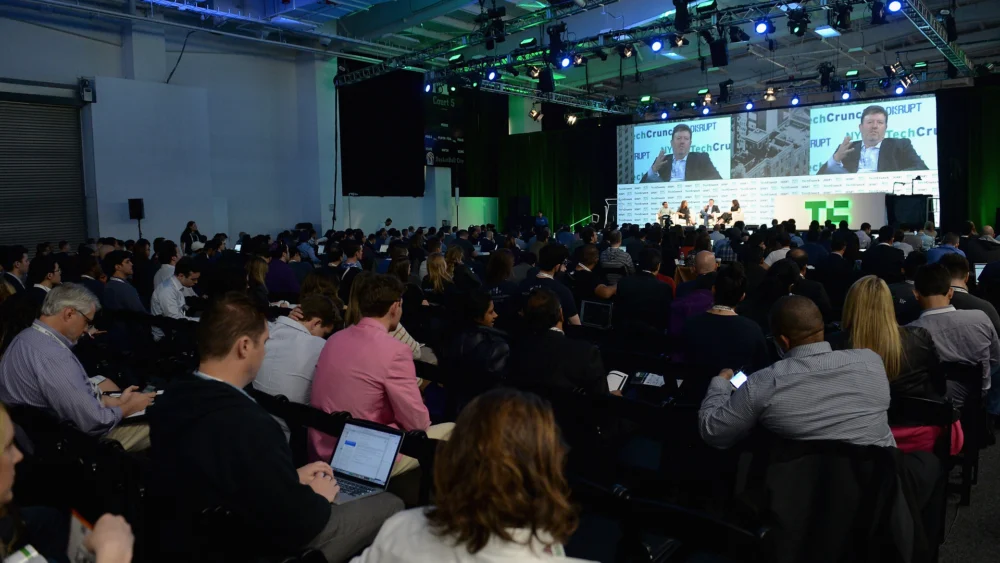
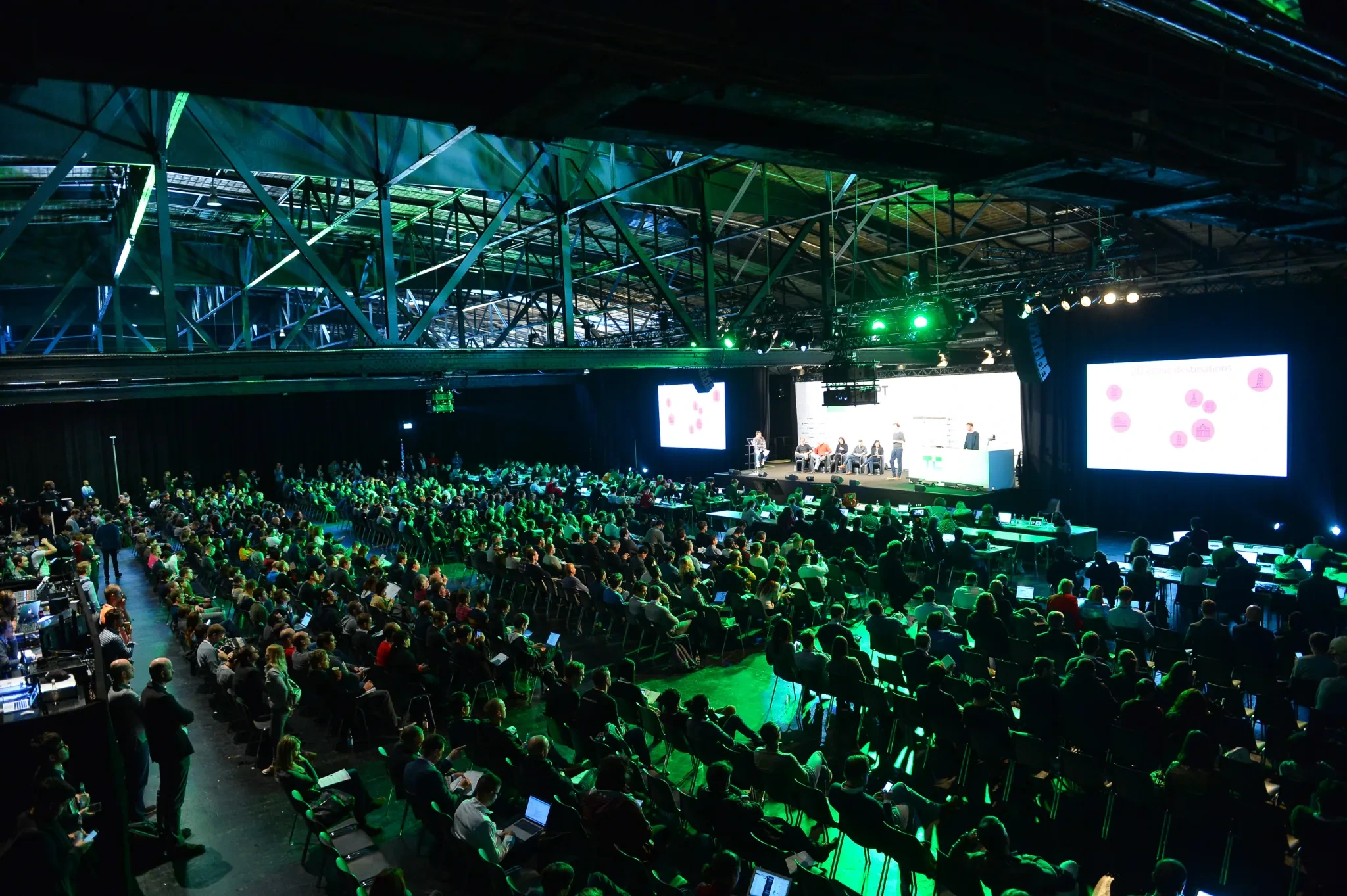
TechCrunch Disrupt 2025 officially commenced its first day at the Moscone West convention center in San Francisco, drawing an estimated 10,000 founders, venture capitalists, and technologists. The event, long considered a cornerstone of the global startup ecosystem, serves as a high-stakes forum for early-stage companies to secure funding and for established leaders to outline the trajectory of emerging sectors. As the tech industry navigates a complex recovery period following the market corrections of recent years, the 2025 summit is focused heavily on the practical applications of generative artificial intelligence, the commercialization of space, and the evolving requirements for taking private companies public in a volatile economic climate.
The Evolution of the Startup Battlefield and Global Impact
Since its inception, TechCrunch Disrupt has served as the launchpad for some of the most influential companies in the modern era, including Dropbox, Mint, and Fitbit. The 2025 iteration continues this legacy through the Startup Battlefield 200, a curated cohort of the world’s most promising early-stage startups. These companies were selected from thousands of applicants through a rigorous vetting process that prioritizes scalability, technical innovation, and market potential.
The focal point of the Disrupt Stage remains the Startup Battlefield competition, often referred to as the "World Series" of startup pitches. The top 20 startups from the broader cohort are selected to present their business models to a panel of seasoned venture capitalists. At stake is a $100,000 equity-free prize and the Disrupt Cup. The judging panel for Day 1 included prominent figures such as Allison Baum Gates of SemperVirens VC, Cathy Friedman of GV, and Nicolas Sauvage of TDK Ventures. The diversity of the sectors represented—ranging from sustainability and fintech to deep tech—underscores a shift in the venture capital landscape toward diversified portfolios and "hard tech" solutions.
Chronology of Day 1: Key Sessions and Strategic Disclosures
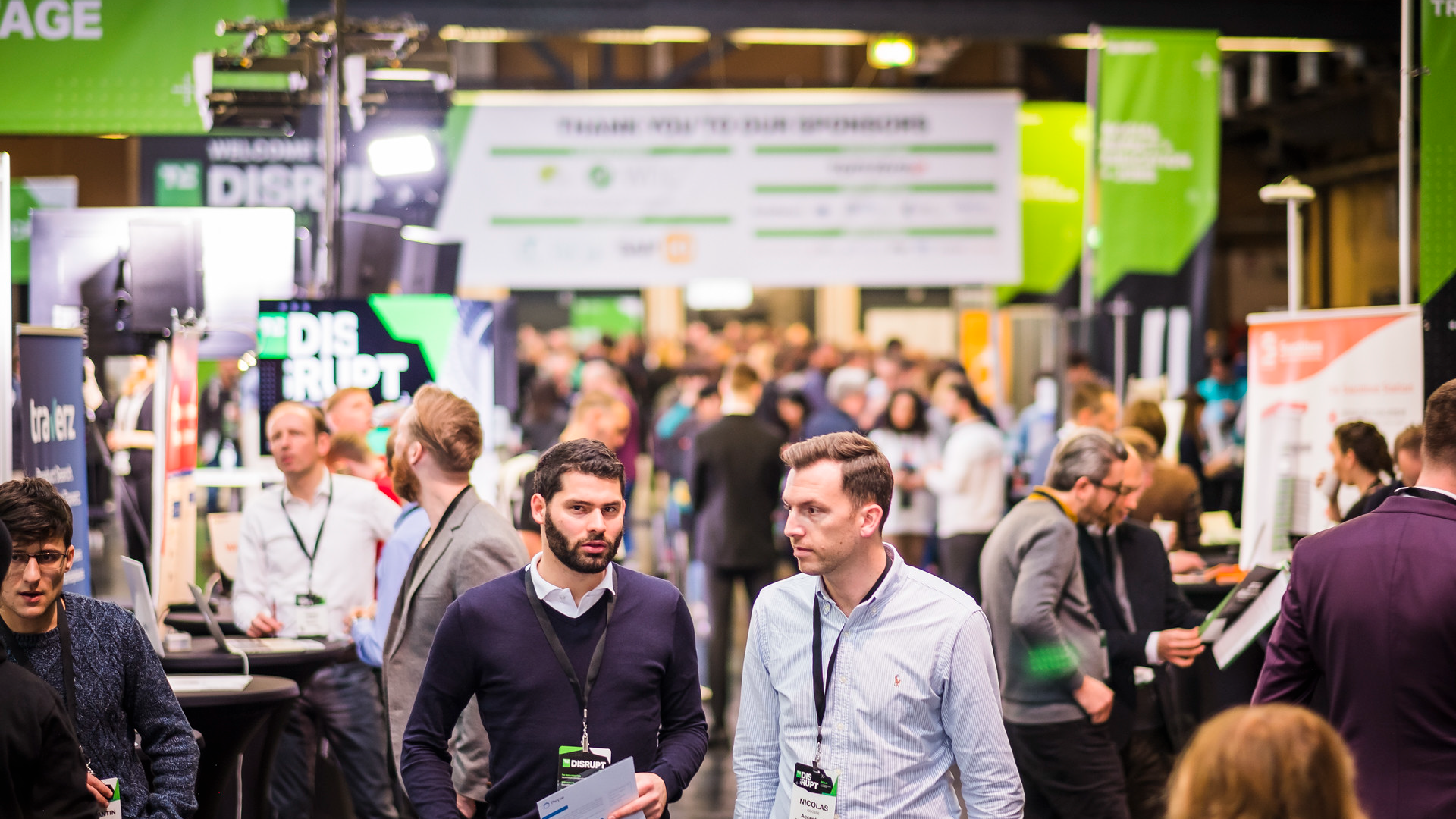
The inaugural day began with "Equity Live," a live recording of TechCrunch’s flagship podcast, which set the tone by analyzing current venture capital trends and the "AI-first" mandate currently dominating Silicon Valley. Following the morning briefing, the Expo Hall opened its doors to showcase more than 300 exhibiting startups, providing a physical marketplace for intellectual property and networking.
A significant highlight of the morning sessions on the Disrupt Stage was "The Self-Driving Reality Check," featuring Tekedra Mawakana, co-CEO of Waymo. Mawakana provided a data-driven overview of the current state of autonomous vehicle deployment, emphasizing safety metrics and the regulatory hurdles involved in scaling robotaxi services beyond initial pilot cities. This was followed by an appearance by Roelof Botha, Managing Partner at Sequoia Capital. Botha’s session, "What Sequoia Sees Coming Next," offered a strategic outlook on the investment firm’s thesis for the late 2020s, focusing on the endurance of the "founder-led" model and the necessity of capital efficiency in an era of higher interest rates.
By midday, the focus shifted toward frontier technologies. Astro Teller, captain of Moonshots at X (formerly Google X), discussed the future of Alphabet’s experimental projects. Teller emphasized that the integration of AI into physical robotics and climate-tech solutions remains the primary objective for "Moonshot" thinking in 2025.
The Emergence of the Space Economy
One of the most notable additions to the 2025 agenda is the dedicated Space Stage, reflecting the rapid maturation of the commercial aerospace sector. Industry data suggests that the global space economy is projected to reach $1.8 trillion by 2035, and the sessions at Disrupt highlighted how startups are moving beyond satellite launches into orbital manufacturing and logistics.
Baiju Bhatt, co-founder of Robinhood, presented his new venture, Aetherflux, which aims to revolutionize energy transmission via space-based infrastructure. This transition from fintech to aerospace by high-profile founders illustrates a broader trend of "serial entrepreneurs" tackling capital-intensive industrial challenges. Additionally, William Bruey, CEO of Varda Space Industries, detailed the company’s progress in creating orbital supply chains. Bruey argued that the microgravity environment of space offers unique advantages for pharmaceutical and semiconductor manufacturing that cannot be replicated on Earth.
The afternoon panel, "Investing at the Edge of Space," featured Celeste Ford of Stellar Ventures and Chris Morales of Point72 Ventures. The discussion focused on the "de-risking" of space investments, noting that the reduction in launch costs—driven largely by reusable rocket technology—has made the sector more accessible to traditional venture capital firms that previously avoided the high barrier to entry.

Strategic Frameworks for the Public Markets
The "Going Public" stage addressed the critical backlog of late-stage startups seeking exits. Following a multi-year drought in Initial Public Offerings (IPOs), the 2025 sessions provided a roadmap for "IPO readiness." David George, General Partner at Andreessen Horowitz, led a session titled "How Long Should a Startup Stay Private?" in which he analyzed the trade-offs between the flexibility of private ownership and the liquidity of public markets.
Don Burnette of Kodiak AI shared insights on the challenges of maintaining a growth trajectory post-IPO, while Eric Yuan, founder and CEO of Zoom, discussed the "post-exit" reality of scaling a global enterprise. A common theme throughout these sessions was the impact of AI on go-to-market (GTM) strategies. Panelists Jane Alexander of CapitalG and Nirav Tolia of Nextdoor argued that late-stage startups must "rewire" their internal operations with AI to maintain the margins required by public market investors.
Supporting Data and Economic Context
The backdrop for TechCrunch Disrupt 2025 is a venture capital environment characterized by "cautious stabilization." According to industry reports, while total venture funding in 2024 showed a slight decline compared to the 2021 peak, the "quality of deals" has improved, with a focus on companies demonstrating clear paths to profitability. San Francisco, despite facing narrative challenges regarding its urban core, remains the undisputed epicenter of AI development, accounting for nearly 40% of all AI-related venture investment globally in the first half of 2025.
Data presented at the "Builders Stage" indicated that early-stage valuations have remained resilient, particularly for companies in the "AI Disruptors 60" list—a new index unveiled at the event to track the most influential AI firms. The "Builders" track also addressed the human capital element of the ecosystem, with sessions on equity distribution and salary benchmarks for early employees, reflecting a more disciplined approach to talent acquisition than seen in previous cycles.
Networking and Ecosystem Connectivity
Beyond the formal presentations, the event utilizes the "Braindate" platform to facilitate peer-to-peer learning and networking. The Networking Lounge and the Deal Flow Cafe—the latter reserved exclusively for founders and investors—serve as the "engine room" of the conference, where preliminary terms for seed and Series A rounds are often discussed.
The geographic footprint of Disrupt extends beyond Moscone West through dozens of "Side Events." These evening gatherings, hosted by firms such as Silicon Valley Bank, Fox Rothschild, and various international trade organizations like JETRO (Japan) and KOTRA (Korea), emphasize the global nature of the 2025 event. International pavilions representing South Korea, Japan, and the Sultanate of Oman highlight the increasing competition among nations to attract and retain high-growth technology companies.
Broader Implications and Industry Sentiment
The first day of TechCrunch Disrupt 2025 suggests a significant shift in the industry’s collective psychology. The "growth at all costs" mentality has been replaced by a focus on "resilient innovation." The heavy emphasis on space, national security AI, and industrial technology indicates that the "software-only" era of Silicon Valley is evolving into a more integrated model where digital intelligence meets physical infrastructure.
The participation of federal agencies and national security experts, such as Daniel Hendrycks of the Center for AI Safety, points to the increasing intersection of technology and geopolitics. As AI becomes a tool of national interest, the startups featured at Disrupt are finding themselves at the center of global policy debates regarding safety, alignment, and sovereign capabilities.
As Day 1 concludes, the consensus among attendees is one of "pragmatic optimism." While the challenges of high interest rates and regulatory scrutiny remain, the sheer volume of technological breakthroughs showcased—from Varda’s space-made drugs to Waymo’s autonomous milestones—suggests that the pace of innovation has not slowed. The remaining days of the conference are expected to further explore these themes, culminating in the crowning of the Startup Battlefield winner and the release of further data regarding the 2026 investment outlook.
TechCrunch Disrupt 2025 continues through the week, with tickets still available for those looking to engage with the sessions on the final days. The event remains a vital barometer for the health of the global innovation economy, providing a rare glimpse into the companies and technologies that will likely define the commercial landscape of the next decade.