admin
admin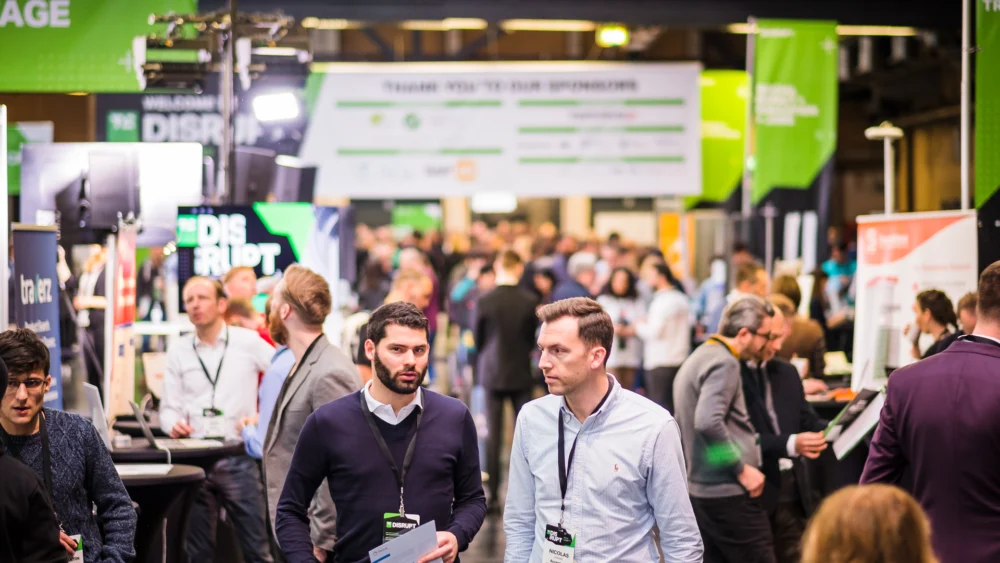
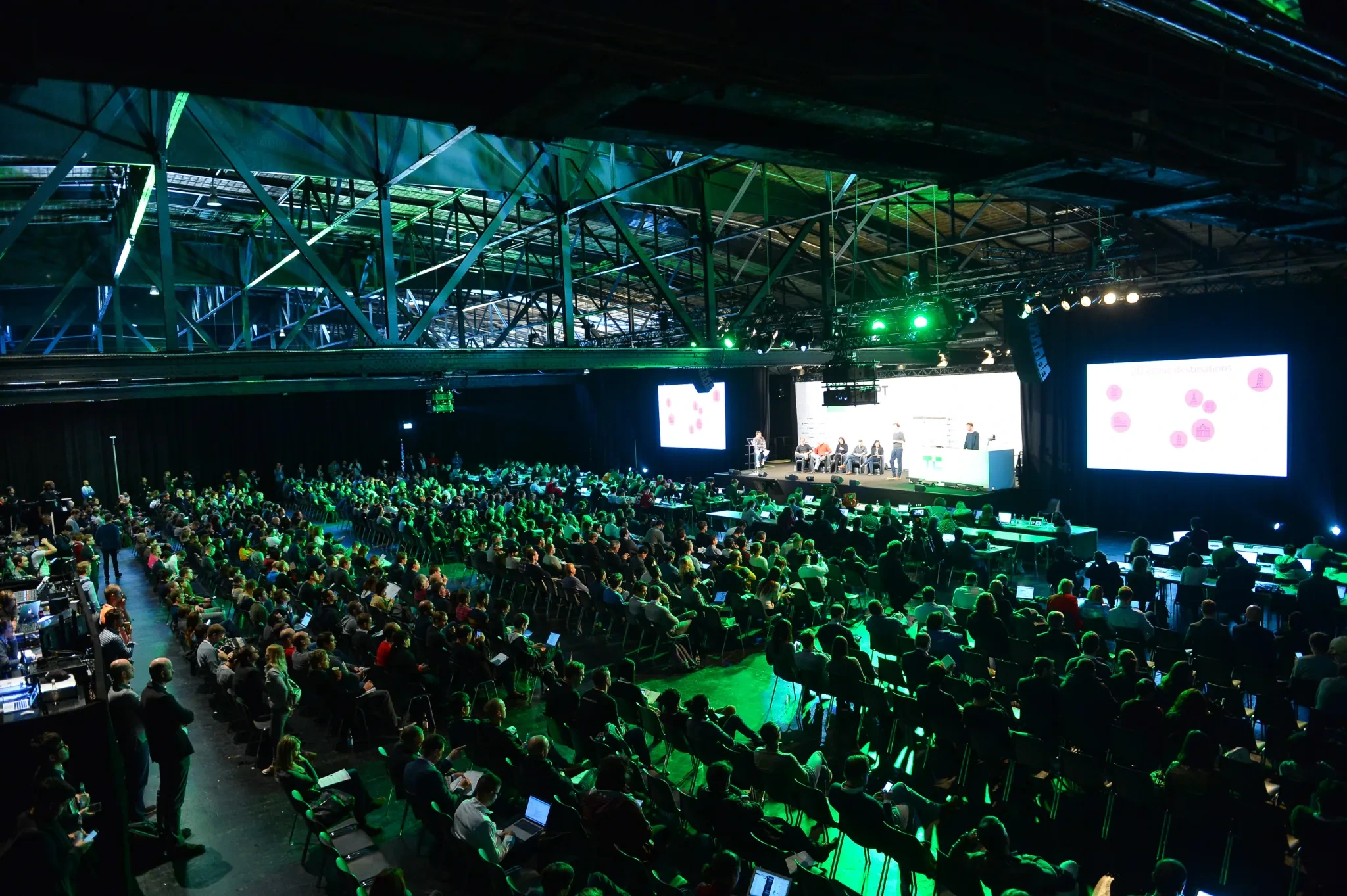
The global technology ecosystem is preparing for a significant convergence as TechCrunch Disrupt 2026 officially announces its return to San Francisco’s Moscone West from October 13–15. The three-day summit is expected to host more than 10,000 founders, venture capitalists, corporate operators, and industry decision-makers, positioning itself as a primary engine for concentrated deal flow and venture activity in the final quarter of the 2026 fiscal year. Unlike traditional trade shows that prioritize broad brand exposure, the 2026 iteration of Disrupt is specifically engineered to facilitate measurable business outcomes, focusing on the conversion of networking energy into tangible growth metrics such as capital injection, strategic partnerships, and customer acquisition.
As the venture capital landscape continues to evolve toward more rigorous due diligence and a preference for proven business models, TechCrunch Disrupt has adapted its programming to serve as a bridge between early-stage innovation and institutional scaling. The event’s organizers have emphasized that the modern startup requires more than just "awareness" in a saturated digital market; it requires direct, high-fidelity access to the individuals who control budgets and investment committees. By hosting the event at Moscone West—a venue synonymous with landmark tech announcements—TechCrunch Disrupt 2026 aims to reinforce San Francisco’s standing as the central hub for the global technology economy.
Strategic Context: The Evolution of TechCrunch Disrupt
Since its inception, TechCrunch Disrupt has served as a rite of passage for many of the world’s most successful technology companies. The "Startup Battlefield" competition, a hallmark of the event, has historically featured early-stage companies that have gone on to raise billions of dollars in aggregate funding and achieve multi-billion-dollar exits. For the 2026 edition, the focus expands beyond the stage to the Expo Hall floor, where the mechanics of business growth are prioritized through a structured exhibitor ecosystem.
The decision to hold the event in mid-October is strategic, aligning with the period when many corporations finalize their budgets for the following year and venture capital firms look to close out their annual investment mandates. By providing a platform for face-to-face interaction, the event seeks to shorten the standard fundraising and sales cycles, which have grown longer in the post-pandemic economic environment. Industry analysts suggest that the "proximity effect"—the ability for a founder to physically demonstrate a product to a decision-maker—remains a critical factor in closing high-value deals.
The Exhibitor Ecosystem: A Multi-Channel Growth Strategy
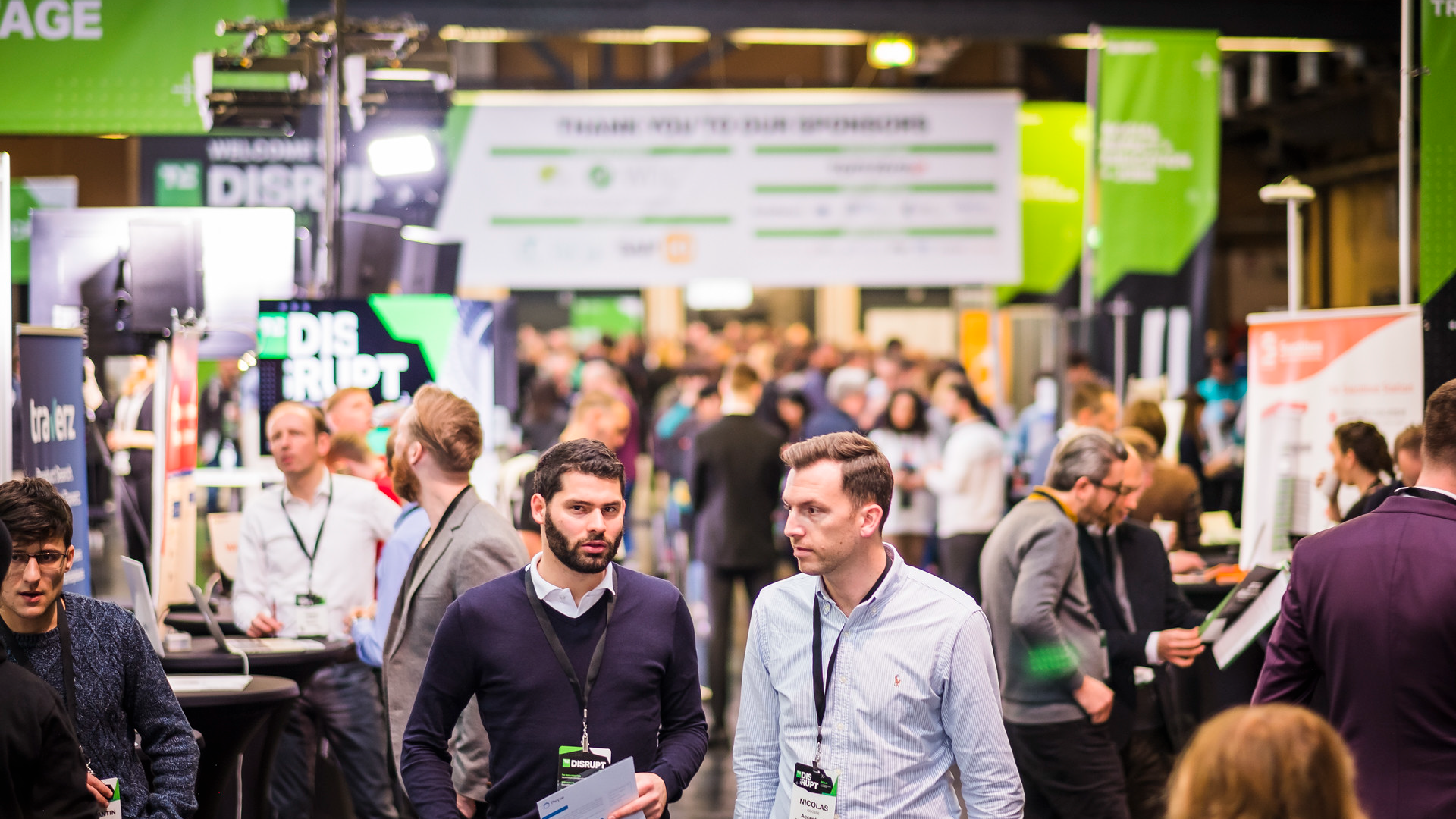
At the heart of the 2026 event is the Disrupt Expo Hall, designed to be a high-density environment for professional engagement. The exhibitor packages offered for this year are tailored to allow startups to execute a multi-departmental strategy. Rather than simply manning a booth, participating companies are encouraged to leverage the event for sales, marketing, and human resources.

A central feature of the exhibitor package is the provision of 10 total passes per company. This allows a startup to deploy a diverse team: sales representatives to capture leads, founders to meet with potential investors, and HR leads to scout for talent among the thousands of operators in attendance. This "team-wide" approach is intended to maximize the return on investment (ROI) by ensuring that every hour of the three-day event is utilized across different business functions.
Furthermore, the integration of the Disrupt mobile app provides exhibitors with instant lead-capture capabilities. In an era where data-driven marketing is paramount, the ability to transition a casual conversation into a digital lead with verified contact information is a significant advantage. This technology ensures that the momentum generated during the event can be seamlessly integrated into a company’s CRM (Customer Relationship Management) system for post-event follow-up.
Investor Proximity and Fundraising Momentum
One of the most persistent challenges for early-stage founders is breaking through the noise of cold digital outreach. TechCrunch Disrupt 2026 addresses this by fostering an environment of "investor proximity." The event attracts a high concentration of angel investors, seed-stage funds, and Tier-1 venture capital firms. For exhibitors, the physical presence on the expo floor serves as a continuous live demo, allowing investors to witness product-market fit and founder competence in real-time.
Fundraising at Disrupt is not limited to formal pitch sessions. The event’s architecture encourages "serendipitous networking"—the informal meetings that occur in the Expo Hall, during breakout sessions, or in curated networking lounges. By associating their brand with the TechCrunch name, startups gain a level of institutional credibility that can be difficult to build independently. This "halo effect" of being a featured Disrupt exhibitor can be a deciding factor for investors who are looking for startups that have been vetted by a major industry platform.
Chronology of the Three-Day Event
The structure of TechCrunch Disrupt 2026 is designed to build momentum over seventy-two hours. The timeline for the event follows a logical progression of engagement:
Day One: Orientation and Initial Outreach
The opening day focuses on high-level keynote addresses and the unveiling of major industry trends. For exhibitors, this is the primary window for "filling the pipeline." As attendees explore the Expo Hall for the first time, the focus is on volume—capturing as many high-quality leads as possible through the Disrupt app and engaging in initial discovery conversations.

Day Two: Deep Dives and Strategic Networking
By the second day, the intensity of the event shifts toward deeper discussions. This is typically when follow-up meetings from Day One occur. Founders often use this time for scheduled "coffee chats" with investors or more detailed technical demonstrations with potential corporate partners. The breakout sessions and specialized stages provide a backdrop for startups to position themselves as thought leaders in specific verticals such as Artificial Intelligence, Fintech, or SaaS.
Day Three: Closing Deals and Future Planning
The final day is characterized by a focus on conversion. The closing ceremonies and the final rounds of the Startup Battlefield create a high-energy environment. Exhibitors use this time to solidify the connections made earlier in the week. The goal of Day Three is to leave the Moscone West with a clear roadmap for Q4, backed by a list of verified leads and a schedule of follow-up meetings.
Supporting Data: The Economic Impact of Tech Conferences
The importance of events like TechCrunch Disrupt is backed by broader economic data regarding B2B (business-to-business) marketing and venture capital. According to industry reports, nearly 70% of B2B marketers state that in-person events are their most effective channel for generating high-quality leads. Additionally, data from previous Disrupt events indicates that companies featured on the expo floor see a significant uptick in web traffic and inbound inquiries in the weeks following the conference.
In the context of San Francisco, the return of large-scale tech events is a vital component of the city’s economic recovery. Moscone West, as a premier venue, has seen a resurgence in bookings as tech companies move away from purely remote work and digital-only events. The "concentration of talent" that occurs during Disrupt 2026 is expected to generate millions of dollars in local economic activity, from hospitality to professional services.
Broader Implications and Industry Analysis
The announcement of TechCrunch Disrupt 2026 comes at a time when the tech industry is undergoing a "flight to quality." Investors are no longer satisfied with high growth at any cost; they are looking for sustainable business models and founders who can navigate complex market dynamics. By providing a venue for rigorous interaction, TechCrunch Disrupt acts as a filter for the ecosystem.
For the startups involved, exhibiting is a statement of intent. It signals to the market that the company has the resources and the confidence to stand alongside the industry’s best. The association with the TechCrunch brand—spanning the Disrupt website, the event app, and the sponsor directory—provides a year-round benefit in terms of SEO (Search Engine Optimization) and brand search volume.

Furthermore, the event serves as a barometer for the health of the tech sector. The themes discussed on the main stage and the types of companies populating the Expo Hall will provide a clear indication of which technologies are moving from the "hype cycle" into real-world application. As AI and machine learning continue to dominate the discourse, Disrupt 2026 is expected to be a primary showcase for the next generation of "AI-native" enterprises.
Conclusion and Call to Action for Stakeholders
As the technology landscape becomes increasingly competitive, the value of physical presence and high-fidelity networking cannot be overstated. TechCrunch Disrupt 2026 offers a unique window for companies to accelerate their growth trajectories before the end of the year. With limited exhibit table spaces available on a first-come, first-served basis, the organizers have encouraged interested parties to secure their positions early to ensure maximum brand visibility.
The event stands as a testament to the enduring power of the Silicon Valley ecosystem. By bringing together the brightest minds in tech for three days of intensive deal-making, TechCrunch Disrupt 2026 is poised to set the agenda for the industry well into 2027 and beyond. For those looking to do more than just exhibit, additional sponsorship opportunities are available to further amplify a brand’s presence at what is widely considered the most influential startup event in the world. As the industry looks toward October 2026, the focus remains clear: turning innovation into measurable, scalable, and sustainable business growth.