admin
admin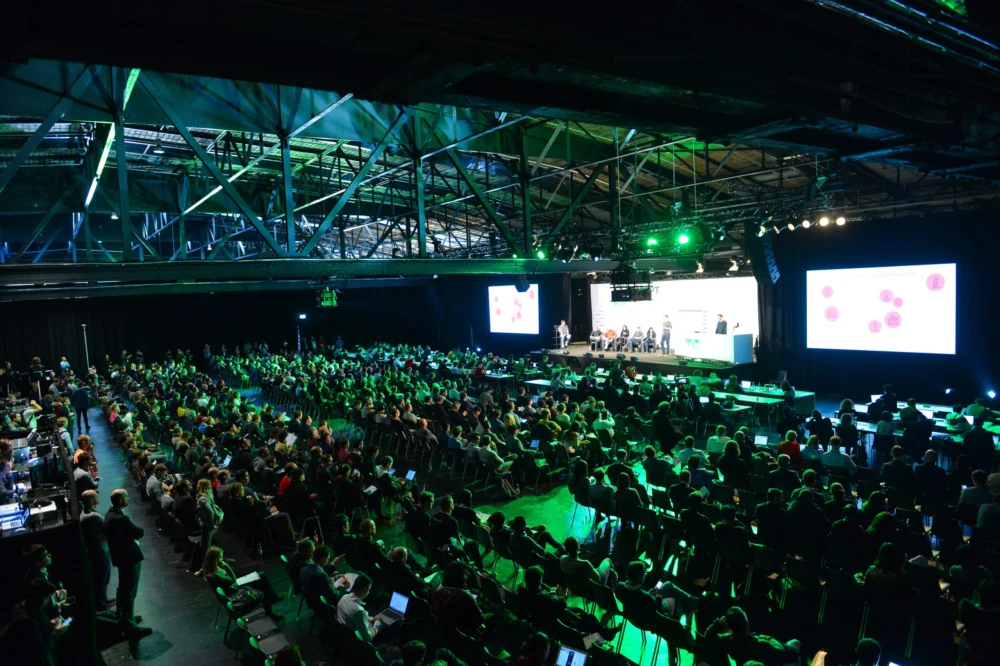
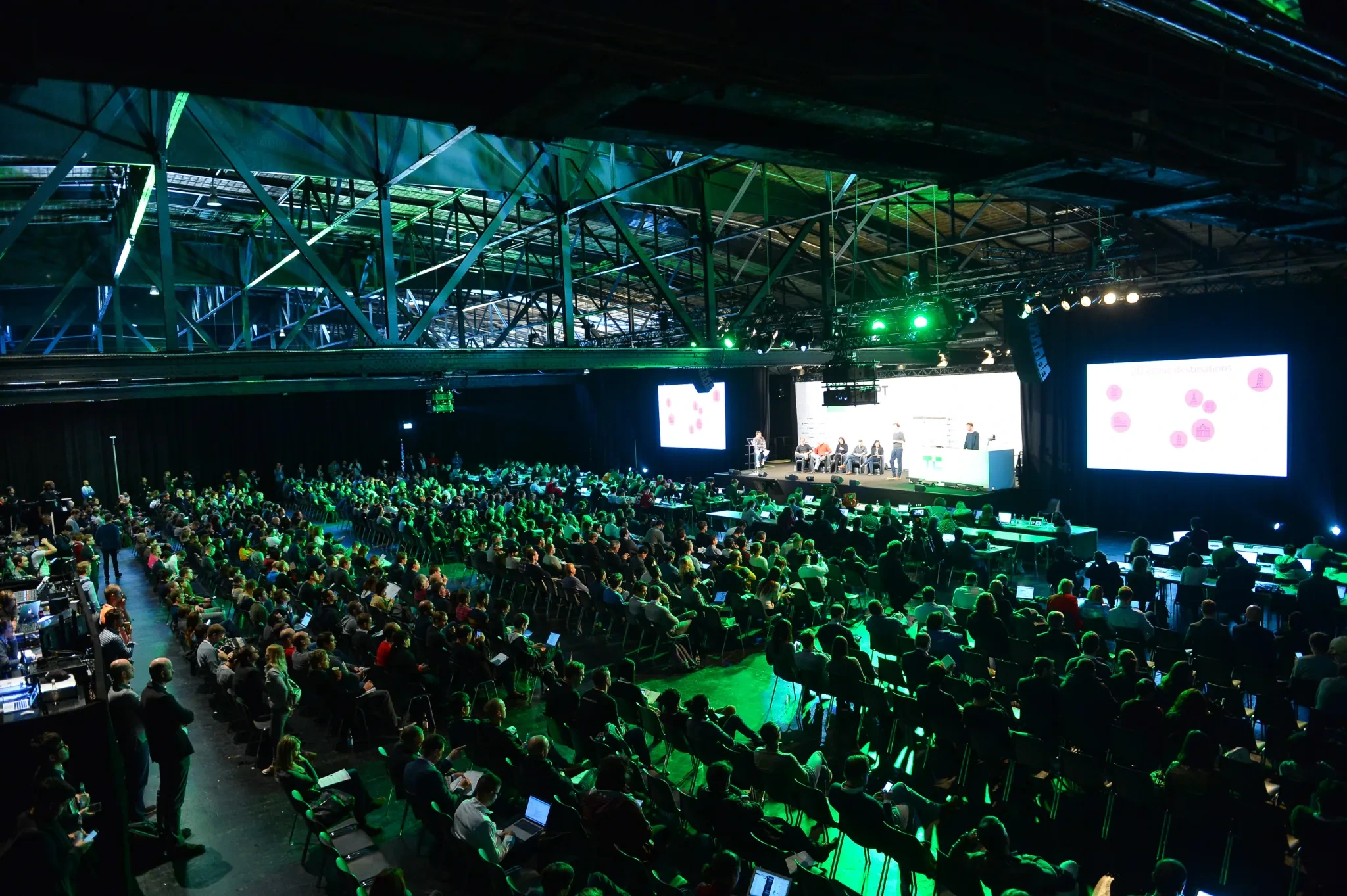
The second day of TechCrunch Disrupt 2025 commenced today at San Francisco’s Moscone West, marking a critical midpoint for an event that has long served as the primary barometer for the global startup ecosystem. As the doors opened at 8:00 a.m. PT, thousands of founders, investors, and technologists gathered to navigate a dense schedule of keynote addresses, technical workshops, and high-stakes pitch competitions. Following a high-energy opening day, the second installment of the three-day summit shifted its focus toward the practical scaling of artificial intelligence, the evolving landscape of venture capital liquidity, and the physical manifestation of digital intelligence through robotics.
The atmosphere within Moscone West reflects a cautious but determined optimism characterizing the 2025 tech sector. While the "ZIRP" (Zero Interest Rate Policy) era of exuberant spending has concluded, the surge in generative AI development has provided a new foundation for growth. For attendees arriving mid-week, organizers have facilitated continued access by offering late-registration tickets at a 50% discount off standard walk-up rates, a move intended to maximize the diversity of the "on-the-ground" community during the event’s most intensive networking windows.
The Strategic Importance of the Expo Hall and Startup Battlefield
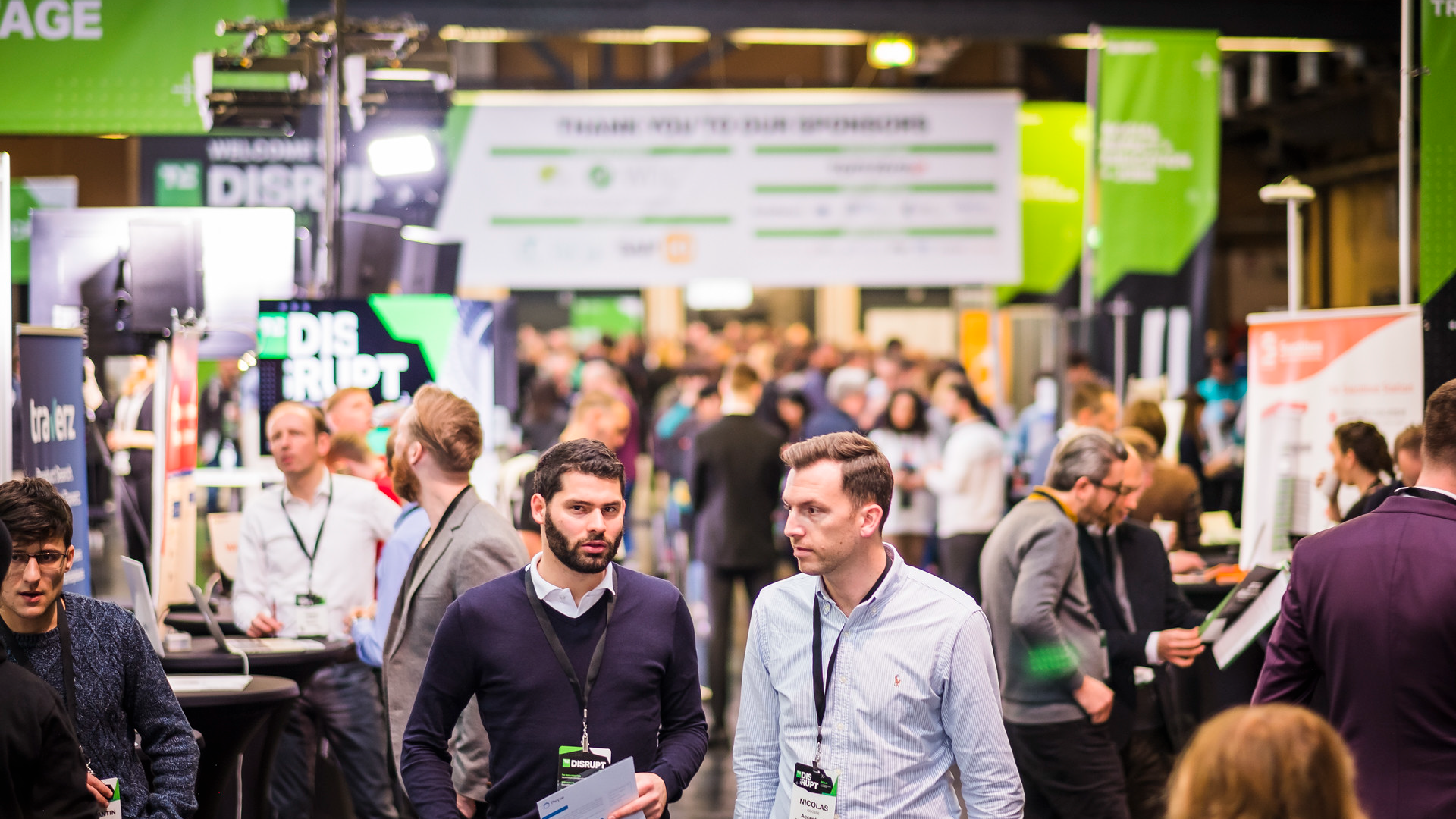
At the heart of the Moscone West floor sits the Expo Hall, a sprawling showcase featuring more than 300 early-stage startups. This year’s cohort is notably dominated by enterprise AI solutions, climate tech, and fintech innovations. The Expo Hall serves as more than just a display space; it is a live marketplace where founders engage in the "Startup Battlefield 200," a curated group of companies selected from thousands of applicants worldwide. These startups are vying for the prestigious Disrupt Cup and a $100,000 equity-free grand prize, a competition that historically launched companies like Dropbox, Mint, and Fitbit.
Throughout the morning, the Pitch Showcase Stage hosted back-to-back sessions, beginning with Consumer Pitches at 9:30 a.m., followed by specialized Pavilion sessions from international delegations representing Catalonia and Poland. By the afternoon, the focus transitioned to Enterprise Pitches, highlighting the industry’s pivot toward B2B SaaS models that integrate autonomous agents. This international presence underscores San Francisco’s enduring status as the "AI Capital of the World," attracting global talent despite ongoing debates regarding the decentralization of Silicon Valley.
Main Stage Insights: Khosla, Netflix, and the Future of Consumption
The Disrupt Stage, the event’s primary forum for high-level discourse, featured a headline conversation with Vinod Khosla, founder of Khosla Ventures. Khosla, an early and vocal backer of OpenAI, provided a "no filters" assessment of the current technological trajectory. His analysis centered on the belief that AI will eventually perform 80% of 80% of all jobs, fundamentally restructuring the global economy. Khosla’s presence is particularly significant given his firm’s recent $15.4 billion capital raise, signaling that while the bar for funding has risen, the scale of investment for "moonshot" technologies remains unprecedented.
The narrative of digital transformation continued with Elizabeth Stone, Chief Technology Officer at Netflix. Stone’s session addressed the technical challenges of maintaining a global streaming lead as AI begins to influence content recommendation engines and production workflows. As streaming services face increased pressure to achieve profitability, Stone’s insights into the "next for Netflix" provided a roadmap for how legacy digital leaders are defending their moats against AI-native competitors.
Later in the afternoon, the stage welcomed back Brynn Putnam, the founder of MIRROR. Her return to the Disrupt stage serves as a case study in the founder’s journey—from a successful exit to Lululemon to navigating the post-acquisition landscape and identifying new market gaps. This was followed by a reveal from Slate Auto, where CEO Chris Barman introduced a new electric truck, highlighting the intersection of hardware innovation and sustainable logistics.
The AI Stage: From Synthetic Voices to Physical Intelligence
Reflecting the current investment climate, the AI Stage remained the most consistently crowded venue on Day Two. The programming opened with a panel of veteran venture capitalists, including Aileen Lee of Cowboy Ventures and Steve Jang of Kindred Ventures, who discussed the specific metrics they now use to evaluate AI startups. The consensus among the panel suggested a move away from "wrapper" startups toward companies building proprietary data layers or solving high-friction industry problems.
Technical deep dives dominated the midday sessions. Edo Liberty, founder of Pinecone, discussed why search remains the "next frontier" for AI, emphasizing the role of vector databases in reducing hallucination in Large Language Models (LLMs). This was complemented by a conversation with Or Lenchner, CEO of Bright Data, on the transition from traditional web pages to autonomous agents.
A standout session titled "Intelligence in Motion" featured Jeff Cardenas of Apptronik and Raquel Urtasun of Waabi. They explored the rise of "Physical AI," where machine learning is applied to robotics and autonomous trucking. This shift signifies a maturation of the AI sector, moving beyond chatbots to applications that interact with the physical world, a trend that analysts suggest will drive the next decade of industrial productivity.
Builders and Breakout Sessions: Scaling in a Competitive Market
For founders focused on the "how-to" of company building, the Builders Stage offered tactical advice on achieving product-market fit. Partners from NEA and ICONIQ shared frameworks for scaling in an environment where customer acquisition costs are rising. A particularly timely session titled "Do Startups Still Need Silicon Valley?" featured David Hall of Revolution’s Rise of the Rest, sparking a debate on the efficacy of regional tech hubs versus the traditional San Francisco nexus.
Simultaneously, the Breakout Stage addressed niche but critical verticals. A panel on "Rewriting Healthcare Workflows with AI" featured Kanyi Maqubela of Kindred Ventures, who argued that healthcare remains the sector most ripe for AI-driven disruption due to its massive administrative overhead. Another session focused on the "Family Office Playbook," providing founders with insights into how the world’s wealthiest individuals are increasingly bypassing traditional VC funds to invest directly in startups.
Networking Ecosystems: Braindate and the Deal Flow Cafe
Recognizing that the value of Disrupt often lies in serendipitous encounters, the 2025 event has doubled down on structured networking. The "Women of Disrupt Breakfast Reception" held at the Deal Flow Cafe earlier this morning provided a dedicated space for female-identifying founders and investors to coordinate. This initiative is part of a broader effort by TechCrunch to address the persistent gender gap in venture funding, which saw female founders receive less than 3% of total VC dollars in recent years.
The "Braindate" platform has been utilized throughout the day to facilitate small-group knowledge sharing. From 9:00 a.m. to 5:00 p.m., attendees have been engaging in peer-to-peer learning on topics ranging from "Vibe Coding" to "CVC Superpowers." For those with Investor Passes, the "StrictlyVC" track provided a private environment for Limited Partners (LPs) and General Partners (GPs) to discuss liquidity trends and the future of venture capital distributions, featuring voices from Makena Capital and Cendana Capital.
Broader Impact and Industry Implications
The proceedings of Day Two suggest that the tech industry is in a period of "productive consolidation." The emphasis on "Agentic AI" and "Reinforcement Learning" indicates that the industry is moving past the initial excitement of generative models toward the creation of functional, autonomous systems.
From a macroeconomic perspective, the heavy presence of Corporate Venture Capital (CVC) leaders, such as Nicolas Sauvage of TDK Ventures, points to a trend where established corporations are becoming essential exit partners and early-stage backers in a stalled IPO market. The integration of defense tech, represented by Mach Industries’ Ethan Thornton, also reflects a shift in Silicon Valley’s willingness to engage with dual-use technologies and national security interests.
As the day concludes, the energy of Disrupt 2025 shifts from the Moscone West floor to various "Side Events" across San Francisco. These company-hosted parties and meetups are designed to solidify the relationships formed during the day’s sessions. With one day remaining, the focus of the summit will tomorrow turn toward the final Startup Battlefield championship and a closing look at the regulatory landscape facing the next generation of tech titans.
TechCrunch Disrupt 2025 continues to prove that while the methods of innovation are changing, the necessity of a centralized forum for the "collision of ideas" remains a cornerstone of the global startup economy. For those still looking to participate, the final day promises to provide the definitive conclusion to the year’s most anticipated tech gathering.