admin
admin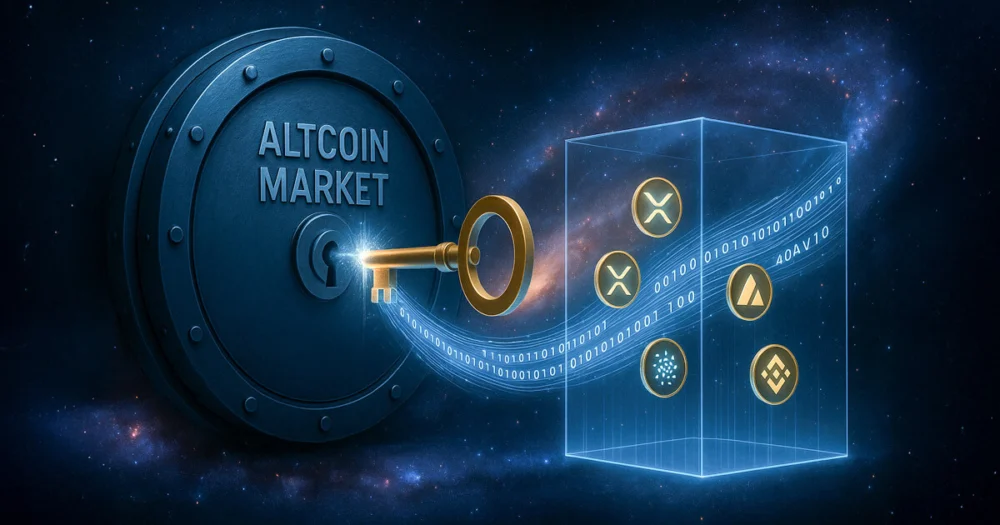
The European Union’s Markets in Crypto-Assets (MiCA) regulation, fully enforced and operational since June 30, 2024, has fundamentally reshaped the cryptocurrency landscape, ushering in an era where exchanges are mandated to prioritize regulatory compliance and user safety, a critical step toward mainstream adoption. This regulatory shift is underscored by the decisive actions of several prominent crypto exchanges, such as Binance, which announced the delisting of nine stablecoins, including Tether (USDT), in the European market, a move widely interpreted as a win for regulated stablecoin issuers like Circle and its USD Coin (USDC). This proactive approach to compliance reflects a broader industry desire to mature and integrate into the traditional financial system.
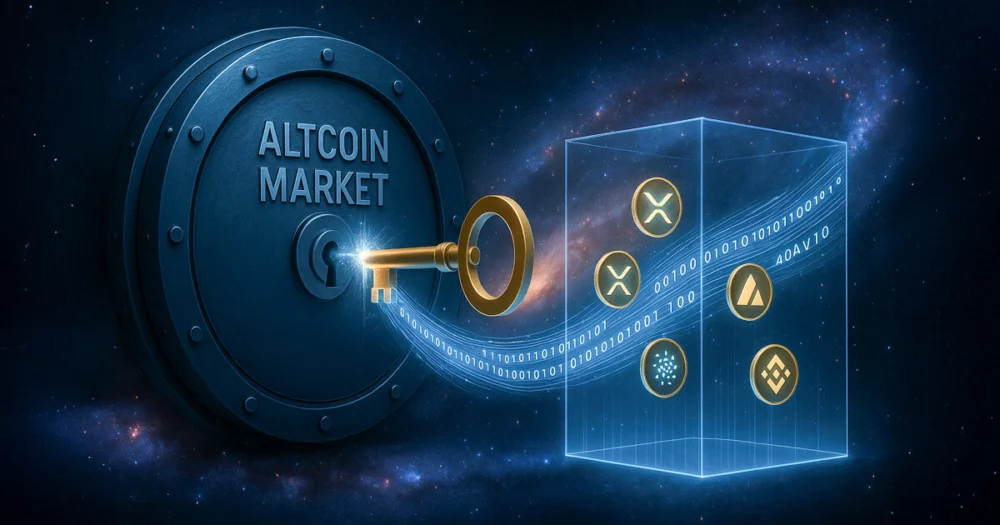
As these regulations continue to solidify throughout 2024, the altcoin market is poised for substantial growth. Regulated exchanges are not merely facilitators of transactions; they are becoming essential pillars for the long-term viability and expansion of the altcoin ecosystem. The journey toward compliance, coupled with the maturation of the altcoin market across the EU, will be heavily dependent on the capacity of these exchanges to innovate and adapt in the critical months ahead.
The Regulatory Crucible: Navigating the Impact of MiCA
The delisting of non-compliant stablecoins is merely the initial ripple effect of MiCA. The regulation’s comprehensive scope will continue to influence operational requirements, bolster consumer protection measures, and strengthen anti-money laundering (AML) and counter-terrorist financing (CTF) protocols. MiCA’s overarching objective is to foster an environment of trust and security within the digital asset space. This contrasts with certain market hubs, such as Singapore and Hong Kong, which have opted for policies aimed at encouraging innovation through a more "lighter-touch" regulatory approach, as detailed in analyses of global stablecoin regulation.
The financial and operational costs associated with achieving and maintaining MiCA compliance, alongside the potential reduction in trading volumes resulting from delistings, are likely to exert deflationary pressures on the industry in the short term. However, what may appear disruptive in the immediate future is a vital and necessary step towards long-term sustainability. At this pivotal juncture, crypto exchanges face a stark choice: adapt to the new regulatory paradigm or risk obsolescence. The central question remains: can the industry successfully navigate this transition while sustaining its growth trajectory?
A Chronology of Regulatory Evolution in the EU
The path to MiCA’s enforcement has been a multi-year process, beginning with its proposal by the European Commission in September 2020. Following extensive deliberations and amendments by the European Parliament and the Council of the European Union, the regulation was formally adopted in June 2022. The two-year transitional period allowed crypto-asset service providers (CASPs) and other entities to prepare for full compliance. The deadline for CASPs to obtain authorization under MiCA was January 17, 2025, with specific provisions for stablecoins taking effect earlier. This phased implementation has provided a roadmap for industry participants to adjust their operations and legal frameworks.
The delisting of USDT by Binance in the EU, effective from June 20, 2024, serves as a tangible example of this regulatory pressure. This decision followed Binance’s earlier announcement in February 2024, indicating that the exchange would cease offering USDT-denominated trading pairs for several European markets. This move was precipitated by concerns that USDT might not fully comply with MiCA’s requirements for asset-referenced tokens and e-money tokens by the stipulated deadlines. This proactive step by a major exchange demonstrates a commitment to operating within the new regulatory framework, potentially influencing other market participants.
Counteracting Deflationary Pressures: The Altcoin Opportunity
The strategic leverage of altcoins presents a significant opportunity to offset potential deflationary effects arising from regulatory adjustments. While the performance of Ethereum has shown relative stability and Bitcoin has retreated from its earlier all-time highs in 2024, altcoins are widely anticipated to experience substantial growth. This optimism is further fueled by the cooling interest in memecoins, exemplified by the recent "Libra scandal" in Argentina, which highlighted the speculative and often volatile nature of these assets. The scandal involved a memecoin purportedly linked to President Javier Milei, causing significant market disruption and underscoring the risks associated with purely hype-driven digital assets.
The trajectory of the altcoin market is intrinsically linked to the future development of the broader cryptocurrency industry. A new generation of altcoins is emerging, focused on building robust ecosystems that offer practical utility and address real-world challenges, distinguishing themselves from the speculative fervor of memecoins. Market analysis suggests that in the upcoming market cycle, altcoins may even surpass Bitcoin’s dominance, moving beyond simple asset rotation.
Data-Driven Insights into Altcoin Resilience
Despite Bitcoin experiencing significant price dips, such as falling below the $80,000 mark earlier in the year, altcoins have demonstrated comparatively smaller declines. Crucially, many altcoins have not revisited their yearly lows, indicating reduced sell pressure and a potential for rallies driven by increased buying interest. This resilience can be partly attributed to the growing institutional appetite for diversified exposure beyond Bitcoin and Ethereum. As institutional investors increasingly seek broader market participation, altcoins with demonstrable utility and innovative use cases are becoming attractive alternatives.
For instance, projects focused on decentralized finance (DeFi) infrastructure, blockchain-based gaming (GameFi), and supply chain management solutions are gaining traction. These sectors represent tangible applications of blockchain technology, offering clear value propositions that resonate with both retail and institutional investors looking for long-term growth potential. The increasing flow of institutional capital into these segments, facilitated by regulated platforms, is a strong indicator of their potential to drive the next wave of crypto market expansion.
A report by CoinShares in early 2024 indicated a significant uptick in institutional investment flowing into digital asset funds, with a notable portion allocated to altcoin-focused products, suggesting a growing confidence in the sector’s future. This trend is supported by the development of more sophisticated investment vehicles and custody solutions that cater to institutional needs, further bridging the gap between traditional finance and the digital asset market.
Creativity Within Regulatory Boundaries: The Role of Regulated Exchanges
The realization of altcoins’ growth potential is contingent upon the establishment of stable and legally sound trading conditions. Regulated exchanges are instrumental in providing the necessary infrastructure that enables projects to flourish within transparent markets, fostering the growth and widespread adoption of cryptocurrencies.
Adherence to regulations like MiCA is no longer an aspirational goal but has become an industry standard, laying the groundwork for the sustainable development of altcoins. By prioritizing consumer protection and market integrity, regulated exchanges create a secure environment for both investors and innovative projects. This regulatory certainty is paramount for the long-term health of the crypto market and for attracting institutional capital. This new frontier of digital asset markets is not solely defined by token appreciation; it is about building a robust and trustworthy financial architecture.
Supporting Data on Regulatory Impact and Market Growth
Research by industry analytics firms indicates a correlation between regulatory clarity and increased market participation. For example, regions with established regulatory frameworks have often seen higher rates of retail and institutional investment in digital assets. The European Securities and Markets Authority (ESMA) and the European Banking Authority (EBA) are key regulatory bodies overseeing the implementation of MiCA, ensuring consistent application across member states.
The development of the EU’s crypto banking sector, in particular, has seen significant expansion, with reports suggesting it is outpacing other major global financial hubs. This growth is directly attributable to the proactive regulatory environment fostered by frameworks like MiCA, which provide a clear operational roadmap for financial institutions engaging with crypto assets. This regulatory leadership is expected to attract further innovation and investment into the region.
Welcoming the Era of Responsible Altcoin Growth
The European Union is rapidly positioning itself as a preeminent global crypto hub, demonstrating leadership in areas such as crypto banking and regulatory standardization. Frameworks like MiCA are instrumental in cultivating an environment where the pitfalls of past speculative manias, such as those associated with memecoins, are mitigated, ensuring that the impact of cryptocurrency is not only lasting but also overwhelmingly positive.
Within this evolving landscape, regulated exchanges are the architects of a more responsible and sustainable future for digital assets. By emphasizing legal clarity and fostering a culture of compliance, they create the conditions for genuine crypto innovation to flourish. The development of altcoin initiatives with tangible utility and long-term potential is made possible by the secure and stable infrastructure provided by these regulated platforms. This ensures that the sector’s growth is underpinned by both confidence and stability, marking the dawn of a new era where compliant exchanges stand at the forefront of responsible altcoin expansion. The emphasis has shifted from a Wild West of speculation to a structured market driven by innovation, utility, and robust investor protection.