admin
The landscape of professional networking within the technology sector is undergoing a fundamental transformation, moving away from serendipitous encounters toward curated, high-impact interactions. This shift is central to the upcoming TechCrunch Founder Summit 2026, scheduled for November 4 at the SoWa Power Station in Boston. The event aims to move beyond the traditional conference model by integrating the Braindate platform, a system designed to facilitate intentional one-on-one and small-group discussions centered on specific operational challenges and expertise. As the venture capital environment becomes increasingly focused on sustainable growth and profitability, the summit’s emphasis on peer-to-peer knowledge exchange reflects a broader industry trend where founders prioritize actionable insights over general inspiration.
Strategic Networking via the Braindate Framework
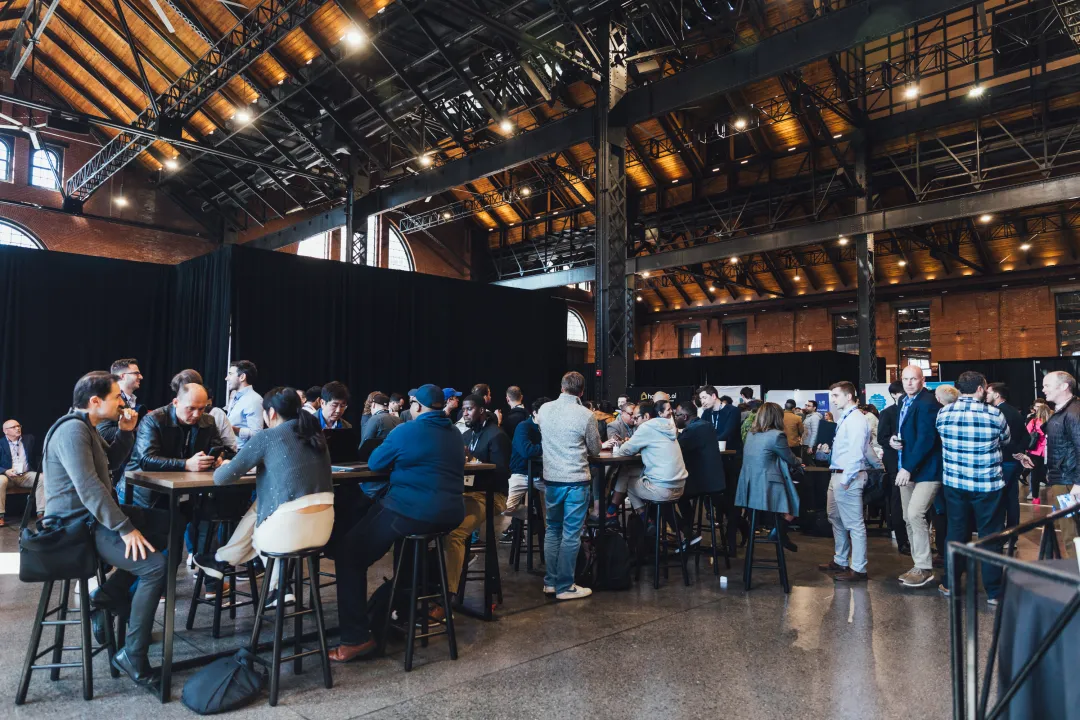
The integration of Braindate at the Founder Summit represents a departure from the "passive attendee" model. Instead of relying on the chance of meeting a relevant contact during a coffee break, participants are encouraged to list specific topics they wish to discuss or challenges they are currently facing. This creates a marketplace of knowledge where founders can browse a directory of expertise and schedule dedicated time in the Networking Lounge.
Historical data suggests that targeted networking significantly improves the ROI of event attendance for early-stage executives. According to industry analysis, founders who engage in structured peer mentorship are 20% more likely to navigate the "scaling gap"—the difficult transition between seed funding and Series B—successfully. By formalizing these interactions, the summit addresses the isolation often felt by tech leaders, providing a venue where they can compare fundraising strategies, discuss hiring difficulties in a competitive talent market, and share lessons on achieving product-market fit.
The Boston Ecosystem and the SoWa Power Station Venue
The choice of Boston as the host city for the 2026 summit is strategic. Boston consistently ranks among the top five global startup ecosystems, driven by its proximity to world-class research institutions like MIT and Harvard. In 2025, the Boston-Cambridge area saw a resurgence in biotechnology and artificial intelligence investment, accounting for a significant portion of East Coast venture activity. The SoWa Power Station, a restored 19th-century industrial site, provides a symbolic backdrop for an event focused on "building" and "scaling." The venue’s expansive floor plan is being utilized to house distinct zones: the Build and Impact stages, the Expo Hall for scaling solutions, and the dedicated Braindate Networking Lounge.

The summit’s timeline begins long before the November 4 doors open. Registrants gain early access to the networking platform weeks in advance, allowing them to populate the agenda with topics that reflect the current market climate. This pre-event engagement ensures that the day of the summit is spent in high-value conversations rather than introductory logistics.
Key Programmatic Tracks: Build and Impact
The Founder Summit’s agenda is structured around the core questions currently dominating the startup world. The "Build" track focuses on the mechanics of growth, including organizational structure, technical debt, and enterprise sales. Conversely, the "Impact" track examines the broader implications of a company’s trajectory, including market positioning and long-term sustainability.
Several high-profile speakers are set to lead these discussions, providing the foundational knowledge that will then fuel the Braindate sessions. Kent Bennett, a partner at Bessemer Venture Partners, is scheduled to discuss the nuances of product-market fit. Bessemer, known for its "Anti-Portfolio" and its early bets on companies like LinkedIn and Shopify, brings a data-driven perspective to the summit. Bennett’s session is expected to highlight the importance of rigorous metrics in a market that no longer rewards growth at any cost.
Following the main stage presentations, the Braindate platform allows attendees to immediately apply these insights. For instance, after hearing Dave Balter of True Ventures and Edisyl unpack the elements of a successful pitch, founders can join roundtables to compare their own decks and receive peer feedback. This iterative process—listening to an expert and then immediately discussing the application with peers—is a hallmark of the summit’s educational philosophy.
Scaling Insights from Industry Veterans
A focal point of the event will be the session featuring Steve Fredette, co-founder of Toast. Since its founding in Boston, Toast has become a case study in successful scaling within the fintech and hospitality sectors. Fredette’s participation provides a local success story that resonates with the summit’s core audience. Analysts suggest that Fredette’s insights into navigating changing markets will be particularly relevant as founders look for ways to insulate their startups against macroeconomic volatility.

The inclusion of interactive roundtables further emphasizes the hands-on nature of the event. Unlike traditional Q&A sessions, these roundtables are limited in size to ensure that every participant can contribute. Topics are expected to include:
- Landing enterprise customers without a large-scale sales organization.
- Building resilient internal cultures during periods of rapid headcount growth.
- The transition from founder-led sales to professionalized sales teams.
- Strategies for securing bridge rounds in a tightening capital environment.
Broader Economic Impact and Industry Implications
The TechCrunch Founder Summit arrives at a pivotal moment for the tech industry. After the "correction" period of 2023-2024, the 2026 outlook for startups is one of cautious optimism. However, the barrier for entry into elite funding circles remains high. Events like the Founder Summit serve as a critical infrastructure for the "middle layer" of the startup economy—companies that have moved past the initial idea phase but require sophisticated strategic guidance to reach the next level.
Industry observers note that the move toward smaller, more focused summits is a response to "conference fatigue." Large-scale trade shows often provide breadth but lack the depth required for meaningful professional development. By limiting the scale of the Founder Summit and prioritizing high-touch networking, TechCrunch is positioning the event as a high-utility alternative to the massive tech festivals of the past decade. This approach is likely to influence how other major tech organizations structure their regional events in the future.
Registration Logistics and Accessibility
To encourage collaborative attendance, TechCrunch has implemented a strategic pricing model for the 2026 summit. Currently, the "Buy One, Get One" (BOGO) pass offer is designed to allow founders to bring a co-founder, a key operator, or a partner at no additional cost. This recognizes that scaling a company is rarely a solitary endeavor and that having two members of a leadership team present can lead to more effective implementation of learned strategies.
The standard pass includes:

- Full Access: Entry to all Build and Impact stage sessions.
- Interactive Sessions: Participation in roundtables and live pitch testing.
- Braindate Platform: Unlimited scheduling of 1:1 and group meetings.
- Expo Hall: Access to exhibitors providing services in legal, HR, cloud infrastructure, and financial management.
- Post-Event Materials: Digital access to session recordings and materials for internal distribution.
As the November 4 date approaches, organizers expect the networking platform to see a surge in activity. The current discount, which offers up to $100 off the ticket price in addition to the BOGO deal, is intended to finalize the attendee list early, ensuring a robust and diverse directory of expertise for the Braindate system.
Conclusion: The Future of the Founder-Investor Relationship
Ultimately, the TechCrunch Founder Summit 2026 is an experiment in high-density networking. By removing the barriers to conversation, the event seeks to shorten the distance between a problem and its solution. Whether it is a founder seeking a lead investor or an operator looking for a more efficient way to manage a remote team, the summit’s success will be measured by the longevity of the connections made at the SoWa Power Station. In an era where information is abundant but wisdom is scarce, the value of the summit lies in its ability to facilitate the transfer of "earned knowledge"—the kind that can only come from those who have already navigated the complexities of the startup journey. As the tech community gathers in Boston this November, the focus will remain squarely on the people and the questions that will define the next generation of industry leaders.