admin
admin
A comprehensive research study conducted by cryptocurrency exchange Crypto.com in collaboration with Worldpay from FIS has revealed a significant shift in the global commerce landscape, indicating that both consumers and merchants are increasingly eager to integrate digital assets into daily transactions. The report, which highlights a narrowing gap between digital asset investment and practical utility, suggests that the appetite for cryptocurrency as a medium of exchange has reached a critical mass. According to the data, 75% of Crypto.com’s user base expressed a desire to purchase goods and services directly with cryptocurrency, while approximately 60% of merchants serviced by Worldpay from FIS indicated an active interest in accepting these digital assets as payment within the coming year.
This joint effort between a leading retail crypto platform and a global provider of technology solutions for merchants and financial institutions underscores a pivotal moment for the fintech industry. As the digital economy matures, the focus is shifting from speculative trading toward the functional use of tokens in the retail, luxury, and service sectors. The findings provide a granular look at how various industries are preparing for a future where decentralized finance (DeFi) and traditional retail systems converge.
Understanding the Demographic and Methodology
The study’s findings are derived from an extensive survey of 110,000 Crypto.com customers, representing a diverse cross-section of geographies, age groups, and income brackets. By capturing data from such a large sample size, the researchers were able to identify trends that transcend regional boundaries. However, the report transparently acknowledges a "natural bias" within this group; as existing users of a cryptocurrency exchange, these individuals already possess a higher-than-average level of familiarity and trust regarding digital assets.
To balance this perspective, the study also incorporated insights from some of the world’s largest global merchants through Worldpay from FIS. This dual-sided approach allows for a comparison between consumer demand and merchant readiness. While 75% of consumers are ready to spend, the 60% of merchants interested in acceptance represent a significant, though slightly smaller, contingent. This 15% discrepancy highlights a "readiness gap" that currently defines the crypto-payment ecosystem—a gap that many technology providers are now racing to fill.
A Chronology of Cryptocurrency in Commerce
To understand the significance of these findings, one must look at the evolution of cryptocurrency as a payment method over the last decade. The journey from a niche experimental technology to a mainstream financial consideration has been marked by several distinct phases:
- 2009–2013: The Proof of Concept Era. Following the release of the Bitcoin whitepaper, early transactions were largely peer-to-peer and experimental. The infamous "Bitcoin Pizza" transaction in 2010, where 10,000 BTC were exchanged for two pizzas, remains the most cited example of early crypto-commerce.
- 2014–2017: Initial Merchant Interest and Volatility Hurdles. Major companies like Microsoft and Expedia began experimenting with Bitcoin payments. However, the extreme price volatility of 2017 and rising transaction fees on the Bitcoin network led many vendors to pause their programs, citing a lack of stability and high "gas" costs.
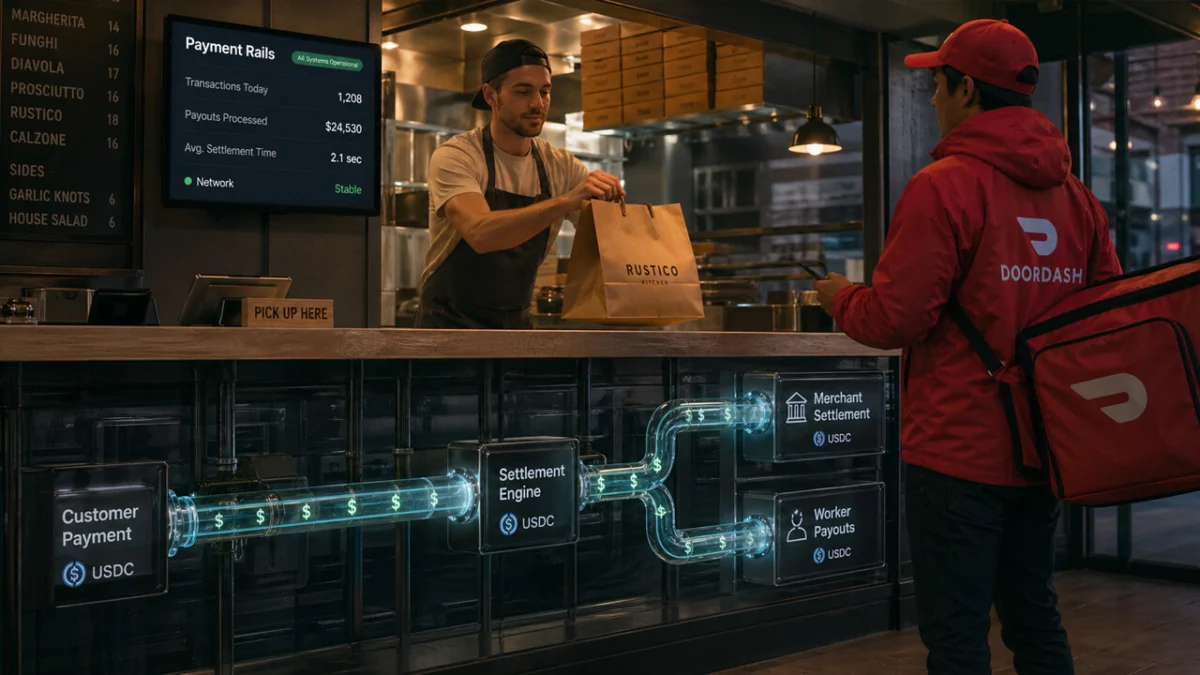
- 2018–2020: The Rise of Stablecoins. The emergence and proliferation of stablecoins—cryptocurrencies pegged to fiat currencies like the U.S. Dollar—provided a solution to the volatility problem. This period saw the development of more robust payment gateways that allowed merchants to accept crypto and receive fiat currency instantly, eliminating price risk.
- 2021–Present: Institutional Integration and Layer 2 Scaling. The current era is defined by the entry of major payment processors like PayPal, Visa, and Mastercard into the crypto space. Simultaneously, the development of Layer 2 scaling solutions, such as the Lightning Network for Bitcoin and various rollups for Ethereum, has significantly reduced transaction costs and increased speed, making small-value retail purchases viable.
The Role of Stablecoins and Market Cap Leaders
A critical takeaway from the Crypto.com and Worldpay report is the specific preference for certain types of digital assets. Both consumers and merchants expressed a clear preference for high-market-cap currencies and stablecoins. Bitcoin (BTC) and Ethereum (ETH) remain the top choices due to their liquidity and widespread recognition. However, stablecoins are increasingly seen as the ideal bridge for commerce.
Because stablecoins are designed to maintain a 1:1 parity with traditional currencies, they remove the psychological and financial barrier of "spending an appreciating asset." For merchants, stablecoins offer the benefits of blockchain technology—such as near-instant settlement and lower cross-border fees—without the accounting complexities associated with volatile assets. The report suggests that the introduction of Layer 2 solutions has further bolstered this preference by offering the scalability required for high-volume retail environments.
Sector-Specific Demand: Retail vs. Luxury Goods
While the desire to use cryptocurrency is visible across the board, the study found that certain industries are more primed for adoption than others. Retail and luxury goods businesses showed the highest level of merchant interest. This is attributed to several factors:
- Demographic Alignment: Luxury brands often target a younger, tech-savvy, and high-net-worth demographic that is more likely to hold significant portions of their wealth in digital assets.
- Transaction Costs: For high-ticket items, the percentage-based fees charged by traditional credit card processors can be substantial. Cryptocurrency transactions can offer a more cost-effective alternative for large settlements.
- Fraud Prevention: Blockchain transactions are immutable, which eliminates the risk of "chargeback fraud" for merchants—a common issue in high-end retail.
Interestingly, consumer demand is more evenly distributed. While merchants in the luxury sector are leading the charge, customers expressed a desire to use crypto for everyday items, including groceries, electronics, and travel. This suggests that as the infrastructure improves, cryptocurrency could move from a "niche luxury" payment method to a "general-purpose" financial tool.
The Infrastructure Gap and the Rise of Prepaid Cards
One of the most telling statistics in the report is that 64% of Crypto.com customers currently use a prepaid card to spend their holdings. These cards allow users to load their crypto balance onto a card that functions like a traditional Visa or Mastercard, converting the crypto to fiat at the point of sale.
The high usage of these cards indicates that while customers are eager to spend their crypto, the majority of merchants do not yet support direct wallet-to-wallet transfers. This reliance on "bridge" technology highlights a significant opportunity for merchants. By adopting direct crypto-payment gateways, businesses can bypass the traditional card networks, potentially reducing transaction fees and capturing the attention of the 75% of users who are looking for a more native crypto-spending experience.
The report notes that "a lack of education and cross-stakeholder coordination" is currently the primary bottleneck. Merchants are often hesitant due to perceived technical complexity or uncertainty regarding regulatory compliance. However, as providers like Worldpay simplify the integration process, these barriers are expected to diminish.
Official Responses and Strategic Implications
Industry leaders suggest that the findings of this study should serve as a wake-up call for traditional financial institutions and retailers. The sentiment from Worldpay from FIS indicates that global merchants are no longer viewing cryptocurrency as a passing trend but as a permanent fixture of the financial ecosystem.
From a strategic standpoint, the implications are profound. Merchants who adopt crypto-payments early may gain a competitive advantage by tapping into a loyal and growing global community. Furthermore, the ability to settle transactions in real-time on a 24/7 basis offers liquidity advantages that traditional banking "T+2" settlement cycles cannot match.
However, the report also serves as a call to action for regulators and educators. For the "appetite" of merchants to translate into "action," there must be clearer guidelines on tax reporting and consumer protection. The complexity of calculating capital gains on a cup of coffee purchased with Bitcoin remains a significant deterrent for many casual users in certain jurisdictions.
Future Outlook: Moving Toward Mainstream Utility
As the industry moves forward, the focus will likely remain on enhancing the user experience. The integration of "Click-to-Pay" crypto solutions, the expansion of the Lightning Network, and the potential issuance of Central Bank Digital Currencies (CBDCs) are expected to further blur the lines between traditional and digital finance.
The Crypto.com and Worldpay from FIS study confirms that the "speculative phase" of cryptocurrency is being supplemented by a "utility phase." With 75% of consumers ready to spend, the pressure is now on the global merchant community to provide the necessary infrastructure. As education improves and technical barriers fall, the transition of cryptocurrency from a digital store of value to a ubiquitous medium of exchange appears increasingly inevitable.
In conclusion, the data suggests that the "crypto-native" consumer is no longer a fringe actor but a significant market force. For the global economy, the shift toward crypto-payments represents more than just a new way to pay; it represents a fundamental restructuring of how value is moved and managed in an increasingly digital world. Merchants who recognize this trend today are likely to be the leaders of the retail landscape tomorrow.