admin
admin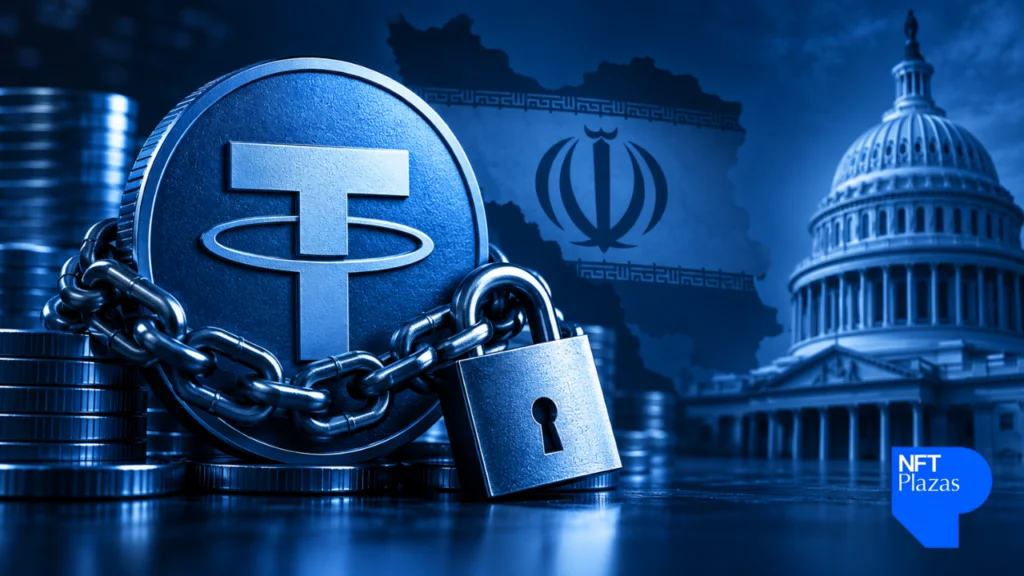
Tether, the issuer of the world’s largest stablecoin, USDT, has announced its instrumental role in assisting authorities to freeze nearly $550 million in Iran-linked USDT during 2026, a development that not only underscores the burgeoning significance of stablecoins in the intricate landscape of international sanctions enforcement but also intensifies the focus of U.S. lawmakers on the digital asset sector. This series of actions, publicly disclosed on September 28, specifically targeted wallets connected to Iran’s central bank and other networks designated under U.S. sanctions, bringing to the forefront the inherent tension within the stablecoin ecosystem: the very infrastructure that facilitates rapid, cross-border financial transfers simultaneously offers investigators an immutable and transparent record of transactions, a potent tool in the fight against illicit finance.
The announcement from Tether followed closely on the heels of a damning report issued by Democratic investigators from the Senate Permanent Subcommittee on Investigations. This report, a comprehensive examination of illicit financial flows, alleged that USDT had emerged as a primary conduit for Iranian entities seeking to circumvent conventional financial systems and move capital abroad, thereby bypassing stringent U.S. and international sanctions. This confluence of events has ignited a robust debate regarding the efficacy of current compliance measures within the stablecoin industry and the broader implications for global financial security.
The Evolving Landscape of Iran Sanctions and Digital Assets
To fully grasp the gravity of Tether’s actions and the Senate’s concerns, it is crucial to understand the extensive and multifaceted nature of U.S. sanctions against Iran. For decades, Washington has employed a comprehensive sanctions regime targeting various sectors of the Iranian economy, including its oil exports, financial institutions, and entities linked to the Islamic Revolutionary Guard Corps (IRGC). These sanctions aim to curtail Iran’s nuclear program, support for regional proxy groups, and human rights abuses. The traditional financial system, heavily reliant on the U.S. dollar and SWIFT network, has historically been the primary target and enforcement mechanism for these sanctions. However, as global finance evolves, sanctioned nations and entities have increasingly sought alternative avenues to move funds, with digital assets, particularly stablecoins, emerging as a viable, albeit risky, option.
Stablecoins like USDT are designed to maintain a stable value, typically pegged to a fiat currency like the U.S. dollar. This stability, combined with the speed and lower transaction costs offered by blockchain technology, makes them attractive for cross-border payments, remittances, and, unfortunately, illicit activities. Their perceived ability to bypass traditional banking rails, coupled with the pseudonymous nature of some blockchain transactions, has made them a tool of choice for entities operating outside the legitimate financial system, including those in sanctioned countries like Iran. The challenge for authorities lies in leveraging the inherent transparency of public blockchains to identify and disrupt these illicit flows, while for stablecoin issuers, it involves balancing innovation with stringent compliance.
A Chronology of Detection and Disruption
The events leading up to Tether’s significant freezes and the subsequent Senate report paint a detailed picture of the escalating cat-and-mouse game between illicit financial networks and global enforcement agencies.
Early Indicators (2021-2025): The Senate investigation, delving into historical transaction data, provided critical context for the current scrutiny. Their report meticulously traced over $600 million in USDT through the accounts of two sanctioned Iranian oil smugglers between 2021 and 2025. This historical analysis underscored the long-standing and significant role USDT has played in Iran’s efforts to bypass sanctions, indicating a systemic use rather than isolated incidents. Investigators examined 846 cryptocurrency wallets identified as sanctioned or targeted for seizure due to their connections to Iran and its proxies. A striking 84% of these wallets had transacted exclusively or almost exclusively in USDT, suggesting a preferred payment rail for these illicit networks. The report further alleged that some transactions connected Iranian banks directly with financial networks associated with Hezbollah and the Houthis, highlighting the national security implications of these financial flows.
Tether’s Initial Freezes (April 2026): The first major intervention by Tether occurred in April 2026. Acting on intelligence received from the U.S. Treasury Department’s Office of Foreign Assets Control (OFAC) and other U.S. law enforcement agencies, Tether froze more than $344 million in USDT across two distinct blockchain addresses. The following day, OFAC officially added both addresses to its sanctions designation specifically targeting Iran’s central bank, explicitly citing links to the Islamic Revolutionary Guard Corps-Qods Force and Hezbollah. This swift coordination between a private stablecoin issuer and government agencies marked a significant enforcement milestone.
Subsequent Actions (July 2026): The proactive measures continued in July. Tether again demonstrated its commitment to compliance by freezing an additional $130 million in USDT across four TRON wallets. These actions were taken after the Treasury Department added these addresses to the same sanctions designation as the April freezes. Cumulatively, these two major actions account for the vast majority of the approximately $550 million in Iran-linked USDT freezes reported by Tether for the year.
U.S. Government Escalation (August 2026): In a broader strategic move, the U.S. Treasury Department launched "Operation Economic Outcast" in August 2026. This comprehensive campaign explicitly aimed at disrupting financial networks supporting Iran, significantly expanding the scope of sanctions to include digital assets alongside traditional sectors such as technology, gold, aviation, and shipping. This initiative signaled a clear intent from Washington to aggressively target crypto-enabled illicit finance.
Further Enforcement (September 2026): The campaign intensified in September. OFAC sanctioned BitBank, an Iranian digital-asset venture, along with its software developer and several associates of financier Babak Zanjani. Treasury alleged that Zanjani’s network utilized digital-asset businesses to facilitate fund movements for the Islamic Revolutionary Guard Corps. Concurrently, a separate but related development saw federal prosecutors from the U.S. Justice Department seek the forfeiture of approximately $61 million in USDT across 10 TRON addresses that Tether had previously frozen. These funds were alleged to be proceeds from Iranian oil sales, intended to benefit Iran’s government and military-linked organizations. It is important to note that this specific forfeiture case is distinct from, and not included in, Tether’s reported $550 million freeze figure, underscoring the layered nature of these enforcement efforts.

Tether’s Public Disclosure and Senate Report Release (September 28, 2026): The culmination of these events was Tether’s public announcement of its freeze activities, strategically timed with the release of the Senate Permanent Subcommittee on Investigations’ report. This simultaneous release highlighted both the industry’s response to illicit finance and the growing governmental concern over stablecoin usage by sanctioned entities.
Official Responses and Divergent Perspectives
The developments have elicited strong reactions from both Tether and U.S. legislative bodies, showcasing a complex interplay of self-defense, regulatory pressure, and a shared, albeit sometimes contentious, goal of combating illicit finance.
Tether’s Defense of Its Compliance Record: Tether CEO Paolo Ardoino robustly defended the company’s track record, emphasizing that its ability to respond effectively to law enforcement requests demonstrates the inherent value of public blockchains in tracking financial activity. "Tether has consistently demonstrated that USDT is not a haven for sanctioned actors, terrorist organizations or criminal networks," Ardoino stated, pushing back against perceptions that stablecoins are inherently unregulated or untraceable. The company highlighted its extensive cooperation with authorities worldwide, reporting that it has assisted in freezing over $4.9 billion in illicit assets globally, with more than $2.4 billion connected to U.S. authorities. Tether also clarified a crucial distinction: freezing cryptocurrency prevents its transfer from a specific address, but ownership can only be legally transferred to the government through a separate, formal legal process of seizure or forfeiture. This distinction underscores the multi-step nature of digital asset recovery.
Senate’s Critical View and Call for Investigation: In stark contrast, the Senate Permanent Subcommittee on Investigations presented a more critical assessment of USDT’s role. Senator Richard Blumenthal, a key figure in the investigation, voiced significant concerns, calling on both the Treasury and Justice departments to launch comprehensive investigations into potential sanctions violations and to scrutinize Tether’s role in transactions involving Iranian networks. The Senate findings, while detailed and impactful, are framed as "investigative allegations, not a legal determination" that Tether has violated U.S. law. However, they place immense pressure on Tether and other stablecoin issuers to demonstrate robust and proactive compliance frameworks. The report’s assertion that USDT’s liquidity and wide availability make it an "important payment rail" for sanctioned Iranian networks underscores the scale of the challenge.
Broader Impact and Future Implications
The recent events surrounding Tether, Iran, and U.S. sanctions illuminate several critical broader impacts and implications for the digital asset ecosystem, regulatory frameworks, and global financial security.
The Intensifying Compliance Challenge: The sheer scale at which USDT operates across global cryptocurrency markets presents an unprecedented compliance challenge. While public blockchains offer transparent, immutable records that are invaluable for investigators, the immense volume and speed of transactions mean that monitoring systems must be sophisticated enough to flag sanctioned addresses and suspicious patterns before funds can be irrevocably moved or laundered. The advent of faster blockchain infrastructure, such as StableChain targeting speeds of up to 10,000 transactions per second, further exacerbates this challenge, potentially enabling much larger and quicker illicit payment flows. This necessitates a proactive, rather than reactive, approach to compliance.
The Role of Issuer-Level Controls and Ecosystem Collaboration: The Iran case highlights that while blockchain transparency is a powerful tool, it is not a standalone solution. The blockchain itself does not determine sanctions compliance. Instead, a multi-layered defense is required, involving active intervention from stablecoin issuers like Tether, vigilance from exchanges, clear guidance from regulators, and diligent enforcement by law enforcement agencies. Issuer-level controls, such as the ability to freeze tokens at specific addresses, remain a critical enforcement mechanism in this decentralized environment. The effectiveness of these controls will be a key determinant in how stablecoins are perceived and regulated in the future.
Increasing Regulatory Scrutiny on Digital Assets: As U.S. authorities sharpen their focus on digital assets, particularly in the context of national security and sanctions evasion, stablecoin issuers like Tether are facing unprecedented scrutiny of their compliance practices. This scrutiny is likely to intensify, potentially leading to new legislative proposals, more aggressive enforcement actions, and increased demands for transparency and cooperation from digital asset firms. The current regulatory patchwork for cryptocurrencies, with different agencies asserting jurisdiction, may also evolve towards a more unified and comprehensive framework. International cooperation among regulators will also be crucial, given the borderless nature of blockchain transactions.
Impact on Illicit Finance Networks: The successful freezing of significant funds sends a clear message to sanctioned entities and criminal networks: using stablecoins for illicit activities is not a foolproof method of evasion. While they may offer initial advantages in bypassing traditional systems, the inherent transparency of public ledgers and the increasing sophistication of investigative tools, combined with the willingness of major issuers to cooperate with authorities, make these activities increasingly traceable and vulnerable to disruption. This ongoing "cat-and-mouse" game will likely force illicit actors to adapt their methods, potentially pushing them towards less traceable, smaller-cap cryptocurrencies or more sophisticated mixing services, but also increasing their operational risk.
The Dual Nature of Blockchain Technology: Ultimately, the Tether-Iran saga encapsulates the dual nature of blockchain technology. On one hand, its decentralized and open architecture can be exploited by those seeking to operate outside legal frameworks. On the other hand, the immutable and publicly verifiable nature of transactions on these ledgers provides law enforcement and compliance teams with unprecedented tools for forensic analysis, often superior to those available in traditional opaque financial systems. The challenge lies in harnessing the transparency for good while mitigating the risks of illicit exploitation.
In conclusion, Tether’s substantial freezes of Iran-linked USDT, juxtaposed with the critical findings of the Senate investigation, mark a pivotal moment in the ongoing integration of digital assets into the global financial and regulatory landscape. It highlights the growing importance of stablecoins in international financial flows, both legitimate and illicit. As U.S. authorities continue to refine and expand their digital asset sanctions strategies, the ability of stablecoin issuers to implement robust, scalable, and proactive compliance measures will not only determine their own operational viability but also significantly influence the future trajectory of digital asset regulation worldwide. The fundamental question remains whether these controls can indeed keep pace with the accelerating adoption and evolving uses of stablecoins in increasingly sanctions-sensitive markets.