admin
admin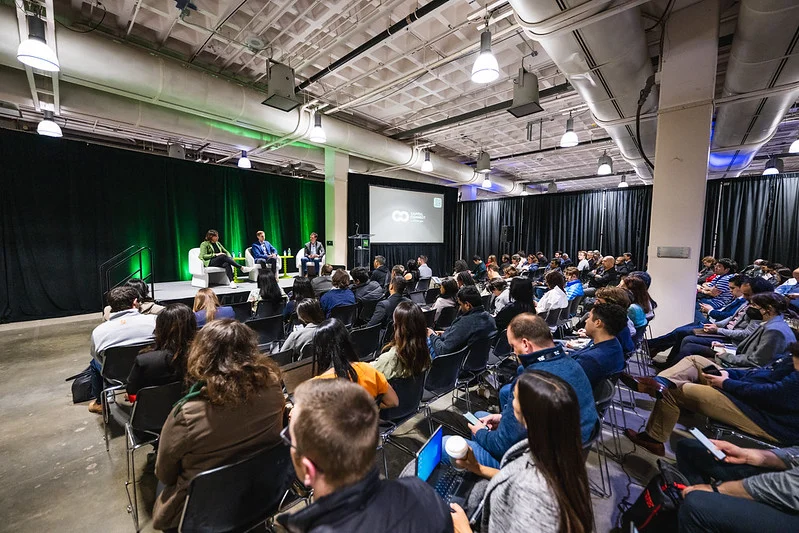
The global startup ecosystem is preparing for a significant gathering of entrepreneurial talent as the TechCrunch Founder Summit 2026 prepares to convene in Boston on June 23, 2026. This flagship event is specifically designed to address the unique hurdles of high-growth companies, bringing together a curated group of 1,100 founders and investors for a day of intensive execution-focused programming. By centering the experience on real-world scaling and peer-to-peer knowledge exchange, the summit aims to provide the practical infrastructure necessary for founders to navigate the transition from early-stage innovation to sustainable market leadership.
The selection of Boston as the host city underscores a strategic move toward one of the world’s most concentrated hubs of technology and institutional research. With its proximity to elite academic institutions like MIT and Harvard, and its established reputation as a leader in biotechnology, artificial intelligence, and robotics, Boston provides a fertile backdrop for a summit dedicated to deep-tech and high-stakes scaling. Historically, Boston has consistently ranked among the top three U.S. cities for venture capital investment, often securing upwards of $15 billion to $20 billion annually in recent cycles. The 2026 summit is expected to tap into this regional density of capital and expertise, offering attendees a direct line to the Northeast’s most influential financial backers.
The Architecture of Scaling: A Founder-Centric Approach
At the core of the TechCrunch Founder Summit 2026 is the recognition that scaling is rarely a solitary endeavor. While the initial spark of an idea often comes from a single individual or a small team, the journey to a billion-dollar valuation or a public listing requires a complex network of mentors, peers, and capital partners. The summit’s "Founder First" philosophy is reflected in its structured networking opportunities, which are designed to facilitate honest conversations that rarely happen in public forums.

The event’s organizers have emphasized that the summit is not merely a series of lectures but a functional workspace. The "founder-only" rooms are specifically architected to foster transparency, allowing participants to discuss the "unfiltered" challenges of leadership—such as managing burn rates, navigating board dynamics, and handling the psychological pressures of rapid growth. By connecting founders who are building at the same pace, the event creates a temporary ecosystem where the exchange of "battle-tested" advice becomes the primary currency.
Strategic Networking and Investor Alignment
One of the most critical components of the summit is the deliberate alignment between founders and investors. Unlike broader tech conferences where the ratio of attendees to investors can lead to fragmented interactions, the Founder Summit limits its attendance to ensure high-value connections. The 1,100-person cap is a intentional choice to maintain a high "signal-to-noise" ratio.
Investors attending the 2026 summit represent some of the most prominent firms in the venture capital landscape. Past iterations have seen representation from Sequoia Capital, Greylock, Index Ventures, and Sapphire Ventures. These firms are not merely looking for pitches; they are seeking founders who demonstrate a sophisticated understanding of execution. For founders, the opportunity to meet investors who are already aligned with their specific sector—whether it be SaaS, climate tech, or healthcare—is a significant draw. The summit facilitates these meetings through structured breakout sessions and roundtables, moving away from the "speed-dating" model toward more substantive, technical discussions.
Chronology of Programming and Expert-Led Insights
The programming for the June 23 event follows a logical progression of a company’s lifecycle. While the full 2026 agenda is currently being finalized, it will build upon the successful frameworks of previous years, which focused on the moments that define a company’s trajectory.

Historically, the summit has featured speakers who provide granular, actionable advice rather than high-level platitudes. For example, Jon McNeill, the former President of Tesla and current investor, has previously shared insights on why reviewing physical products rather than digital mock-ups is essential for maintaining an innovative edge. Similarly, Cathy Gao, a partner at Sapphire Ventures, has provided detailed roadmaps for founders preparing for Series C rounds—a stage often referred to as the "valley of death" where many companies fail to transition from growth to profitability.
Other past sessions have challenged conventional startup wisdom. Jahanvi Sardana of Index Ventures has famously addressed the "TAM (Total Addressable Market) Trap," arguing that founders should focus on specific, achievable milestones rather than theoretical market sizes that often fail to materialize. The 2026 summit is expected to feature a new cohort of industry leaders who will address the evolving challenges of the mid-2020s, including the integration of generative AI into core business models and the shifting landscape of global supply chains.
Data-Driven Analysis of the Startup Landscape
The necessity for events like the TechCrunch Founder Summit is supported by recent data regarding startup longevity. According to industry reports, nearly 70% of startups fail during the scaling phase, often due to a lack of mentorship or an inability to secure follow-on funding. Furthermore, data from the National Venture Capital Association (NVCA) indicates that companies with founders who participate in peer-mentorship networks are significantly more likely to reach a successful exit or achieve sustained profitability.
By providing a platform for these connections, the summit acts as a stabilizing force in the venture ecosystem. In an era where remote work and digital communication have become the norm, the value of face-to-face interaction remains high. Industry analysts suggest that "high-trust" relationships—those required for major investment rounds or strategic partnerships—are still most effectively built in person. The Founder Summit 2026 addresses this need by creating a physical environment where trust can be established through shared experience and rigorous debate.

Economic Incentives and Accessibility
To ensure a diverse range of participants, TechCrunch has introduced a tiered pricing structure for the 2026 summit. The "Super Early Bird" pricing, currently available, offers the lowest rates of the year, allowing early-stage founders with limited budgets to secure their place. Significant discounts are also available for groups, with teams of four or more eligible for up to 30% off registration fees.
This pricing strategy is designed to encourage entire leadership teams to attend together. When a CEO, CTO, and COO attend the summit as a unit, the insights gained can be more effectively integrated into the company’s internal operations. The ability to save up to $300 on individual passes during the early registration period is a clear effort by organizers to democratize access to high-level networking, ensuring that the summit is not restricted solely to the most well-funded startups.
Broader Implications for the Tech Industry
The TechCrunch Founder Summit 2026 arrives at a pivotal moment for the technology sector. As the industry moves away from the "growth at all costs" mentality that defined the previous decade, the focus has shifted toward "efficient growth" and "pathways to profitability." The summit’s emphasis on execution and real-world scaling reflects this broader macroeconomic shift.
For the city of Boston, hosting the summit reinforces its status as a premier destination for global innovation. The influx of 1,100 high-net-worth individuals and influential decision-makers is expected to provide a localized economic boost to the city’s hospitality and service sectors. More importantly, it cements the regional "brain gain," as founders from across the country and the globe converge on the city, potentially leading to the relocation of talent or the establishment of satellite offices in the Massachusetts tech corridor.

Sponsorship and Corporate Integration
The summit also serves as a critical venue for B2B service providers and corporate sponsors. Companies interested in exhibiting or sponsoring the event have the opportunity to engage directly with the decision-makers of the next generation of industry leaders. Unlike traditional trade shows, the sponsorship opportunities at the Founder Summit are integrated into the content, allowing partners to provide value through expert-led workshops or technical demonstrations. This "integration-over-interruption" model ensures that sponsors are viewed as part of the scaling solution rather than mere advertisers.
Future Outlook and Registration Details
As the June 23, 2026, date approaches, the startup community will be closely watching for further speaker announcements and agenda updates. The event is expected to sell out well in advance, given the limited capacity and the high demand for founder-focused programming.
The TechCrunch Founder Summit 2026 represents more than just a conference; it is a strategic intervention in the lifecycle of the modern startup. By providing the tools, connections, and insights necessary for scaling, the event seeks to increase the success rate of the world’s most promising innovators. Founders looking to move faster, connect more intentionally, and scale with clarity are encouraged to register during the Super Early Bird period to secure their spot in what is poised to be the most influential founder gathering of the year.
The registration portal is currently live on the official TechCrunch website, offering founders the chance to join a community of peers dedicated to the hard work of building the future. With its focus on actionable intelligence and high-value relationships, the Boston summit is set to be a cornerstone event for the global technology and investment community in 2026.