admin
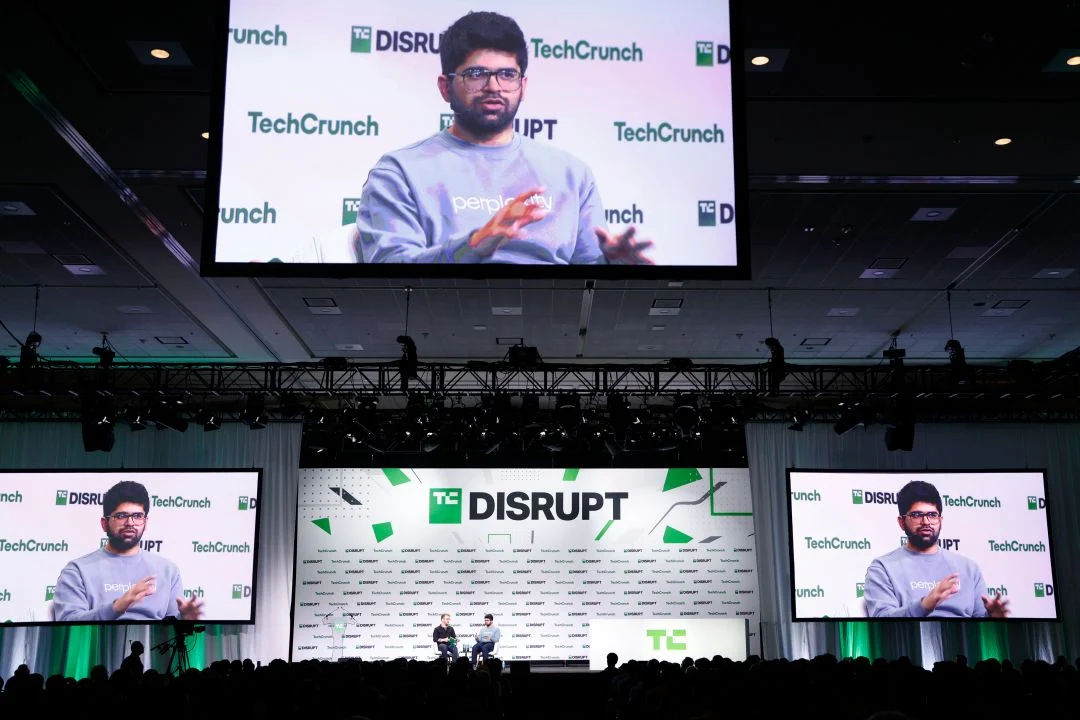
The doors to the tech industry’s most anticipated annual gathering are set to open in less than 48 hours at San Francisco’s Moscone West, marking the commencement of TechCrunch Disrupt 2026. From October 13 to October 15, the event will serve as a central hub for more than 10,000 founders, venture capitalists, and technological innovators. This year’s iteration arrives at a pivotal moment for the global startup ecosystem, which has faced a complex landscape of fluctuating venture capital availability and rapid-fire advancements in generative artificial intelligence and autonomous systems. With more than 250 speakers scheduled to appear across six stages and over 200 individual sessions, the conference aims to provide a comprehensive roadmap for the next decade of digital and industrial evolution.
The 2026 event follows a period of significant recalibration within the technology sector. As the "hype cycles" surrounding early-stage AI begin to transition into tangible enterprise applications, Disrupt 2026 is positioned as a critical venue for determining which business models possess long-term viability. Organizers have noted that the 300+ startups showcasing their products in the Expo Hall represent a diverse array of sectors, including robotics, infrastructure, climate technology, and fintech. Central to the event’s identity is the Startup Battlefield 200, a curated group of high-potential companies selected from thousands of global applicants to compete for the prestigious Disrupt Cup and an equity-free cash prize.
Historical Context and the Evolution of Disrupt
TechCrunch Disrupt has long been regarded as a primary catalyst for the startup economy. Since its inception, the conference has provided a launchpad for companies that have since become household names, including Dropbox, Cloudflare, and Fitbit. Historically, the event has transitioned from a niche gathering for Silicon Valley insiders to a global summit that attracts delegations from every major continent. The 2026 edition continues this trajectory, emphasizing not only the creation of new software but the integration of technology into the physical world—a theme reflected in the high-profile presence of automotive and hardware leaders on this year’s roster.

The decision to remain at Moscone West in San Francisco underscores the city’s enduring status as the world’s premier technology hub, despite recent narratives regarding "tech exoduses" to other regions. Data from the first half of 2026 indicates that San Francisco continues to lead in venture capital deal flow, particularly in the AI and biotechnology sectors. By hosting 10,000 attendees in the heart of the city, Disrupt 2026 reinforces the importance of geographic density for the serendipitous networking that often leads to seed-round funding and strategic partnerships.
A High-Profile Speaker Roster Reflecting Industry Shifts
The speaker lineup for 2026 reflects the multidisciplinary nature of modern technology. Among the headliners is RJ Scaringe, founder and CEO of Rivian, who is expected to discuss the intersection of sustainable transportation and the scaling of manufacturing in a volatile economy. As the electric vehicle (EV) market enters a more mature phase, Scaringe’s insights into supply chain resilience and consumer adoption are anticipated to be a major draw for attendees interested in the "hard tech" sector.
In the realm of artificial intelligence, the presence of Cat de Jong from Anthropic and Les Karpas of NVIDIA highlights the ongoing debate regarding compute power and ethical deployment. Anthropic has emerged as a leader in "constitutional AI," while NVIDIA remains the primary provider of the hardware infrastructure necessary for the current AI revolution. Their sessions are expected to address the transition from large language models to agentic AI—systems capable of executing complex tasks with minimal human intervention.
Furthermore, the inclusion of Alexa von Tobel, Managing Partner at Inspired Capital, and Andrew Feldman, CEO of Cerebras Systems, provides a balanced perspective between the financial drivers of tech and the engineering breakthroughs required to sustain growth. The appearance of Mark Wahlberg, who has increasingly become a fixture in the tech-investment space through his various entrepreneurial ventures, signals the continuing convergence of celebrity influence, brand building, and venture capital.

The Startup Battlefield 200: The Engine of Innovation
While the main stages offer high-level insights, the heart of Disrupt remains the Startup Battlefield. For the 2026 event, 200 startups were hand-picked from a pool of thousands to receive specialized training, mentorship, and a dedicated spot on the exhibition floor. These companies represent the "top 2%" of applicants, vetted by TechCrunch’s editorial team for their innovation, market potential, and technical execution.
The Battlefield competition has historically been a significant predictor of future success. According to historical data provided by TechCrunch, Battlefield alumni have collectively raised more than $10 billion in funding and have seen numerous successful exits through acquisitions and initial public offerings (IPOs). The 2026 cohort is reportedly heavy on "climate-tech" and "applied AI," reflecting a shift away from consumer social apps toward solutions for global industrial challenges. The competition will culminate on the final day of the conference, where a select group of finalists will pitch their businesses to a panel of expert judges, including top-tier VCs and veteran entrepreneurs.
Economic Accessibility and the "Layoff to Liftoff" Initiative
A notable feature of the 2026 conference is its response to the labor market shifts that have characterized the tech industry over the past 24 months. Despite the growth in AI, many established firms have undergone significant restructuring, leading to a surplus of highly skilled talent looking for their next opportunity. To address this, organizers have continued the "Layoff to Liftoff" ticket program, which provides discounted Expo+ passes to individuals recently impacted by corporate downsizing.
This program is designed to bridge the gap between displaced workers and early-stage startups that are currently hiring. By lowering the barrier to entry, Disrupt 2026 aims to facilitate a "talent recycling" process that is vital for the health of the ecosystem. Industry analysts suggest that many of the most successful startups in history were founded during periods of economic transition by individuals who leveraged their experience at larger firms to build something new.

Chronology of the Event and Registration Deadlines
The lead-up to the October 13 opening has followed a strict timeline of milestones:
- January – May 2026: Global application window for the Startup Battlefield.
- August 2026: Announcement of the Battlefield 200 and the start of intensive founder training sessions.
- September 2026: Finalization of the 200+ session agenda across the Builders, Disrupt, and Industry stages.
- October 11, 2026: The 48-hour countdown begins, marking the final opportunity for attendees to secure tickets before the "at-the-door" price increase.
- October 13, 8:00 a.m. PT: Official opening of registration and the Expo Hall at Moscone West.
As of October 11, ticket prices remain at a discounted rate, with organizers offering a "Buy One, Get One 50% Off" promotion to encourage team attendance. Group discounts are also available for organizations sending four or more representatives, a move intended to foster collaborative learning and networking among established corporate innovation teams.
Analysis: Implications for the 2027 Fiscal Year
The conversations and deals brokered during Disrupt 2026 are expected to set the tone for the 2027 fiscal year. As venture capital firms sit on significant amounts of "dry powder" (unallocated capital), the conference serves as a primary scouting ground. For investors, the goal is to identify the "signal" amidst the "noise" of a crowded AI marketplace. For founders, the event is a high-stakes opportunity to secure the Series A or Series B funding necessary to survive an increasingly competitive environment.
The emphasis on robotics and infrastructure at this year’s event suggests an industry-wide pivot toward "atoms" rather than just "bits." As software becomes increasingly commoditized through AI, the value is shifting toward companies that can integrate that software into physical systems—whether through autonomous logistics, smart manufacturing, or decentralized energy grids.

Final Preparations and Logistics
San Francisco city officials have expressed optimism regarding the event’s impact on the local economy. With 10,000 visitors expected, the hospitality and service sectors are bracing for a surge in activity. The Moscone West facility has been outfitted with state-of-the-art networking infrastructure to support the high bandwidth requirements of hundreds of live product demonstrations and real-time AI interactions.
As the countdown reaches its final stages, the tech world’s attention is firmly fixed on San Francisco. TechCrunch Disrupt 2026 is not merely a trade show; it is a barometer for the health of global innovation. Whether it is through the discovery of a groundbreaking startup in the Expo Hall or a provocative debate on the main stage, the events of the next three days will likely define the trajectory of the technological landscape for years to come. Participants are encouraged to complete their registrations before the 8:00 a.m. PT deadline on October 13 to ensure full access to the sessions and the networking opportunities that have made Disrupt a cornerstone of the industry.