admin
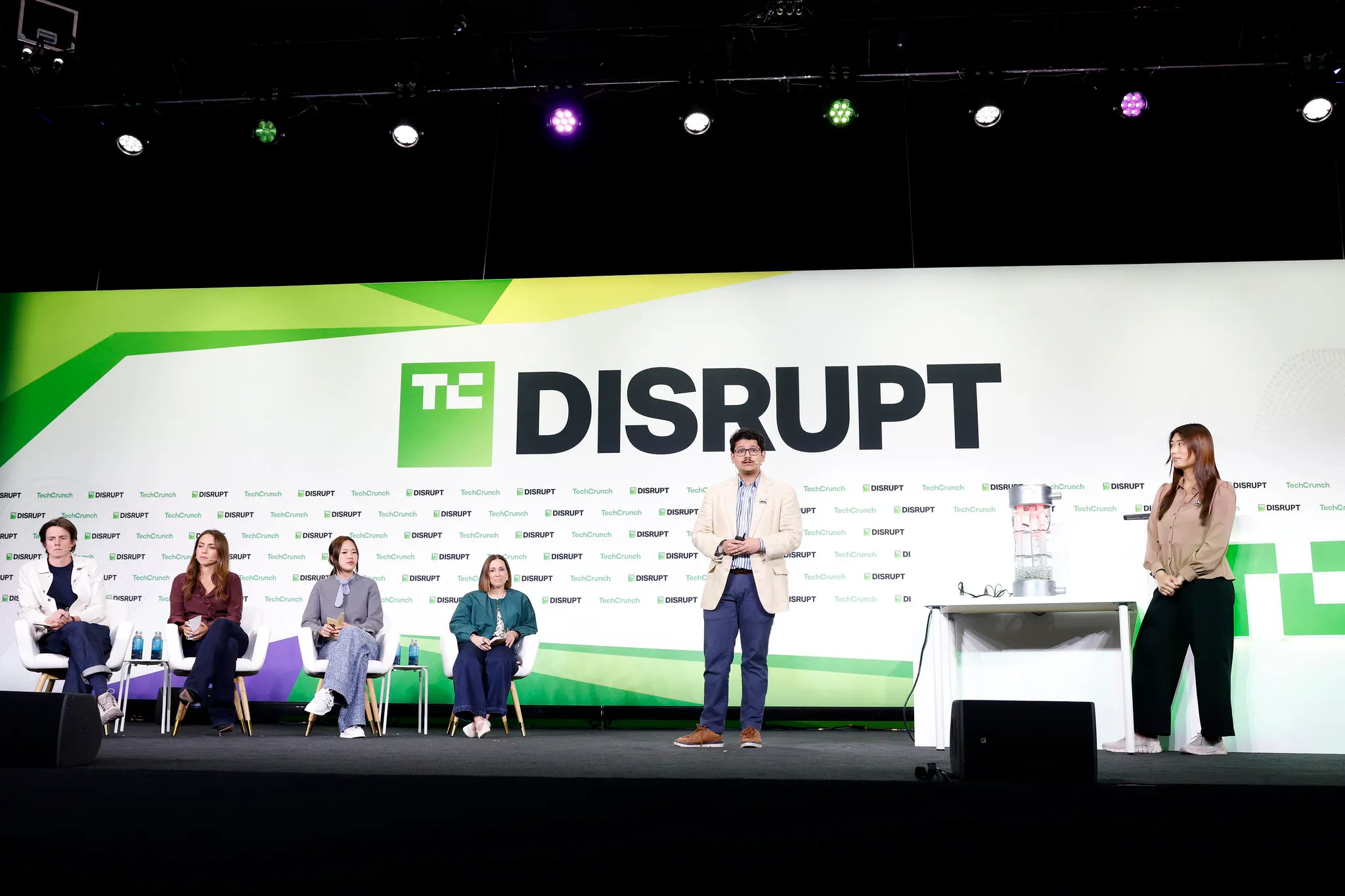
The initial phase of TechCrunch Disrupt 2026 has concluded at San Francisco’s Moscone West, marking the end of a high-intensity opening day that set the stage for the remaining sessions on October 14 and 15. As the premiere technology conference enters its mid-point, event organizers have announced a significant pricing adjustment to encourage last-minute participation from the global technology community. Effective immediately, all ticket categories for the final two days of the summit are being offered at a 50% discount, a move intended to maximize accessibility for founders, investors, and engineers during the event’s most critical programming windows.
The 2026 iteration of Disrupt arrives at a pivotal moment for the technology sector, characterized by a resurgence in venture capital activity and a concentrated focus on the commercialization of autonomous artificial intelligence. By reducing the barrier to entry for the remaining 48 hours of the conference, the organizers aim to facilitate higher levels of networking and engagement at a time when the "Startup Battlefield 200" competition reaches its concluding rounds.
Strategic Context and Venue Overview
Moscone West, a central hub for San Francisco’s innovation economy, serves as the backdrop for this year’s summit. The choice of venue is significant, as it underscores the city’s continued dominance in the generative AI landscape despite ongoing debates regarding urban tech migration. Disrupt 2026 occupies multiple levels of the facility, dividing the programming into specialized zones: the main Disrupt Stage, two flagship AI Stages, the revamped Expo Hall, and various breakout rooms for interactive roundtable sessions.
The event’s structure reflects the evolving needs of the startup ecosystem. Historically, TechCrunch Disrupt has served as a launchpad for companies that have gone on to achieve decacorn status. By providing a platform where early-stage founders can directly interface with institutional investors, the conference maintains its role as a primary catalyst for the Series A and Series B funding cycles.
Highlights of the Disrupt Stage and Keynote Programming
The Disrupt Stage remains the focal point for high-profile discussions involving industry leaders and cultural icons with significant venture interests. On October 14 and 15, the schedule features a diverse lineup of speakers who represent the intersection of technology, entertainment, and institutional finance.
Among the most anticipated appearances is that of Mark Wahlberg. While primarily known for his career in the film industry, Wahlberg has become a prominent figure in the venture space through his involvement with brands such as F45 Training and his apparel line, Municipal. His session is expected to address the role of celebrity influence in scaling consumer-facing technology brands and the challenges of diversifying investment portfolios in a volatile market.
In a rare collaborative appearance, all five partners from the venture capital firm Benchmark are scheduled to take the stage. Benchmark, known for its "equal partnership" model and early-stage bets on companies like eBay, Uber, and Twitter, rarely participates in joint public forums. Their insights are anticipated to provide a comprehensive outlook on the state of the 2027 investment climate and the specific metrics they are currently using to evaluate AI-native startups.
The hardware and infrastructure sector will be represented by Panos Panay, Amazon’s Senior Vice President of Devices and Services. Panay’s session is expected to touch upon the integration of large language models into consumer hardware, a field that has seen rapid acceleration over the past twelve months. Additionally, the leadership of Bluesky—CEO Toni Schneider and COO Rose Wang—will discuss the growth of decentralized social protocols and the shifting dynamics of digital community management.
The Dominance of Artificial Intelligence
Reflecting the current technological zeitgeist, Disrupt 2026 features two dedicated AI Stages. These stages are designed to move beyond theoretical discussions of machine learning and focus instead on the practical implementation of "agentic" AI.
A highlight of the upcoming AI programming is the presentation by Alexander Embiricos, OpenAI’s Head of Enterprise Product. Embiricos is slated to discuss the recent launch of "Dots," OpenAI’s proprietary autonomous agents. These agents represent a shift from passive chatbots to active digital employees capable of executing complex workflows with minimal human oversight. The discussion will likely explore the security implications of autonomous agents in corporate environments and the roadmap for enterprise-level deployment.
The AI Stages will also host representatives from other industry pillars, including:

- Anthropic: Focusing on the ethical frameworks of model training and "Constitutional AI."
- Hugging Face: Discussing the democratization of open-source models and the role of collaborative research.
- Clay: Exploring the intersection of AI and data-driven sales automation.
This concentration of AI expertise provides attendees with a granular look at the competitive landscape, particularly as companies move from the "hype" phase into the delivery of measurable ROI for enterprise clients.
Startup Battlefield 200 and the Expo Hall
The "Startup Battlefield 200" remains the centerpiece of the Disrupt experience. This curated group of 200 startups represents the top tier of applicants from a global pool of thousands. Throughout the three-day event, these founders pitch their products to panels of expert judges, including VCs and seasoned entrepreneurs, in a bid to win the $100,000 equity-free grand prize.
As of October 14, the competition has narrowed, with the most promising teams preparing for their final pitches on the Disrupt Stage. This competition has a storied history; past participants and winners have collectively raised billions in follow-on funding, making it a critical barometer for future market trends.
Supporting this competitive element is the revamped Expo Hall, which houses over 320 exhibitors. The hall has been redesigned for 2026 to facilitate better flow and spontaneous networking. Exhibitors range from pre-seed hardware startups to established SaaS providers, offering a comprehensive view of the current tech stack across industries such as fintech, healthtech, and sustainability.
Networking and the Ecosystem Impact
Beyond the formal stages, the "Side Events" occurring across San Francisco have become an integral part of the Disrupt ecosystem. These ancillary gatherings—ranging from rooftop mixers to technical workshops—allow for deeper dives into niche subjects and provide a less formal environment for deal-making.
The 50% discount offered for the final two days is particularly relevant for local founders who may have been undecided about attending. For many, the value of Disrupt lies in the "serendipity of the hallway"—the chance encounter with a potential co-founder, a key hire, or the lead investor for an upcoming round.
Analytical Perspective: Implications for the Tech Industry
The mid-event discount strategy employed by TechCrunch Disrupt 2026 suggests a nuanced approach to event management in the post-pandemic era. While flagship conferences remain vital, there is increasing pressure to demonstrate immediate value to attendees who are more discerning with their time and travel budgets.
The heavy emphasis on AI agents and the participation of firms like Benchmark indicate that the industry is entering a "consolidation of intelligence" phase. After several years of explosive growth in foundation models, the focus has shifted to the "application layer"—the tools and platforms that will actually utilize this intelligence to solve specific business problems.
Furthermore, the presence of traditional consumer tech leaders like Panos Panay alongside decentralized social media innovators like the Bluesky team suggests a move toward a more fragmented yet interconnected digital experience. The discussions at Disrupt 2026 are likely to set the tone for the 2027 fiscal year, influencing everything from VC allocation to corporate M&A strategies.
Final Chronology and Closing Events
The conference is scheduled to conclude on the evening of October 15. The final day will feature:
- The Startup Battlefield Finals: The remaining top-tier startups will compete for the Disrupt Cup and the grand prize.
- The Closing Keynote: A final address summarizing the key takeaways from the three-day summit.
- The Final Networking Reception: A concluding event held in the Expo Hall to facilitate final connections.
As the tech community gathers for the remaining sessions at Moscone West, the focus remains on the tangible outcomes of these three days. For the hundreds of founders currently showcasing their innovations, the final 48 hours of TechCrunch Disrupt 2026 represent a high-stakes opportunity to secure the resources necessary for their next stage of growth. The implementation of the mid-event discount ensures that the final acts of this summit will take place before a full and diverse audience, maintaining the event’s status as a premier engine of the global innovation economy.