admin
admin
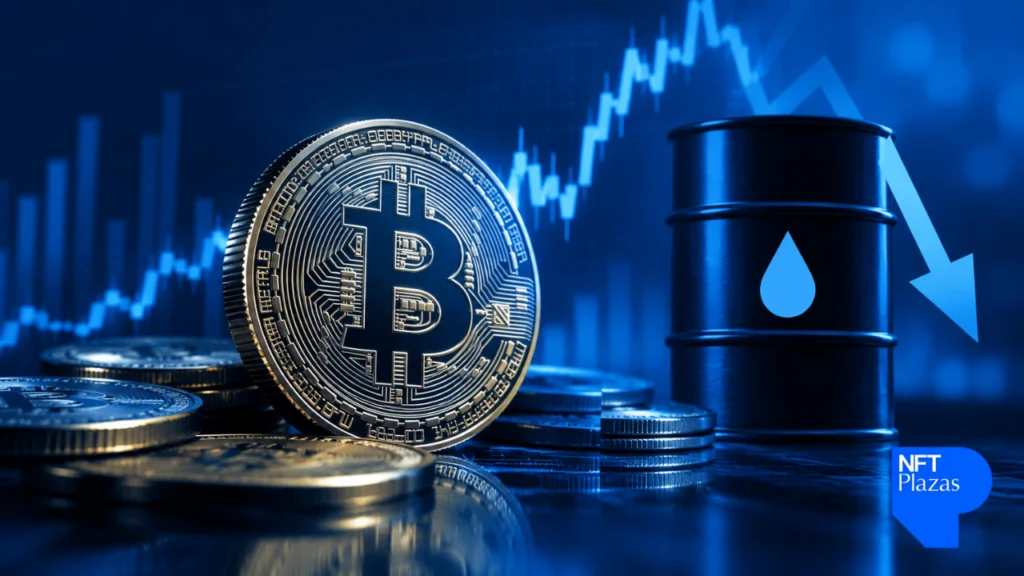
The total cryptocurrency market capitalization experienced a significant uplift, climbing an additional 3% to reach a formidable $2.49 trillion. This upward trajectory in digital asset markets marks the second consecutive day of gains, largely driven by a palpable easing of anxieties surrounding potential oil supply disruptions. The International Energy Agency (IEA) played a pivotal role in this market recalibration by convening an emergency meeting to deliberate on the strategic release of emergency oil reserves. This proactive measure by a key global energy watchdog has provided a much-needed dose of reassurance to financial markets, fostering a more optimistic sentiment that has spilled over into the cryptocurrency space.
Market Dynamics: A Broad-Based Rally
The resurgence in crypto markets is characterized by a broad-based rally across major digital assets. Bitcoin (BTC), the undisputed leader of the cryptocurrency realm, is currently trading at approximately $70,700, reflecting a robust 3.5% increase over the past 24 hours. Earlier in the trading session, the world’s largest cryptocurrency by market capitalization had touched a high of $71,800, signaling strong buying pressure.
Ethereum (ETH), the second-largest cryptocurrency, also posted healthy gains, climbing 2.5% to trade around $2,070. Solana (SOL), known for its high throughput and rapid transaction speeds, saw a notable 4% surge, reaching $88. XRP, the digital asset associated with Ripple, demonstrated resilience with a 3.6% increase on the day. The widespread positive performance underscores a renewed investor confidence, suggesting a broader appetite for risk assets.
Coingecko data indicates that the overall crypto market capitalization has now firmly established itself above the $2.49 trillion mark, a testament to the significant value recovery observed in recent days. This figure represents the total market value of all cryptocurrencies currently in circulation.
The Oil Shock and Market Repercussions
The recent surge in oil prices, driven by geopolitical tensions and supply concerns, had cast a shadow over global financial markets. Crude oil, specifically West Texas Intermediate (WTI), had briefly dipped below the psychologically important $80 per barrel mark as traders reacted to the heightened uncertainty. However, the swift intervention by the IEA, coupled with the prospect of coordinated reserve releases, has helped to alleviate immediate supply fears. WTI has since recovered its losses and is trading around $84 per barrel.
This stabilization in energy markets has had a ripple effect across other asset classes. Major stock indices, including the S&P 500 and the Nasdaq, registered minor gains, indicating a cautious but positive sentiment. Traditional safe-haven assets like gold and silver, while not experiencing significant fluctuations, remained largely unchanged, suggesting that the immediate flight to safety had subsided.
Top Performers and Emerging Trends
A review of the top 100 digital assets by market capitalization reveals that the vast majority have experienced gains over the last 24 hours. This widespread appreciation suggests that the positive market sentiment is not confined to a select few cryptocurrencies but is rather a more generalized upward trend.
Among the standout performers today, RENDER has seen a remarkable 10% rally, indicating strong investor interest in this particular asset. Bittensor (TAO) and SKY have also demonstrated impressive gains, climbing 7% and 8% respectively. While the specific catalysts for these individual surges may vary, they highlight the dynamic nature of the cryptocurrency market and the potential for significant individual asset growth.
Conversely, some assets have faced headwinds. Memecore (M) and Midnight (NIGHT) have emerged as the biggest losers in the current trading session, signaling a degree of divergence within the market. The performance of these assets warrants closer observation to understand the underlying reasons for their decline.

Leveraged Trader Liquidations and ETF Inflows
The recent market volatility, while predominantly positive, has also led to a significant number of leveraged traders being liquidated. According to data from CoinGlass, approximately 96,000 leveraged traders experienced liquidations totaling $377 million in the past 24 hours. Bitcoin positions accounted for a substantial portion of these liquidations, with $138 million wiped out, followed by Ethereum positions, which saw $73 million liquidated. These figures underscore the inherent risks associated with leveraged trading in the volatile crypto market.
In a positive development for Bitcoin adoption, Bitcoin exchange-traded funds (ETFs) recorded substantial inflows of $167 million on Friday, according to SoSoValue. This inflow marks a significant turning point, snapping a two-day streak of outflows and indicating renewed institutional interest in Bitcoin exposure through regulated investment vehicles. The consistent inflows into Bitcoin ETFs have been a key driver of Bitcoin’s price appreciation in recent months, and this resumption of inflows is likely to be viewed favorably by the market.
Chronology of Events and Market Reactions
The easing of oil supply concerns can be traced back to the IEA’s announcement regarding the emergency meeting. This meeting, held at the IEA headquarters, brought together key energy ministers from G7 nations to discuss strategies for mitigating potential supply shocks. The primary focus of these discussions was the potential coordinated release of strategic petroleum reserves (SPRs) held by member countries.
- Early Week: Global markets began to express heightened concern over potential oil supply disruptions stemming from ongoing geopolitical tensions. This sentiment led to a general risk-off environment, impacting various asset classes, including cryptocurrencies.
- Mid-Week: The IEA announced its intention to convene an emergency meeting of G7 energy ministers. This announcement was interpreted as a signal that international bodies were actively seeking solutions to potential energy crises, offering a glimmer of hope for market stability.
- Late Week: The emergency meeting concluded with a clear indication of potential coordinated action, including the possibility of releasing emergency oil reserves. This news provided immediate relief to oil markets, leading to a decline in crude oil prices.
- Present Day: The positive sentiment stemming from the IEA’s intervention has permeated other financial markets, with cryptocurrencies experiencing a significant rally. Bitcoin, Ethereum, and other altcoins have all seen notable price increases, and the overall market capitalization has surged.
Official Statements and Inferred Reactions
While direct quotes from all parties involved are not immediately available, the actions themselves speak volumes. The IEA’s decision to convene an emergency meeting and discuss reserve releases demonstrates a proactive approach to managing global energy security. This level of coordination among major economies suggests a shared understanding of the potential economic ramifications of an oil supply shock.
The positive market reaction, particularly the rally in risk assets like cryptocurrencies, can be interpreted as an implicit endorsement of the IEA’s efforts. Investors, having previously priced in a higher probability of supply disruptions, are now adjusting their portfolios to reflect a reduced immediate risk. The inflow into Bitcoin ETFs further suggests that institutional investors are regaining confidence in the broader economic outlook, making them more amenable to investing in digital assets.
Broader Implications and Future Outlook
The recent market movements highlight the interconnectedness of global financial markets and the significant impact that geopolitical events and energy security can have on asset prices. The ability of international bodies like the IEA to swiftly address potential crises can have a stabilizing effect, fostering a more predictable environment for investors.
For the cryptocurrency market, this period of positive momentum, fueled by easing macro-economic anxieties, is significant. It underscores the increasing maturity of the digital asset space, where it is now more readily influenced by broader market sentiment and macroeconomic factors, rather than being solely driven by its own internal dynamics. The sustained inflows into Bitcoin ETFs also point towards a growing acceptance of cryptocurrencies as a legitimate asset class within traditional finance.
However, it is crucial to acknowledge that the situation remains fluid. Geopolitical tensions can escalate rapidly, and the actual implementation and effectiveness of any oil reserve releases will be closely monitored. While the immediate fears of an oil supply shock have subsided, the underlying factors contributing to global energy market volatility persist.
The crypto market’s ability to rally in such an environment demonstrates its resilience and its growing correlation with broader financial trends. As investors continue to navigate an uncertain global landscape, the interplay between traditional markets and digital assets will remain a key area of focus. The coming weeks will likely see continued observation of both energy market developments and the sustained performance of cryptocurrencies, as the market seeks to consolidate its recent gains and build upon this positive momentum. The sustained interest in Bitcoin ETFs, in particular, suggests that institutional adoption remains a powerful force shaping the future trajectory of the cryptocurrency market.