admin
admin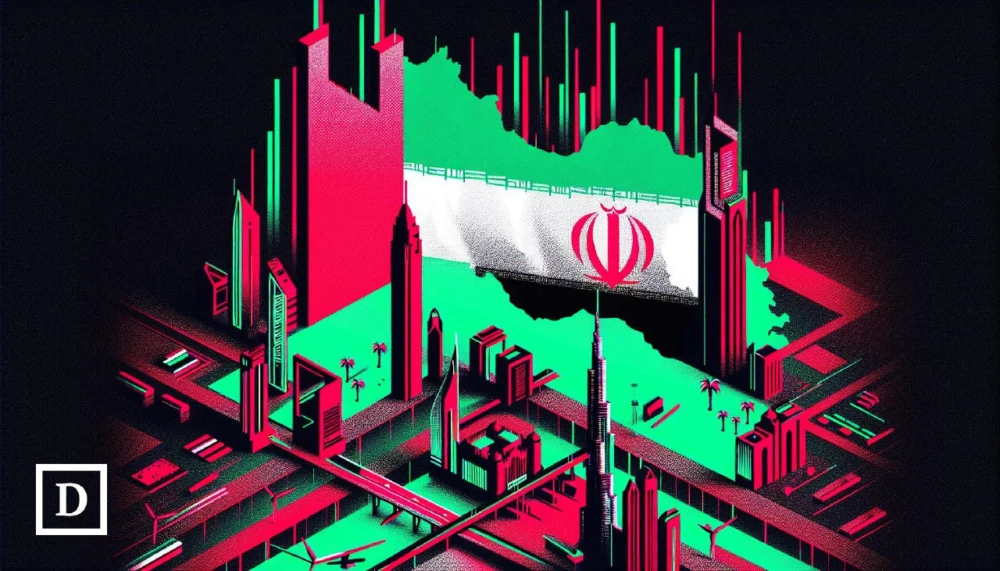
The burgeoning cryptocurrency industry, renowned for its rapid innovation and global connectivity, has found itself directly impacted by the volatile geopolitical landscape of the Middle East. Two of the most significant crypto events scheduled to take place in Dubai, a city rapidly establishing itself as a global hub for digital assets, have been either postponed or outright cancelled. These decisions stem directly from the escalating tensions and subsequent drone strikes and airspace restrictions affecting the region, underscoring the growing intersection of international conflict and the digital economy.
Token2049 Dubai Edition Rescheduled Amidst Regional Uncertainty
Token2049, widely recognized as one of the premier annual gatherings for the global cryptocurrency ecosystem, announced on Friday, March 13, 2026, that its much-anticipated Dubai edition, originally slated for April 29-30, 2026, would be deferred to April 2027. The organizers cited "ongoing uncertainty in the region and its impact on safety, international travel and logistics" as the primary drivers behind this significant postponement. This decision represents a stark reversal from the confident assurances provided earlier in the week, when a spokesperson had informed Fortune that preparations were on track and registrations were indicating a sold-out event.
The original iteration of Token2049 Dubai was expected to draw an impressive contingent of approximately 15,000 attendees, including a veritable who’s who of the crypto world. Scheduled speakers included prominent figures such as Shayne Coplan, CEO of Polymarket; Paolo Ardoino, CEO of Tether; and Circle co-founder Jeremy Allaire. The conference aimed to provide a platform for industry leaders, innovators, investors, and policymakers to discuss the latest trends, challenges, and opportunities within the rapidly evolving digital asset space. The postponement of such a high-profile event signals a tangible disruption to the industry’s networking and development momentum.
Gateway Dubai Cancelled Entirely as Regional Instability Mounts
Adding to the growing list of disruptions, Gateway Dubai, an event organized by The Open Network (TON) – the blockchain ecosystem closely affiliated with the popular messaging platform Telegram – was cancelled entirely on Thursday, March 12, 2026. This event had been scheduled for May 2026. The abrupt cancellation of Gateway Dubai, without a rescheduled date, further amplifies concerns about the viability of large-scale international events in the region under the current circumstances. The TON ecosystem, known for its ambitious development and strong user base, would have likely attracted a substantial audience to its Dubai gathering.
Chronology of Disruptions and Shifting Industry Sentiment
The decision to postpone and cancel these major crypto conferences did not emerge in a vacuum. The preceding days saw a significant escalation in regional tensions, directly impacting the operational environment in Dubai.
- Early March 2026: Initial reports and assessments suggest that organizers of both Token2049 and Gateway Dubai were proceeding with their planning, anticipating a successful series of events. Market sentiment within the crypto space remained largely optimistic about Dubai’s capacity to host international gatherings.
- March 11, 2026 (Wednesday): The situation on the ground began to visibly deteriorate. Two drones were reported to have fallen in the vicinity of Dubai’s main airport, raising immediate security concerns. This incident, while not directly impacting the airport’s operations, served as a potent symbol of the heightened risks in the region.
- March 12, 2026 (Thursday): The Open Network (TON) announced the complete cancellation of its Gateway Dubai event, scheduled for May. This marked the first major public casualty among the planned crypto conferences.
- March 13, 2026 (Friday): Token2049, the larger and more prominent of the two events, officially announced its postponement to April 2027. Concurrently, Dubai’s media office confirmed that debris from an intercepted missile had caused minor damage to a building in the city center, further solidifying the reality of the geopolitical threat. The previous assurances from Token2049 organizers to Fortune regarding continued preparations were rendered obsolete by these rapidly unfolding events.
This timeline illustrates a swift and dramatic shift in the perceived safety and logistical feasibility of hosting international events in Dubai, directly correlating with the escalating military actions and heightened security alerts across the Gulf.
Dubai’s Ascendancy as a Crypto Hub and the Impact of Instability
Dubai has, in recent years, strategically positioned itself as a leading global center for the digital asset industry. The emirate has actively courted crypto companies and talent, offering a favorable regulatory environment, robust infrastructure, and a vision for the future of finance. According to data compiled by Cointelegraph, the UAE, with Dubai at its forefront, has become a magnet for the digital asset sector, reportedly hosting over 1,800 crypto companies. This growth trajectory has positioned the city as a critical node in the global crypto network, making the current disruptions particularly noteworthy.
The UAE’s proactive approach has included establishing regulatory frameworks for virtual assets, such as the Dubai Virtual Assets Regulation Law, and creating dedicated free zones like the Dubai Multi Commodities Centre (DMCC) and the Virtual Assets Regulatory Authority (VARA), which are designed to attract and support blockchain and cryptocurrency businesses. This concerted effort has fostered a vibrant ecosystem, attracting significant investment and talent. The postponement of these major conferences, therefore, not only impacts the immediate industry calendar but also casts a shadow over the continued momentum of Dubai’s ambitious digital asset strategy.
Broader Implications for the Crypto Industry and International Events
The cancellations and postponements of these high-profile events in Dubai carry several significant implications for the global cryptocurrency industry:
- Disruption to Networking and Deal-Making: Major conferences serve as crucial platforms for networking, partnership building, and deal origination. The absence of Token2049 and Gateway Dubai removes key opportunities for industry stakeholders to connect, share insights, and foster collaborations, potentially slowing down the pace of innovation and investment.
- Economic Impact: The loss of these events translates into a direct economic impact for Dubai, affecting the hospitality sector, travel industry, and local businesses that rely on conference attendees. Furthermore, it represents a missed opportunity for the region to showcase its capabilities and attract further investment in its burgeoning crypto sector.
- Erosion of Confidence: While the reasons for postponement are clearly external and geopolitical, a prolonged period of such disruptions could, over time, lead to a perceived decrease in the reliability of hosting major international events in the region, even once the immediate crisis has passed. This could prompt event organizers to consider alternative, less volatile locations for future gatherings.
- Resilience of the Digital Asset Industry: The swift reaction of the organizers, prioritizing safety and logistical feasibility, demonstrates a pragmatic approach to risk management. It also highlights the industry’s growing maturity in navigating unforeseen challenges. However, it also underscores the vulnerability of even the most forward-looking industries to geopolitical instability.
- Geopolitical Risk Premium: The events in the Gulf serve as a stark reminder that geopolitical risks can have tangible economic consequences, extending even to the highly digital and seemingly borderless world of cryptocurrency. This may lead to a greater "geopolitical risk premium" being factored into decisions regarding international business and event planning in regions prone to conflict.
Official Responses and the Path Forward
While direct statements from the organizers of the cancelled events have been limited to the official postponement and cancellation notices, the broader context of the situation involves ongoing diplomatic efforts and security advisories. Governments of nations with significant business interests in the UAE, including those with substantial cryptocurrency communities, are likely monitoring the situation closely and issuing travel advisories to their citizens.
The Dubai government, through its media office, has acknowledged incidents related to the regional conflict, indicating a commitment to transparency regarding security matters. The focus for the authorities will undoubtedly be on ensuring the safety and security of residents and visitors while mitigating any long-term damage to Dubai’s reputation as a stable and attractive business destination.
The cryptocurrency industry, by its very nature, is global and adaptable. While the postponement of these Dubai events is a significant setback for the regional ecosystem and the participants who were eager to convene, the industry’s underlying technological infrastructure and its global community are likely to find alternative avenues for engagement and development. However, the incident serves as a potent case study on the increasing interconnectedness of global geopolitics and the digital economy, underscoring the need for robust contingency planning and a keen awareness of international relations in the execution of global business and events. The future of major crypto conferences in the region will, undoubtedly, be closely watched as the geopolitical landscape evolves.