admin
admin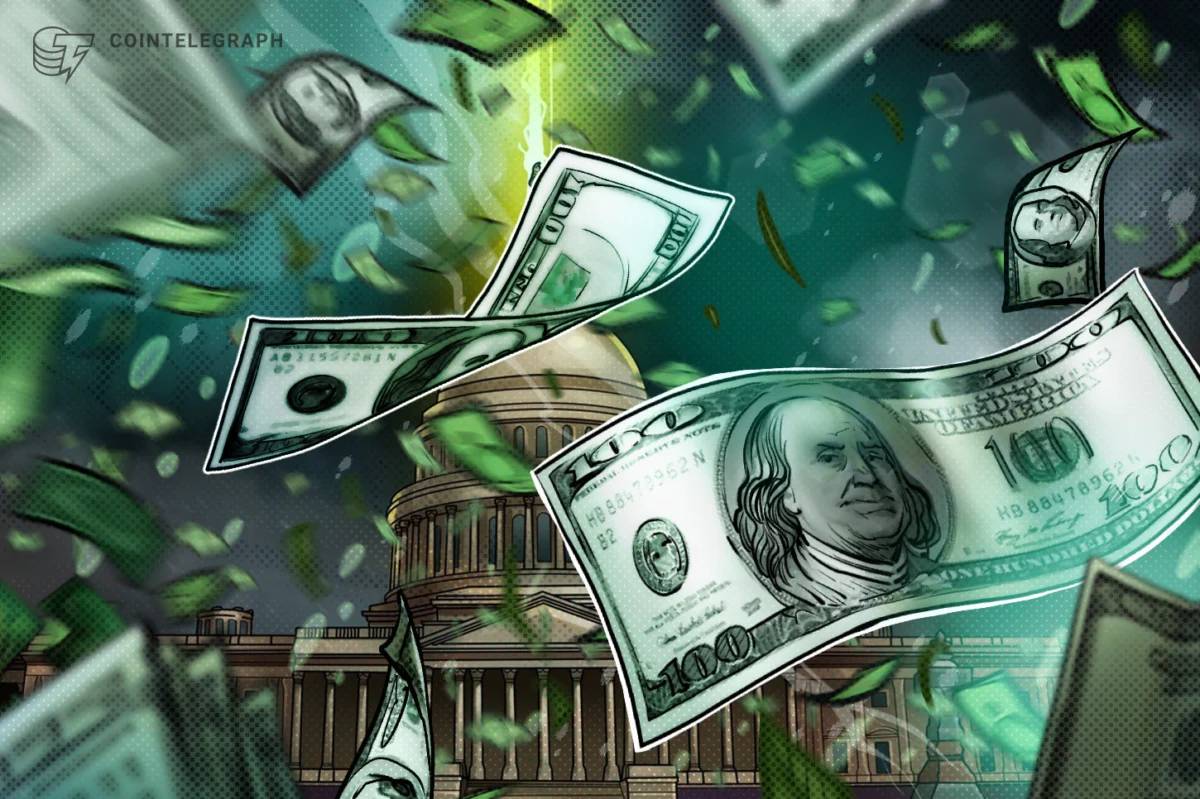
Affiliates of the Fairshake political action committee (PAC), substantially financed by major players in the digital asset space such as Coinbase and Ripple Labs, have dramatically escalated their electoral expenditures, increasing their initially announced outlays by over 50%. This surge in spending targets what is shaping up to be a pivotal race for control of Congress in the 2026 midterm elections, particularly focusing on the Ohio Senate contest. The unprecedented financial commitment underscores the crypto industry’s aggressive strategy to influence legislative outcomes and secure a more favorable regulatory environment in Washington.
According to detailed filings submitted on Thursday with the Federal Election Commission (FEC), Defend American Jobs, an affiliate of Fairshake dedicated to supporting Republican candidates in both primary and general elections, reported an expenditure of $46.6 million. This substantial sum was allocated primarily to media campaigns designed to oppose former Senator Sherrod Brown and bolster the candidacy of Republican incumbent Jon Husted in Ohio’s fiercely contested Senate race, which is already looking ahead to the 2026 midterms. This latest reported spending marks a significant upward revision from Fairshake’s initial September declaration, where the PAC had indicated plans to spend $30 million against Brown’s potential return to the Senate. The escalation reflects a heightened sense of urgency and strategic recalibration by the crypto industry’s political arm as the election cycle progresses.
The sheer scale of these expenditures has not gone unnoticed by the targeted candidates. Sherrod Brown, a long-serving Democratic lawmaker known for his populist stance and skepticism towards large financial institutions, directly addressed the barrage of attack ads funded by the crypto industry during an interview aired Friday on Pod Save America. Brown stated, "I’ve spent my career taking on Wall Street, taking on big pharma, taking on big oil and been successful in many cases." He further elaborated on the perceived motivations behind the industry’s significant investment in the race: "Jon Husted is their boy… They know he’s their guy, they know I’m going to hold him accountable and I guess it’s a perfect storm, so they spend literally tens and tens of millions of dollars." Brown’s remarks highlight the stark ideological divide between his progressive agenda, which often advocates for stricter financial oversight, and the crypto industry’s desire for less restrictive regulatory frameworks.
With the 2026 election cycle already gaining momentum, and early voting having commenced in Ohio, the state has become a critical battleground for various interest groups. Fairshake’s affiliate, Defend American Jobs, is not operating in isolation. Other crypto-aligned PACs have also ramped up their spending, signaling a concerted effort to shape voter sentiment. The Digital Freedom Fund, a Super PAC established by Gemini co-founders Tyler and Cameron Winklevoss, reported an additional $3 million in ad spending this week. These funds were also directed towards opposing Brown and supporting Husted, elevating the group’s total media purchases in the Ohio Senate race to more than $5.9 million. This coordinated financial push from multiple crypto-backed entities underscores the industry’s unified approach to influencing key political contests.
A Look Back: Fairshake’s Growing Influence and the 2024 Precedent
The current spending spree by Fairshake already surpasses its efforts in the 2024 election cycle, where the PAC allocated $41 million to support Republican Bernie Moreno and oppose Sherrod Brown, who was then running for re-election to the Senate. Brown, during his tenure, chaired the influential Senate Banking Committee and emerged as one of the most vocal critics and challengers of laws and policies favored by the burgeoning crypto industry. His position provided a powerful platform for scrutinizing digital assets, often leading to clashes with industry advocates seeking greater legislative clarity and fewer regulatory hurdles. This history explains, in part, why Brown has become a primary target for crypto-backed PACs, as his return to a position of influence could significantly impede their legislative objectives.
The strategic focus on Ohio, a perennial swing state, reflects its outsized importance in the national political landscape. A victory for Jon Husted, a prominent Republican figure in Ohio politics, would not only contribute to the GOP’s efforts to control the Senate but would also signal a potential shift in the legislative environment concerning digital assets. Husted, having served as Lieutenant Governor, has a track record of pro-business policies, which the crypto industry likely views as more aligned with its interests compared to Brown’s regulatory stance.
Beyond the Buckeye State: A National Campaign for Crypto Advocacy
While Ohio remains a central focus, the 2026 midterm elections are prompting a broader, multi-state engagement from Fairshake and its allies. Defend American Jobs also reported significant spending in Nebraska’s Senate race, where it has poured more than $6.7 million into campaigns opposing Independent candidate Dan Osborn. Osborn is challenging Republican Pete Ricketts, who, during his time in office, notably voted in favor of key legislative initiatives beneficial to the crypto sector, including the Digital Asset Market Clarity Act and the Guiding and Establishing National Innovation for US Stablecoins Act. This demonstrates Fairshake’s comprehensive strategy to support incumbents and challengers nationwide who have demonstrated or are expected to demonstrate support for crypto-friendly legislation.
The scale of these financial contributions reflects a sophisticated and well-funded lobbying effort. Fairshake’s public statements have consistently affirmed its intention to "back pro-crypto candidates" in 2026, with the overarching goal of populating the next session of Congress with lawmakers who are supportive of policies favored by the digital asset industry. The PAC’s formidable financial war chest, which reportedly held $193 million in cash on hand as of January, positions it as a major force in the upcoming electoral cycle. This significant financial firepower enables Fairshake and its affiliates to execute extensive media campaigns, fund grassroots efforts, and engage in other political activities across multiple critical races.
The Regulatory Impetus: Why the Crypto Industry is Mobilizing
The aggressive political spending by crypto PACs is not merely about electing specific individuals; it is fundamentally about shaping the future regulatory landscape for digital assets in the United States. The industry has long grappled with regulatory uncertainty, a patchwork of state and federal rules, and conflicting interpretations from agencies like the Securities and Exchange Commission (SEC) and the Commodity Futures Trading Commission (CFTC). This ambiguity has been cited by industry leaders as a significant impediment to innovation, economic growth, and the broader adoption of blockchain technology.
Key legislative priorities for the crypto industry include:
- Clear Stablecoin Legislation: The absence of a comprehensive federal framework for stablecoins has left issuers and users in a legal grey area, subject to varying state laws and potential federal enforcement actions. Industry advocates seek clear rules that would allow stablecoins to flourish while ensuring consumer protection and financial stability.
- Digital Asset Market Clarity: The classification of various digital assets as either securities or commodities remains a contentious issue. The industry desires legislation that provides a clear "test" or framework for distinguishing between these categories, thereby reducing regulatory arbitrage and providing certainty for developers and investors.
- Jurisdictional Clarity: Overlapping and sometimes conflicting jurisdiction between the SEC and CFTC has created confusion. The industry advocates for legislation that clearly delineates which agency has primary oversight for different types of digital assets and activities.
- Innovation and Competitiveness: Many in the crypto industry believe that without clear, forward-looking regulation, the U.S. risks falling behind other nations in the global race for blockchain innovation. They argue that supportive legislation is essential to foster a competitive environment for American crypto companies.
The 2026 midterms are seen as a crucial opportunity to elect a sufficient number of pro-crypto lawmakers who can champion these legislative goals. A Congress with a stronger contingent of digital asset advocates could significantly advance bills that provide the clarity and certainty the industry craves, potentially unlocking new phases of growth and investment. Conversely, a Congress dominated by skeptics or those advocating for stricter controls could further entrench the current regulatory challenges, hindering the industry’s development.
The Broader Landscape of Crypto Lobbying
Beyond Fairshake and the Digital Freedom Fund, other groups aligned with crypto interests are also actively working to influence the 2026 voters. The Fellowship committee, backed by prominent financial institutions like Cantor Fitzgerald and Anchorage Digital, reported spending more than $11 million between August 2025 and August 2026. This spending has largely been directed towards media campaigns supporting various House and Senate candidates, indicating a broad-based effort to cultivate political goodwill across different branches of Congress.
The increasing visibility and financial power of crypto-aligned PACs represent a maturation of the industry’s political engagement. What was once a niche concern for tech enthusiasts has evolved into a significant economic sector, capable of deploying substantial resources to protect and advance its interests. This trend mirrors the lobbying efforts seen in other major industries, from pharmaceuticals to technology, highlighting the growing mainstream integration of digital assets into the American political economy.
Implications for the 2026 Elections and Beyond
The substantial investment by crypto PACs in the 2026 elections carries several significant implications. Firstly, it could profoundly impact the outcomes of key races, potentially tipping the balance in favor of candidates who are more amenable to the industry’s legislative agenda. In tightly contested states like Ohio, where elections are often decided by narrow margins, tens of millions of dollars in media spending can be a decisive factor.
Secondly, a successful campaign by these PACs could lead to a Congress that is significantly more receptive to crypto-friendly legislation. This could pave the way for long-awaited regulatory clarity, potentially leading to the passage of bills addressing stablecoins, market classification, and jurisdictional issues. Such legislative progress could unlock significant capital, foster innovation, and solidify the United States’ position as a leader in the global digital asset space.
Conversely, should these efforts fall short, and candidates critical of the industry gain or retain power, the regulatory environment could remain fragmented and challenging. This scenario might push some companies to seek more favorable jurisdictions overseas, potentially stifling domestic innovation.
The unfolding narrative of crypto PAC spending also contributes to the broader national conversation about money in politics. The sheer scale of these contributions from a relatively nascent industry raises questions about the influence of wealthy donors and special interest groups on democratic processes. As the 2026 election cycle progresses, the unprecedented financial engagement from the digital asset sector will undoubtedly remain a subject of intense scrutiny and debate, shaping not only the future of crypto regulation but also the dynamics of American political campaigning.
Cointelegraph is committed to independent, transparent journalism. This news article is produced in accordance with Cointelegraph’s Editorial Policy and aims to provide accurate and timely information. Readers are encouraged to verify information independently.