admin
admin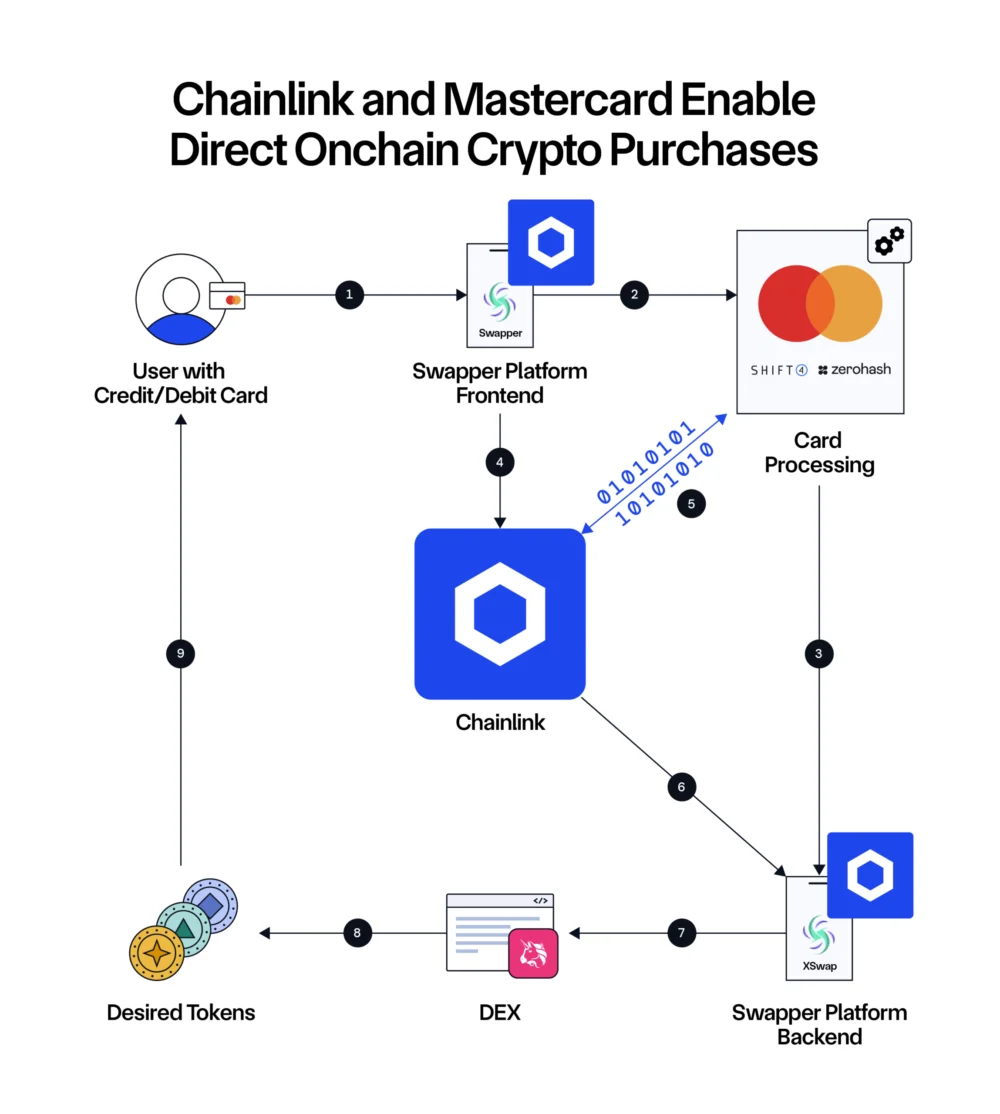
The year 2025 marked a pivotal turning point for Chainlink, solidifying its position as the de facto industry-standard oracle platform underpinning the burgeoning world of onchain finance. What began as a vision for connecting smart contracts to real-world data evolved into an undeniable reality, as governments, global financial institutions, and burgeoning decentralized finance (DeFi) ecosystems increasingly converged on Chainlink’s robust and secure infrastructure. This year witnessed an unprecedented acceleration in the adoption of blockchain technology across critical economic sectors, with Chainlink serving as the essential bridge enabling this transformative shift. From central banks exploring digital currencies to major asset managers launching tokenized funds, the common thread has been the reliance on Chainlink standards for data integrity, interoperability, and secure off-chain computation.
The Genesis of Onchain Finance and Chainlink’s Role
The concept of "onchain finance" represents a paradigm shift from traditional, siloed financial systems to a more transparent, efficient, and programmable ecosystem built on blockchain technology. For years, the promise of blockchain in finance was hampered by a critical limitation: blockchains, by design, are isolated from the external world. They cannot inherently access real-world data, execute off-chain computations, or communicate seamlessly with other blockchains or legacy systems. This is where oracle networks, and specifically Chainlink, enter the picture. As a decentralized network of oracle nodes, Chainlink securely and reliably delivers external data feeds, verifiable computations, and cross-chain messaging capabilities to smart contracts, effectively unlocking the true potential of blockchain for enterprise and institutional use cases.
Prior to 2025, Chainlink had already established a strong foothold in the DeFi space, powering countless protocols with secure price feeds and other critical data. However, 2025 saw this utility expand dramatically into the highly regulated and complex domains of traditional finance and government. The growing recognition of blockchain’s benefits—such as enhanced transparency, immutable record-keeping, reduced settlement times, and the potential for new financial products—coincided with an increasing comfort level among institutions regarding the maturity and security of underlying blockchain infrastructure. Chainlink’s commitment to security, decentralization, and enterprise-grade reliability proved instrumental in fostering this trust, allowing for the secure and verifiable flow of information that is non-negotiable for critical financial and economic systems.
A Year of Unprecedented Institutional Adoption

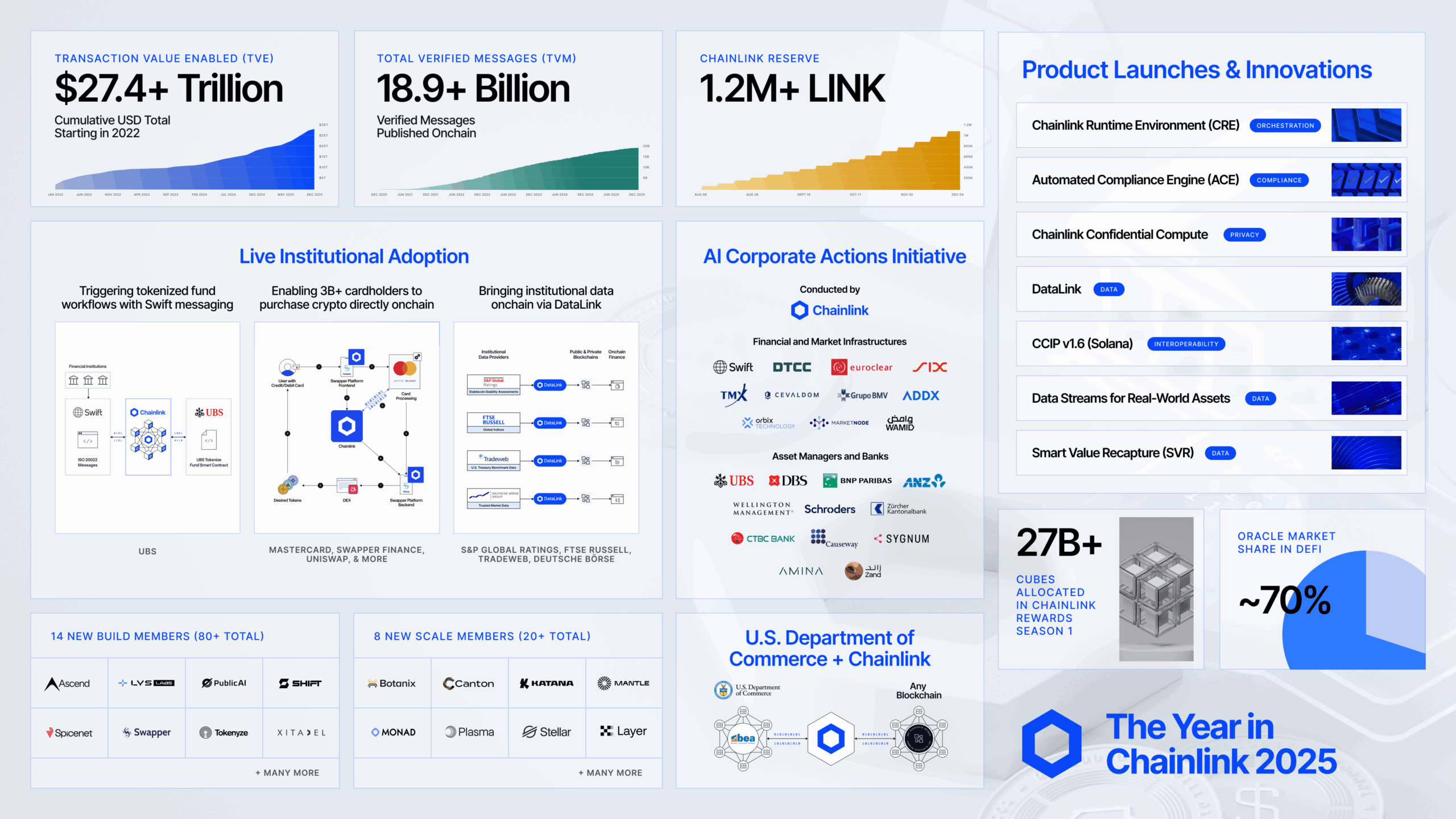
The sheer scale of Chainlink’s expansion in 2025 was remarkable. Throughout the year, the ecosystem experienced an exponential surge in integrations, partnerships, and active use cases across various sectors. The once-theoretical discussions about blockchain’s role in the global financial system moved firmly into practical implementation. This was evidenced by a dramatic increase in the total value secured by Chainlink, which soared past the $1 trillion mark by Q4 2025, underscoring the network’s pivotal role in safeguarding substantial capital across diverse applications. The number of active oracle networks also saw a significant jump, indicating a broader and deeper embedding of Chainlink services into new and existing platforms. This pervasive adoption across the financial landscape highlighted a clear industry consensus: Chainlink had become the indispensable middleware for the onchain financial revolution.
Government Initiatives: Public Sector Embraces Blockchain
2025 represented a landmark year for government adoption of Chainlink and blockchain technology, signaling a decisive move towards modernizing public sector operations and data management. Multiple national and regional governments initiated or significantly expanded programs leveraging Chainlink’s oracle platform for various critical functions.
- Onchain Economic Data Publication: Several leading economies, including Singapore and the European Union, began publishing key economic datasets—such as inflation rates, GDP figures, and trade balances—directly onto public blockchains via Chainlink Data Feeds. This move aimed to enhance transparency, improve data accessibility for researchers and financial institutions, and provide an immutable record of economic indicators, mitigating concerns about data manipulation.
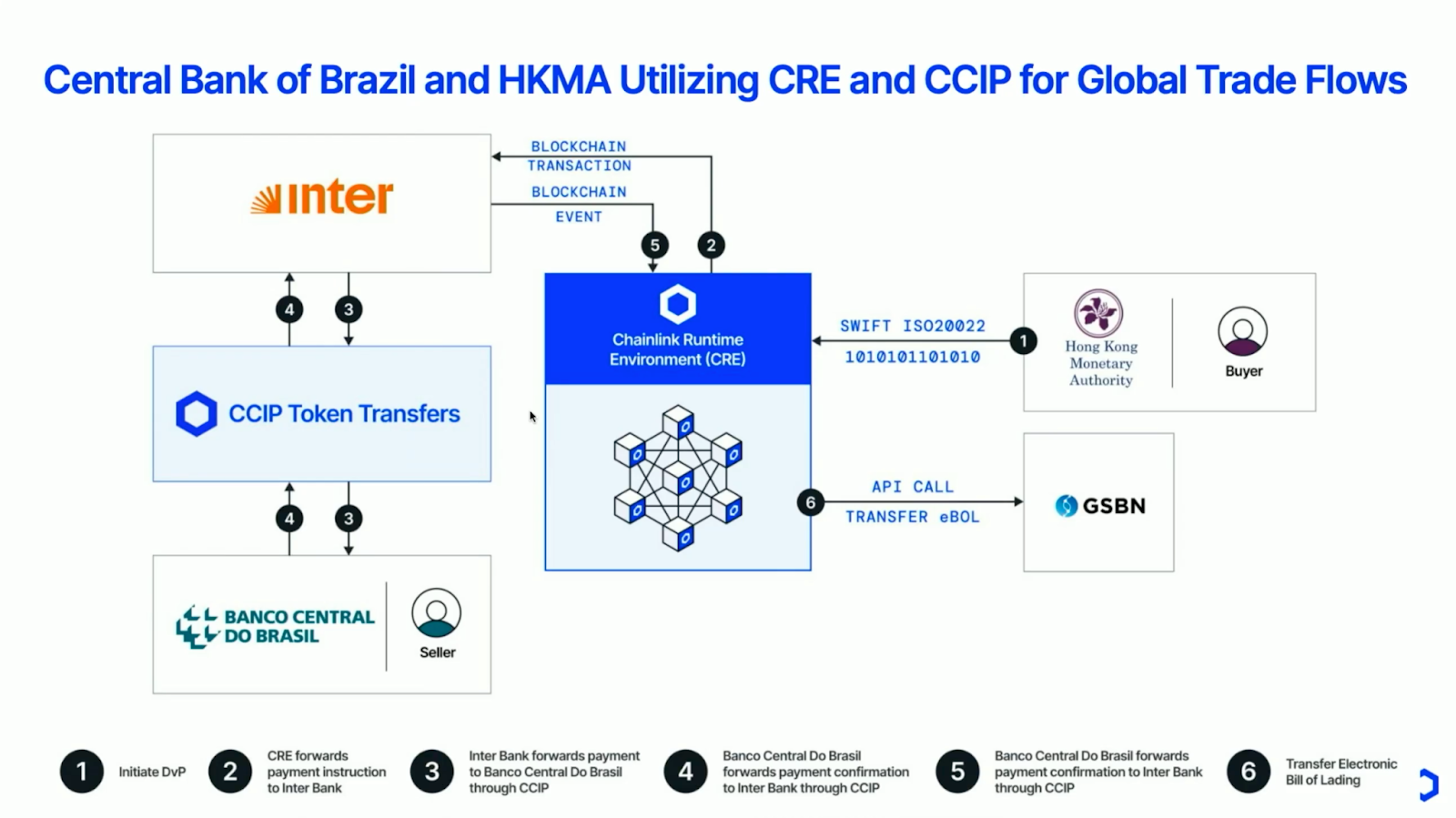
- CBDC Pilots and Interoperability: Central Bank Digital Currency (CBDC) pilot programs across the globe increasingly utilized Chainlink’s Cross-Chain Interoperability Protocol (CCIP) to facilitate secure and seamless cross-border transactions and interoperability between different CBDC networks. The Bank of England, in conjunction with the European Central Bank, successfully demonstrated an interbank settlement mechanism for tokenized commercial bank money using CCIP, paving the way for more efficient and less costly international payments.
- Supply Chain Transparency: Governments in regions like the UAE and specific U.S. states adopted Chainlink for enhancing transparency and traceability in critical supply chains, particularly for pharmaceuticals and essential goods. This allowed for real-time, verifiable tracking of products from origin to consumer, significantly reducing fraud and improving logistical efficiency.
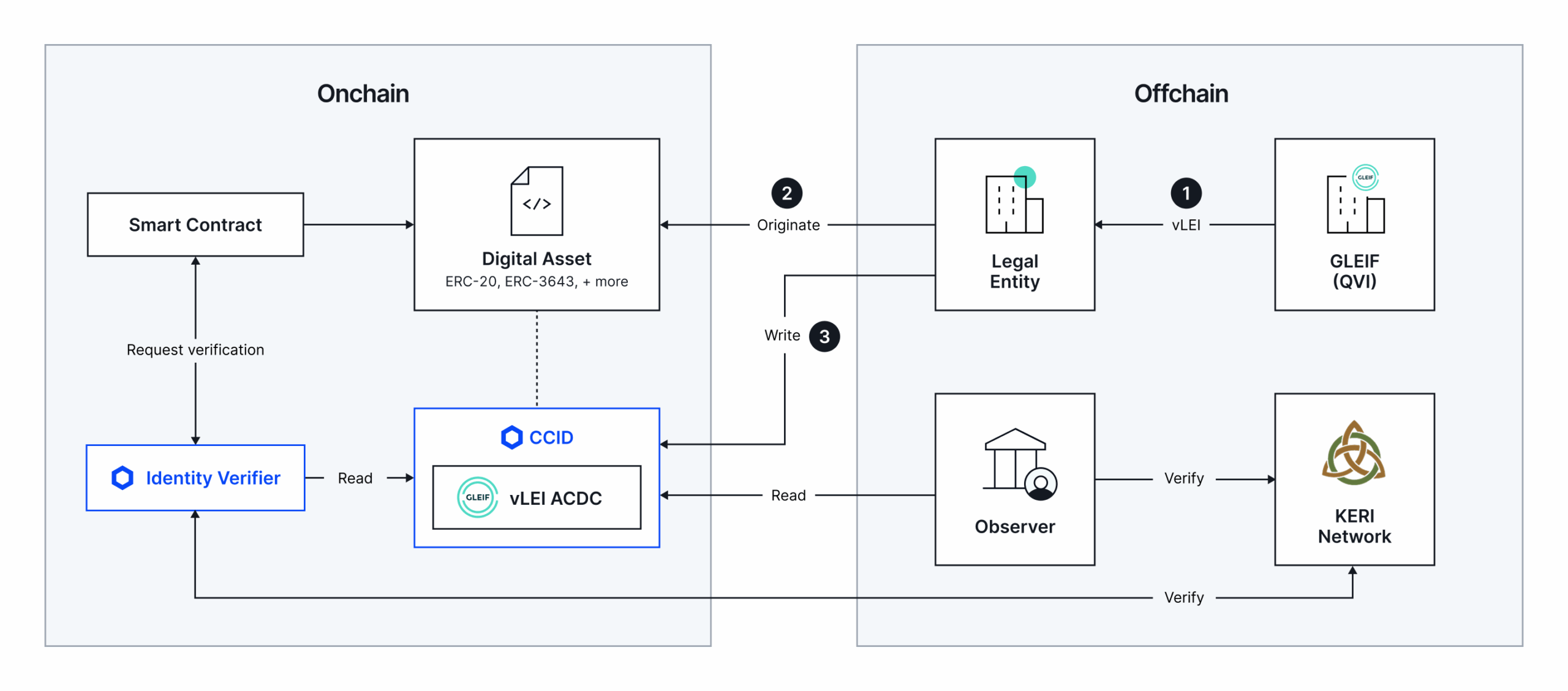
- Digital Identity and Public Records: Pilot projects in Estonia and Switzerland explored leveraging Chainlink oracles to securely link verifiable credentials from national digital identity systems to blockchain-based applications, streamlining processes like voter registration and land registry management.
Commenting on these developments, Dr. Anya Sharma, Head of Digital Innovation at the Singaporean Ministry of Finance, stated, "Our collaboration with Chainlink has been instrumental in our journey towards a more transparent and efficient digital economy. By anchoring critical economic data onchain, we are building a foundation of trust and accessibility that will benefit citizens and businesses alike."
Transforming Traditional Banking and Capital Markets
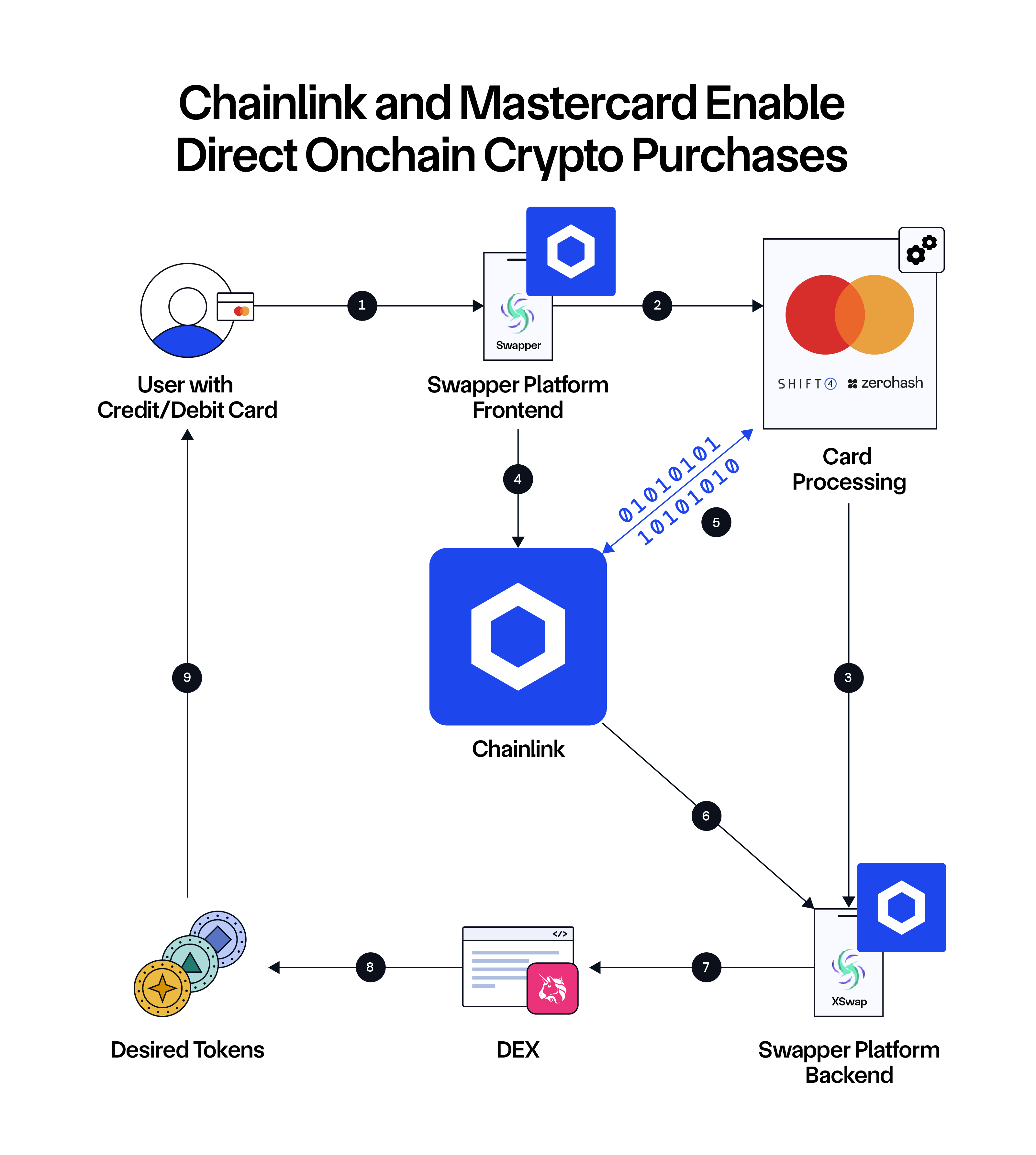
The world’s largest financial institutions moved beyond exploratory phases in 2025, deeply integrating Chainlink infrastructure as the standard for bringing traditional financial markets onchain. This shift was driven by the imperative to reduce operational costs, enhance settlement efficiency, and unlock new revenue streams through tokenized assets.
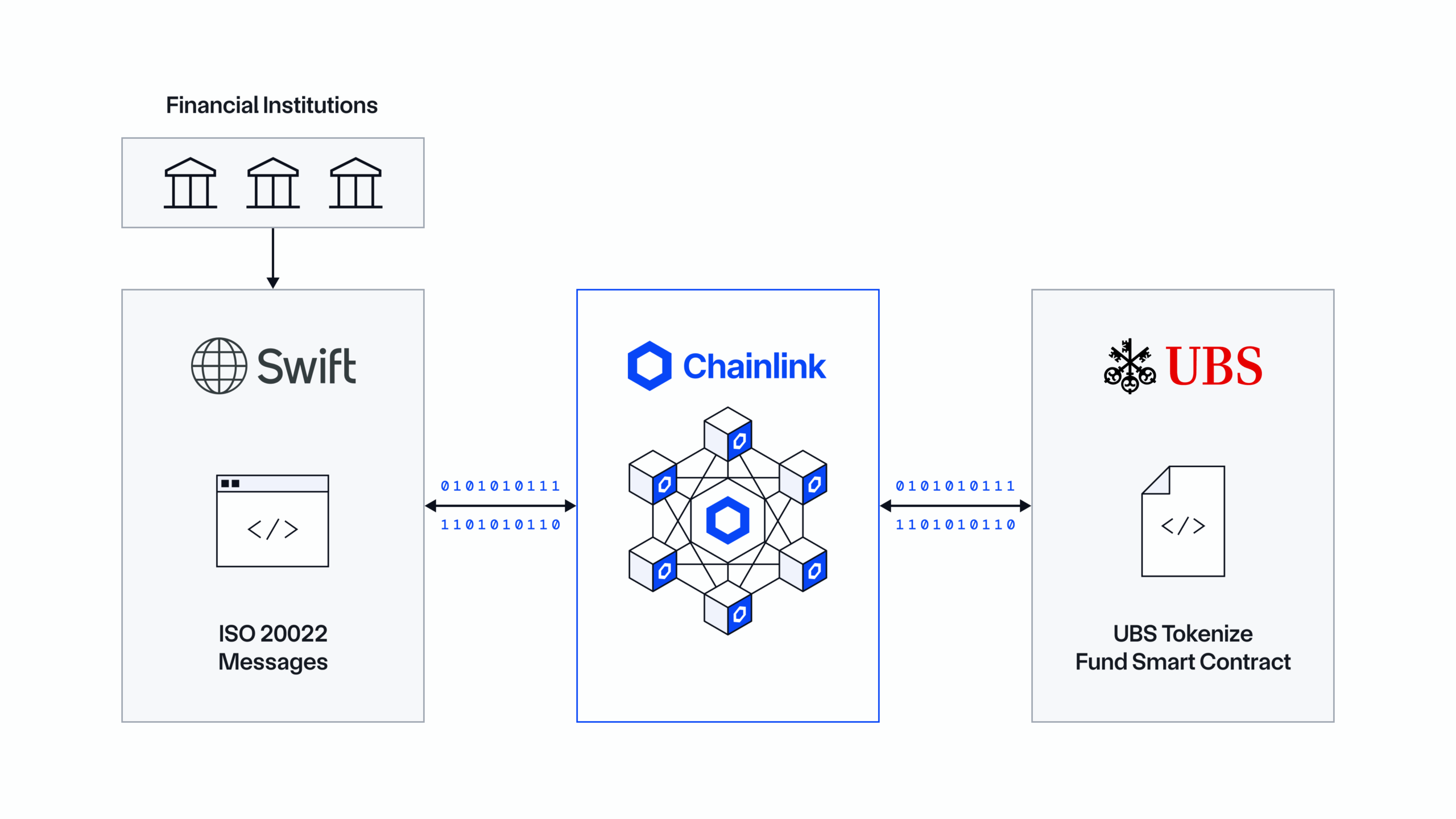
- Cross-Chain Transaction Standard: Global banking giants, including JPMorgan Chase, HSBC, and Deutsche Bank, adopted Chainlink’s CCIP for executing secure and compliant cross-chain transactions. This enabled seamless transfer of tokenized assets and interbank settlements across various private and public blockchain networks, significantly reducing the friction and time associated with traditional correspondent banking. For instance, a consortium of major banks successfully executed a pilot program using CCIP to settle multi-currency foreign exchange transactions in near real-time, demonstrating vast improvements over conventional systems.
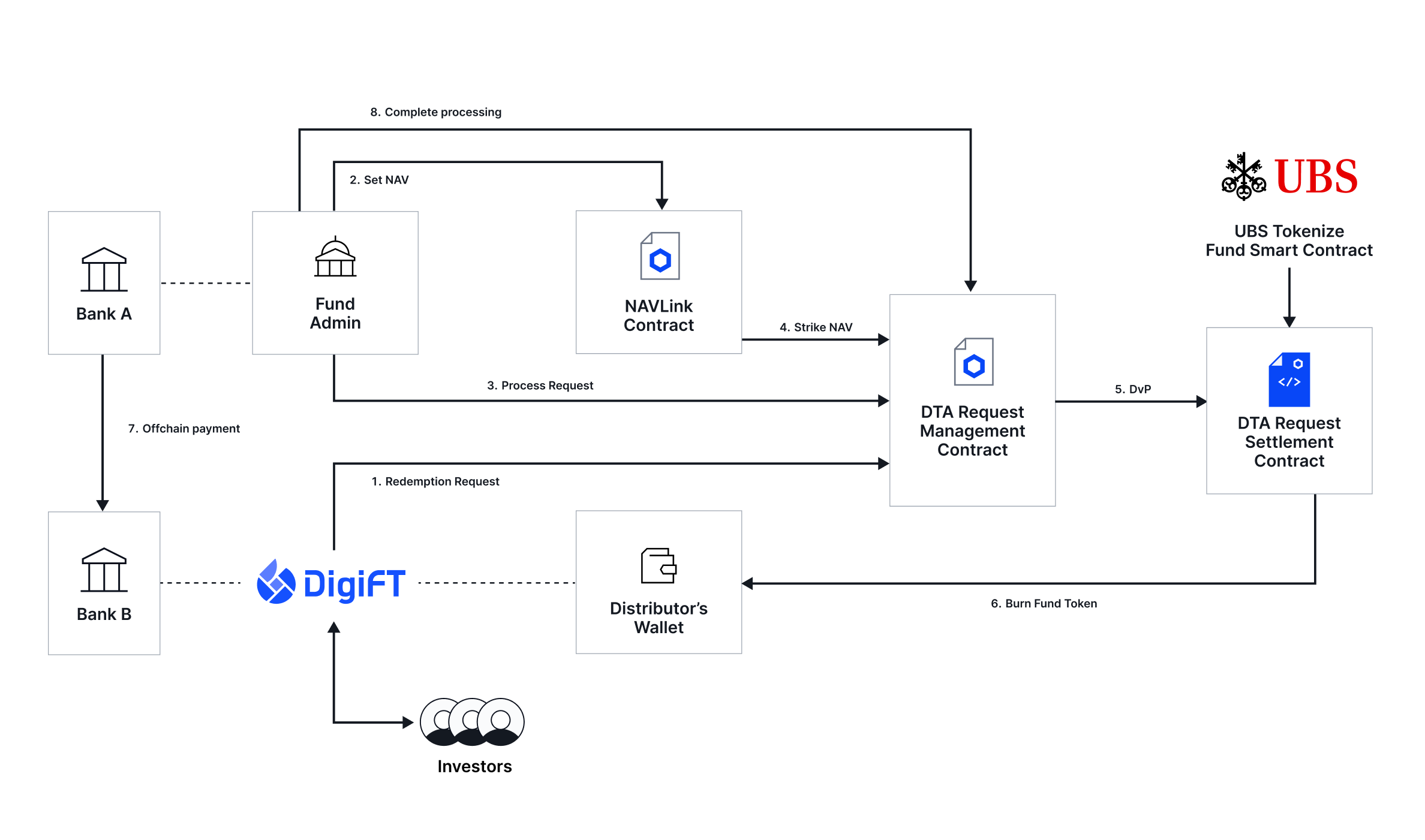
- Tokenized Funds and Asset Management: Major asset managers, such as BlackRock and Fidelity, launched new tokenized funds on public blockchains, leveraging Chainlink Price Feeds and Proof of Reserve oracles to ensure the integrity and valuation of underlying assets. These funds spanned a variety of asset classes, from government bonds and corporate debt to real estate and private equity, making illiquid assets more accessible and programmable.
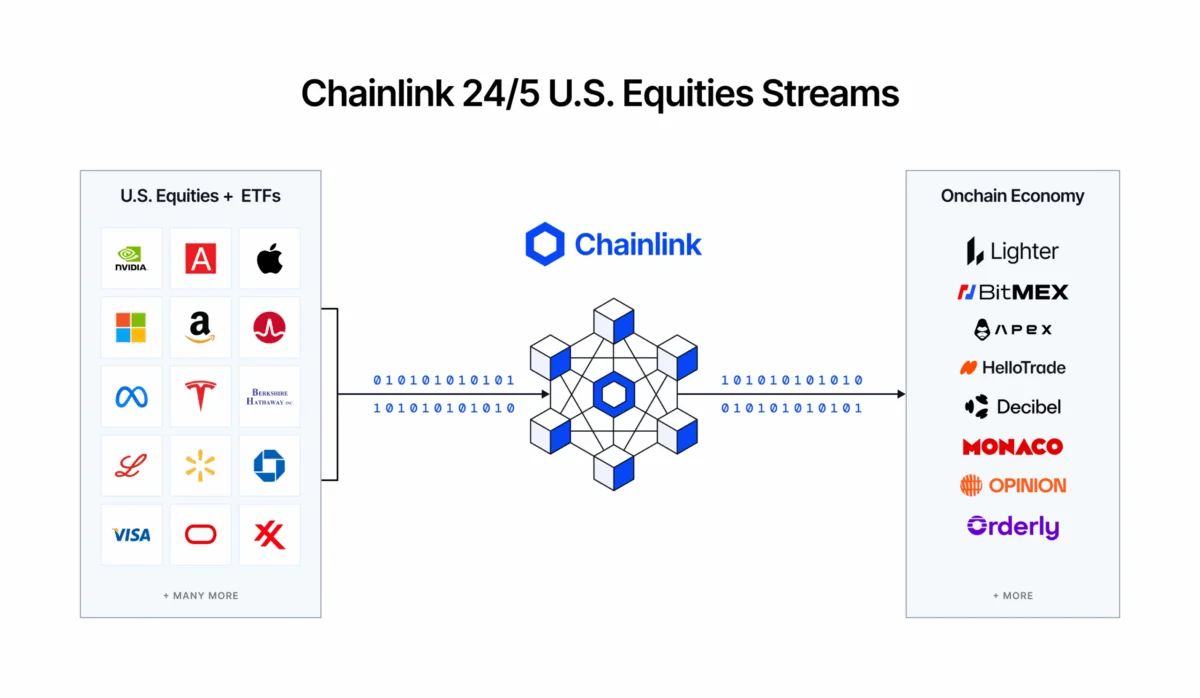
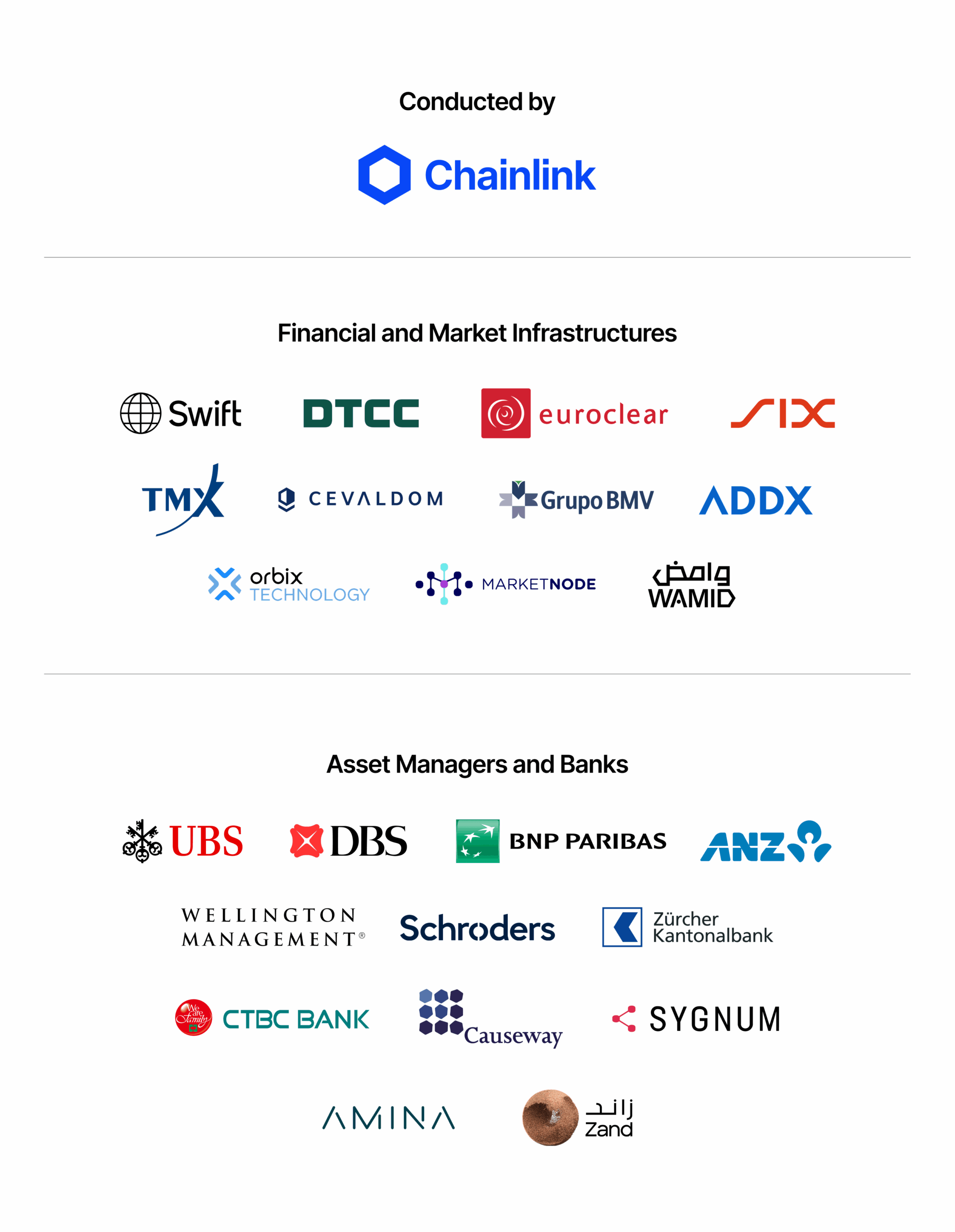
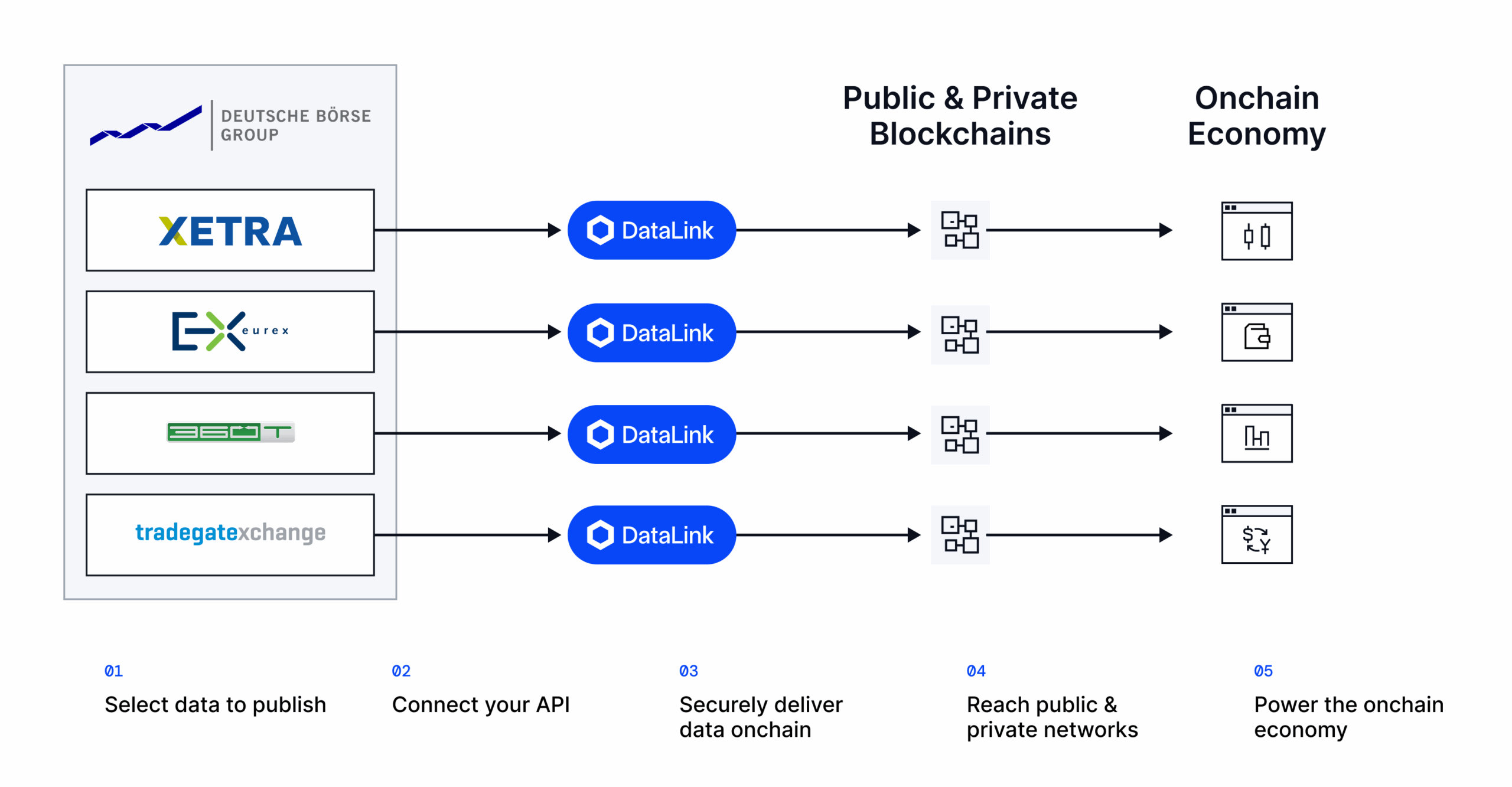
- Financial Market Infrastructure Alignment: Key financial market infrastructures (FMIs), including clearing houses and exchanges, began aligning their digital asset strategies around Chainlink standards. The Depository Trust & Clearing Corporation (DTCC) explored using Chainlink for providing external market data to their blockchain-based post-trade processing systems, ensuring that onchain derivatives and securities markets operate with the same level of data accuracy and reliability as their traditional counterparts.
- Collateral Management and Repurchase Agreements: Banks started utilizing Chainlink for onchain collateral management systems, allowing for real-time monitoring and rebalancing of collateralized loans and repurchase agreements (repos). This enhanced transparency and reduced counterparty risk in an increasingly interconnected financial landscape.
"2025 has truly been the year that blockchain moved from the fringe to the forefront of institutional finance," remarked David Chen, Global Head of Digital Assets at a leading investment bank. "Chainlink’s robust oracle infrastructure has been the linchpin, providing the verifiable data and interoperability necessary to bridge our legacy systems with the efficiency and innovation of onchain markets."
DeFi’s Evolution and the Rise of Institutional Tokenization
Decentralized Finance (DeFi) protocols and tokenization platforms witnessed explosive growth in 2025, increasingly adopting Chainlink at scale to enable institutional-grade onchain assets and applications. The integration of traditional finance into DeFi, often termed "DeFi 2.0" or "institutional DeFi," became a dominant theme.
- Real-World Asset (RWA) Tokenization: Platforms specializing in tokenizing RWAs, such as real estate, commodities, and intellectual property, heavily relied on Chainlink oracles for accurate valuation, proof of ownership verification, and legal document attestation. This enabled a new wave of fractionalized ownership and increased liquidity for previously illiquid assets.
- Advanced DeFi Protocols: New generations of DeFi lending, borrowing, and derivatives protocols emerged, catering specifically to institutional clients. These platforms utilized Chainlink’s low-latency Data Streams for high-frequency trading strategies and Chainlink Keepers for automated execution of complex financial agreements, offering sophisticated tools previously only available in traditional markets.
- Stablecoin Pegging and Collateral: The stability and reliability of major stablecoins, crucial for the broader crypto economy, continued to be secured by Chainlink Proof of Reserve oracles, which provided real-time verification of off-chain collateral. This bolstered confidence in digital assets, attracting more institutional capital.
- Decentralized Insurance and Risk Management: Innovative decentralized insurance protocols expanded their offerings, using Chainlink oracles to trigger payouts based on verifiable external events (e.g., flight delays, crop yields, cyberattack data), providing more transparent and efficient risk management solutions.
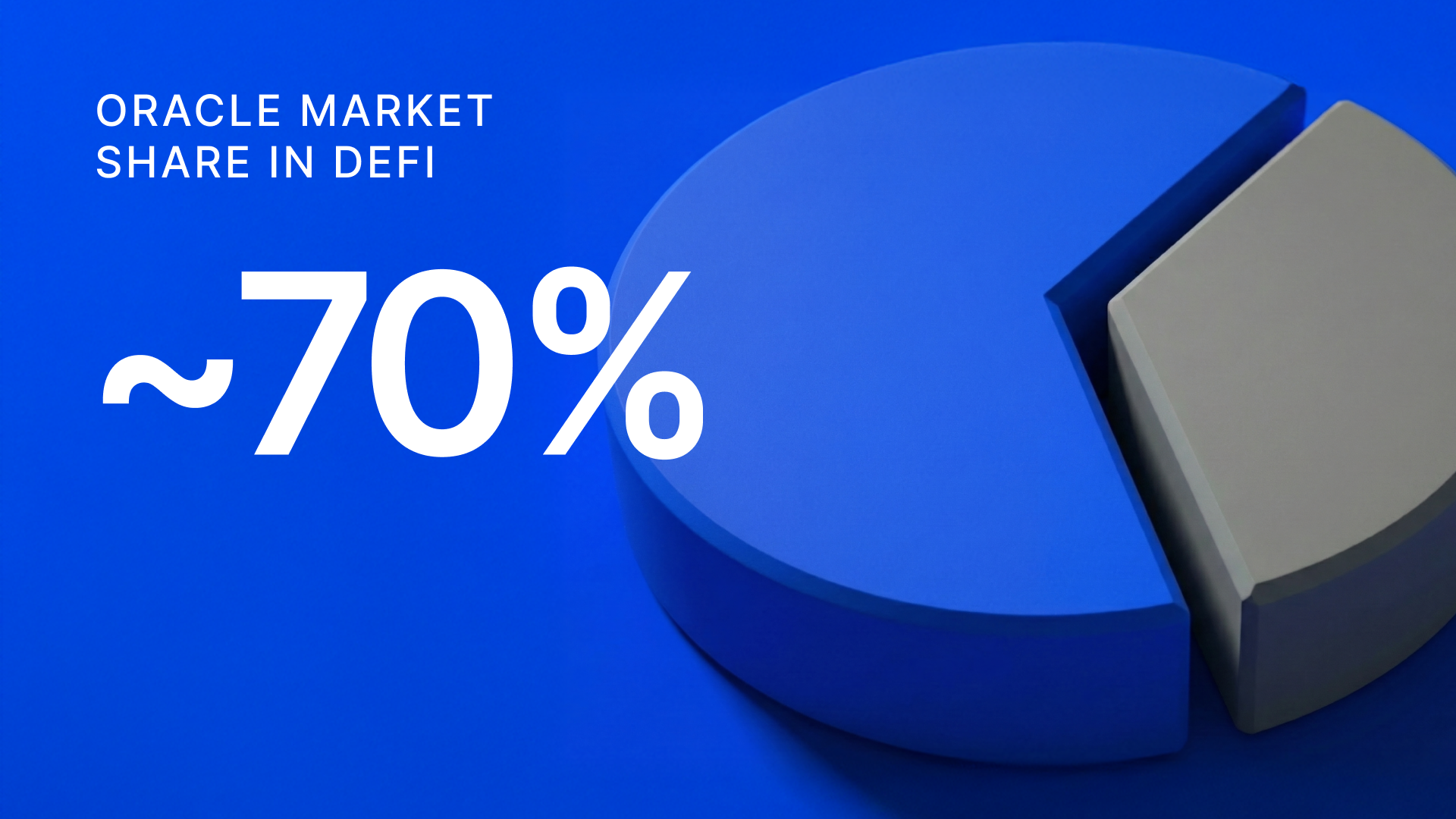
The market share of Chainlink as the dominant oracle provider surged past 80% across the DeFi ecosystem, a testament to its unparalleled security, reliability, and breadth of services. "The institutional embrace of tokenization wouldn’t be possible without a trusted data layer," commented Maria Rodriguez, CEO of a leading RWA tokenization platform. "Chainlink provides that crucial bridge, ensuring that the digital representation of assets accurately reflects their real-world value and status."

Pioneering Product Innovations and Platform Enhancements
Chainlink’s commitment to continuous innovation saw several major platform capabilities introduced in 2025, significantly expanding the possibilities for developers and institutions building onchain.
- Chainlink Functions V2: This upgrade enabled developers to connect their smart contracts to any web2 API or data source with even greater flexibility and efficiency, fostering a new wave of hybrid smart contracts that seamlessly integrate on-chain logic with off-chain computation. Use cases ranged from dynamic NFTs reacting to real-world events to sophisticated risk models in institutional DeFi.
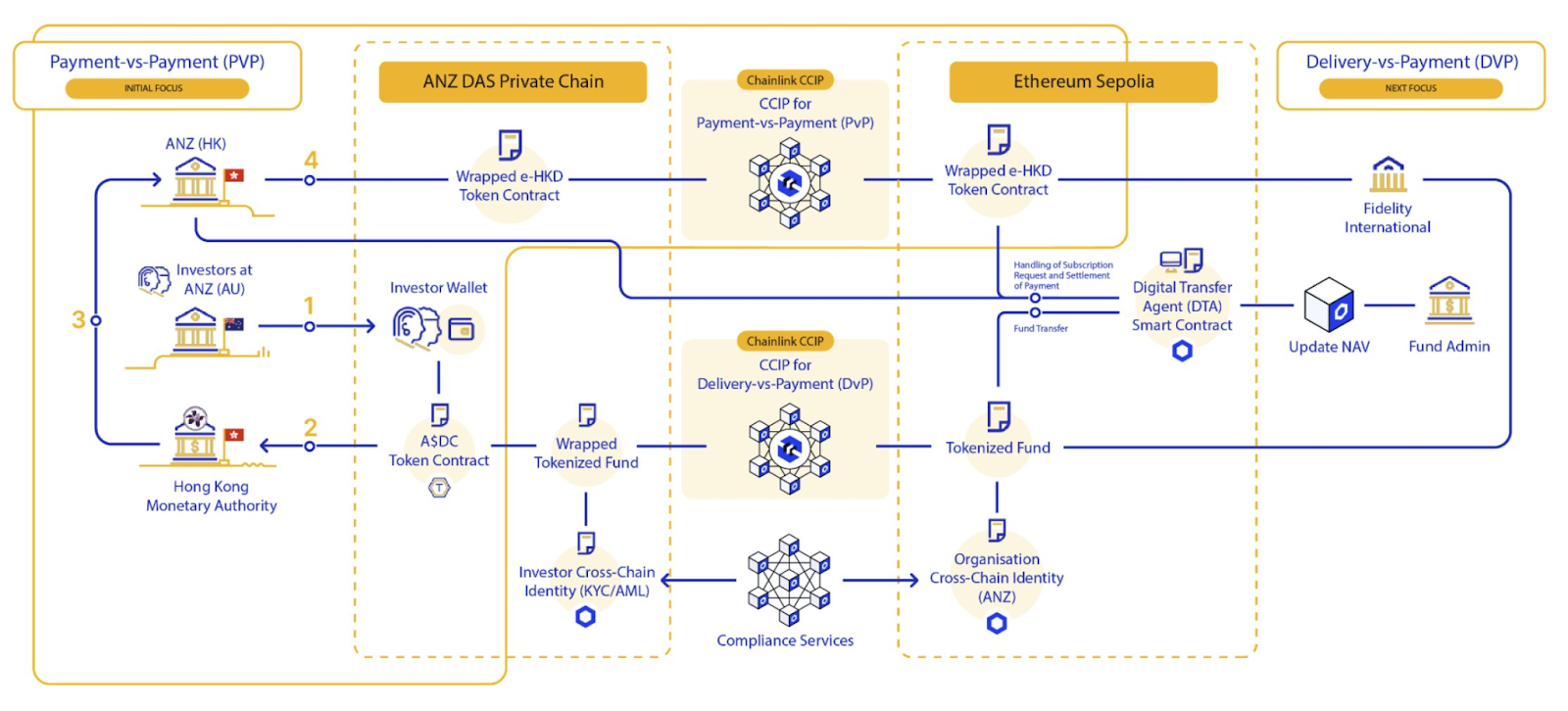
- Enhanced Cross-Chain Interoperability Protocol (CCIP): Further enhancements to CCIP focused on increasing throughput, reducing latency, and adding more robust security features for inter-blockchain communication. This included the introduction of a new "programmable token transfer" feature, allowing complex logic to be executed atomically across multiple chains.
- Decentralized Oracle Networks (DONs) 2.0: Significant improvements were made to the architecture of DONs, enabling the creation of highly customized and performant oracle networks tailored to specific enterprise needs, offering greater control over data sources, aggregation methods, and node selection for sensitive applications.
- Chainlink Data Streams for High-Frequency Data: A new product, Chainlink Data Streams, was launched, providing sub-second latency data feeds for applications requiring extremely rapid updates, such as high-frequency trading, sports betting, and dynamic pricing models.
- Proof of Reserve Automation: Chainlink’s Proof of Reserve capabilities were enhanced to include automated attestation and alerting mechanisms, allowing for real-time, programmatic responses to changes in off-chain reserves, further strengthening the security of tokenized assets and stablecoins.
Sergey Nazarov, co-founder of Chainlink, stated in a year-end address, "Our relentless focus on product innovation in 2025 was driven by the clear demand from institutions for production-ready, secure, and scalable solutions. We are building the foundational toolkit for a truly interconnected, onchain world."
Strengthening Network Economics and Sustainability
2025 brought major advancements in strengthening Chainlink network sustainability and enhancing user participation, aligning incentives across the ecosystem.
- Staking V2 Rollout: The highly anticipated Staking V2 was fully rolled out, introducing more dynamic reward mechanisms, increased flexibility for stakers, and expanded security features. This led to a significant increase in staked LINK tokens, further decentralizing and securing the network.
- Dynamic Fee Model: A new dynamic fee model was implemented, optimizing oracle service costs based on network congestion and demand, ensuring fair pricing for users while providing sustainable revenue for node operators.
- Ecosystem Grants and Development Fund: The Chainlink Ecosystem Grants program was substantially expanded, fostering innovation and development of new applications leveraging Chainlink services, particularly focusing on emerging markets and use cases in tokenization and cross-chain finance. This strategic investment fueled a vibrant developer community.
These economic advancements contributed to a more robust and resilient network, attracting both long-term token holders and high-quality node operators, critical for the network’s continued reliability and security.
Key Network and Ecosystem Metrics Underscore Explosive Growth
Chainlink’s 2025 metrics vividly illustrated record adoption and sustained growth across the global onchain finance ecosystem.
- Total Value Secured (TVS): Surpassed $1.2 trillion, representing a nearly 300% increase from the previous year, highlighting Chainlink’s crucial role in securing vast amounts of digital assets and financial operations.
- Number of Integrations: Over 2,500 new integrations were added, bringing the total number of projects and platforms utilizing Chainlink services to over 4,500 by year-end, demonstrating unparalleled network effect.
- Active Oracle Networks: The number of active decentralized oracle networks (DONs) grew by 150%, reaching over 500, catering to diverse data needs from DeFi price feeds to enterprise-specific data streams.
- Cross-Chain Transaction Volume (CCIP): CCIP facilitated over $200 billion in cross-chain value transfers, demonstrating its critical role in enabling seamless interoperability between various blockchain environments.
- Data Requests Processed: Chainlink processed billions of data requests throughout the year, underscoring its operational scale and reliability under intense demand.
- Node Operator Participation: The network saw a 40% increase in active, high-quality node operators, further enhancing decentralization and geographic distribution.
These metrics collectively paint a picture of a network not just growing, but fundamentally integrating itself into the core infrastructure of the global financial system.
Looking Ahead: The Path to a Fully Onchain Global Economy
2025 was unequivocally a defining year for Chainlink, witnessing governments, financial institutions, and market infrastructures adopting its platform as the standard for bringing capital markets onchain. The groundwork laid this year for secure, reliable, and interoperable onchain finance sets the stage for even more profound transformations. Looking into 2026, the acceleration of tokenization adoption at an unprecedented scale is widely anticipated. This will further cement Chainlink’s role as the core infrastructure powering the global shift to onchain finance, making it a cornerstone of the next generation of economic systems. The continued evolution of Chainlink’s oracle services and cross-chain capabilities will be paramount as the world moves closer to a fully interconnected and programmable financial future, where efficiency, transparency, and innovation are no longer aspirations but standard operating procedures. The journey towards a truly global, onchain economy is well underway, with Chainlink at its very heart.