Dwi Wanna
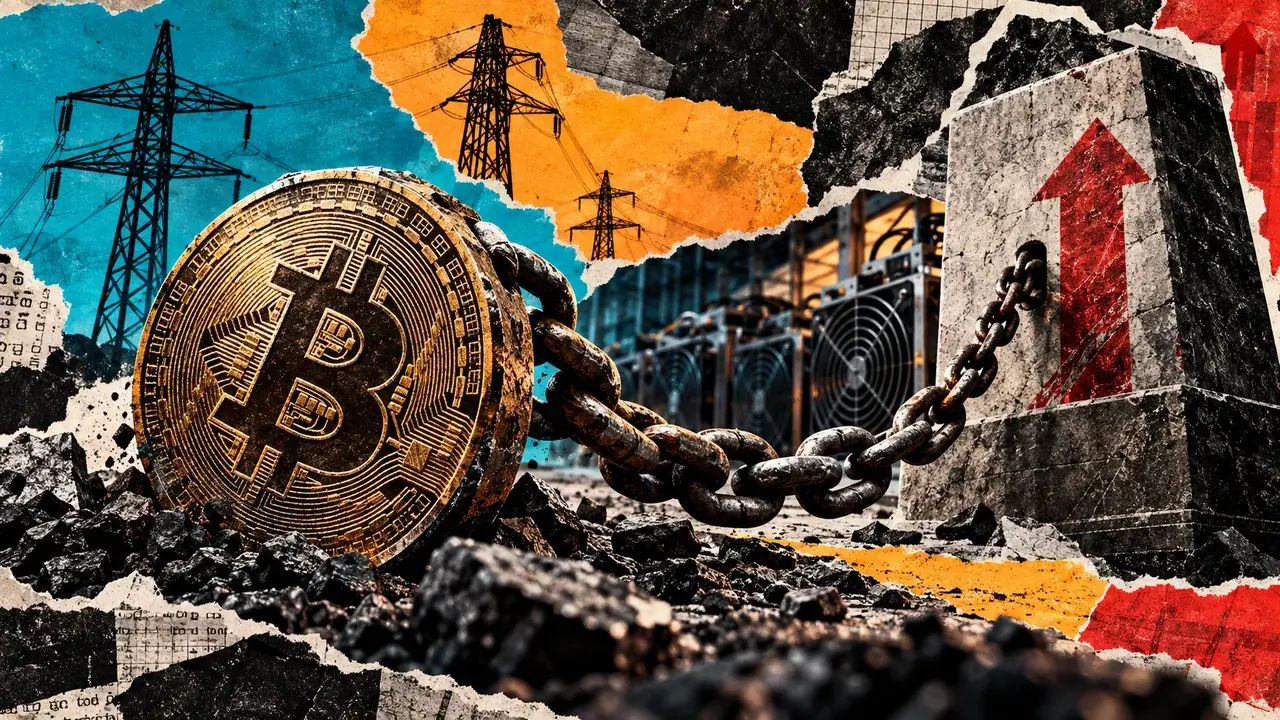
The Bitcoin network underwent a significant upward difficulty adjustment on Oct. 29, increasing by 5.54% as the network’s total computing power continues to stage a robust recovery. This latest adjustment, which brings the network difficulty to a record-breaking 148.36 trillion, follows a 5.92% increase recorded on Oct. 16. These consecutive rises represent a period of intensifying competition among global miners, even as the industry faces a dual challenge of shrinking profit margins and a strategic pivot toward artificial intelligence (AI) infrastructure.
Data provided by Nodewitness confirms that the adjustment moved the difficulty metric from 140.58 trillion to 148.36 trillion. This shift is a direct response to the surge in hashrate—the total computational power dedicated to mining and securing the network. As more miners deploy newer, more efficient hardware or bring existing capacity back online, blocks are found faster than the network’s ten-minute target. To maintain stability, the Bitcoin protocol automatically increases the complexity of the mathematical problems miners must solve. While this strengthens the security of the blockchain, it places a significant financial burden on operators who are seeing their daily revenues per unit of computing power slide toward yearly lows.
The Resurgence of Network Hashrate
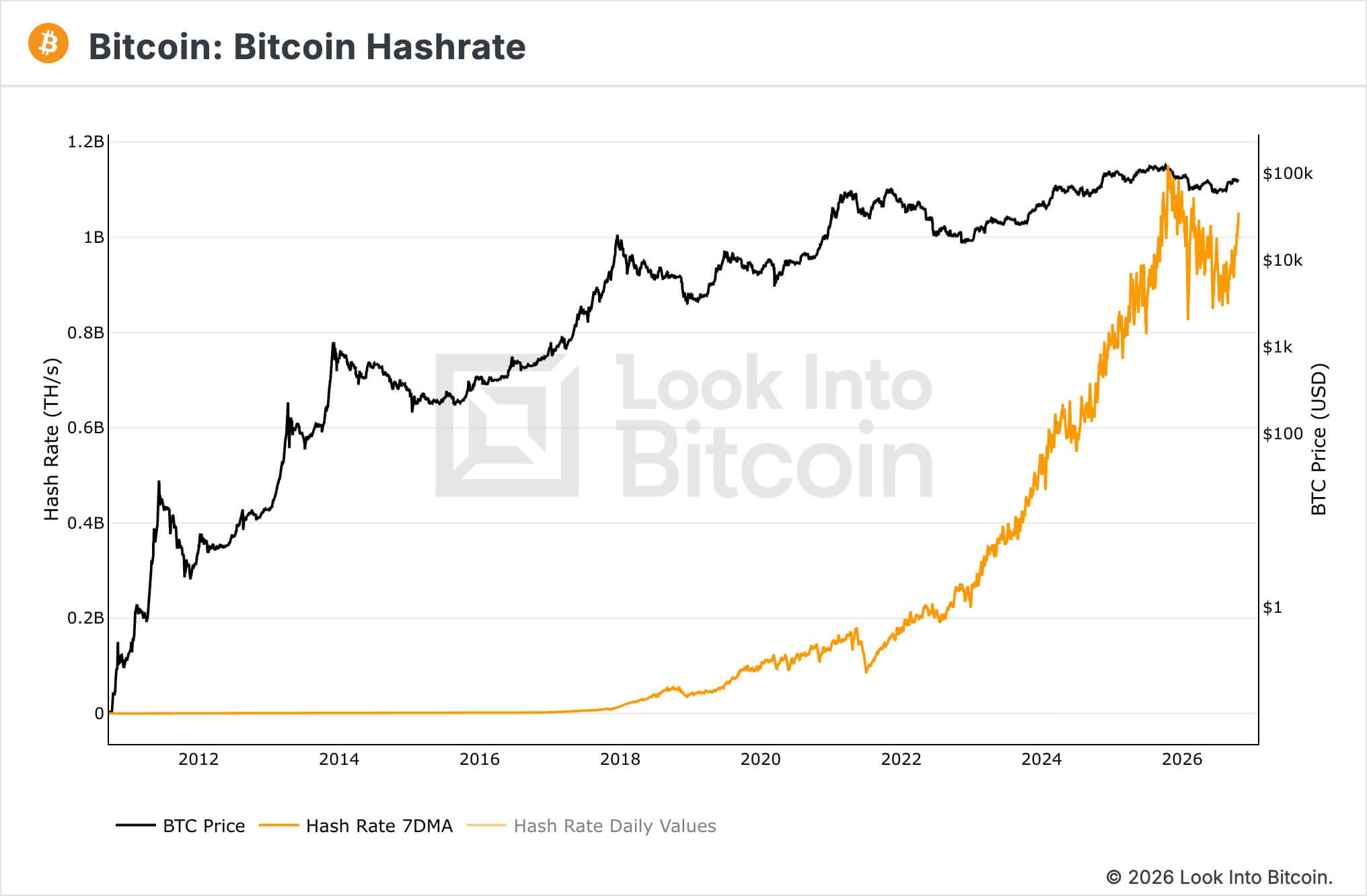
The recovery of Bitcoin’s hashrate has been nothing short of substantial, particularly when viewed against the backdrop of the volatility seen earlier this year. According to Jamie Coutts, the chief crypto analyst at Real Vision, the Bitcoin mining network has successfully navigated one of its most severe contractions in recent history. Coutts pointed out that between the peak in late 2024 and early 2025, the 14-day average hashrate experienced a 23% decline—the steepest drop observed since the historic 2021 mining ban in China.
Several factors contributed to that period of contraction. Severe winter weather in key mining hubs, such as Texas, led to temporary operational shutdowns as miners curtailed power to support local grids. Simultaneously, there were growing concerns within the investment community that mining firms were beginning to abandon Bitcoin production in favor of more lucrative opportunities in the high-performance computing (HPC) and AI sectors.
However, data indicates that the tide turned significantly starting in mid-July. Since July 17, the network’s hashrate has climbed by approximately 21% over a 102-day period. This recovery added an estimated 185 exahashes per second (EH/s) to the network, bringing the total computing power to within 6% of its previous all-time high. Coutts described this as the largest absolute increase in computing power during a recovery phase since 2018. While the percentage gain is not the highest in historical terms, the sheer volume of hardware being deployed signals a renewed commitment to the network by large-scale operators.
The Financial Squeeze: Revenue and Hashprice Dynamics
Despite the technological health of the network, the economic reality for miners is becoming increasingly precarious. The primary metric for mining profitability is "hashprice," which measures the expected daily revenue generated by one petahash per second (PH/s) of computing power. As difficulty rises, hashprice typically falls, assuming the price of Bitcoin remains stagnant.
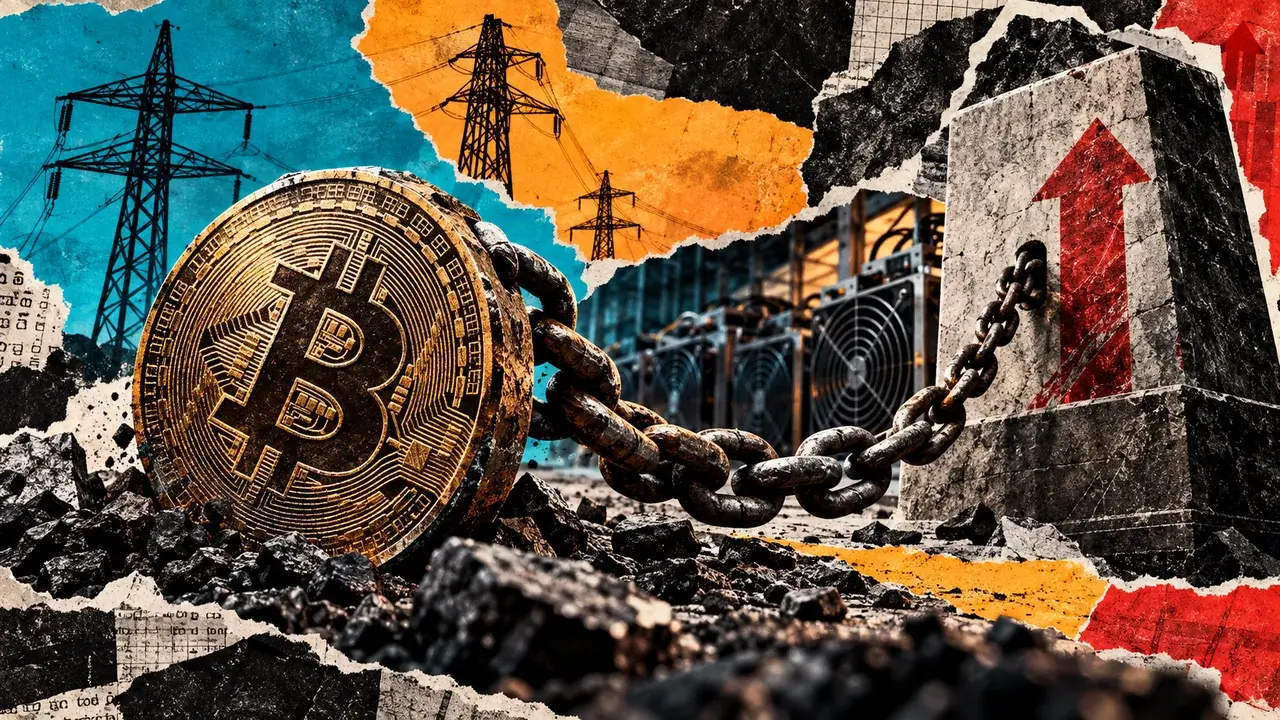
Following the most recent adjustment, Bitcoin’s hashprice has dropped to approximately $33 per PH/s per day, according to data from Startmining. This is a significant decline from the $40 average seen in September and represents the lowest revenue levels since August. The 5.54% difficulty increase effectively reduces the expected Bitcoin earnings for a fixed amount of computing power by roughly 5.24%. When combined with the mid-October adjustment, miners have seen a cumulative reduction in their BTC-denominated earnings of approximately 10.5% in just one month.
For many operators, this revenue level is hovering near the "break-even" point. The impact is felt most acutely by those utilizing older generation hardware or those paying higher-than-average electricity rates. In the current environment, the financial divide between efficient and inefficient operations is widening into a chasm.
The Economics of Efficiency and Energy Costs
To understand the current pressure on miners, one must look at the relationship between hardware efficiency—measured in joules per terahash (J/TH)—and electricity costs. At a hashprice of $33.35, an operator using a machine rated at 25 J/TH (common for older models like the Antminer S19 series) would generate roughly $32.68 in daily revenue per PH/s after accounting for a standard 2% mining pool fee.
However, if that operator pays an electricity tariff of 6 cents per kilowatt-hour (kWh), the daily power bill for that single PH/s would amount to $36.00. This results in a net daily loss of $3.32 per PH/s before considering other overhead costs such as maintenance, cooling, hosting, and debt servicing. For these miners to simply cover their electricity costs, they would need access to power priced at 5.45 cents per kWh or lower.
In contrast, miners who have upgraded to next-generation hardware rated at 20 J/TH or lower are still finding a path to profitability. Under the same conditions, a 20 J/TH machine would incur a daily electricity cost of $28.80, leaving a modest surplus of $3.88 per PH/s. While this margin is thin, it allows well-capitalized firms to continue expanding their footprint while their less efficient competitors are forced to shut down or liquidate assets.
The Strategic Pivot to AI and High-Performance Computing
The increasing difficulty and thinning margins of Bitcoin mining have accelerated a major structural shift in the industry. Several prominent, publicly traded mining companies have begun diversifying their business models to include AI infrastructure and HPC data centers. This "AI pivot" is driven by the desire for more predictable, contract-based revenue streams that are not subject to the volatility of the Bitcoin network’s difficulty adjustments or the four-year halving cycles.
Companies such as Core Scientific and others have repurposed portions of their massive power capacities to host GPU clusters for AI startups and enterprises. Unlike Bitcoin mining, where revenue is dependent on winning a global race for block rewards, AI hosting often involves long-term leases and service-level agreements (SLAs). These contracts provide a financial "escape hatch" that allows companies to maintain their stock valuations even when Bitcoin mining economics are unfavorable.
However, the recent 21% surge in hashrate suggests that while some public companies are diversifying, other players—potentially private entities or international firms in regions with stranded energy—are aggressively filling the void. This indicates that Bitcoin mining remains a highly competitive global arms race, where any capacity retired by one firm is quickly replaced by another seeking to capture a share of the daily block rewards.
Technical Mechanism: Why Difficulty Adjusts
The Bitcoin protocol is designed to be self-regulating. Every 2,016 blocks—a period that takes approximately two weeks under normal conditions—the network evaluates how quickly those blocks were mined. If the average block time is less than ten minutes, the difficulty increases. If the average time is longer, the difficulty decreases.
This mechanism ensures that the issuance of new Bitcoin remains predictable and that the network cannot be overwhelmed by a sudden influx of hardware. The current streak of upward adjustments is a testament to the rapid deployment of "ASIC" (Application-Specific Integrated Circuit) miners. As manufacturers like Bitmain and MicroBT release increasingly powerful machines, the total computational floor of the network rises.
From a security perspective, this is a positive development. A higher hashrate and higher difficulty mean that the cost of mounting a "51% attack" on the network increases significantly. To disrupt the blockchain, an adversary would now need to acquire and power an unprecedented amount of specialized hardware, making the network more resilient than ever before.
Broader Implications and Future Outlook
The current landscape of Bitcoin mining suggests a period of "survival of the fittest" consolidation. Large-scale operators with vertical integration—those who own their power substations and have direct contracts with energy producers—are best positioned to weather the current low-revenue environment. Meanwhile, smaller or less efficient "mom-and-pop" operations are increasingly being priced out of the market.
Analysts expect that the difficulty will continue to trend upward as long as the price of Bitcoin provides enough incentive for the most efficient miners to keep their machines running. If the price of BTC experiences a significant rally, it may provide temporary relief to the industry, allowing higher-cost miners to remain operational. Conversely, if the price remains stagnant while difficulty continues to climb, a "miner capitulation" event could occur, where older hardware is permanently disconnected, eventually leading to a downward difficulty adjustment.
For now, the Bitcoin network stands as a pillar of computational strength. The recovery of 185 EH/s in just over three months demonstrates the immense capital and industrial might behind the cryptocurrency. While the financial pressure on individual miners is undeniable, the network itself is arguably more secure and robust than at any point in its history. As the industry navigates the intersection of digital asset production and the burgeoning AI revolution, the coming months will determine which players possess the operational efficiency to survive this high-difficulty era.