admin
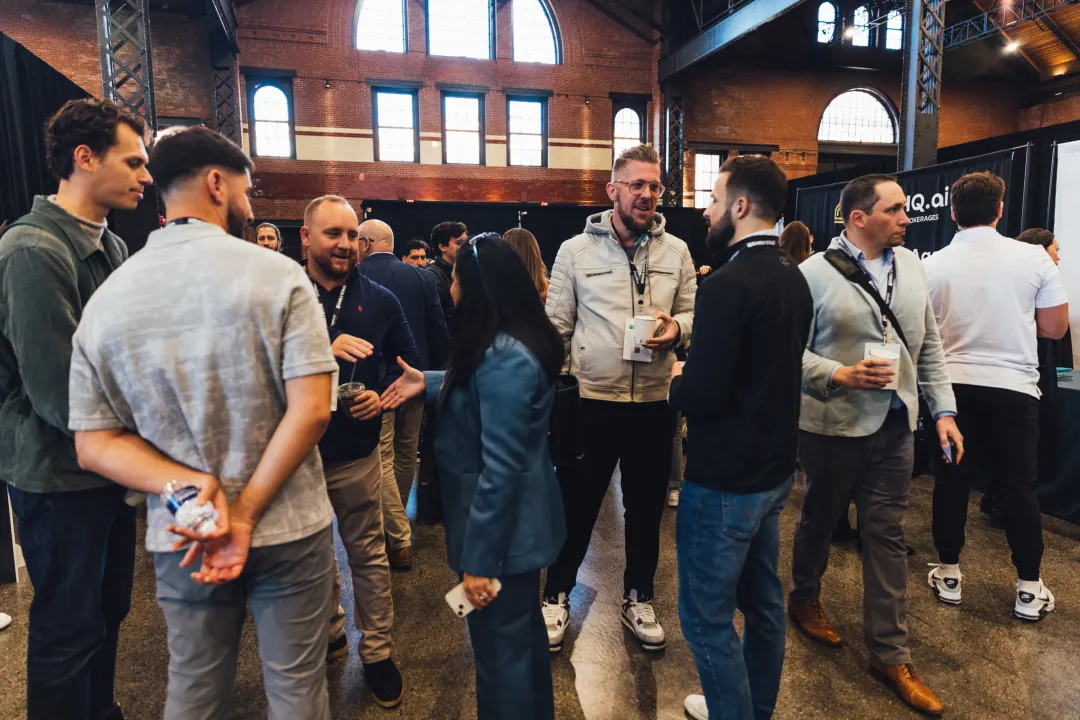
The TechCrunch Founder Summit 2026 is set to transform the SoWa Power Station in Boston into a central hub for the global startup ecosystem on November 4, 2026. This intensive, one-day event is strategically designed to facilitate high-level knowledge exchange between emerging entrepreneurs and established venture capitalists. Unlike traditional large-scale conferences that prioritize broad keynotes, the Founder Summit focuses on a granular, multifaceted approach to business building, offering a mix of live pitching, candid roundtables, and structured networking sessions. The event arrives at a critical juncture for the technology sector, as founders navigate a complex macroeconomic environment characterized by shifting valuation benchmarks and the rapid integration of artificial intelligence across all industry verticals.
The Strategic Evolution of Startup Growth
The 2026 summit serves as a response to the evolving needs of the startup community. In recent years, the "growth at all costs" mentality has been replaced by a rigorous focus on sustainable unit economics and efficient distribution. The Boston location is particularly symbolic; as a premier center for biotechnology, robotics, and enterprise software, the city provides a backdrop of academic rigor and industrial innovation. By hosting the event at the SoWa Power Station—a historic venue repurposed for modern industry—TechCrunch aims to bridge the gap between foundational business principles and the disruptive technologies of the future.
The summit is structured around two primary stages: the Build Stage and the Impact Stage. This dual-track system allows attendees to self-select the content most relevant to their current stage of development, whether they are in the early phases of product discovery or the late stages of scaling a market leader.
The Build Stage: Navigating the Early Foundations of Scale
The Build Stage is dedicated to the mechanics of early-stage entrepreneurship. In an era where technological moats are increasingly difficult to maintain due to the democratization of development tools, distribution has emerged as the primary differentiator for startups. Hunter Worland of NEA (New Enterprise Associates) is scheduled to open the stage with a deep dive into distribution as a competitive advantage. Worland’s analysis will likely touch upon the reality that even superior technology requires a sophisticated go-to-market strategy to displace incumbents.
Complementing this tactical approach, Kristen Craft of Fidelity Private Shares will provide an updated perspective on the 2026 fundraising landscape. Supporting data suggests that while seed-stage funding has remained resilient, Series A and B rounds have faced increased scrutiny from limited partners. Craft’s session is expected to equip founders with the data points necessary to align their internal milestones with the current expectations of institutional investors.

Furthermore, Dave Balter of True Ventures and Edisyl will address the psychological and narrative components of the startup journey. His session, titled "Does your pitch earn the next conversation?" moves beyond the standard slide deck to examine the fundamental goal of early-stage communication: building trust and momentum. For founders, the Build Stage represents a toolkit for immediate application, addressing the "how-to" of hiring, storytelling, and capital acquisition.
The Impact Stage: Scaling Beyond Initial Momentum
While the Build Stage focuses on creation, the Impact Stage is designed for founders who have achieved initial traction and must now manage the complexities of rapid growth. This track features some of the most successful figures in the Boston tech corridor, providing a roadmap for long-term viability.
Steve Fredette, the co-founder and president of Toast, represents a cornerstone of the Impact Stage. As a leader of one of Boston’s most significant recent success stories—a company that revolutionized the restaurant industry’s digital infrastructure—Fredette brings rare insight into the transition from a niche solution to a public-market leader. His presence underscores the summit’s commitment to providing "battle-tested" advice rather than theoretical frameworks.
The tension between growth and stability will be explored by Rudina Seseri, founder and managing partner of Glasswing Ventures. Seseri is expected to analyze the critical moments when a founder must decide whether to accelerate or decelerate to protect the core business. This is particularly relevant in the current climate, where over-scaling can lead to fatal burn rates. Supporting this theme, Kent Bennett of Bessemer Venture Partners will tackle the concept of product-market fit (PMF) before scale. Bennett’s thesis often emphasizes that scaling before achieving true PMF is the leading cause of startup failure, a data-backed reality that remains constant regardless of the economic cycle.
Finally, Chase Garbarino of HqO will offer a regional perspective through the "Boston Founder Playbook." This session will examine the advantages of building ambitious companies outside the traditional Silicon Valley ecosystem, highlighting the talent density and capital efficiency of the East Coast.
Practical Application through Specialized Roundtables
Recognizing that the most profound insights often occur in smaller groups, the TechCrunch Founder Summit 2026 features a series of highly focused roundtables. These sessions are designed to move the needle on specific, technical challenges that founders face daily.

One such session led by Chirag Shah of Define Ventures will explore the difficulties of entering "hard" verticals—industries like healthcare, fintech, or government tech that are heavily regulated and resistant to change. For founders in these sectors, the barrier to entry is not just technical but bureaucratic.
The integration of artificial intelligence remains a dominant theme for 2026. Shishir Tewari of Procore Technologies will lead a technical session on reducing AI hallucinations within an enterprise context. As companies move beyond the "hype" phase of AI, the focus has shifted to reliability and accuracy. Tewari’s session will provide practical strategies for founders to build trust with enterprise clients who are wary of the risks associated with large language models.
Other roundtables include:
- Merve Kitapci (ADIN.AI): Strategies for landing global enterprise customers before reaching Series A.
- Andy Tang (Draper Associates): How to market a product that defines a new category that does not yet have a name.
- Linden Tibbets (IFTTT): Analyzing how AI-driven productivity tools allow startups to maintain leaner teams while achieving higher output.
These roundtables emphasize participation over observation, allowing founders to bring their specific business cases to the table for peer and expert review.
Live Pitching: Real-Time Scrutiny and Feedback
A highlight of the summit is the "So You Think You Can Pitch?" segment. This live competition provides a transparent look at the investor-founder dynamic. Founders will present their businesses to a panel of distinguished judges, including Dave Balter, Chirag Shah, and Simran Suri of Maveron.
This format is invaluable for attendees because it deconstructs the pitching process in real time. Observers can see exactly where a narrative loses momentum or which financial metrics trigger immediate skepticism from seasoned VCs. In an era where capital is more expensive than it was in the previous decade, the ability to communicate value clearly and concisely is perhaps the most vital skill a founder can possess.

The Boston Tech Ecosystem: A Regional Powerhouse
The decision to hold the 2026 Founder Summit in Boston reflects the city’s status as a global leader in innovation. According to venture capital data from the previous fiscal year, the Boston-Cambridge area consistently ranks among the top three regions in the United States for total VC investment, particularly in deep tech and life sciences. The presence of institutions like MIT and Harvard ensures a steady pipeline of technical talent, while the established presence of firms like Fidelity and Bessemer provides the necessary financial architecture.
By convening at the SoWa Power Station, TechCrunch is tapping into a community that values longevity and substance. The summit serves not just as a learning event, but as a networking catalyst that strengthens the ties between the Boston tech corridor and the broader global market.
Networking and Intentional Peer Learning
To maximize the value of the physical gathering, the event utilizes the "Braindate" networking platform. This system allows attendees to schedule one-on-one or small-group conversations based on specific topics of interest. Whether a founder is looking for a co-founder, seeking advice on a specific API integration, or looking for a lead investor for a bridge round, Braindate facilitates intentionality in an environment that can otherwise feel overwhelming.
The day concludes with a reception presented by Fidelity Private Shares. Journalistic analysis of past events suggests that these informal settings are often where the most significant deals are initiated. The "hallway track"—the conversations that happen between sessions—is often cited by founders as the most valuable part of the TechCrunch experience.
Economic Context and the 2026 Fundraising Climate
As founders prepare for the summit, they do so against a backdrop of a stabilizing but cautious venture market. Data from early 2026 indicates that while total deal volume has normalized, the "bar" for Series A funding has risen significantly. Investors are prioritizing "capital-efficient growth" over "growth at any cost." This shift makes the lessons offered at the Founder Summit—particularly those regarding distribution and product-market fit—more critical than ever.
The summit also addresses the "Series A crunch" by providing founders with direct access to partners from NEA, True Ventures, and Bessemer. For many early-stage entrepreneurs, this is a rare opportunity to receive direct feedback from the individuals who hold the keys to the next stage of their company’s life cycle.

Logistical Details and Registration Incentives
The TechCrunch Founder Summit 2026 offers several tiers of access to accommodate different team sizes. Current registration options include a "buy one, get one free" promotion, intended to encourage co-founders to attend together. Given the breadth of the content—with sessions running simultaneously on the Build and Impact stages—bringing a partner allows a startup to cover more ground and synthesize more information.
Passes include access to all breakout sessions, the roundtable discussions, the Braindate platform, and the Expo Hall. Additionally, attendees will receive session materials and recordings after the event, ensuring that the insights gained can be shared with their wider teams. Group bundles are also available, providing up to a 30% discount for larger organizations.
The TechCrunch Founder Summit 2026 is more than a series of presentations; it is a concentrated dose of the reality of modern entrepreneurship. By focusing on practical lessons, live feedback, and intentional networking, the event prepares the next generation of founders to build companies that are not only innovative but resilient. As the tech industry continues to navigate the complexities of the late 2020s, gatherings like the Founder Summit remain essential for maintaining the momentum of the global innovation economy.