Dwi Wanna
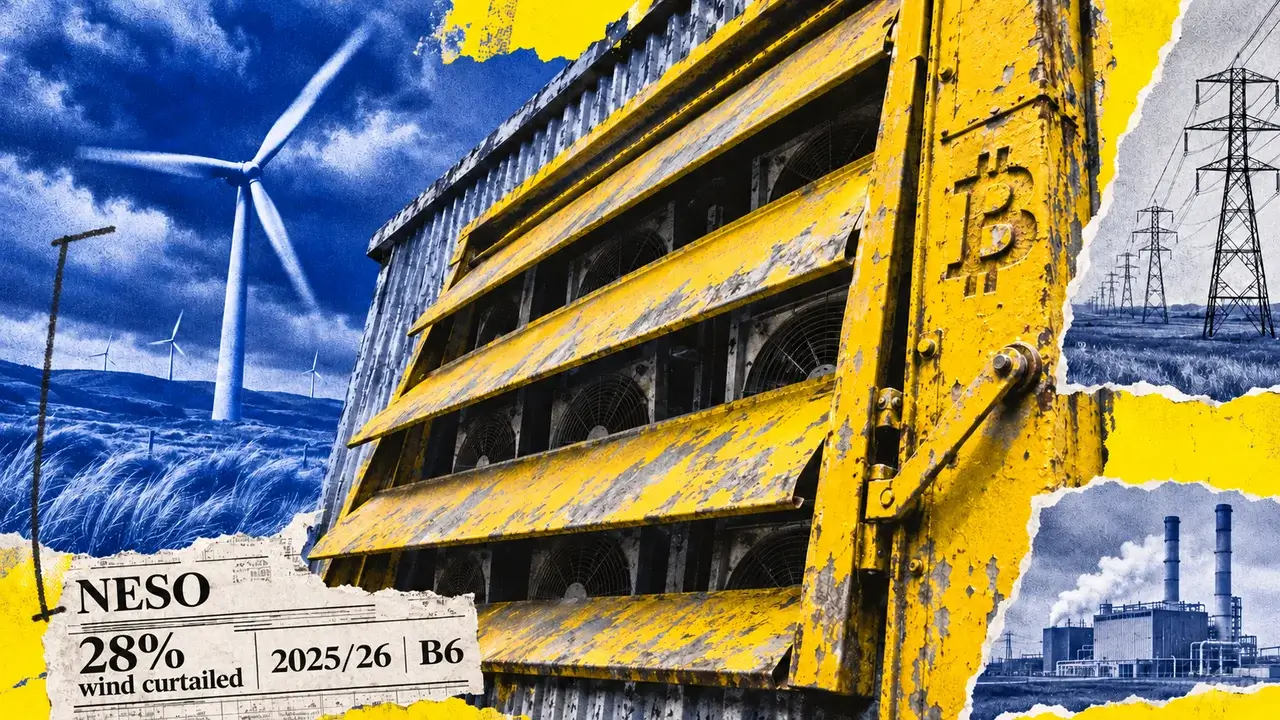
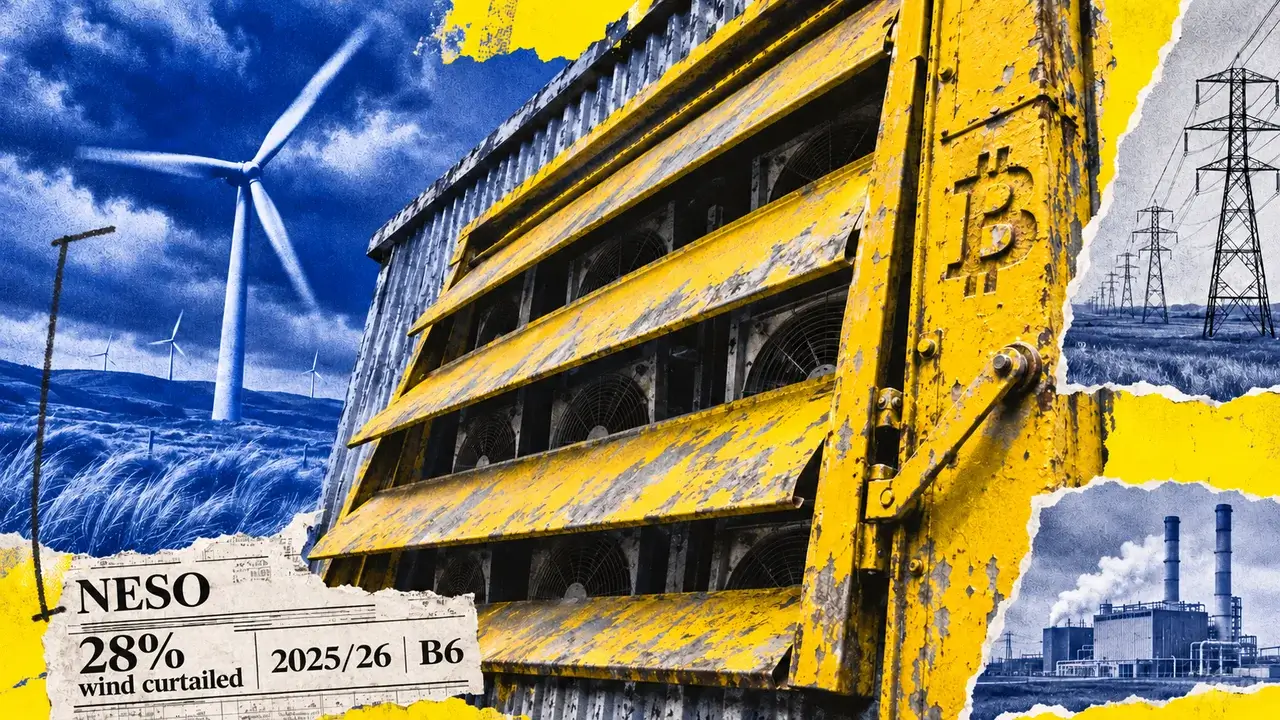
The forecast, published on November 12, 2026, highlights the escalating costs associated with thermal constraints—situations where the physical infrastructure of the transmission network is incapable of safely transporting the volume of electricity being generated. This issue is most acute at the "B6 boundary," a critical transmission bottleneck located between Scotland and Northern England. While Scotland has become a powerhouse for wind energy production, the existing "pylons and wires" are frequently overwhelmed, forcing the grid operator to pay Scottish wind farms to stop generating power while simultaneously paying gas-fired power stations in the south to ramp up production to meet demand.
Understanding the £4 Billion Grid Crisis
The projected £4 billion cost for 2027 represents a significant escalation in the price of balancing the British energy system. To understand the scale of this issue, one must look at the most recent "outturn" data provided by NESO. For the 2025/26 period, total balancing costs reached approximately £3 billion. Within that figure, roughly £2 billion was attributed specifically to thermal constraints.
The mechanics of these costs are twofold. First, NESO must compensate generators (primarily wind farms in the north) to reduce their output—a process known as curtailment. In 2025/26, payments to wind farms to "turn down" totaled nearly £500 million. However, the far larger portion of the expense—approximately 75%—was spent on "replacement energy." Because the wind power could not reach consumers in the south due to the B6 bottleneck, the grid operator was forced to procure electricity from alternative sources, predominantly carbon-intensive gas-peaking plants located closer to the demand centers.
The 2027 forecast is highly sensitive to fluctuations in wholesale gas prices and the availability of the network. NESO has noted that network outages, often required for maintenance or the installation of upgrades, can exacerbate these bottlenecks. Paradoxically, the very work intended to reinforce the grid and ease future constraints often leads to higher short-term costs by temporarily reducing transmission capacity. NESO estimates that without these necessary outages, constraint costs would be roughly 16% lower.
The Scottish Wind Surplus and the Case for Bitcoin Mining
The geographical disparity in the UK’s energy landscape is stark. According to NESO data, 28% of wind power generated in the northern region above the B6 transmission boundary was curtailed in the 2025/26 period. This stands in sharp contrast to the 13% curtailment rate observed across Great Britain as a whole. This "wasted" energy represents a significant lost opportunity for decarbonization and a direct financial burden on bill-payers.
Proponents of Bitcoin mining argue that the industry is uniquely positioned to address this imbalance. Bitcoin miners are "interruptible loads"—they can scale their energy consumption up or down almost instantaneously in response to grid signals. By co-locating mining operations with wind farms behind the B6 boundary, these "flexible mines" could theoretically consume electricity that would otherwise be curtailed.
However, the economic reality is more nuanced. While a local mine could reduce the costs paid to wind farms to turn down, it does not necessarily solve the underlying problem of southern demand. If the B6 boundary remains at its limit, adding demand in the north does not facilitate the delivery of more power to the south. Consequently, the grid operator would still need to pay for replacement gas generation in the south to keep the lights on. This limits the environmental and cost-saving claims often made by the mining industry: reducing wind curtailment does not automatically equate to a one-to-one reduction in gas emissions or consumer energy bills.
Technical and Economic Barriers to Entry
For Bitcoin mining to serve as a viable solution for the UK grid, it must overcome significant operational hurdles. Data from the Cambridge Centre for Alternative Finance (CCAF) suggests that miners are indeed capable of adjusting their consumption. In a 2023 survey of 49 firms representing 48% of the global hashrate, respondents reported curtailing 888 GWh of electrical load. However, the majority of this activity was concentrated in North America, where different regulatory frameworks and energy market structures exist.
In the UK, the business case for "intermittent mining" remains unproven. Electricity typically accounts for more than 80% of a miner’s cash-based operating expenses. To be profitable, miners generally require high "uptime" to amortize the significant capital expenditure (CAPEX) of their specialized hardware. If a miner only operates during periods of wind surplus to help manage constraints, their hardware may become obsolete before they can recoup their initial investment.
Furthermore, any mining operation seeking to participate in grid balancing would need to qualify for the Balancing Mechanism (BM), the primary tool used by NESO to direct electricity supply and demand in real time. This requires sophisticated telemetry, reliable connectivity, and the ability to respond to dispatch instructions within minutes.
Chronology of Regulatory Response and Future Outlook
The recognition of flexible demand as a tool for grid management has been a gradual process within the UK’s energy regulatory framework.
- March 2024: NESO (then National Grid ESO) published its "Demand for Constraints" (DfC) design proposal. This document specifically identified Scottish boundaries as the primary target for new flexible demand services. The proposal outlined a system where new connections and existing assets could be dispatched to increase demand during periods of oversupply.
- November 2025: Outturn reports confirmed that thermal constraint costs had surpassed the £2 billion mark, with wind curtailment in Scotland reaching record highs.
- November 2026: NESO released the latest forecast, predicting the £4 billion bottleneck cost for 2027, emphasizing the urgent need for mitigation strategies.
- 2028 (Proposed): The "Demand for Constraints" service is scheduled for full implementation. This service is intended to provide a formal route for flexible loads to be paid for helping to manage grid bottlenecks.
It is important to note that while the DfC service provides a potential pathway for Bitcoin miners, it is not a "Bitcoin-specific" policy. Any industrial load—including green hydrogen production, large-scale battery storage, or industrial heat pumps—could compete for these contracts. The eligibility and payment entitlements will be based on the overall benefit to the system cost, not the specific nature of the work being performed by the computers.
Broader Implications for the UK Energy Strategy
The debate over using Bitcoin mining to mitigate grid bottlenecks touches on broader themes of national energy security and the transition to net-zero. The UK government has set ambitious targets for decarbonizing the electricity grid by 2030, a goal that requires a massive influx of renewable generation. However, the "hard infrastructure" of the grid—the physical cables and transformers—is not being built fast enough to keep pace with these new wind and solar farms.
If the UK cannot find ways to utilize surplus renewable energy locally, the financial burden of constraint payments will continue to rise, potentially undermining public support for the energy transition. Critics of Bitcoin mining argue that the energy should be directed toward "productive" uses, such as heating or manufacturing. Conversely, supporters argue that Bitcoin mining provides a "buyer of last resort" that can be deployed much faster than traditional industrial facilities, providing immediate revenue to renewable energy developers and reducing the waste of clean energy.
Ultimately, the viability of Bitcoin mining as a grid-balancing tool in Britain will depend on the "overall system cost" test applied by NESO. A mining project must demonstrate that the expense it saves the grid (by reducing curtailment payments) is greater than the costs it adds (through its own connection and the continued need for replacement power elsewhere).
As the 2028 launch of the Demand for Constraints service approaches, the energy industry will be watching closely to see if digital asset miners can transition from speculative observers to integrated components of the British power system. For now, the £4 billion forecast serves as a stark reminder of the price of an inflexible grid and the urgent need for innovative demand-side solutions.