admin
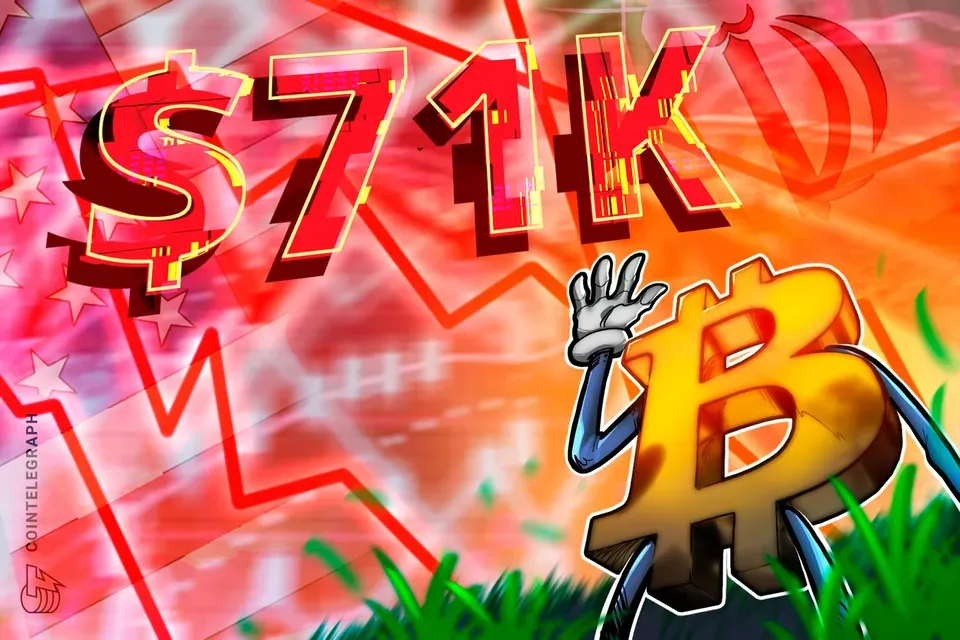
Bitcoin (BTC) experienced a significant downturn, setting new multi-month lows following Thursday’s Wall Street open as a wave of selling pressure, largely triggered by unforeseen leadership changes at tech titan Nvidia, swept across global markets. The cryptocurrency’s decline below the crucial $72,000 threshold marks a notable shift in market sentiment, underlining the increasing interconnectedness between traditional financial markets and the digital asset space.
Nvidia’s Unexpected Leadership Vacuum Triggers Market Jitters
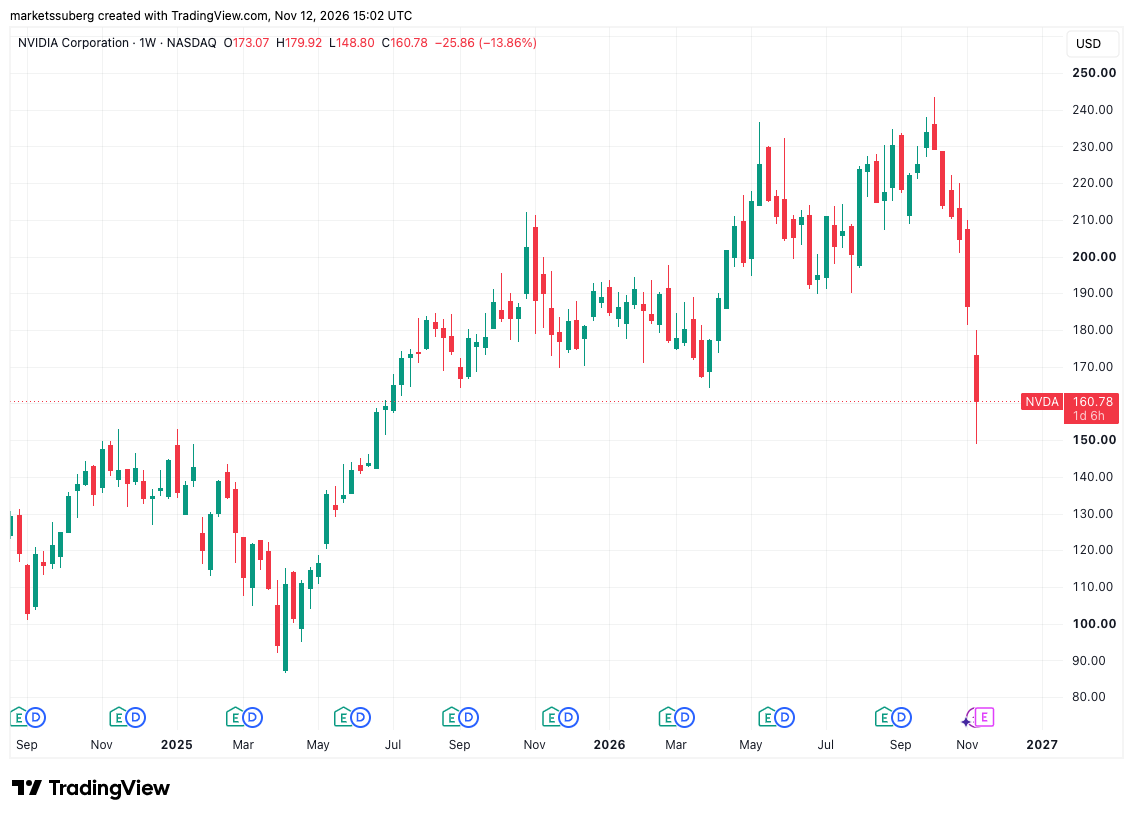
The immediate catalyst for Thursday’s market volatility was the abrupt and unexpected resignation of Jensen Huang, the highly influential co-founder, President, and Chief Executive Officer of Nvidia Corporation. Huang, a towering figure in the technology sector renowned for his pioneering work in graphics processing units (GPUs) and artificial intelligence (AI) innovation, stepped down from his role and the company’s board of directors without immediate explanation. This seismic event sent shockwaves through the tech industry and beyond, with Nvidia’s stock (NVDA) plummeting nearly 13% at the Wall Street open, wiping billions off its market capitalization.
Nvidia, a company valued in the multi-trillion-dollar range and a critical supplier of hardware for everything from gaming to data centers and advanced AI research, issued a press release confirming the leadership transition. "Colette Kress, current Executive Vice President and Chief Financial Officer of NVIDIA, has agreed to serve as Interim Chief Executive Officer. Kress will continue to serve as Executive Vice President and Chief Financial Officer while serving as Interim Chief Executive Officer until a permanent successor has been named," the company stated. The board further affirmed its commitment to a comprehensive search, considering both internal and external candidates for the permanent CEO position. The market reaction reflected not just the loss of a visionary leader but also uncertainty regarding the company’s future strategic direction at a pivotal moment in the AI revolution.
Chronology of Market Instability: From Tech Shock to Crypto Repercussions
The sequence of events unfolded rapidly, creating a domino effect across asset classes:
- Early Thursday: News of Jensen Huang’s immediate resignation from Nvidia breaks, catching analysts and investors off guard.
- Thursday’s Wall Street Open: Nvidia stock (NVDA) opens significantly lower, immediately shedding close to 13% of its value. This sharp decline signals widespread investor concern.
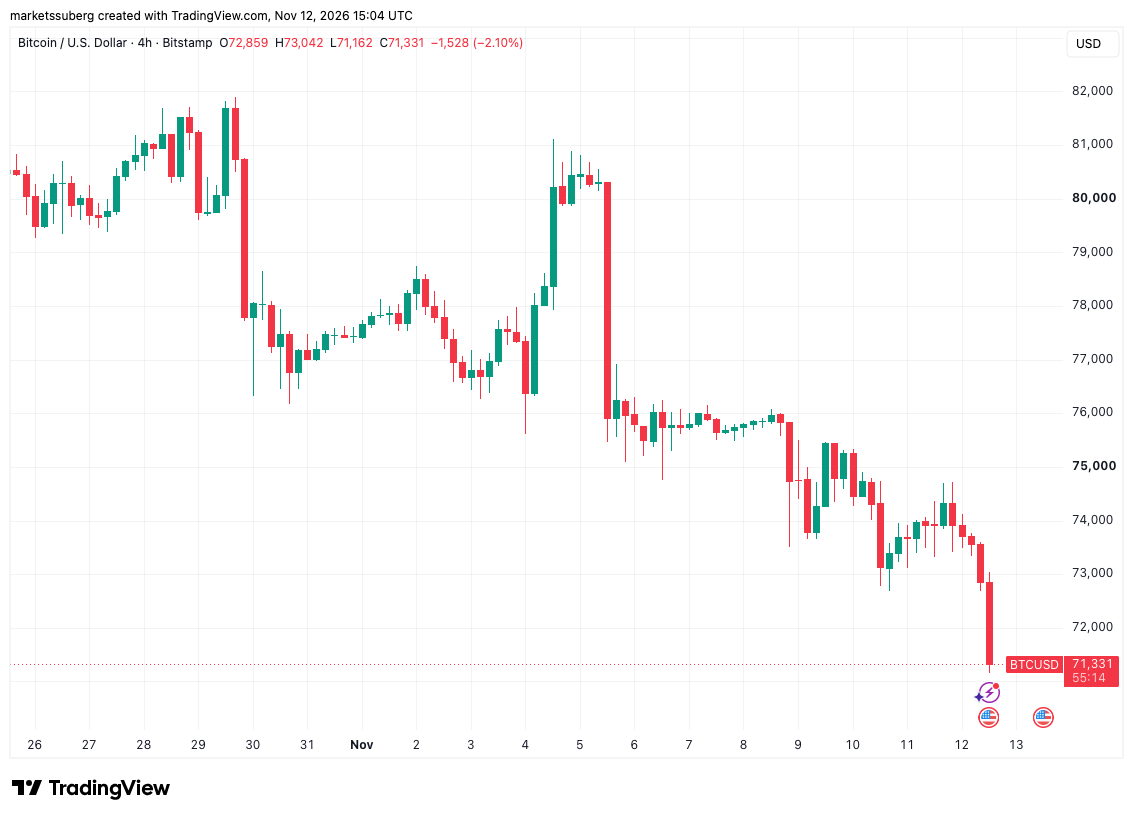
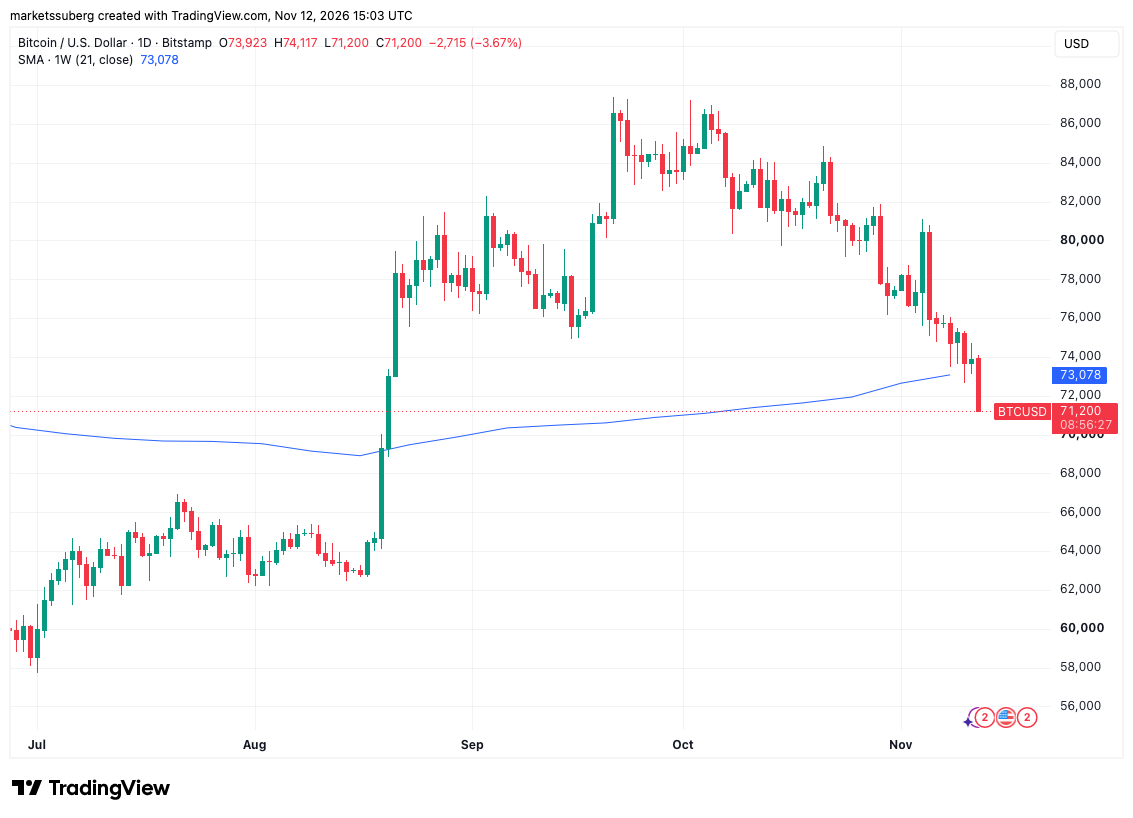
- Concurrent Bitcoin Drop: Almost in lockstep with the traditional market’s reaction, Bitcoin (BTC/USD) begins its descent. Data from TradingView illustrates BTC/USD dropping below $72,000, a level not seen since August 20th, indicating a direct correlation between the tech sector’s woes and crypto performance.
- Month-to-Date Losses: By the close of Thursday’s trading, Bitcoin’s month-to-date losses accumulated to a significant 7.4%, reflecting sustained selling pressure throughout the period.
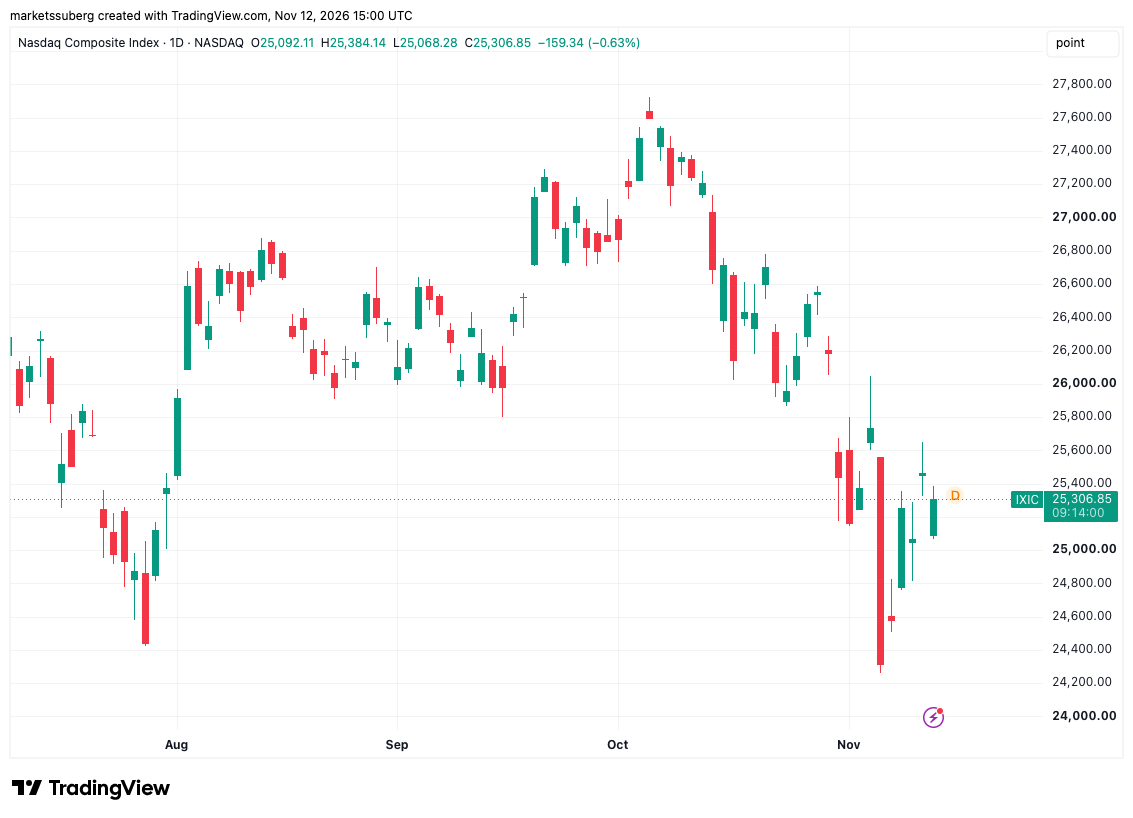
- Broader Market Contagion: While Nvidia bore the brunt of the selling, the ripple effect was felt across the tech-heavy Nasdaq Composite Index. Despite Nvidia’s substantial drop, the Nasdaq managed to avoid a catastrophic fall, trading only 0.6% lower at the time of writing, suggesting some resilience or a rotation into other sectors, or perhaps that the broader market had already priced in some degree of volatility.
- Previous Macro Data (Tuesday): The release of the Consumer Price Index (CPI) for October on Tuesday, which came in above market expectations, had already laid groundwork for increased market anxiety. This "hot" inflation data fueled expectations of further interest rate hikes by the Federal Reserve, a hawkish stance typically detrimental to risk assets like cryptocurrencies and growth stocks.
- Anticipation of PPI (Friday): Markets are now keenly awaiting Friday’s Producer Price Index (PPI) release, which is expected to provide further clues on inflationary pressures from the production side, potentially influencing the Federal Reserve’s future monetary policy decisions.
Supporting Data and Market Technicals
The immediate impact on Bitcoin was evident in its chart patterns. BTC/USD not only breached the psychological $72,000 mark but also fell back below its 21-week simple moving average (SMA), a key technical indicator often used by traders to gauge medium-term trends. On Wednesday, this SMA stood at $73,078, and its breach typically signals a bearish shift in momentum. The decline below this level suggests that Bitcoin might be entering a period of consolidation or further correction unless strong buying pressure emerges.
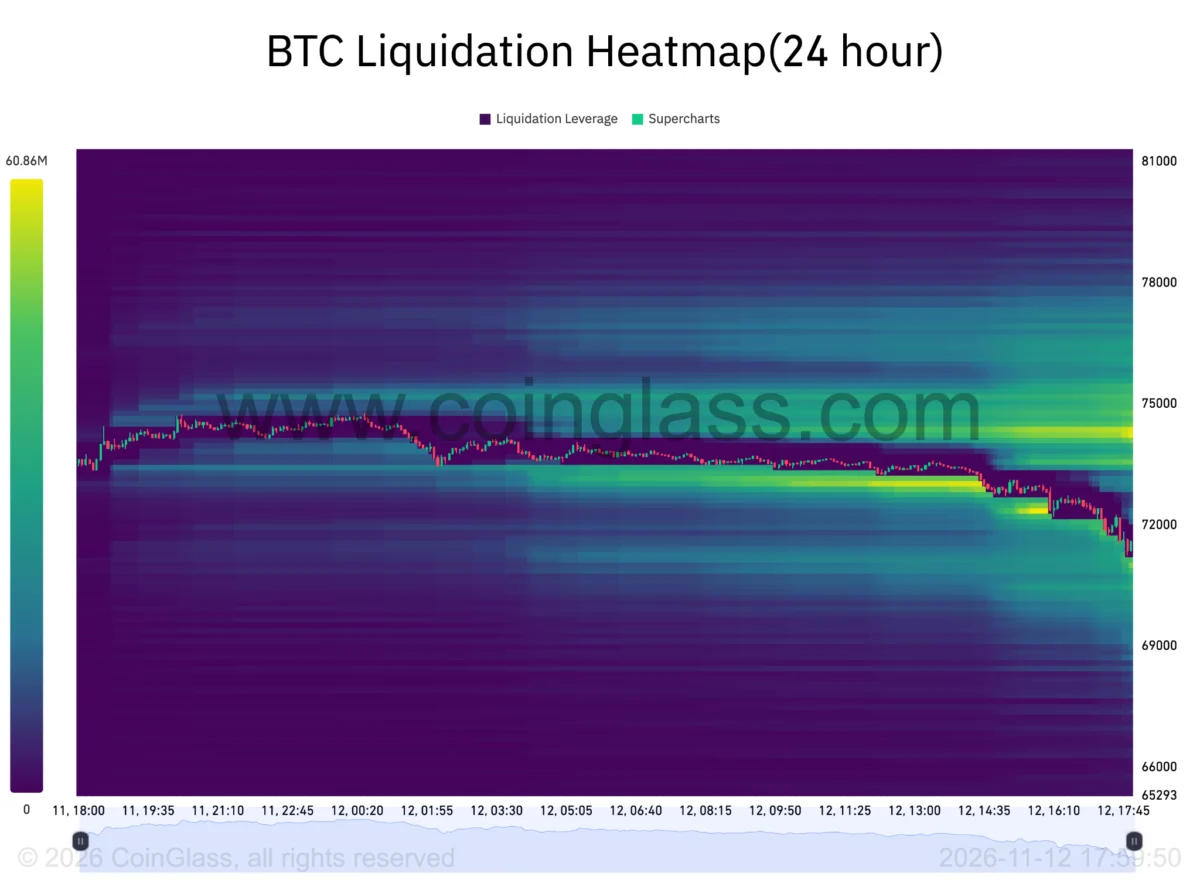
The broader cryptocurrency market also bore the brunt of the selling. According to data from CoinGlass, a crypto derivatives tracking platform, the 24-hour crypto liquidations hit a staggering $730 million. This figure highlights the cascade effect of margin calls and forced selling, particularly for leveraged positions, as prices moved sharply downwards. The liquidation heatmap revealed BTC/USD cutting through a patch of bid liquidity, indicating that substantial buy orders at specific price points were overwhelmed by selling volume, accelerating the price drop.
For Nvidia, the 13% drop translated into a significant reduction in market capitalization. While specific real-time figures were volatile, a company of Nvidia’s scale (which had seen its valuation soar in recent years) would have seen tens, if not hundreds, of billions of dollars wiped out, impacting not only institutional investors but also a wide range of retail portfolios. The stock’s one-week chart showed a dramatic downward spike, starkly contrasting its previous upward trajectory driven by AI enthusiasm.
Expert Reactions and Macroeconomic Context
Economist Mohamed El-Erian, a prominent voice in financial markets, described Huang’s resignation as a “significant development” with far-reaching implications beyond Nvidia itself. In an analysis, he emphasized, "The situation will remain in the spotlight, not only as the company navigates the loss of its highly-influential founder, but also as various political investigations (formal and informal) unfold." While the nature of these "political investigations" was not explicitly detailed, they could encompass antitrust concerns given Nvidia’s dominance in the GPU market, potential scrutiny of supply chain practices, or broader regulatory interest in the rapidly expanding AI sector. The departure of a CEO amidst such scrutiny could exacerbate existing challenges or invite new ones.
From the cryptocurrency perspective, analysts are closely monitoring macroeconomic data for potential shifts in sentiment. Keith Alan, co-founder of crypto trading platform Material Indicators, highlighted the upcoming US Producer Price Index (PPI) release as a crucial near-term macro volatility catalyst. He articulated the market’s hope, stating, "Fundamentally, a cool PPI report that lowers the odds of aggressive rate hikes in December/January could easily flip this script bullish." This sentiment underscores the prevailing narrative that lower inflation figures could prompt the Federal Reserve to ease its aggressive monetary tightening, which has been a headwind for risk assets. Conversely, a hotter-than-expected PPI could solidify expectations for further rate hikes, prolonging the period of market uncertainty and potentially pushing Bitcoin and other cryptocurrencies lower. Alan added that if the PPI comes in line with market expectations, the spot price could see more constrained movement, trading between existing patches of exchange order-book liquidity.
The market’s sensitivity to inflation data is rooted in the Federal Reserve’s mandate to control price stability. The October CPI print, which indicated persistent inflationary pressures, had already led markets to "price in more interest-rate hikes" by the Federal Reserve. Higher interest rates typically make safer, yield-bearing assets more attractive compared to riskier investments like cryptocurrencies, leading to capital outflows from the digital asset space.
Broader Impact and Future Implications
The resignation of Jensen Huang and the subsequent market reaction carry multifaceted implications for various sectors:
- For Nvidia and the Tech Sector: The immediate challenge for Nvidia lies in maintaining investor confidence and strategic direction without its visionary founder. While Colette Kress is an experienced CFO, the interim period introduces uncertainty. The ongoing CEO search will be a critical determinant of the company’s long-term trajectory. For the broader tech sector, this event could prompt a re-evaluation of valuations, particularly for companies heavily reliant on individual leadership or perceived as having inflated growth prospects. It also highlights the fragility of market sentiment, even for established giants.
- For Bitcoin and the Cryptocurrency Market: The clear correlation between Bitcoin’s price action and traditional market events, especially those impacting major tech stocks, reinforces the narrative of crypto’s increasing integration into the broader financial system. While some proponents view Bitcoin as a hedge against traditional market instability, recent trends suggest it often acts as a risk-on asset, moving in tandem with equities during periods of fear. This event underscores the need for crypto investors to pay close attention to macro indicators and traditional market dynamics. The significant liquidation figures also serve as a stark reminder of the risks associated with highly leveraged positions in a volatile market.
- For Macroeconomic Policy and Investor Sentiment: The interplay between inflation data (CPI, PPI), central bank policy (Federal Reserve interest rates), and market reactions is set to dominate investor sentiment in the coming months. A continued hawkish stance by the Fed, driven by persistent inflation, could extend the current "risk-off" environment, impacting not only cryptocurrencies but also growth stocks and potentially leading to a broader economic slowdown. Conversely, any signs of cooling inflation could provide much-needed relief and potentially fuel a recovery in risk assets.
- Shifting Narratives: The incident also invites a re-examination of leadership stability in the tech industry, particularly for companies that have experienced meteoric growth under charismatic founders. Investors may begin to scrutinize succession plans more closely, looking for robust governance structures that can withstand such transitions without significant market disruption.
In conclusion, Bitcoin’s recent plunge to multi-month lows is not an isolated event but a complex interplay of factors, from an unexpected corporate leadership change at a tech giant like Nvidia to ongoing macroeconomic uncertainties driven by inflation and central bank policies. As markets navigate this period of heightened volatility, all eyes will remain on forthcoming economic data and any further developments in the leadership saga of one of the world’s most influential technology companies. The resilience and future direction of both traditional and digital asset markets will largely depend on how these intertwined narratives unfold in the coming weeks and months.