admin
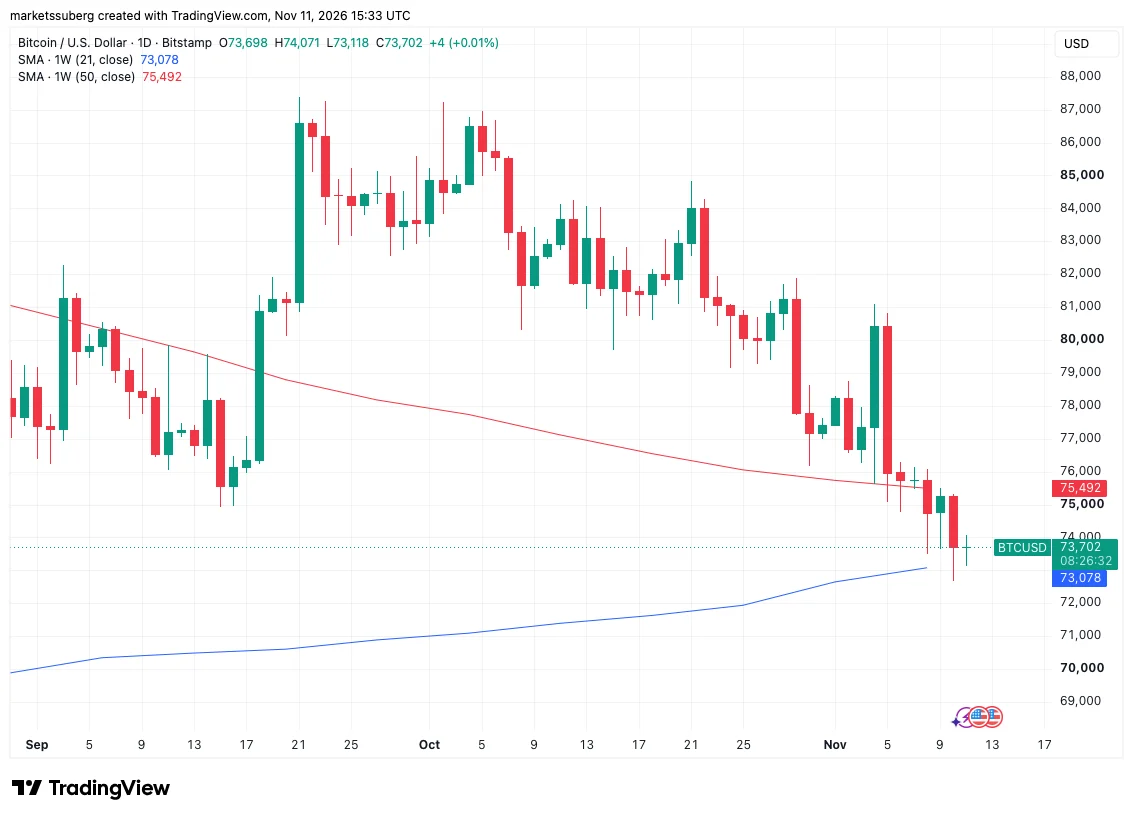
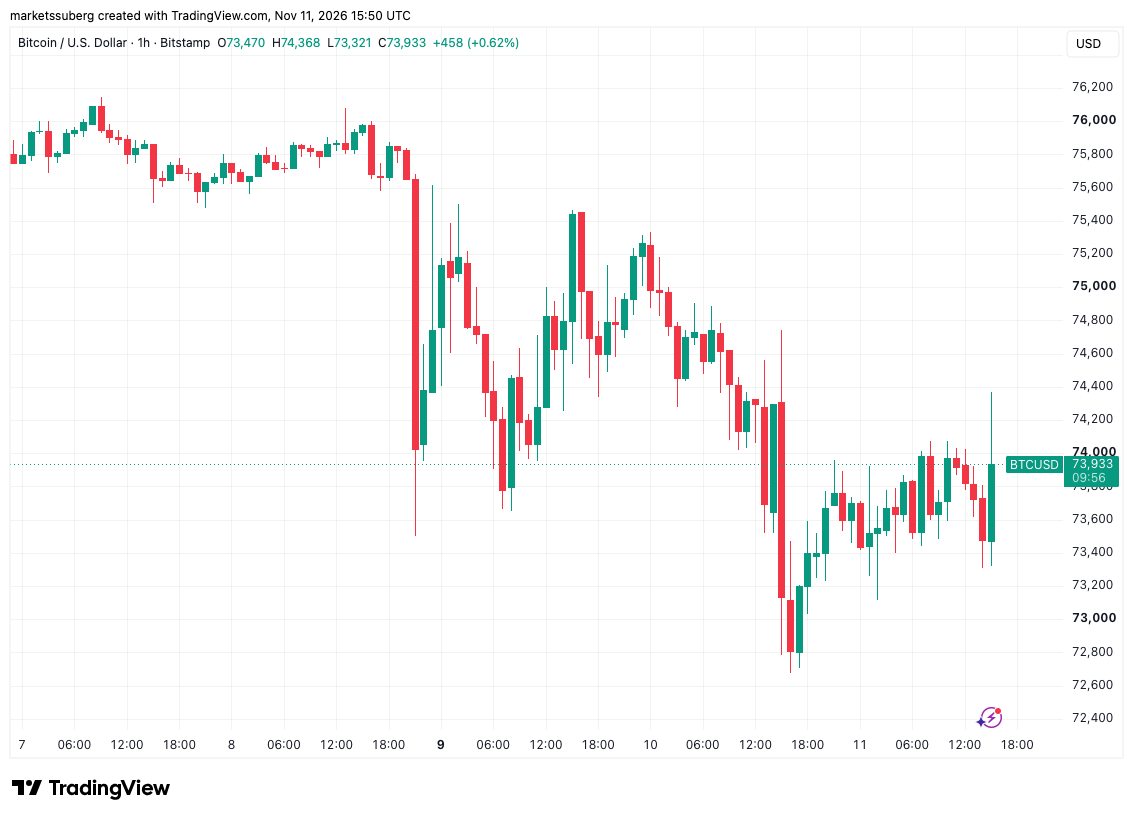
Bitcoin (BTC) found itself circling the $74,000 mark during Wednesday’s Wall Street open, a period characterized by a notable rally in stock markets and a pronounced surge in US bond yields. This dynamic market environment, influenced by both micro-sectoral performance and broader macroeconomic indicators, presented a complex picture for investors across digital assets and traditional equities. The resilience of tech stocks, particularly within the burgeoning artificial intelligence sector, offered a counterpoint to the underlying anxieties stemming from persistent inflation data and escalating geopolitical tensions in critical energy supply regions.
A Week of Divergence: Tech Rallies Amidst Macro Headwinds
The early hours of Wednesday’s trading session saw a fascinating divergence in market behavior. Data compiled from TradingView indicated that BTC/USD movements were decoupling from the general trajectory of US equities. While Bitcoin exhibited a more measured consolidation, investors in traditional markets were actively "buying the dip" in tech stocks, signaling a renewed appetite for growth-oriented assets despite a challenging macroeconomic backdrop.
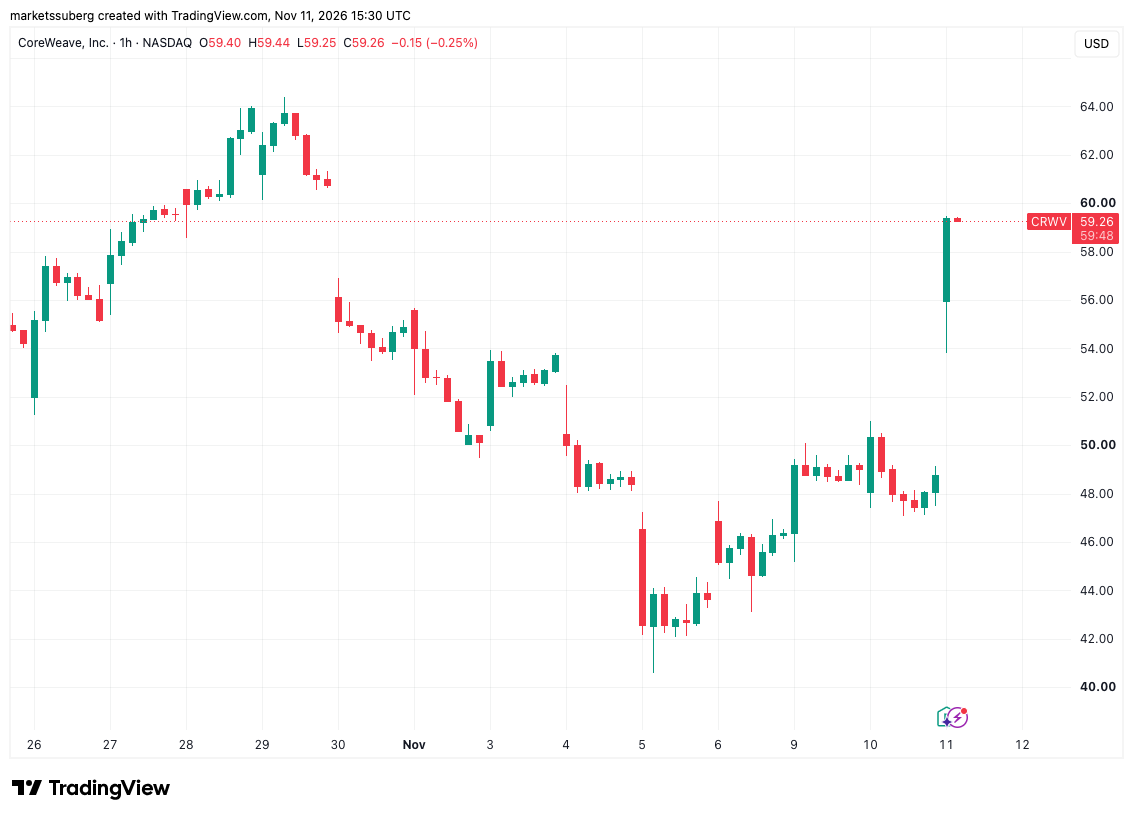
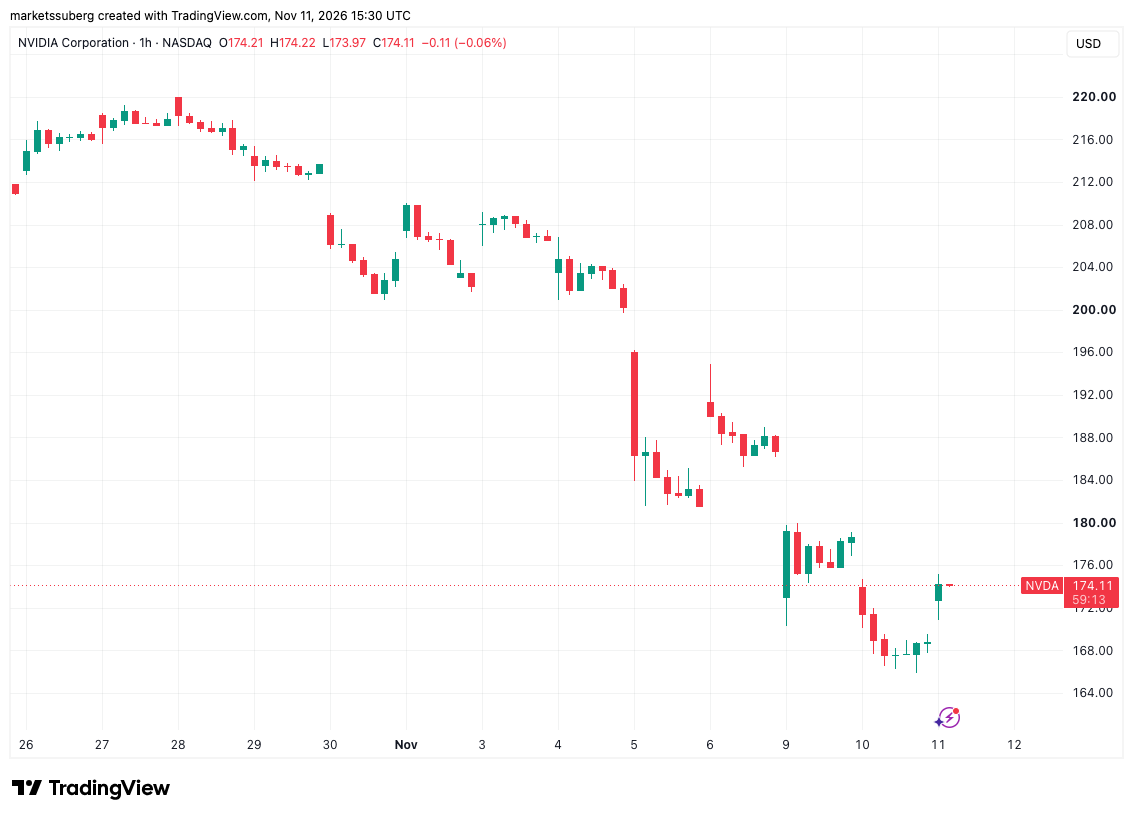
The artificial intelligence (AI) sector emerged as a significant driver of the day’s early gains. CoreWeave, a prominent cloud-computing company specializing in high-performance computing for AI workloads, experienced a remarkable surge of over 20%. This impressive jump followed the company’s announcement of better-than-expected third-quarter revenue results and an upward revision of its 2026 guidance, underscoring robust demand for AI infrastructure. The positive sentiment extended to other key players, with Nvidia, a semiconductor giant crucial to the AI revolution, opening approximately 2.5% higher. This recovery for Nvidia was particularly noteworthy, as the company had experienced declines on Monday and Tuesday amidst an unspecified controversy surrounding its CEO, Jensen Huang, suggesting that underlying demand for its products outweighed transient corporate concerns.
However, this enthusiasm in equities unfolded against a backdrop of escalating bond yields. Following Tuesday’s release of higher-than-expected Consumer Price Index (CPI) inflation data, US bond markets reacted sharply. The benchmark 10-year Treasury yield surged back to 5% on Wednesday, a level not observed since October 29. Similarly, the 30-year yield reached as high as 5.378%, a peak last seen on October 22. These movements in fixed-income markets typically signal increased investor concern over inflation and expectations of more aggressive monetary policy tightening from the Federal Reserve.
The Shadow of Inflation and the Federal Reserve’s Stance
The Consumer Price Index (CPI) is a critical economic indicator that measures the average change over time in the prices paid by urban consumers for a market basket of consumer goods and services. A higher-than-expected CPI report, as observed on Tuesday, implies that inflationary pressures are proving more persistent than anticipated by economists and policymakers. This persistence complicates the Federal Reserve’s dual mandate of achieving maximum employment and stable prices.
When inflation remains elevated, the Fed typically considers implementing more "hawkish" monetary policies, primarily through raising the federal funds rate. Higher interest rates are intended to cool down the economy by making borrowing more expensive, thereby dampening consumer demand and investment, which in turn should help to bring inflation back to the central bank’s target. The bond market’s reaction on Wednesday clearly reflected these expectations. Peter Boockvar, Chief Investment Officer at One Point BFG Wealth Partners, articulated this sentiment, noting that bond yields were "reacting to a Fed that is definitely going to hike next month, as of now, with one another in January." Market probabilities, based on futures contracts, had already priced in a 0.25% rate hike in December, with the odds of a more substantial 0.5% move increasing in the wake of the latest inflation data.
This hawkish outlook from the Fed has far-reaching implications. Higher interest rates can increase the cost of capital for businesses, potentially slowing economic growth. For consumers, it translates to higher costs for mortgages, car loans, and credit card debt. In the investment landscape, rising bond yields can make fixed-income assets more attractive relative to equities, as they offer a higher guaranteed return. This often creates headwinds for stock markets, particularly for growth stocks whose valuations are more sensitive to future earnings expectations discounted at higher rates. The tech sector’s rally on Wednesday, despite these macro pressures, suggests a strong underlying belief in the long-term growth prospects of these companies, especially those at the forefront of transformative technologies like AI.
Geopolitical Tensions Fueling Oil Price Volatility
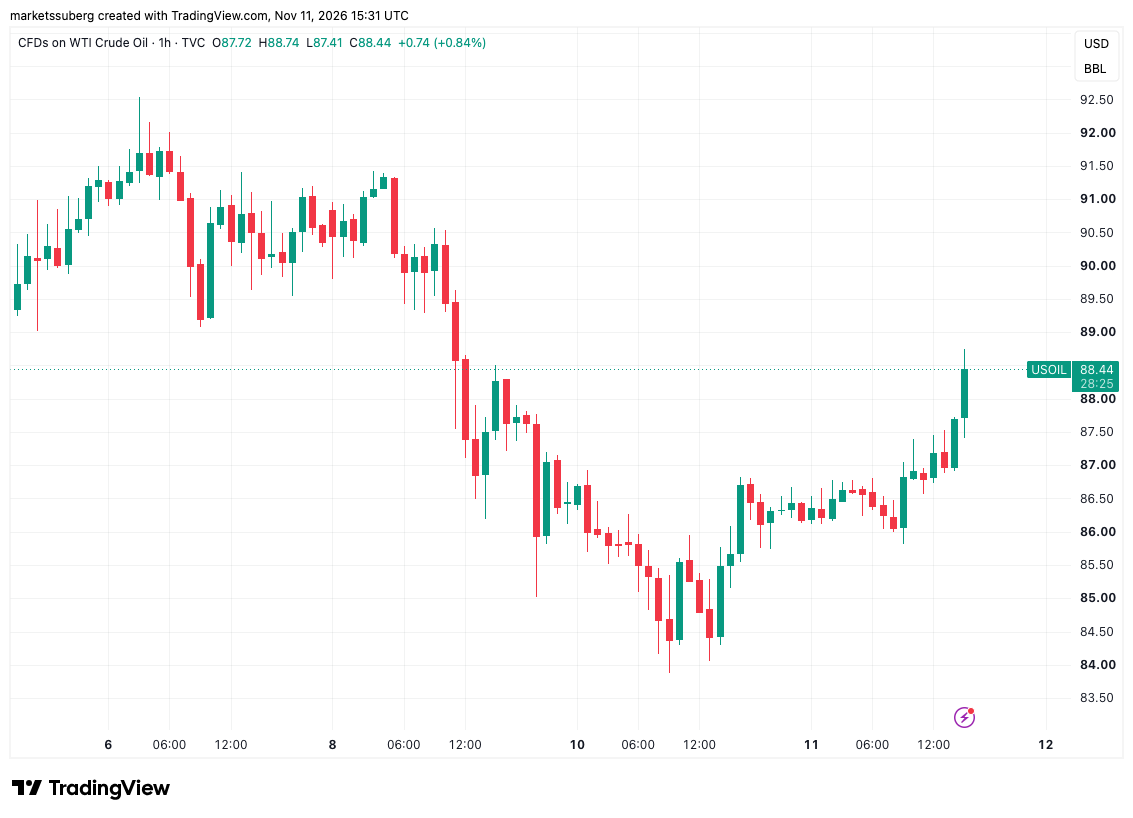
Adding another layer of complexity to the global market dynamics was the renewed volatility in oil prices. Crude oil benchmarks gained on Wednesday, reversing some of the previous day’s losses, as optimism surrounding a diplomatic resolution to the US-Iran conflict began to fade. The Strait of Hormuz, a narrow waterway between the Persian Gulf and the Gulf of Oman, remains a critical choke point for global oil shipments, with an estimated one-fifth of the world’s total oil supply passing through it daily. Ongoing attacks on ships traversing this strategic strait have heightened supply concerns and underscored the fragility of energy security.
Even in the hypothetical scenario of a diplomatic breakthrough, analysts pointed to significant practical hurdles that would impede a rapid restoration of pre-conflict traffic levels and confidence. LSEG Oil Research, in a note released on Tuesday, highlighted these challenges: "Even in the event a deal is struck, an increase in flows through the waterway would still depend on mine clearance, insurance costs and whether or not shipowners would even be willing to take the risk." This assessment underscores the long-term impact of geopolitical instability on global trade routes and commodity markets. The direct consequence was seen in price movements: US WTI crude oil was up 1.4% on the day, trading at $87.70 per barrel, recovering from its dip to $84 on Tuesday, which marked its lowest point since late August. Brent crude, the international benchmark, also gained 1.5%, reaching $93.40. Sustained high oil prices can exert additional inflationary pressure on economies worldwide, increasing transportation costs and the price of goods, thereby complicating the task of central banks already grappling with domestic inflation.
Bitcoin’s Technical Landscape and Investor Sentiment
Amidst these turbulent macroeconomic and geopolitical currents, Bitcoin continued to exhibit a relatively contained trading pattern. The leading cryptocurrency remained within a narrow range, oscillating between two key technical indicators: its 21-week Simple Moving Average (SMA) at $73,078 and its 50-week SMA at $75,492. These moving averages are widely used by technical analysts to identify trends and potential support/resistance levels. The compression between these two significant trend lines suggested that volatility had temporarily cooled, with traders seemingly awaiting a fresh catalyst to dictate the next major price move, particularly after the immediate reaction to the CPI report had subsided.
However, beneath this apparent calm, underlying shifts in investor behavior were discernible. Bitcoin’s inability to reclaim the $75,700 level was a point of concern for some market observers. This price point represents the aggregate cost basis of the short-term holder (STH) cohort – a group of entities that have held a given amount of BTC for up to 155 days. When the price falls below the STH aggregate cost basis, it implies that this group of investors is, on average, holding their Bitcoin at an unrealized loss. This situation can erode confidence and potentially trigger selling pressure as these holders may be more susceptible to capitulation.
Indeed, on Tuesday, a significant movement was observed, with STH wallets sending over 47,000 BTC to exchanges while holding an unrealized loss. The transfer of such a large volume of coins to exchanges can be a precursor to selling, as exchanges are the primary venues for liquidating digital assets. While not definitively indicative of panic selling, this action signals an increased potential for such an event if market conditions do not improve or if the price continues to languish below critical profitability thresholds for these short-term investors. It highlights a cautious sentiment among a segment of the Bitcoin holder base, contrasting with the more bullish "buying the dip" behavior seen in some traditional equity sectors.
Broader Implications for the Global Financial Landscape
The confluence of these market forces paints a complex and interconnected picture for the global financial landscape. The resilience of the tech sector, particularly AI-driven companies, suggests that investors are willing to prioritize long-term growth narratives even in the face of rising interest rates and inflation concerns. This could indicate a belief that certain technological advancements offer a hedge against broader economic slowdowns or that these companies possess sufficient pricing power to navigate inflationary environments.
Conversely, the sharp rise in US bond yields underscores the persistent challenge of inflation and the potential for a more aggressive stance from the Federal Reserve. Should the Fed indeed pursue further rate hikes, it could tighten financial conditions across the board, impacting corporate borrowing, consumer spending, and ultimately, economic growth. This scenario often creates a less favorable environment for risk assets, including cryptocurrencies.
The geopolitical instability reflected in oil price volatility adds another layer of systemic risk. Prolonged disruptions in key shipping lanes or sustained high energy costs can feed into inflation, erode corporate profits, and dampen consumer confidence globally. This makes the job of central banks even more arduous, as they must balance the fight against inflation with the need to avoid tipping economies into recession.
For Bitcoin, its current position reflects a tug-of-war between its own evolving market dynamics and the broader macroeconomic tides. While it has shown some independence from direct equity movements, it is not immune to the overarching shifts in investor risk appetite driven by interest rate expectations and geopolitical events. The consolidation between key moving averages suggests a period of price discovery, where market participants are weighing these various factors. The actions of short-term holders will be a crucial indicator of immediate sentiment, while the Federal Reserve’s future policy decisions and the trajectory of geopolitical conflicts will undoubtedly shape the macro environment for Bitcoin and all other asset classes in the coming months. As markets brace for potentially tighter monetary conditions and continued global uncertainties, a watchful and adaptive approach remains paramount for investors.