admin
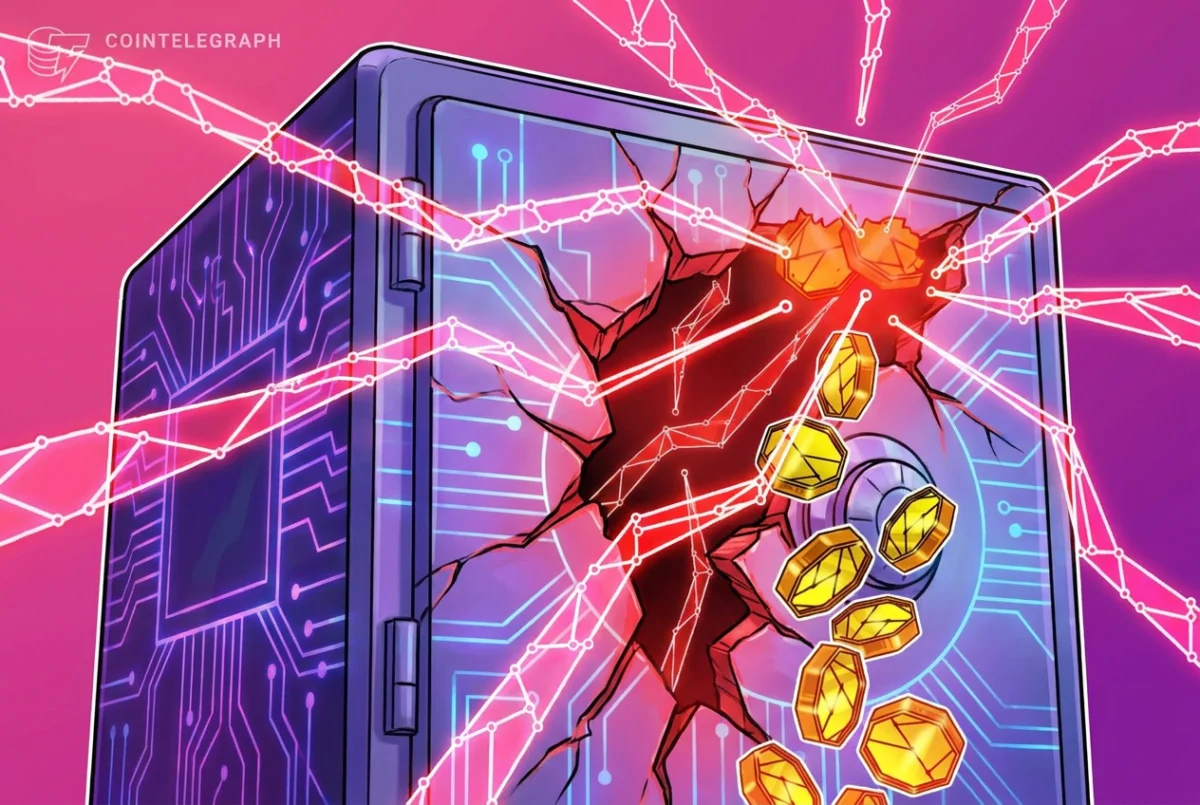
Initia, a prominent layer-1 blockchain, has abruptly suspended its entire network, including its foundational layer and interconnected rollups, after security researchers uncovered a sophisticated exploit that enabled unauthorized token minting and the illicit transfer of over $2.6 million in digital assets to the Ethereum network. The sudden halt, enacted on Friday, October 23, 2026, at 3:41 p.m. UTC, underscores the persistent and evolving security challenges facing the burgeoning decentralized finance (DeFi) ecosystem and the broader blockchain industry. The incident has triggered a rapid response from the Initia core team, collaborating with a consortium of security experts, validators, and cryptocurrency exchanges to contain the damage, investigate the root cause, and formulate a strategy for network restoration and asset recovery.
The Exploit Unfolds: A Chronological Account
The security breach came to light through the vigilance of independent blockchain security researchers, who observed suspicious activity on the Initia network. The initial alert was raised on Friday by prominent blockchain sleuth Spreek, who publicly flagged the exploit. Spreek’s report indicated that an attacker had successfully minted tokens without proper authorization, subsequently converting approximately $2.6 million of these illicitly created assets into other cryptocurrencies. Alarmingly, Spreek noted that additional funds were still in motion, suggesting an ongoing and dynamic attack.
Following this initial discovery, the DeFi platform D2 Finance provided a more granular breakdown of the exploit’s mechanics and the subsequent asset movements. D2 Finance reported that the attacker leveraged a critical vulnerability to mint a staggering 2 million AUSD tokens without the requisite backing. AUSD, likely an algorithmic stablecoin or a similar asset designed to maintain a peg, was thus created out of thin air, injecting unbacked value into the ecosystem. The attacker then meticulously executed a series of cross-chain transfers, moving approximately 1.4 million AUSD, 105 Ether (ETH), and 1.08 million USD Coin (USDC) from the Initia network to the Ethereum blockchain. These stolen assets were later consolidated into a single Ethereum wallet, which, according to D2 Finance, accumulated approximately 1,135.5 ETH, valued at an estimated $2.73 million at the time of the report. The rapid identification and public disclosure by security researchers played a crucial role in prompting Initia’s swift response to halt its network and prevent further hemorrhaging of assets.
Dissecting the Vulnerability: Unbacked Minting and Cross-Chain Transfers
The core of the Initia exploit, as identified by D2 Finance, lay in a vulnerability within a "Move function." Move is a highly secure, Rust-based programming language specifically designed for developing smart contracts on blockchain platforms, notably utilized by projects like Aptos, Sui, and Initia. Its design emphasizes resource safety and formal verification, aiming to prevent exactly the kind of unauthorized asset manipulation seen in this incident. However, even the most robust languages can be susceptible to vulnerabilities if implementation flaws exist within the smart contracts.
In this specific case, the flaw allowed the attacker to bypass the usual safeguards that ensure tokens like AUSD are only minted when adequately collateralized or backed by real assets. The ability to mint 2 million AUSD without backing effectively created counterfeit currency, diluting the value of legitimate AUSD tokens and providing the attacker with an instant, illicit fortune. This "infinite minting" bug is one of the most devastating types of smart contract vulnerabilities, as it directly undermines the fundamental economic integrity of a decentralized system.
Once the unbacked AUSD tokens were created, the attacker initiated cross-chain transfers. This process involves moving assets from one blockchain to another, often facilitated by bridges or specialized protocols. Attackers frequently use cross-chain mechanisms to obscure the trail of stolen funds, diversify their holdings, and move assets to networks with higher liquidity, making it easier to convert them into other cryptocurrencies or even fiat currency through various exchanges and mixers. The transfer of AUSD, ETH, and USDC to Ethereum suggests a strategic move to leverage Ethereum’s vast ecosystem for potential liquidation, given its deep liquidity pools and established infrastructure for trading. The consolidation into a single Ethereum wallet further indicates a methodical approach to managing the stolen funds.
The Anatomy of Initia: Layer-1, Rollups, and the Minitias Ecosystem
To fully appreciate the scope of this incident, it is essential to understand Initia’s architectural vision. Initia is positioned as a layer-1 blockchain, meaning it serves as the foundational settlement layer for its entire ecosystem. Unlike monolithic blockchains that handle all transactions and computations on a single layer, Initia is designed to support a network of interconnected rollups, which it refers to as "Minitias."
Rollups are layer-2 scaling solutions that execute transactions off the main blockchain (layer-1) but post transaction data back to the layer-1 for security and finality. This architecture aims to significantly increase transaction throughput and reduce costs while inheriting the security guarantees of the underlying layer-1. Initia’s Minitias concept extends this, envisioning a modular and interoperable ecosystem where each Minitia (a specialized rollup) can cater to specific application needs, enhancing flexibility and scalability. The exploit’s impact on both the layer-1 network and its associated rollups highlights the interconnectedness of such an architecture; a vulnerability at the foundational layer can ripple through the entire system. The native token of the Initia ecosystem, INIT, plays a crucial role in securing the network, paying for transaction fees, and participating in governance.
Financial Fallout and Market Reaction
The immediate financial fallout of the Initia exploit is substantial, with estimated losses ranging between $2.6 million and $2.73 million in various crypto assets. While this figure is significant, it pales in comparison to some of the multi-hundred-million-dollar exploits seen in the history of decentralized finance. However, for a relatively newer layer-1 blockchain like Initia, such an incident can have profound long-term implications for investor confidence and user adoption.
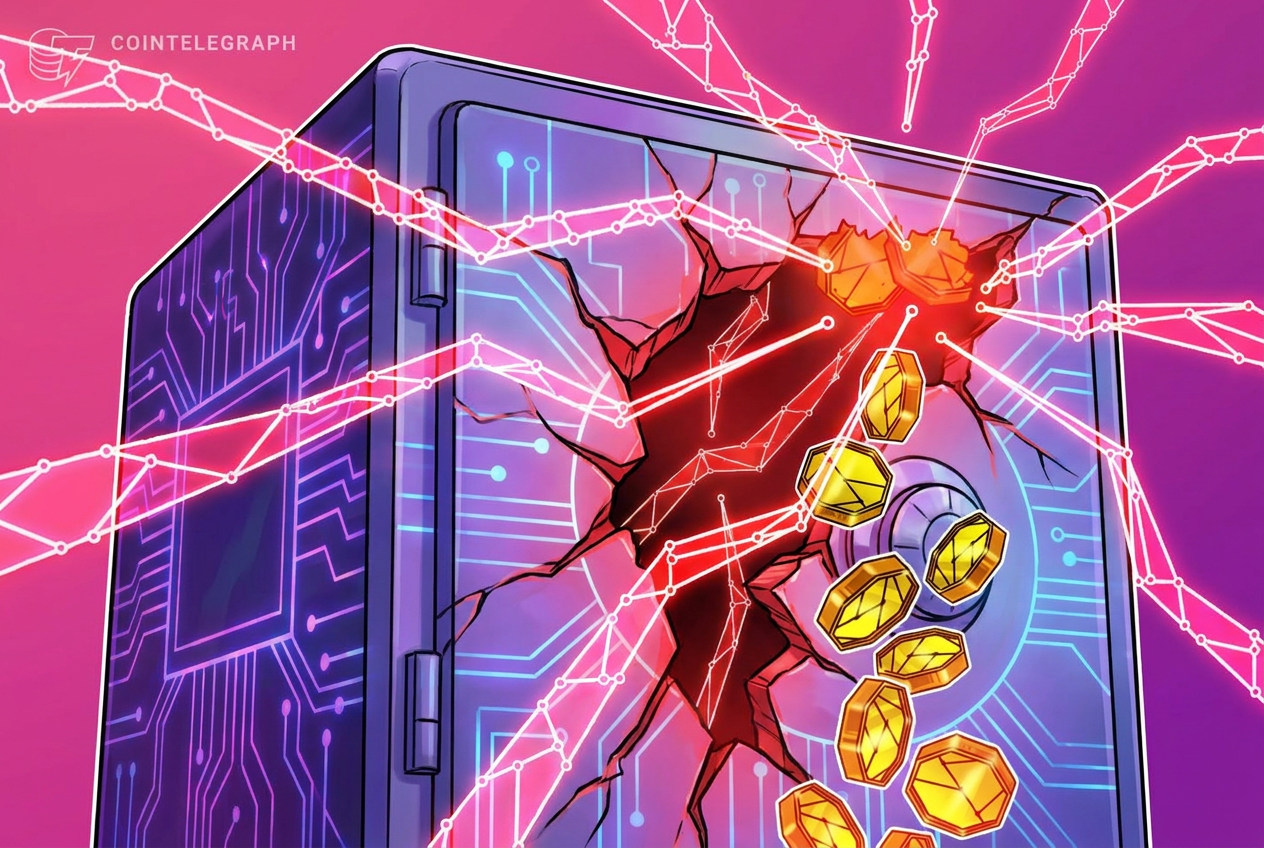
The market reaction to the INIT token was initially volatile. According to CoinGecko data, INIT briefly experienced a sharp decline, falling to approximately $0.115 immediately following the news of the exploit. Such price drops are typical in the wake of security breaches, as investors react to uncertainty and potential losses. However, the token showed a surprising resilience, rebounding above $0.15 within the subsequent hours and trading near $0.1496 at the time of writing, marking an increase of about 14% over the previous 24 hours. This rebound could be attributed to several factors: existing investors holding firm, speculators betting on a quick recovery given the team’s swift action, or the possibility that the initial market overreacted. Nevertheless, sustained investor confidence will depend heavily on the transparency and effectiveness of Initia’s recovery efforts.
Immediate Response and Collaborative Efforts
Initia’s response to the exploit was swift and decisive, prioritizing the immediate cessation of further asset drain. The decision to halt the entire layer-1 network and its associated rollups at 3:41 p.m. UTC demonstrates a critical understanding of crisis management in the blockchain space. While a network halt is a drastic measure that temporarily compromises decentralization and accessibility, it is often a necessary evil to prevent catastrophic losses and provide the development team with the time and space to diagnose and patch the vulnerability without active exploitation.
The Initia team quickly issued a public statement on X, confirming the halt and assuring the community that they were actively engaged with key stakeholders. This collaboration involves:
- Security Researchers: Leveraging the expertise of blockchain sleuths like Spreek and D2 Finance, and likely engaging other specialized firms, to conduct a comprehensive forensic analysis of the attack, pinpoint the exact vulnerability, and verify the extent of the damage.
- Validators: Working closely with network validators, who are crucial for maintaining the blockchain’s integrity and for implementing any necessary network upgrades or patches. Their cooperation is vital for any restart or hard fork process.
- Exchanges: Liaising with centralized and decentralized exchanges to identify and potentially blacklist the attacker’s wallet addresses, making it more difficult for the perpetrator to liquidate the stolen funds. While this doesn’t guarantee recovery, it can disrupt the attacker’s plan and potentially deter future exploits.
As of the latest updates, Initia has not yet publicly confirmed the precise estimated losses or released a detailed post-mortem report outlining the exact cause of the exploit and the steps taken to address it. The timeline for restoring network operations and the full impact on users and their assets also remain unclear, highlighting the complexities inherent in recovering from such an incident.
Broader Implications for Blockchain Security
The Initia exploit serves as a stark reminder of the persistent security challenges within the rapidly evolving blockchain and decentralized finance landscape. Despite advancements in cryptographic security and smart contract auditing, vulnerabilities continue to be discovered and exploited, often with significant financial repercussions. According to various blockchain security firms, exploits targeting smart contract vulnerabilities remain one of the most common attack vectors, accounting for billions in losses annually across the crypto space. In 2023 alone, major hacks and rug pulls resulted in over $1.7 billion in losses, a figure that continues to underscore the need for continuous vigilance.
Common vulnerabilities include re-entrancy attacks, flash loan exploits, oracle manipulation, and, as seen in Initia’s case, critical bugs in smart contract logic that allow for unauthorized minting or asset withdrawal. The incident also highlights the specific challenges faced by Move-based blockchains. While Move is lauded for its security-centric design, it is not immune to implementation errors. Developers working with Move, or any smart contract language, must adhere to rigorous security practices, including extensive testing, formal verification, and multiple independent audits. The interconnected nature of Initia’s layer-1 with its Minitias rollups also emphasizes the need for holistic security considerations, where the security of the entire ecosystem is only as strong as its weakest link.
Path Forward: Recovery and Restoration of Trust
The path forward for Initia involves several critical steps to recover from this security incident and rebuild trust within its community and the broader crypto market. The immediate priorities will undoubtedly be to:
- Forensic Analysis and Patching: Complete a thorough investigation to definitively identify the root cause of the Move function vulnerability, develop and test a robust patch, and implement it across the network.
- Network Restoration: Coordinate with validators to safely restart the layer-1 blockchain and its Minitias rollups, ensuring the integrity of all data and transactions. This may involve a hard fork if the exploit fundamentally altered the chain state in an irrecoverable way, or a more straightforward upgrade if the impact was contained.
- Asset Recovery Efforts: While often challenging, Initia will likely explore all avenues for recovering stolen funds. This could involve direct negotiation with the attacker (e.g., offering a white-hat bounty for the return of funds), working with law enforcement, or leveraging intelligence from exchanges to freeze assets. The consolidation of funds into a single Ethereum wallet might simplify tracking but doesn’t guarantee recovery.
- Transparency and Communication: Provide regular, transparent updates to the community regarding the investigation, recovery efforts, and restoration timeline. Open communication is paramount for rebuilding confidence.
- Enhanced Security Audits: Conduct a comprehensive security audit of its entire codebase, including all smart contracts and network infrastructure, to identify and mitigate any other potential vulnerabilities. This should involve multiple independent auditing firms.
- Community Engagement: Address community concerns, potentially outlining compensation plans for affected users if asset recovery proves impossible. Building goodwill and ensuring user protection will be crucial for long-term viability.
Lessons for the Decentralized Ecosystem
The Initia exploit reinforces several enduring lessons for the decentralized ecosystem. Firstly, no blockchain platform, regardless of its design or underlying programming language, is entirely immune to sophisticated attacks. The complexity of smart contracts and the novelty of blockchain technology introduce unique attack vectors that require constant vigilance. Secondly, the role of independent security researchers and collaborative efforts within the blockchain community is indispensable for rapid threat detection and response. The quick flagging by Spreek and the detailed analysis by D2 Finance were instrumental in limiting the damage.
Finally, the incident underscores the imperative for continuous security innovation, robust auditing practices, and a culture of proactive threat intelligence sharing across the industry. For users, the event serves as a critical reminder of the inherent risks in nascent technologies and the importance of due diligence, diversification, and understanding the security posture of the platforms they engage with. As the blockchain space matures, the ability to effectively prevent, detect, and respond to such incidents will be a defining factor in the long-term success and adoption of decentralized technologies.