admin
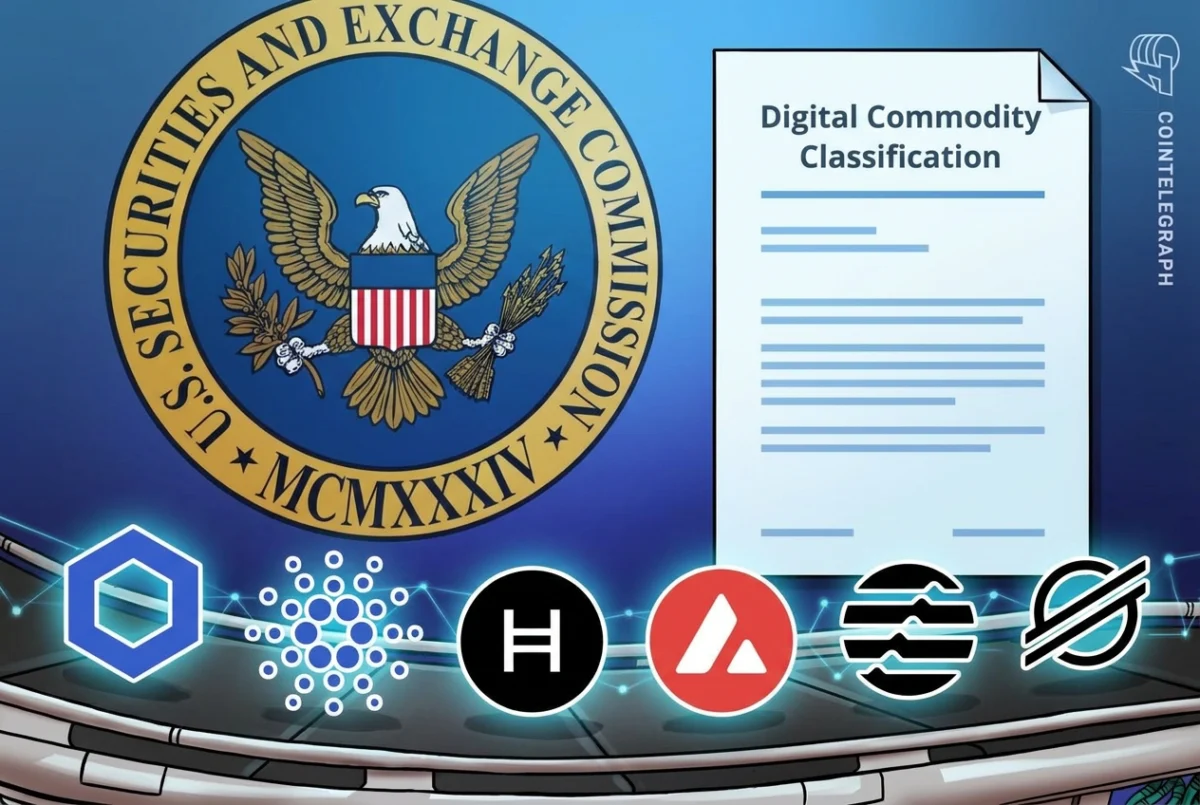
The U.S. Securities and Exchange Commission (SEC) finds itself at the nexus of a significant regulatory crossroads, as a proposed framework for cryptocurrency fundraising and investment has unearthed deep divisions among key stakeholders. With the October 20th comment deadline now passed, the SEC’s proposed Regulation Crypto Assets has illuminated a stark contrast between the concerns of traditional banking institutions and the ambitious expansionist goals of investment managers and cryptocurrency proponents. The crux of the debate lies in a proposal that could significantly ease restrictions on how digital assets are offered and regulated, a move that, while welcomed by some, has triggered alarm bells within the established financial sector.
At the heart of the SEC’s proposal, unveiled on August 21st, is the intention to create a more accessible pathway for qualifying crypto projects to raise capital. Under the current framework, many initial token offerings are treated as unregistered securities, subject to stringent registration requirements. The proposed regulation seeks to exempt these offerings, allowing crypto projects to raise up to $5 million over a four-year period or a substantial $75 million annually, without the burden of registering their investment-contract offerings under the Securities Act. Crucially, issuers would still be obligated to adhere to disclosure requirements and remain subject to federal antifraud provisions, aiming to maintain a baseline of investor protection.
Furthermore, the proposal introduces a conditional safe harbor designed to allow crypto assets to transition out of the classification of investment contracts. This would occur once issuers have demonstrably completed or permanently abandoned the promised essential managerial work related to the token and have filed a comprehensive transition report with the SEC. This provision is particularly significant, as it offers a potential mechanism for tokens to gain greater regulatory clarity and potentially trade with fewer restrictions once their underlying development milestones are met.
The diverse array of comments submitted to the SEC paints a vivid picture of competing priorities and divergent visions for the future of digital asset regulation. Submissions from prominent entities such as Bitwise, a leading digital asset manager, Nasdaq, a major traditional exchange operator, the Alternative Investment Management Association (AIMA), representing a significant portion of the hedge fund industry, and influential community banking associations, alongside consumer advocacy groups, have all underscored the complexity and far-reaching implications of the SEC’s proposed rule.
Industry Pushes for Enhanced Access and Clarity
On one side of the regulatory spectrum, a powerful coalition of Wall Street firms and cryptocurrency industry players is advocating for a more expansive interpretation and application of the SEC’s proposed exemptions. These entities are keen to broaden the accessibility of digital assets within traditional investment products and to reduce the regulatory friction that currently hinders innovation and adoption.
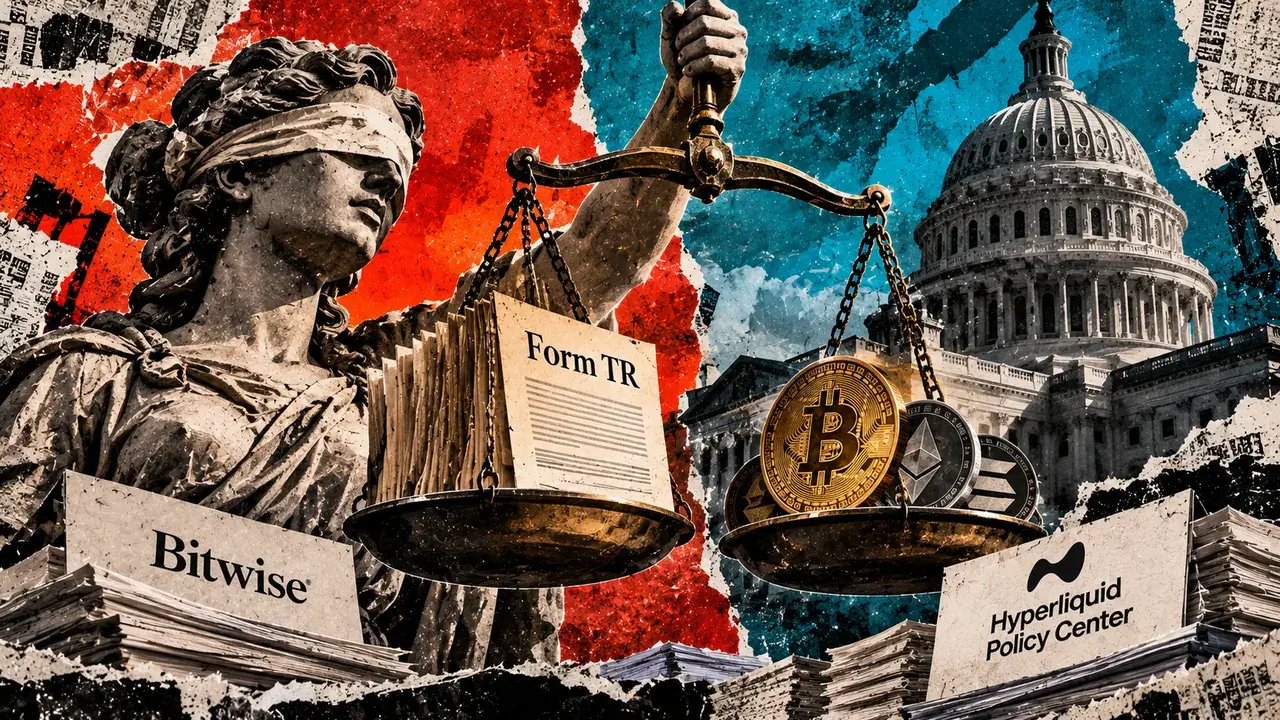
Bitwise, in its October 19th letter to the SEC, articulated a clear demand for simplified processes for investment firms to ascertain the regulatory status of cryptocurrencies. The firm highlighted the substantial uncertainty that fund sponsors currently face when evaluating whether a particular token remains subject to investment contract regulations. This ambiguity, Bitwise argues, acts as a significant impediment to the creation of exchange-traded products (ETPs), indexes, and private funds that incorporate digital assets.
To address this, Bitwise proposed that asset managers should be able to rely on issuers’ publicly filed transition reports after a designated SEC review period expires without objection. This approach, the firm suggests, would provide a more predictable framework for due diligence. Additionally, Bitwise requested the establishment of protections for good-faith reliance on these reports, even if regulators subsequently challenge an issuer’s classification. Such safeguards, they contend, would significantly mitigate the legal risks associated with integrating cryptocurrencies into regulated investment products, although standard fund approval and compliance protocols would still apply.
The Alternative Investment Management Association (AIMA), a influential voice for hedge funds and other alternative asset managers, echoed the call for expanded regulatory clarity and extended safe harbor provisions. AIMA’s submission specifically requested that the proposed safe harbor for crypto assets to cease being investment contracts be broadened to encompass investment adviser and fund regulations. This would provide a more comprehensive regulatory glide path for managers dealing with digital assets. Furthermore, the association emphasized the need for clearer custody requirements and robust resale protections, arguing that consistent and predictable rules are essential for investment managers to confidently acquire, hold, and divest digital assets.
The Hyperliquid Policy Center, a policy advocacy group, submitted a compelling argument for a more proactive approach to regulatory protection during the development phase of crypto projects. The center suggested that the SEC should offer protections while projects are still in their nascent stages, rather than solely requiring issuers to have completed or definitively abandoned their promised work before transitioning out of investment contract status. This would allow for greater flexibility and reduce the pressure on early-stage ventures. The advocacy group also called for increased flexibility regarding token airdrops and the content of transition reports, expressing concern that the public disclosure of detailed legal reasoning could inadvertently expose token issuers to increased litigation risks.
Traditional market infrastructure providers, while generally supportive of the proposed framework, have also expressed specific conditions for its implementation. Nasdaq, a global financial technology powerhouse, endorsed the SEC’s proposed framework but issued a strong recommendation that the exemptions explicitly exclude tokenized versions of traditional securities, such as stocks, bonds, and Exchange Traded Fund (ETF) shares. The exchange’s rationale is rooted in maintaining a level playing field. Nasdaq argued that tokenized traditional securities must continue to be subject to the full spectrum of existing registration, disclosure, and trading requirements. This, they contend, is crucial to prevent crypto platforms from circumventing established regulatory safeguards and gaining an unfair competitive advantage over traditional securities markets. The concern is that allowing exemptions for tokenized traditional assets could undermine the integrity and investor protections inherent in long-standing securities laws.
Banking Sector Sounds Alarm on Deposit Flight and Financial Stability
In stark contrast to the industry’s push for greater access, a significant contingent of community banks has voiced serious concerns about the potential ramifications of the SEC’s proposed crypto exemptions, particularly regarding financial stability and the potential for widespread deposit flight. The Independent Community Bankers of America (ICBA), a powerful representative of the nation’s community banks, issued a stark warning that the easing of crypto issuance rules could inadvertently accelerate the adoption of stablecoins and lead to a substantial diversion of deposits away from smaller, community-focused financial institutions.
The ICBA’s submission detailed a scenario where increased cryptocurrency trading and settlement activities could concentrate customer funds within stablecoin issuers, centralized exchanges, and large reserve banks. This consolidation, the association argues, could significantly increase funding costs for community banks, making it more expensive for them to access capital. Consequently, this could lead to a reduction in their capacity to lend to businesses and individuals within their local communities, thereby impacting economic growth.
The association pointed to earlier modeling scenarios that suggested the incentives offered by stablecoins could potentially shift as much as $1.3 trillion in deposits away from community banks. Such a migration of funds could, in turn, reduce their lending capacity by an estimated $850 billion. It is important to note that these figures represent projections of potential stablecoin growth rather than the direct, immediate impact of the SEC’s proposed exemptions. Nevertheless, the ICBA views these projections as a critical indicator of the potential risks associated with a more crypto-friendly regulatory environment.
In light of these concerns, the ICBA urged regulatory bodies to conduct a thorough assessment of the cumulative effects of all crypto-friendly policies before approving additional exemptions. The association specifically requested a supplemental economic analysis to better quantify the potential impacts. They also called for tighter eligibility thresholds for any proposed exemptions, the implementation of periodic monitoring mechanisms to track deposit migration, and the granting of authority to suspend exemptions should material risks to financial stability emerge.
Opposition Mounts: Calls for Enforcement Over Exemptions
The debate surrounding the SEC’s proposed crypto exemptions has also attracted a more adversarial stance from prominent investor advocates and former regulatory officials. These voices argue that the proposed path of least resistance could undermine investor protection and that the SEC should instead focus on its existing enforcement powers.
Public Citizen, a consumer advocacy organization, issued a strong call for the SEC to abandon the proposed rule altogether. The organization argued that the proposed exemptions would effectively incentivize speculative fundraising activities while simultaneously weakening the critical protections in place for retail investors. Public Citizen advocates for a continued emphasis on robust enforcement actions against what they deem to be illicit or fraudulent crypto activities, rather than creating pathways that could potentially legitimize or facilitate such practices.
Adding to the chorus of opposition, former SEC enforcement official John Reed Stark and Duke University researcher Lee Reiners independently submitted joint comments demanding the withdrawal of the proposal. Their central argument hinges on the SEC’s statutory authority, asserting that the agency lacks the necessary legal foundation to create the proposed exemptions. They warned that if a final rule were adopted in a form resembling the current proposal, it would almost certainly face immediate legal challenges. Such challenges, they contend, would only serve to prolong the period of uncertainty for crypto issuers, a situation that the proposed framework aims to alleviate in the first place. This legal brinkmanship, they suggest, could ultimately delay the implementation of any new regulatory pathways and further complicate the process for tokens seeking to exit investment-contract status.
The Path Forward: Navigating Regulatory Uncertainty
As the SEC now embarks on the critical task of reviewing the extensive feedback received, the agency faces a complex decision-making process. The divergent opinions highlight the inherent tension between fostering innovation in the digital asset space and safeguarding the integrity of financial markets and the protection of investors. The SEC must now weigh the competing demands of industry participants seeking broader access and regulatory clarity against the financial stability concerns raised by traditional banking institutions and the legal objections put forth by prominent critics.
The agency’s next steps will likely involve a thorough evaluation of whether to revise the proposed offering thresholds, enhance investor disclosure requirements, or commission further economic analysis to better understand the potential impacts. Any decision to proceed with the proposed rules without adequately addressing the statutory objections raised by some commentators could shift the dispute from the administrative arena to federal courts. Such a legal confrontation could significantly delay the implementation of any new exemptions and the proposed pathway for tokens to transition out of investment-contract treatment, thereby prolonging the very uncertainty that the SEC aims to resolve. The outcome of this deliberation will undoubtedly shape the future regulatory landscape for cryptocurrencies in the United States for years to come.