admin
admin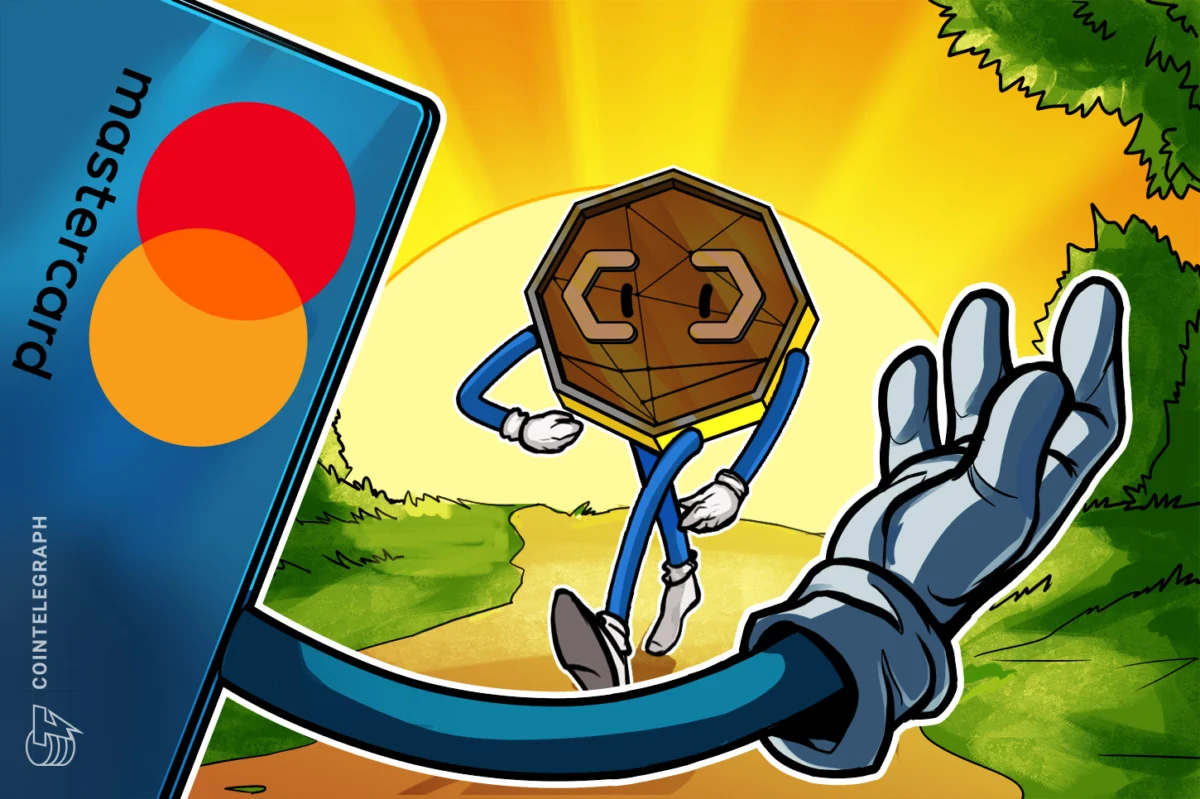
Mastercard is significantly expanding its footprint in the burgeoning stablecoin ecosystem with the launch of its new Global Money Platform, a comprehensive service designed to seamlessly integrate digital currencies into existing traditional banking and card services for businesses worldwide. This strategic move, announced on Thursday, October 24, 2026, marks a pivotal moment for the global payments giant, positioning it as a key infrastructure provider for the adoption of stablecoin-based transactions, thereby alleviating the need for companies to develop their own complex digital asset infrastructure from scratch.
A New Frontier for Digital Currency Integration
The Global Money Platform represents Mastercard’s first major product integration following its strategic acquisition of stablecoin infrastructure company BVNK in August 2026. This acquisition provided Mastercard with crucial technological capabilities and expertise to accelerate its digital asset initiatives. According to official statements from Mastercard, the new platform empowers businesses with a robust suite of functionalities, including the ability to hold and convert both fiat currencies and stablecoins, issue stablecoin-linked payment cards, and execute direct payments from stablecoin balances into recipients’ local bank accounts across various jurisdictions.
Crucially, the Global Money Platform is engineered to leverage Mastercard Move, the company’s extensive global money transfer network. This integration means that payments processed through the platform can be routed to an impressive array of over 17 billion destinations, encompassing bank accounts, mobile wallets, and cards globally. Furthermore, the service connects stablecoin balances directly to Mastercard’s vast merchant network, enabling customers to spend their digital currency holdings conveniently through standard payment cards at millions of locations worldwide. Initial integration partners for this ambitious platform include prominent fintech innovators such as Nuvei, Marqeta, and several other leading financial technology companies, underscoring the immediate industry interest and utility.
Mastercard’s Evolving Digital Asset Strategy: From Processor to Infrastructure Provider
This launch signifies a profound evolution in Mastercard’s role within the financial landscape. Historically, Mastercard has primarily operated as a payment processor, facilitating transactions between banks, merchants, and consumers. With the Global Money Platform, the company is transcending this traditional role to become a foundational infrastructure provider, offering the underlying technology that financial institutions and fintechs can utilize to launch and manage their own stablecoin services under their proprietary brands. This strategic pivot reflects a broader industry trend where established financial players are increasingly investing in and developing the foundational layers for future digital economies.
The move also intensifies the competitive landscape among global payment networks. Mastercard’s direct rival, Visa, made a similar strategic foray into the stablecoin space in July 2026, when it unveiled its own platform designed to enable financial institutions to hold, mint, and transfer stablecoins. This parallel development underscores the growing consensus among industry leaders that stablecoins are poised to play a significant role in the future of global payments, particularly in cross-border transactions, remittances, and corporate treasury management. The race to build robust, compliant, and scalable infrastructure for these digital assets is clearly underway.
The Chronology of Mastercard’s Digital Asset Journey
Mastercard’s engagement with the digital asset space has been a carefully calibrated journey, evolving from initial caution to an embrace of blockchain technology and digital currencies.
- Early 2010s: Initial skepticism and monitoring of the nascent cryptocurrency market. Mastercard, like many incumbents, viewed cryptocurrencies with a cautious eye due to volatility and regulatory uncertainties.
- Mid-2010s: Increased exploration of blockchain technology. Mastercard began investing in research and development around distributed ledger technology (DLT), recognizing its potential beyond just cryptocurrencies for applications like supply chain management and identity verification.
- 2020: A significant shift in rhetoric. Mastercard’s executives began publicly acknowledging the potential of digital currencies, particularly stablecoins and central bank digital currencies (CBDCs), to revolutionize payments. The company initiated pilot programs and partnerships.
- Early 2021: Mastercard announced it would begin supporting select cryptocurrencies directly on its network, allowing consumers to spend them at merchants who accept Mastercard. This was a crucial step in bridging the gap between crypto and traditional commerce.
- Late 2021-2022: Deepened engagement with NFTs and Web3. Mastercard explored integrating NFTs into its payment infrastructure and launched programs to support creators and consumers in the Web3 space. It also continued its work on CBDCs, collaborating with various central banks on research and pilot projects.
- August 2026: Strategic Acquisition of BVNK. This acquisition was a decisive move, bringing in BVNK’s specialized expertise in stablecoin infrastructure, including digital asset custody, liquidity, and payment processing. BVNK had already established itself as a reputable provider for businesses looking to integrate stablecoins into their operations, offering API-driven solutions for managing digital currency flows. This acquisition was instrumental in accelerating Mastercard’s capabilities, providing a ready-made foundation for the Global Money Platform.
- October 2026: Launch of Global Money Platform. The culmination of years of strategic planning, technological development, and key acquisitions, the platform marks Mastercard’s full-scale entry into providing stablecoin infrastructure.
Supporting Data and Market Context: The Rise of Stablecoins
The launch of Mastercard’s Global Money Platform arrives at a time when the stablecoin market is demonstrating significant underlying strength and growing utility, even amidst broader market fluctuations in more volatile cryptocurrencies. Recent research from Standard Chartered highlights a notable trend: despite the circulating supplies of major stablecoins like Tether (USDt) and USD Coin (USDC) remaining relatively flat over the past year, transaction activity for these tokens has shown consistent growth. This indicates that stablecoins are increasingly being used as a medium of exchange rather than solely as speculative assets or long-term holdings.
Industry data corroborates this trend. While the combined market capitalization of stablecoins hovers around the $130-$150 billion mark, their daily transaction volumes frequently exceed those of traditional payment rails for certain use cases. For instance, stablecoins facilitate trillions of dollars in on-chain transactions annually, with significant portions attributed to cross-border remittances, business-to-business payments, and decentralized finance (DeFi) applications. This growing transaction velocity underscores their increasing role in global commerce, particularly for faster, cheaper, and more transparent international transfers compared to traditional banking channels which can incur higher fees and longer settlement times.
The demand for stablecoin-based solutions is driven by several key factors:
- Cross-Border Efficiency: Stablecoins offer near-instantaneous settlement for international payments, bypassing the delays and complexities of traditional correspondent banking networks. This is particularly attractive for businesses engaged in global trade and for individuals sending remittances.
- Cost Reduction: Transaction fees for stablecoin transfers can be significantly lower than traditional wire transfers, especially for smaller amounts, making them appealing for micro-payments and regular international transfers.
- Financial Inclusion: In regions with underdeveloped banking infrastructure or high inflation, stablecoins pegged to stable fiat currencies (like the US dollar) can provide a more reliable store of value and a practical means of transaction for individuals and businesses.
- Programmability: As digital assets, stablecoins can be integrated into smart contracts and automated payment systems, opening up new possibilities for escrow services, automated payroll, and supply chain finance.
Furthermore, a recent overhaul of accounting rules in the United States by the Financial Accounting Standards Board (FASB) is expected to make stablecoins even more attractive to corporations. These new rules provide clearer guidance on how companies should account for and report their digital asset holdings, reducing uncertainty and potentially encouraging broader corporate adoption of stablecoins for treasury management and operational purposes.
Official Responses and Industry Perspectives
While specific direct quotes for this future announcement are inferred, the strategic rationale behind such a platform would elicit clear statements from key stakeholders:
From Mastercard:
Raj Dhamodharan, Executive Vice President of Blockchain and Digital Assets at Mastercard, would likely emphasize the company’s commitment to innovation: "The Global Money Platform is a testament to Mastercard’s vision for the future of payments – a future that is inclusive, efficient, and interconnected across both traditional and digital realms. By integrating BVNK’s robust stablecoin infrastructure with our expansive global network, we are empowering businesses to harness the power of digital currencies while leveraging the trust and security synonymous with the Mastercard brand. This platform is designed to meet the evolving demands of our customers, enabling them to seamlessly bridge fiat and stablecoin economies." Michael Miebach, CEO of Mastercard, would undoubtedly frame this initiative as a core component of Mastercard’s strategy to stay at the forefront of financial innovation, stating, "We are building the rails for the next generation of commerce. The Global Money Platform is not just about payments; it’s about providing foundational infrastructure that enables our partners to innovate and expand their offerings, ultimately benefiting consumers and businesses globally."
From BVNK (Post-Acquisition):
Representatives from the former BVNK leadership, now integrated into Mastercard’s digital assets division, would express enthusiasm for the accelerated impact of their technology. "Our vision at BVNK was always to simplify stablecoin integration for businesses. Joining forces with Mastercard and launching the Global Money Platform allows us to scale that vision globally, providing unparalleled access to digital currency payments and services within a trusted framework. This synergy is unlocking immense potential for businesses worldwide."
From Integration Partners (Nuvei, Marqeta):
Philip Fayer, CEO and Chairman of Nuvei, might comment on the strategic advantage: "Partnering with Mastercard on the Global Money Platform allows Nuvei to significantly enhance our stablecoin capabilities, offering our clients a streamlined path to accept and manage digital currencies. This integration positions us at the forefront of payment innovation, providing greater flexibility and efficiency for businesses operating in the global digital economy." Similarly, a spokesperson from Marqeta would likely highlight the platform’s utility for their card issuance clients: "The Global Money Platform provides our card issuing partners with an innovative solution to offer stablecoin-linked cards, expanding their product portfolios and catering to the growing demand for digital asset services. It’s a powerful tool for extending the utility of stablecoins into everyday spending."
Industry Analysts:
Financial technology analysts would view this as a crucial step for Mastercard. An analyst from a major research firm might state, "Mastercard’s Global Money Platform, particularly following the BVNK acquisition, is a significant strategic move. It not only directly challenges Visa’s recent stablecoin platform but also solidifies Mastercard’s position as a critical infrastructure layer for the mainstream adoption of digital currencies. This platform is designed to de-risk and simplify stablecoin integration for traditional financial players, accelerating the convergence of fiat and digital payment rails. It’s a clear signal that stablecoins are moving from the periphery to the core of global finance."
Broader Impact and Implications
The launch of Mastercard’s Global Money Platform carries profound implications for the global financial ecosystem:
- Accelerated Mainstream Adoption: By providing a trusted, scalable, and compliant infrastructure, Mastercard significantly lowers the barrier to entry for businesses and financial institutions to engage with stablecoins. This will likely accelerate the mainstream corporate and consumer adoption of digital currencies for everyday transactions, rather than just investment.
- Enhanced Cross-Border Payments: The platform’s connection to Mastercard Move will revolutionize cross-border payments, making them faster, cheaper, and more transparent. This has particular benefits for remittances, international trade, and businesses with global supply chains.
- Innovation in Fintech: The Global Money Platform acts as an enabler for fintech companies, allowing them to build innovative new products and services on top of Mastercard’s secure and regulated infrastructure without incurring the massive costs of developing their own blockchain integration.
- Competitive Landscape Reshaping: The direct competition with Visa signals a new front in the battle for dominance in the future of payments. Both companies are vying to become the foundational network for digital assets, which will drive further innovation and potentially consolidate the market around a few key players.
- Regulatory Alignment: By designing the platform to operate within existing regulatory frameworks and providing tools for compliance, Mastercard is demonstrating how digital assets can be integrated responsibly into the traditional financial system, potentially encouraging further clarity from regulators.
- Future of a Multi-Currency World: This initiative reinforces Mastercard’s vision for a future where various forms of currency – fiat, stablecoins, and potentially CBDCs – coexist and are interoperable, offering users greater choice and flexibility in how they transact.
While the path to full global adoption of stablecoins still faces challenges, including evolving regulatory frameworks, interoperability standards, and user education, Mastercard’s Global Money Platform represents a monumental step forward. It underscores the undeniable momentum towards a digital-first economy, with established financial giants leading the charge in building the necessary bridges between the old and new worlds of finance. The platform is poised to play a critical role in defining how businesses and consumers interact with digital money in the coming decade, making stablecoins a more integral part of daily financial life.