admin
admin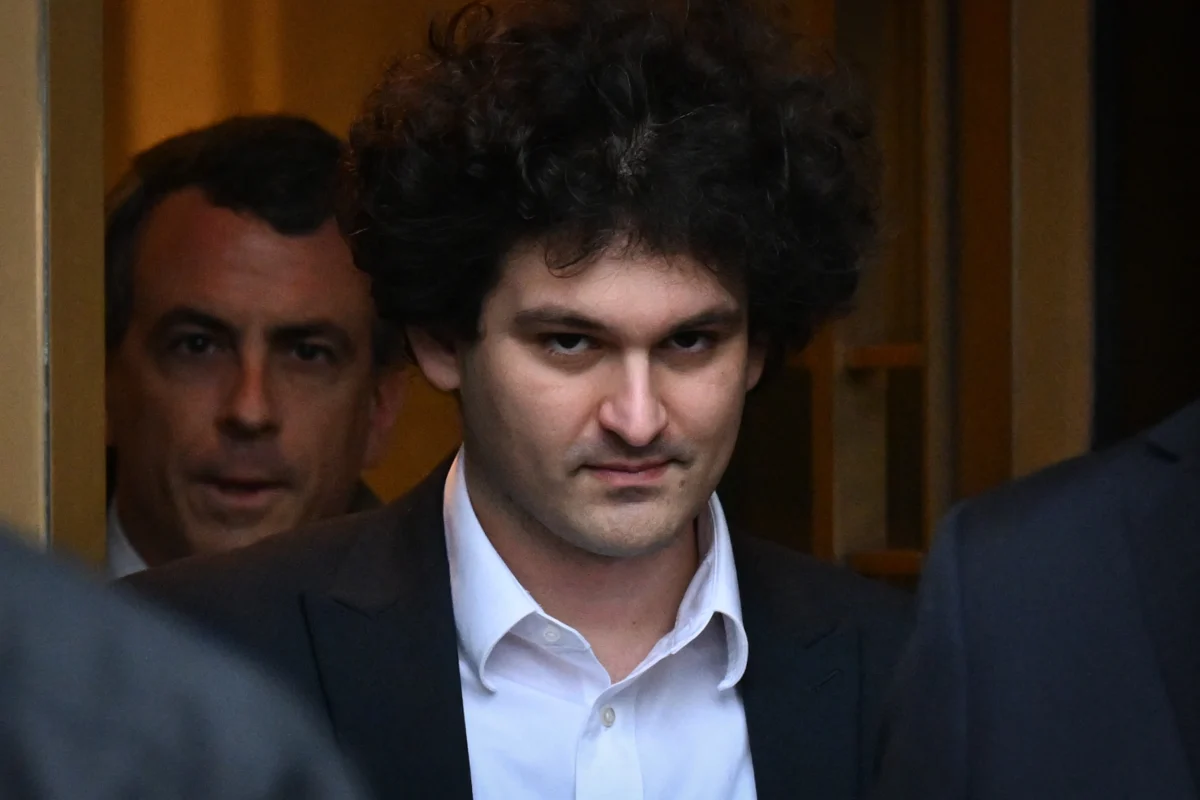
Sam Bankman-Fried, the disgraced co-founder and former CEO of the collapsed cryptocurrency exchange FTX, has officially submitted a petition for a presidential pardon to the United States Department of Justice’s Office of the Pardon Attorney. The application, which seeks relief from the 25-year federal prison sentence he is currently serving, marks a significant turn in one of the most high-profile financial fraud cases in American history. Bankman-Fried was convicted in late 2023 on seven counts of fraud, conspiracy, and money laundering, stemming from the multi-billion-dollar collapse of his crypto empire. The move for executive clemency, first reported by Bloomberg News, places the former billionaire’s fate in the hands of President Donald Trump, whose second term has been characterized by a robust and often controversial use of the pardon power.
The Conviction and Sentencing of a Crypto Titan
The legal saga of Sam Bankman-Fried reached its zenith in March 2024, when U.S. District Judge Lewis Kaplan sentenced him to 300 months in federal prison. The sentencing followed a month-long trial in which federal prosecutors successfully argued that Bankman-Fried had orchestrated a massive scheme to defraud FTX customers and investors. The core of the prosecution’s case rested on the illicit transfer of billions of dollars in customer funds from the FTX exchange to its sister hedge fund, Alameda Research. These funds were used to cover Alameda’s trading losses, fund luxury real estate purchases in the Bahamas, and facilitate hundreds of millions of dollars in political donations.
During the trial, the jury heard testimony from Bankman-Fried’s closest associates, including former Alameda CEO Caroline Ellison and FTX co-founder Gary Wang, both of whom pleaded guilty and cooperated with the government. Their testimony painted a picture of a calculated effort to deceive lenders and users while maintaining a public persona of a philanthropic, "effective altruist" leader. Judge Kaplan, in his sentencing remarks, noted that Bankman-Fried had shown a "lack of remorse" and had committed perjury during his own testimony. The 25-year sentence was intended to reflect the gravity of the $8 billion shortfall left in the wake of FTX’s bankruptcy.
A Chronology of the FTX Collapse and Legal Proceedings
The journey from the heights of the crypto industry to a federal prison cell began in November 2022. The timeline of events serves as a critical backdrop for the current pardon application:
- November 2, 2022: A leaked balance sheet from Alameda Research reveals significant exposure to FTT, FTX’s native token, sparking concerns about the solvency of both entities.
- November 6–8, 2022: A massive "run on the bank" ensues as customers attempt to withdraw billions. FTX pauses withdrawals, and a potential acquisition by rival exchange Binance falls through.
- November 11, 2022: FTX, Alameda Research, and approximately 130 affiliated companies file for Chapter 11 bankruptcy protection in Delaware. Bankman-Fried resigns as CEO.
- December 12, 2022: Bankman-Fried is arrested by Bahamian authorities at the request of the U.S. government.
- December 21, 2022: Bankman-Fried is extradited to the United States and subsequently released on a $250 million bond, confined to his parents’ home in Palo Alto, California.
- August 11, 2023: Judge Kaplan revokes Bankman-Fried’s bail after finding probable cause that he attempted to witness tamper by leaking Caroline Ellison’s private diaries to the press.
- November 2, 2023: After a five-week trial, a jury finds Bankman-Fried guilty on all seven criminal counts.
- March 28, 2024: Bankman-Fried is sentenced to 25 years in prison and ordered to forfeit $11 billion.
- June 2026: Bankman-Fried formally applies for a pardon through the Department of Justice, seeking executive intervention from the Trump administration.
The Trump Administration’s Pattern of Executive Clemency
The application comes at a time when President Trump’s use of the pardon power has come under intense scrutiny and analysis. Since returning to office, the President has granted hundreds of pardons and commutations. While a significant portion of these actions targeted individuals involved in the January 6 Capitol riot, a substantial number have been directed toward individuals convicted of complex financial crimes.
According to an analysis by NBC News conducted in early 2026, more than 50% of the individual pardons granted during this term have been for white-collar offenses, including money laundering, bank fraud, and wire fraud. This trend represents a departure from traditional pardon patterns, which historically favored non-violent drug offenders or those who had completed their sentences long ago.
Legal experts note that the Trump administration has frequently bypassed the traditional, rigorous review process managed by the Office of the Pardon Attorney. Historically, a formal application through the DOJ is a multi-year process involving extensive background checks and recommendations from career prosecutors. However, Bloomberg’s reporting indicates that many of those who have received pardons from President Trump never filed such applications, instead securing clemency through direct appeals or political connections. Bankman-Fried’s decision to file a formal application suggests a strategic move to legitimize his request within the standard legal framework, even as he hopes for a sympathetic hearing from the Oval Office.
Supporting Data: The Magnitude of the FTX Fraud
To understand the context of the pardon request, it is essential to examine the scale of the financial damage caused by the FTX collapse. At its peak, FTX was valued at $32 billion, bolstered by investments from major venture capital firms such as Sequoia Capital and SoftBank.
- Customer Shortfall: At the time of the bankruptcy filing, the exchange owed customers approximately $8.7 billion.
- Asset Recovery: Under the leadership of CEO John J. Ray III, the bankruptcy estate has worked to recover assets. While the estate recently announced it has gathered enough assets to potentially pay back most creditors in full—based on the value of their holdings at the time of the 2022 collapse—many victims argue this does not account for the massive appreciation in crypto prices (such as Bitcoin) since that date.
- Political Donations: Prosecutors identified over $100 million in political contributions made by Bankman-Fried and his associates, intended to influence crypto-friendly legislation in Washington. These donations were split across the political spectrum, though Bankman-Fried was primarily known as a major donor to Democratic causes.
The argument for a pardon may hinge on the assertion that "no one was ultimately harmed" if creditors are eventually made whole—a claim that federal prosecutors and Judge Kaplan have previously rejected, citing the immense stress, lost opportunity costs, and the illegality of the initial misappropriation of funds.
Potential Reactions and Official Responses
The filing has elicited a range of anticipated responses from the legal and political communities. While the White House has not issued an official statement regarding this specific application, the Department of Justice’s Pardon Attorney Office has confirmed receipt of the filing.
Victims’ advocacy groups have already expressed outrage at the prospect of a pardon. "A pardon for Sam Bankman-Fried would be a slap in the face to the thousands of everyday investors who lost their life savings because of his deception," said a spokesperson for an FTX creditor group. "The fact that the bankruptcy estate recovered funds through luck and market timing does not excuse the original crime."
Conversely, some proponents of criminal justice reform have argued that the 25-year sentence was excessive for a non-violent first-time offender. Legal analysts suggest that Bankman-Fried’s legal team may be banking on President Trump’s stated skepticism of "overzealous" federal prosecutions and his history of pardoning high-profile figures who claim they were targets of a "politicized" justice system.
Broader Impact and Implications for the Crypto Industry
The outcome of Bankman-Fried’s pardon request will have profound implications for the future of financial regulation and the perceived accountability of the cryptocurrency industry. If a pardon is granted, it could be interpreted as a signal that the consequences for massive financial misconduct are negotiable, potentially undermining the deterrent effect of federal sentencing.
Furthermore, the intersection of political influence and the pardon power remains a central theme. Reports have frequently highlighted that several recipients of presidential clemency had previously donated significant sums to the President’s campaigns or associated Super PACs. While Bankman-Fried’s previous political leanings were predominantly aligned with the opposition, his family and legal advisors may seek to frame his case as one of regulatory overreach—a narrative that often resonates with the current administration’s platform.
For the crypto industry, which has spent years trying to move past the "Wild West" era of 2022, the re-emergence of Bankman-Fried in the headlines is a double-edged sword. While some may see his potential release as a closing of a dark chapter, others fear it will reignite calls for even stricter oversight, as the public perceives a lack of permanent accountability for those at the top of the financial pyramid.
As the Office of the Pardon Attorney begins its review, the case remains a litmus test for the limits of executive power in the realm of corporate crime. Whether Sam Bankman-Fried serves the remaining two decades of his sentence or walks free before the end of the decade will depend on the President’s interpretation of justice, mercy, and the weight of financial crimes in the modern era.