admin
admin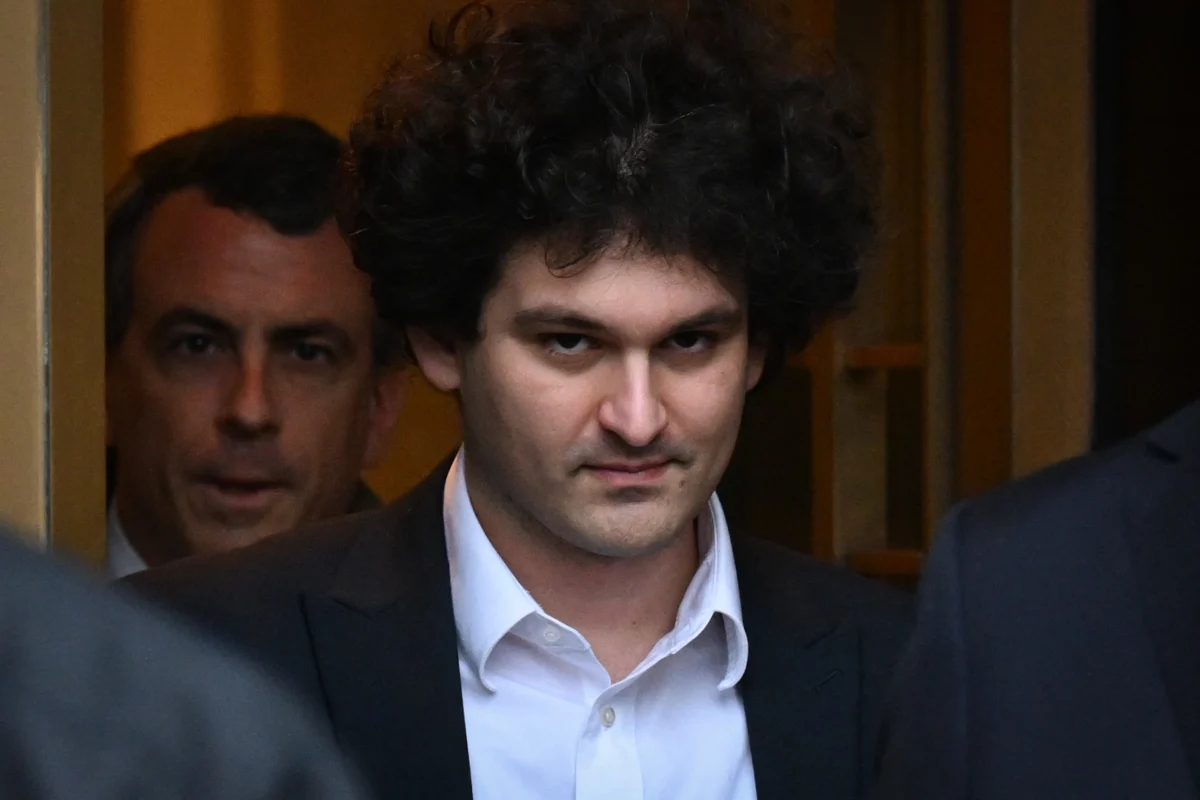
Sam Bankman-Fried, the disgraced co-founder of the defunct cryptocurrency exchange FTX, has officially filed a petition for a presidential pardon from Donald Trump, marking a high-stakes attempt to overturn a 25-year federal prison sentence. According to official records from the Department of Justice’s Office of the Pardon Attorney, the application was recently submitted, signaling a strategic shift in the legal maneuvers of the former billionaire. Bankman-Fried, once a titan of the digital asset industry and a prolific political donor, was convicted in 2024 on multiple counts of wire fraud, securities fraud, and money laundering following one of the most significant financial collapses in American history.
The formal application for clemency comes at a pivotal moment in the current administration’s second term, which has seen a notable increase in the use of executive pardon power. While the pardon process is traditionally a lengthy administrative procedure involving rigorous vetting by the Department of Justice, the filing by Bankman-Fried represents a direct appeal to a president who has frequently exercised his constitutional authority to grant relief to individuals convicted of non-violent white-collar crimes.
The Rise and Fall of the FTX Empire
To understand the weight of Bankman-Fried’s request, it is essential to revisit the scale of the FTX collapse. Founded in 2019, FTX quickly ascended to become the world’s third-largest cryptocurrency exchange, valued at a peak of $32 billion. Bankman-Fried, often referred to by his initials "SBF," became the face of the industry, championing "effective altruism" and advocating for crypto regulation on Capitol Hill.
However, the empire unraveled in November 2022 when a report from CoinDesk revealed that Bankman-Fried’s hedge fund, Alameda Research, held a massive position in FTT, a token created by FTX itself. This exposure triggered a liquidity crisis as customers rushed to withdraw their funds. The subsequent bankruptcy filing revealed an $8 billion hole in the company’s balance sheet, leading to allegations that Bankman-Fried had used customer deposits to fund Alameda’s risky investments, purchase luxury real estate, and make massive political contributions.
Following his extradition from the Bahamas in December 2022, Bankman-Fried faced a high-profile trial in the Southern District of New York. In March 2024, Judge Lewis Kaplan sentenced him to 25 years in prison and ordered the forfeiture of more than $11 billion. During the sentencing, Judge Kaplan noted that Bankman-Fried had shown a "lack of remorse" and characterized his actions as a "brazen" betrayal of trust.
The Context of Trump’s Second-Term Pardons
Bankman-Fried’s decision to file for a pardon is contextualized by President Trump’s broader approach to executive clemency. Since returning to office for his second term, the President has issued hundreds of pardons and commutations. While a significant portion of these actions targeted individuals involved in the January 6 Capitol riot, a substantial number have been directed toward white-collar defendants.
An analysis conducted by NBC News earlier this year highlighted that more than 50% of the individual pardons granted during this term were for individuals convicted of financial crimes, including money laundering, bank fraud, and wire fraud. This trend has emboldened several high-profile defendants to seek relief, arguing that their sentences were disproportionate or that they have been unfairly targeted by the judicial system.
Furthermore, Bloomberg News reports that Bankman-Fried is among the few high-profile applicants who have followed the formal DOJ application process. Many of those who received pardons from the President in the past have bypassed the Office of the Pardon Attorney entirely, often relying on personal connections or public advocacy campaigns to reach the President’s desk. Bankman-Fried’s adherence to the official channel may be an attempt to present a more traditional case for mercy, despite the controversial nature of his crimes.
Chronology of the FTX Legal Saga
The road to Bankman-Fried’s pardon application is marked by a series of rapid escalations in the legal and financial sectors:
- November 2022: FTX files for Chapter 11 bankruptcy protection; Sam Bankman-Fried resigns as CEO.
- December 2022: Bankman-Fried is arrested in the Bahamas and extradited to the United States. He is released on a $250 million bond.
- August 2023: Judge Lewis Kaplan revokes Bankman-Fried’s bail after finding probable cause that he attempted to witness-tamper. He is remanded to the Metropolitan Detention Center (MDC) in Brooklyn.
- October 2023: The criminal trial begins. Key witnesses, including former Alameda CEO Caroline Ellison and FTX co-founder Gary Wang, testify against Bankman-Fried.
- November 2023: A jury finds Bankman-Fried guilty on all seven counts of fraud and conspiracy.
- March 2024: Bankman-Fried is sentenced to 25 years in federal prison.
- Late 2024 – Early 2025: Bankman-Fried’s legal team begins the appeals process while simultaneously exploring executive clemency options.
- June 2026: Official reports confirm that Bankman-Fried has filed a formal pardon application with the Department of Justice.
Supporting Data and Financial Impact
The magnitude of the fraud committed by Bankman-Fried remains one of the primary hurdles for his pardon application. At the time of the FTX collapse, the exchange had over one million creditors. While the bankruptcy estate, led by CEO John J. Ray III, has made significant strides in recovering assets—aided by the surging prices of Bitcoin and Solana—the human cost remains high.
Data from the bankruptcy proceedings indicate that while most customers may eventually be repaid in "dollarized" value (the value of their assets at the time of the 2022 bankruptcy), many have lost out on the massive gains seen in the crypto market since that time. This discrepancy has fueled ongoing resentment among the victim pool, many of whom have submitted impact statements to the court and the DOJ opposing any form of leniency.
In terms of political spending, Bankman-Fried was the second-largest individual donor to Democratic causes during the 2022 election cycle, contributing nearly $40 million. However, he also claimed in interviews to have donated similar amounts to Republican causes through "dark money" channels to avoid public scrutiny. This complex history of political influence-peddling adds a layer of scrutiny to his pardon request, as critics argue that a pardon would signal that wealthy donors can buy their way out of justice.
Reactions and Stakeholder Perspectives
The news of the pardon application has elicited strong reactions from various sectors. Legal experts suggest that the likelihood of a pardon for a crime of this scale is statistically low, yet not impossible given the current political climate.
"A 25-year sentence for a non-violent financial crime is substantial, but so was the loss," says Marcus Thorne, a former federal prosecutor. "The President’s power is absolute, but granting a pardon to SBF would be seen by many as a complete abandonment of the principle of financial accountability. It would be a polarizing move even by this administration’s standards."
On Capitol Hill, reactions have been split along ideological lines. Some advocates for judicial reform argue that Bankman-Fried’s sentence was an example of "trial penalty" and that the recovery of funds should mitigate his time served. Conversely, consumer protection advocates have expressed outrage. "A pardon for Sam Bankman-Fried would be a slap in the face to the millions of people he defrauded," said a spokesperson for a leading financial transparency NGO. "It would effectively tell the world that the U.S. financial system is a playground for the elite where consequences don’t apply."
Broader Impact and Regulatory Implications
The outcome of this pardon request will have lasting implications for the cryptocurrency industry and the broader perception of white-collar justice in America. If a pardon is granted, it could undermine the efforts of the Securities and Exchange Commission (SEC) and the Commodity Futures Trading Commission (CFTC) to bring order to the digital asset space.
From a regulatory standpoint, the conviction of Bankman-Fried was seen as a landmark victory for the DOJ, proving that existing fraud laws are sufficient to prosecute crimes within the "Wild West" of crypto. A presidential reversal could signal a shift in how the executive branch views the severity of financial misconduct in emerging technologies.
Furthermore, the pardon application highlights the ongoing debate regarding the use of the pardon power itself. While the U.S. Constitution grants the President the "Power to grant Reprieves and Pardons for Offenses against the United States," the frequency and nature of pardons in the current administration have sparked discussions about potential legislative checks on this authority, though such changes remain unlikely in the near term.
As the Department of Justice processes the application, Bankman-Fried remains incarcerated at a federal facility. The President has not yet issued a public comment regarding the specific request, and there is no set timetable for a decision. For now, the victims of the FTX collapse and the broader financial community wait to see if one of the most high-profile inmates in the federal system will receive a second chance or serve the remainder of his two-and-a-half-decade sentence.