admin
admin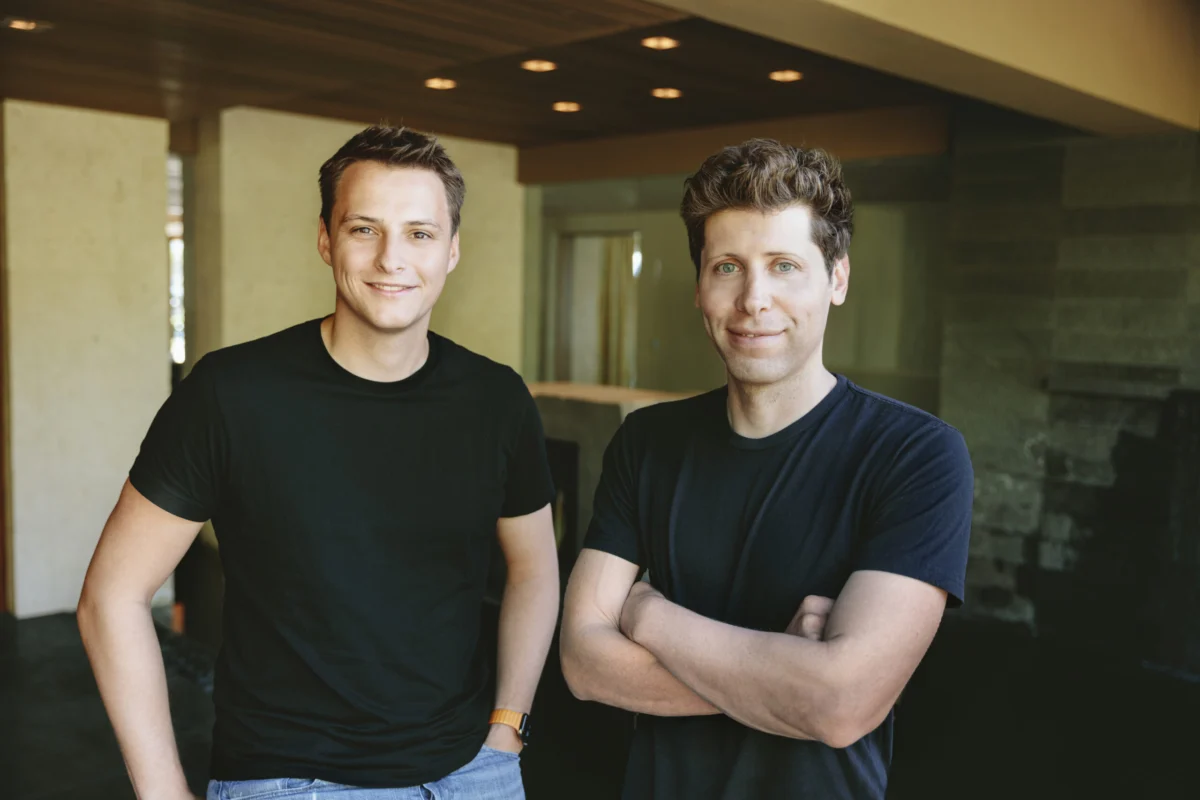
World, the digital identity and verification initiative co-founded by OpenAI Chief Executive Officer Sam Altman, has successfully secured $52.5 million in new capital through a strategic sale of its native cryptocurrency token, WLD. The funding round was led by Pantera Capital, a prominent venture capital firm specializing in digital assets and blockchain technology. Other notable participants in the private sale included Eightco Holdings, Bain Capital Crypto, Susquehanna Crypto, and Selini Capital. This influx of capital is earmarked for the World Foundation, a non-profit entity based in the Cayman Islands tasked with overseeing the governance and global expansion of the World network.
A critical component of this transaction is a mandatory 12-month lockup period, during which the participating investors are prohibited from selling or trading their WLD tokens. According to an official statement from World, this lockup serves as a testament to the investors’ long-term commitment to the project’s utility and growth trajectory. By restricting immediate liquidity, the company aims to stabilize the token’s market presence while aligning the interests of its largest backers with the project’s multi-year developmental goals.
The Mission of Tools for Humanity and the Proof of Human Concept
Operated by Tools for Humanity (TFH), a San Francisco-based technology firm, World is positioned at the intersection of biometrics, artificial intelligence, and decentralized finance. The company is led by CEO and co-founder Alex Blania, alongside Sam Altman, who has become one of the most influential figures in the global technology sector due to his leadership at OpenAI. The core objective of World is to solve the "Proof of Personhood" problem—a challenge that has become increasingly urgent as generative AI makes it difficult to distinguish between human-generated content and sophisticated bot activity.
The project’s flagship product is the World ID, a digital passport that allows users to verify their humanity online without revealing their personal identity. As AI agents become more capable of mimicking human speech, writing, and even visual appearance, World argues that a global, permissionless identity protocol is necessary to maintain the integrity of digital interactions, prevent sybil attacks (where one person creates multiple fake accounts), and ensure the fair distribution of resources in a future potentially dominated by automation.
Technical Infrastructure: The Orb and Biometric Verification
To achieve the highest tier of verification within the World ecosystem, users must interact with a physical hardware device known as the "Orb." The Orb is a custom-engineered, chrome-plated spherical device equipped with advanced sensors and cameras designed to scan a user’s iris. This biometric data is then processed locally on the device to create a unique cryptographic identifier—a "humanness" code—before the original iris image is deleted, according to the company’s privacy protocols.
Once the scan is complete, the user is issued a verified World ID. These Orbs have been deployed in major metropolitan hubs globally, including offices and partner retail locations. The company emphasizes that the system does not store biometric templates in a centralized database; instead, it uses zero-knowledge proofs (ZKPs) to verify that a person is unique and human without sharing the underlying biometric data with third-party applications. This technical approach is designed to mitigate privacy concerns, though the project has faced significant scrutiny from data protection regulators in various jurisdictions, including Europe and Asia.
From Worldcoin to World: A Strategic Rebrand and Evolution
The project was originally introduced to the public as "Worldcoin," a name that reflected its roots in the cryptocurrency sector and its ambition to distribute its native token to every human on Earth as a form of universal basic income (UBI) experiment. However, the project underwent a significant rebranding in late 2023 and early 2024, dropping "coin" from its name to become simply "World."
This shift was largely seen as an effort to distance the project from the volatility and negative perceptions often associated with the broader crypto industry, particularly following the collapse of several high-profile digital asset firms in 2022. The rebranding also signaled a pivot toward a more holistic focus on identity services and infrastructure. While the WLD token remains a central part of the ecosystem—serving as a mechanism for governance and a reward for users who verify their identity—the company’s marketing now emphasizes its utility as a foundational layer for the "human-centric" internet.
Chronology of Development and Market Challenges
The journey of World has been marked by both rapid technological advancement and significant operational hurdles.
- 2021–2022: The project emerged from stealth mode, conducting initial field tests of the Orb in various developing nations. These early efforts were met with criticism from privacy advocates and investigative journalists who questioned the ethics of collecting biometric data from vulnerable populations in exchange for small amounts of cryptocurrency.
- July 2023: World officially launched its WLD token on major cryptocurrency exchanges. The launch coincided with a surge in global interest in AI, positioning World as the "human" counterweight to the rise of large language models.
- April 2024: Tools for Humanity released a major update to the World App, the primary interface for users to manage their World ID and WLD tokens. Simultaneously, the company announced several high-profile integrations. These partnerships aimed to allow users of platforms like Tinder, Zoom, and DocuSign to use their World ID to verify their identity, theoretically reducing the prevalence of "catfishing" and automated spam.
- June 2024: Despite the high-profile nature of its founders and the novelty of its tech, World faced internal pressures. Tools for Humanity conducted a round of layoffs, affecting approximately 10% of its workforce. This move was characterized by leadership as a necessary step to streamline operations and extend the company’s "runway" amid a challenging venture capital environment and slower-than-expected consumer adoption.
- July 2024: The announcement of the $52.5 million token sale provides a much-needed capital infusion, suggesting that despite retail skepticism, institutional investors remain bullish on the long-term necessity of biometric identity verification.
Strategic Significance of the Investor Group
The involvement of Pantera Capital as the lead investor is a significant endorsement for World. Pantera is one of the oldest and most respected names in blockchain investing, known for its rigorous due diligence and focus on projects with high technical barriers to entry. The inclusion of Bain Capital Crypto and Susquehanna Crypto further underscores the project’s appeal to "old-guard" financial institutions that are increasingly looking for ways to bridge the gap between traditional finance and decentralized protocols.
For these investors, the value proposition lies not just in the potential appreciation of the WLD token, but in the creation of a global standard for digital identity. If World becomes the default verification layer for the internet, the network effects could be immense. However, the 12-month lockup suggests that these firms are aware that the path to such dominance is fraught with regulatory and social obstacles.
Regulatory Scrutiny and Privacy Implications
World’s reliance on iris scanning has made it a lightning rod for privacy regulators. In the European Union, the project has been under investigation by various data protection authorities, most notably in Germany and Spain, where operations were temporarily suspended or restricted due to concerns over how biometric data is handled and whether users are providing truly informed consent.
Critics argue that even with cryptographic safeguards, the collection of biometric data on a global scale creates a "honeypot" for hackers and state actors. Furthermore, the "Proof of Personhood" model raises philosophical questions about the "gatekeeping" of the internet. If World ID becomes a requirement for accessing essential digital services, those who cannot or will not submit to a biometric scan could find themselves digitally disenfranchised.
In response, World has increased its transparency efforts, open-sourcing parts of the Orb’s software and hardware designs. The company maintains that its system is more private than traditional identity verification methods, which often require users to upload sensitive government documents to centralized servers.
Implications for the AI Landscape and Future Outlook
The success of World is inextricably linked to the trajectory of the AI industry. As Sam Altman’s other venture, OpenAI, continues to push the boundaries of what machines can do, the demand for a way to verify "humanness" is expected to grow. This creates a unique dynamic where one of Altman’s companies is effectively creating the problem that his other company is designed to solve.
The $52.5 million raised will likely be used to manufacture more Orbs and expand the network’s footprint in regions where digital identity infrastructure is currently lacking. The World Foundation will also use the funds to incentivize developers to build applications on top of the World ID protocol, creating a broader ecosystem of "human-only" services.
However, the road ahead remains uncertain. To achieve its goal of billions of users, World must overcome deep-seated public mistrust of biometric surveillance and navigate a fragmented global regulatory environment. The recent layoffs at Tools for Humanity serve as a reminder that even projects with massive financial backing and celebrity founders are not immune to the realities of the market.
As the 12-month lockup period for the new investors begins, the tech industry will be watching closely to see if World can transition from a controversial crypto-biometric experiment into a foundational pillar of the modern internet. The $52.5 million raise provides the company with the resources to continue its mission, but the ultimate success of "Proof of Human" will depend on whether the global public is willing to trade their iris patterns for a more "authentic" digital future.