admin
admin
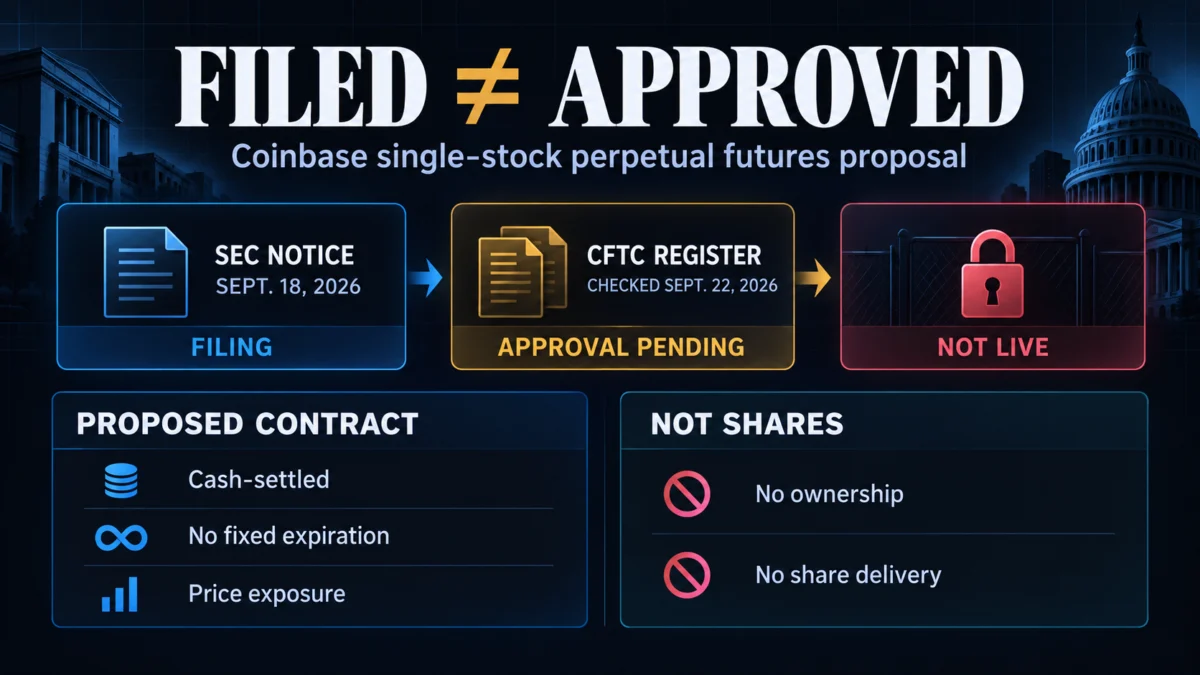
These filings, submitted concurrently to the Securities and Exchange Commission (SEC) and the Commodity Futures Trading Commission (CFTC) on a recent Friday, mark a pivotal moment in the ongoing evolution of financial products. The proposed contracts, a staple in cryptocurrency markets, would allow investors to gain continuous exposure to the price movements of underlying stocks without a predetermined expiration date, fundamentally altering how traders interact with equity derivatives. The move comes as financial innovators increasingly seek to port successful features from the fast-paced, 24/7 crypto world into more regulated, established markets. While the CFTC has yet to approve these specific proposals, the coordinated effort by three prominent players underscores a strong industry push for this novel product.
The Mechanics of Perpetual Futures: A Crypto Innovation Enters Equities
Perpetual futures contracts are a unique type of derivative that, unlike traditional futures, do not have an expiration date. This characteristic provides continuous exposure to an asset’s price, eliminating the need for traders to roll over positions as contracts approach maturity—a common practice in standard futures markets that can incur additional costs and complexities. To keep the price of a perpetual future aligned with its underlying spot asset, a mechanism known as a "funding rate" is employed. This rate involves periodic payments exchanged between long and short positions, typically every eight hours, based on the difference between the perpetual contract’s price and the spot price of the underlying asset. If the perpetual future is trading at a premium to the spot price, longs pay shorts; if it’s at a discount, shorts pay longs. This mechanism incentivizes arbitrageurs to bring the perpetual price back in line with the spot, ensuring market efficiency.
This innovative structure, pioneered and popularized in cryptocurrency exchanges, offers several advantages. It provides enhanced liquidity, as traders can maintain positions indefinitely, and offers a flexible tool for both speculation and hedging. The ability to use leverage, common in derivatives trading, is also a significant draw, allowing traders to control larger positions with a smaller capital outlay. However, leverage also amplifies risk, making robust risk management and clearing mechanisms paramount.
Kalshi, the prediction market firm, articulated in its filing that these new contracts would be classified as "security futures products." This designation is crucial as it places them under the joint regulatory oversight of both the SEC and the CFTC, a historically complex area of U.S. financial regulation. Kalshi further stated its intent to clear these contracts through its CFTC-registered clearinghouse, Kalshi Klear, leveraging existing infrastructure that already handles its cryptocurrency perpetual futures. This strategic choice highlights the intricate dance between innovation and regulatory compliance that these firms must navigate.
A Coordinated Industry Push: Kalshi, Coinbase, and Kraken
The filings represent a concerted effort from leading crypto-native and innovation-driven firms to bridge the gap between digital asset markets and conventional finance.
Kalshi’s Strategic Advance: Kalshi’s move into single-stock perpetual futures builds upon its recent regulatory successes. The company received CFTC approval in May to offer perpetual futures tied to several major cryptocurrencies, including Bitcoin (BTC), Ether (ETH), Solana (SOL), and XRP (XRP), within the U.S. market. This prior approval for crypto perpetuals provides Kalshi with valuable experience in navigating the regulatory landscape for these unique instruments. Extending this model to individual U.S. stocks is a natural progression for a firm focused on prediction markets and innovative derivatives. Kalshi’s established clearinghouse, Kalshi Klear, is a key asset in its proposal, offering a ready-made solution for the necessary post-trade infrastructure.
Coinbase’s Diversification Strategy: Cryptocurrency exchange giant Coinbase also submitted a separate but parallel proposal to offer single-stock perpetual futures. For Coinbase, this initiative represents a significant diversification beyond its core spot crypto trading business. As the crypto market matures and faces increased regulatory scrutiny, exchanges are seeking new revenue streams and ways to leverage their technological expertise and user base. Bringing crypto-style derivatives to traditional equities could open up a vast new market, appealing to a broader range of investors, from seasoned traders to institutions looking for more flexible ways to manage equity exposure. This move aligns with Coinbase’s broader ambition to become a comprehensive financial services provider at the intersection of traditional finance and the digital economy.
Kraken’s Global Ambitions through Bitnomial: Not to be outdone, Payward, the parent company of crypto exchange Kraken, joined the fray through its Bitnomial Exchange. Bitnomial also filed to offer these products, with the explicit plan to make them accessible to U.S. traders on the Kraken platform. Payward stated its intention to initially offer perpetual futures tied to 10 prominent U.S. equities, including tech giants like Tesla, Nvidia, Apple, Microsoft, and Amazon. Furthermore, Payward highlighted its commitment to facilitating 24/5 trading, a direct nod to the continuous nature of crypto markets that often contrasts with the more limited trading hours of traditional stock exchanges. This initiative underscores Kraken’s global derivatives capabilities and its desire to capture a share of the evolving U.S. derivatives market. Kraken has a strong presence in crypto derivatives globally, and this filing is a strategic play to extend that expertise into the lucrative U.S. equity market.
The simultaneous nature of these filings suggests a coordinated understanding within the industry about the potential of these products and the regulatory path required. It also indicates a shared belief that the U.S. market is ripe for such innovation, despite the complex regulatory environment.
The Regulatory Gauntlet: SEC, CFTC, and the Shadow of CLARITY
The introduction of single-stock perpetual futures in the U.S. navigates a historically contentious regulatory landscape, primarily governed by the jurisdictional boundaries between the SEC and the CFTC. The SEC, tasked with regulating securities markets, and the CFTC, overseeing commodity futures and options, often find themselves in a nuanced debate over where certain financial products, especially those with novel structures, fall. "Security futures products," as these contracts are designated, explicitly require joint regulation, adding layers of complexity to the approval process.
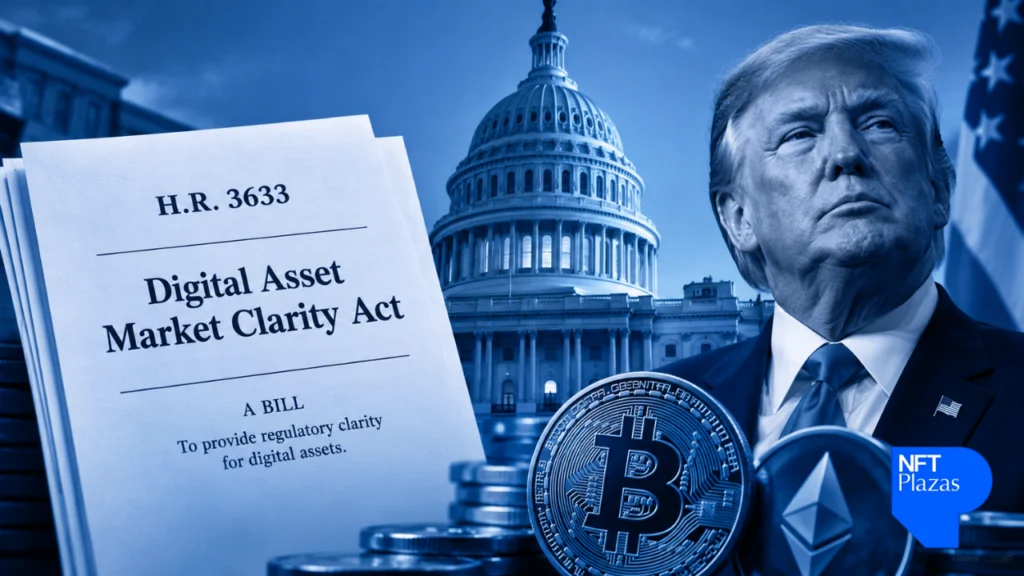
The Failure of the CLARITY Act: These filings occurred just days after a significant legislative setback for the digital asset industry. On September 15, the CLARITY Act failed to advance in the Senate, falling short of the 60 votes required to proceed. The CLARITY Act aimed to establish a clearer regulatory framework for digital assets, an endeavor widely supported by industry participants seeking certainty and a defined path for innovation. Its failure leaves the digital asset space, and by extension, products that bridge crypto and traditional finance, operating under existing, often ambiguous, statutes. This lack of clear, forward-looking legislation places a greater burden on regulatory agencies to interpret and apply existing laws to novel financial instruments.
SEC Chair Atkins’ Stance: In the immediate aftermath of the CLARITY Act’s failure, SEC Chair Paul Atkins issued a definitive statement that resonated across financial markets. He asserted that "with or without legislation," the agency would "act decisively" within its existing statutory authority to provide regulatory certainty for American investors and entrepreneurs. This statement signals the SEC’s firm resolve to regulate new financial products, including those that might incorporate elements from crypto markets, using its current legal powers. For firms like Kalshi, Coinbase, and Payward, Atkins’ comments underscore the imperative of demonstrating robust investor protection mechanisms, clear disclosure, and compliance with anti-manipulation rules to secure regulatory approval. The path to approval will likely involve extensive dialogue and potential modifications to the proposals as regulators scrutinize every aspect of these new contracts.
The dual filing strategy (with both SEC and CFTC) adopted by these companies is a direct response to this complex regulatory environment, acknowledging the potential for jurisdictional overlap and the need for comprehensive oversight. The success of these proposals hinges on convincing both agencies that the products are designed with sufficient investor safeguards, market integrity, and systemic risk management protocols.
Broader Market Implications and Opportunities
The potential introduction of single-stock perpetual futures could trigger a series of profound implications across U.S. financial markets, ranging from enhanced market access to shifts in trading behavior and competitive dynamics.
Increased Market Access and Liquidity: These contracts could democratize access to sophisticated derivatives trading. While traditional futures and options markets are robust, perpetual futures offer a different liquidity profile and a structure that some traders might find more appealing or easier to manage. The ability to maintain positions indefinitely could attract a new segment of retail and institutional traders who desire continuous exposure without the hassle of rollovers. This increased participation could, in turn, enhance liquidity for the underlying equities, as perpetual futures trading influences price discovery.
Convergence of Traditional Finance and Crypto: Perhaps the most significant implication is the further blurring of lines between traditional finance (TradFi) and the crypto ecosystem. This move signifies that innovations born in the digital asset space are increasingly being recognized for their utility and potential application in conventional markets. It represents a validation of certain crypto market structures and could pave the way for other cross-market product innovations. This convergence is not merely technological but also philosophical, challenging established norms about market hours, trading mechanisms, and regulatory boundaries.
New Avenues for Hedging and Speculation: For investors and institutions, single-stock perpetual futures offer new tools for both hedging existing equity portfolios and engaging in directional speculation. Portfolio managers could use them to hedge specific stock exposures more flexibly than with traditional options. Sophisticated traders might find new arbitrage opportunities between the perpetual futures and the underlying spot market, further contributing to market efficiency. However, the inherent leverage in derivatives also means increased potential for speculative risk, necessitating robust risk management frameworks by both platforms and individual traders.
Competitive Landscape and Market Share: The entry of these new products could intensify competition within the derivatives market. Established exchanges offering traditional equity futures and options might face pressure to innovate or adapt. For Kalshi, Coinbase, and Kraken, successful approval and launch would grant them a significant first-mover advantage in a potentially lucrative new market segment. This could reshape market share dynamics and foster a more competitive environment for financial product development.
Regulatory Challenges and Investor Protection: While the opportunities are substantial, so are the challenges. Regulators will be keenly focused on investor protection, particularly given the leveraged nature of perpetual futures and the potential for rapid price swings. Questions around margin requirements, liquidation protocols, market surveillance, and prevention of manipulation will be paramount. The inter-agency collaboration (or lack thereof) between the SEC and CFTC will be a critical determinant of how smoothly these products are integrated into the U.S. regulatory framework. Ensuring transparency, fair trading practices, and adequate risk disclosure will be non-negotiable requirements for approval.
The Road Ahead: An Evolving Financial Frontier
The filings by Kalshi, Coinbase, and Payward represent more than just new product offerings; they signify a bold step into an evolving financial frontier where innovation from the crypto world is actively seeking integration into traditional equity markets. The coordinated nature of these proposals, coming from diverse yet innovation-focused firms, underscores a collective belief in the value proposition of perpetual futures for U.S. stocks.
The immediate future holds a period of intense regulatory scrutiny. Both the SEC and the CFTC will undertake thorough reviews of the proposed rule changes, assessing their compliance with existing regulations, their potential impact on market integrity, and their implications for investor protection. The outcome of these reviews will not only determine the fate of these specific proposals but also set precedents for future financial innovations that blend elements from the crypto and traditional finance realms.
The failure of the CLARITY Act highlights the ongoing legislative vacuum, placing the onus on regulatory agencies to interpret existing statutes for novel products. SEC Chair Atkins’ commitment to "act decisively" suggests a proactive, rather than reactive, approach from the commission. This means the companies will need to demonstrate unequivocally that their products are designed with the highest standards of market integrity, transparency, and investor safeguards.
Should these single-stock perpetual futures receive regulatory approval, they have the potential to usher in a new era of equity derivatives trading in the U.S., offering greater flexibility, continuous exposure, and potentially new hedging and speculative opportunities. The journey from proposal to widespread adoption, however, will undoubtedly be complex, marked by regulatory hurdles, market education, and the continuous evolution of financial technology and policy. The financial world watches keenly as this new chapter in market innovation begins to unfold.