admin
admin
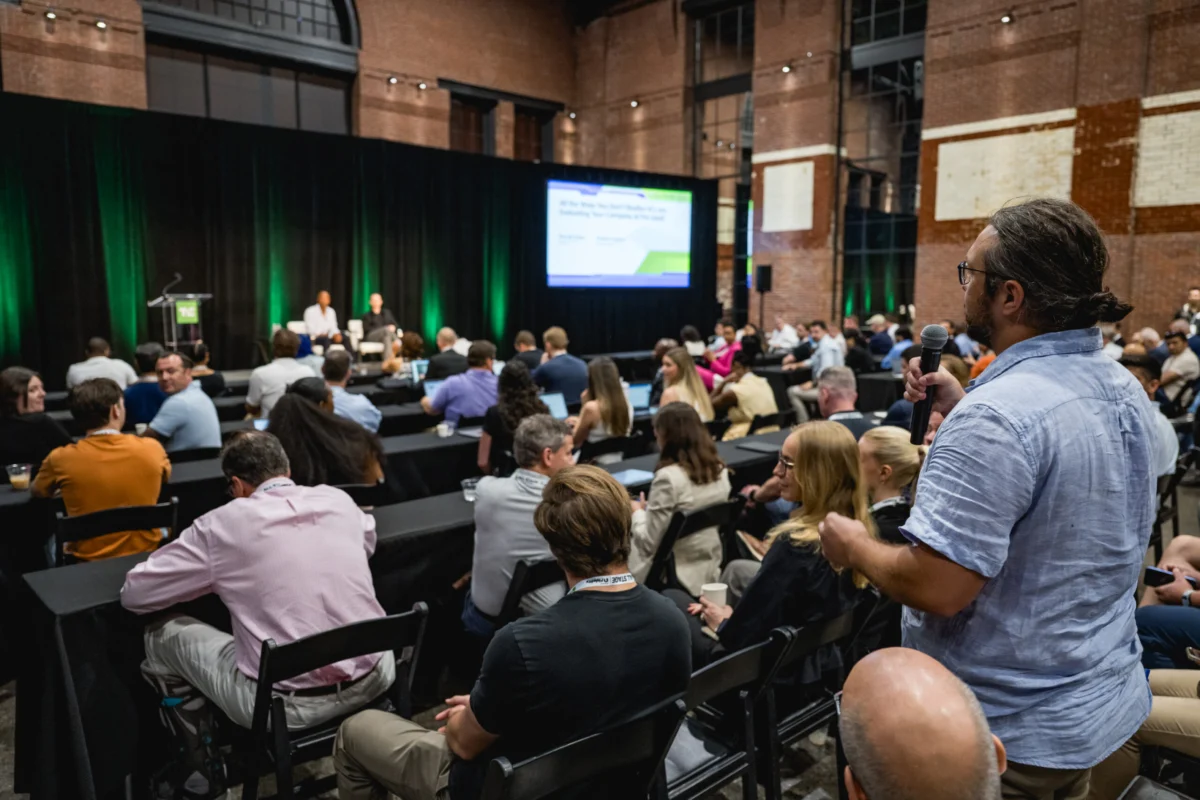
TechCrunch has announced that the Early Bird registration window for the Founder Summit 2026 is set to close tonight, June 26, 2026, at 11:59 p.m. PT. This deadline represents the final opportunity for entrepreneurs, venture capitalists, and startup operators to secure attendance at a significantly reduced rate, with potential savings of up to $190 per individual pass. As the tech industry continues to navigate a complex macroeconomic environment, the summit aims to provide a centralized hub for tactical growth strategies and high-level networking. Scheduled to take place on November 4 in Boston, the event is expected to draw over 1,000 participants, emphasizing a "founder-first" curriculum designed to address the specific hurdles of scaling a business in the current fiscal year.
The Founder Summit serves as a specialized offshoot of the broader TechCrunch event ecosystem, focusing less on general industry news and more on the granular, practical realities of building a company from the ground up. By offering tiered pricing and group discounts—including a 30% reduction for teams of four or more—the organizers are positioning the event as an accessible resource for early-stage teams. Following the expiration of the Early Bird period, ticket prices are slated to move to the standard general admission tier, reflecting the increasing demand for face-to-face engagement within the innovation sector.
Historical Context and the Strategic Choice of Boston
The decision to host the 2026 Founder Summit in Boston is a strategic move that aligns with the city’s long-standing reputation as a global epicenter for education, healthcare, and deep-tech innovation. While Silicon Valley remains the traditional heart of the venture world, the Northeast corridor—led by Boston’s robust ecosystem of research institutions like MIT and Harvard—has seen a resurgence in startup activity, particularly in the fields of biotechnology, robotics, and enterprise software.
Historically, TechCrunch events have served as bellwethers for the industry. The Founder Summit, in particular, was developed to bridge the gap between theoretical business models and the actual execution of growth milestones. Past iterations of the summit have highlighted the necessity of community-driven learning, moving away from the "lone wolf" founder archetype toward a more collaborative, network-based approach to scaling. Industry data suggests that founders who engage in peer-to-peer mentorship and structured networking are 20% more likely to successfully navigate the "valley of death" during their first three years of operation.

Event Chronology and Key Milestones
The roadmap to the November 4 summit is marked by several critical milestones. Following tonight’s Early Bird deadline, the event enters its mid-cycle planning phase, which includes the finalization of the speaker roster and the opening of the "Call for Content" voting process.
- June 26, 2026: Final day for Early Bird pricing. This marks the end of the initial marketing phase and the transition to full-price registration.
- July – August 2026: The TechCrunch editorial team and community will review submissions for roundtable and breakout sessions. This democratic selection process allows the audience to vote on the topics they find most pressing.
- September 2026: Announcement of the full 2026 agenda, including keynote speakers and specific tactical workshops.
- October 2026: Final logistics and networking platform launch, allowing attendees to begin scheduling one-on-one meetings.
- November 4, 2026: The summit commences in Boston, featuring a full day of curated programming.
This timeline is designed to build momentum while ensuring that the content remains relevant to the shifting needs of the startup community. By allowing the audience to influence the agenda, the summit ensures that the discussions remain grounded in real-world challenges rather than high-level platitudes.
Data-Driven Insights: Why Tactical Learning Matters in 2026
The emphasis on "tactical learning" at the Founder Summit is a response to the evolving venture capital landscape. In 2026, the criteria for funding have become more rigorous than in previous decades. Investors are increasingly prioritizing "capital efficiency" and "path to profitability" over "growth at all costs." According to recent market analysis, startups that demonstrate a clear grasp of their Go-To-Market (GTM) strategy and unit economics are receiving 35% more interest from Series A and B investors compared to those without a refined tactical plan.
The summit’s curriculum is built around six core pillars that reflect these market realities:
- Raising Capital: Navigating the nuances of seed rounds through to late-stage growth.
- GTM Strategy: Refining sales funnels and customer acquisition costs in a competitive digital landscape.
- Hiring and Scaling: Managing the transition from a small core team to a structured organization while maintaining culture.
- Product-Market Fit: Utilizing data analytics to ensure product iterations align with user demand.
- Operational Excellence: Implementing the tools and processes necessary to sustain long-term growth.
- Exit Strategies: Preparing for M&A activity or public offerings in a fluctuating market.
By focusing on these areas, the summit provides founders with a toolkit that is immediately applicable to their daily operations. The inclusion of roundtable discussions—where participants can engage in candid, off-the-record conversations—further enhances the value of the information shared.

Participation of Tier-1 Venture Firms and Industry Leaders
A significant draw for the Founder Summit is the presence of high-profile investors and veteran operators. While the 2026 lineup is still being finalized, past events have featured representatives from some of the most influential firms in the world, including Sequoia Capital, Greylock, and Precursor Ventures. The involvement of these firms provides founders with a rare opportunity to understand the investor’s perspective on market trends and risk assessment.
In addition to traditional venture firms, the summit often hosts "operator-founders"—individuals who have successfully scaled and exited companies. Their insights are particularly valued for their focus on the "how-to" of startup management. For instance, representatives from firms like Glasswing Ventures and Wing Venture Capital often provide specialized knowledge in emerging sectors such as AI and cybersecurity. The presence of these stakeholders facilitates a "closed-loop" ecosystem where information flows from seasoned veterans to the next generation of entrepreneurs.
Implications for the Startup Ecosystem
The TechCrunch Founder Summit is more than just a networking event; it is a reflection of the broader health and direction of the global startup ecosystem. The gathering of 1,000 influential figures in Boston suggests a continued belief in the power of physical hubs for innovation. Despite the rise of remote work and digital collaboration, the nuances of deal-making and relationship-building often require the high-bandwidth communication that only in-person interaction can provide.
Furthermore, the summit’s focus on diverse topics—from hiring to capital raising—highlights the multidisciplinary nature of modern entrepreneurship. A founder in 2026 must be part-technologist, part-psychologist, and part-economist. Events that provide a holistic view of these responsibilities are essential for the maturation of the industry.
Economically, the summit also provides a boost to the local Boston economy. Large-scale tech gatherings drive revenue for the hospitality and service sectors while reinforcing the host city’s brand as a destination for talent and capital. For Boston, hosting the Founder Summit is an opportunity to showcase its infrastructure and its ability to support high-growth enterprises.

Official Responses and Call for Content
While official statements from TechCrunch emphasize the educational and networking value of the summit, the "Call for Content" serves as an informal barometer of the community’s interests. By allowing potential speakers to submit topics for public vote, TechCrunch effectively crowdsources the most relevant pain points in the industry.
"Founders rarely scale alone," the organizers noted in their announcement, emphasizing that the fastest path to growth is paved with connections to peers and mentors. This sentiment is echoed by many in the venture community who argue that the "social capital" gained at such events is often as valuable as the financial capital raised.
The invitation for companies to exhibit at the summit also provides a platform for service providers—such as cloud infrastructure companies, legal firms, and recruitment agencies—to connect directly with their target audience. This creates a marketplace of ideas and services that supports the entire lifecycle of a startup.
Final Preparations and Urgency
As the 11:59 p.m. PT deadline approaches, the tech community is encouraged to finalize their registration plans. The $190 price hike that follows the Early Bird period is a significant factor for bootstrapped startups and lean teams. With the 2026 agenda promising a deep dive into the mechanics of growth, the summit stands as a pivotal event for anyone looking to navigate the complexities of the modern tech landscape.
The Founder Summit 2026 represents a critical juncture for the industry—a time to move past the hype cycles of previous years and focus on the durable, tactical foundations of business building. For those attending, the sessions in Boston this November may well define the trajectory of their companies for years to come. Registration remains open via the official TechCrunch portal until the midnight cutoff.