admin
admin
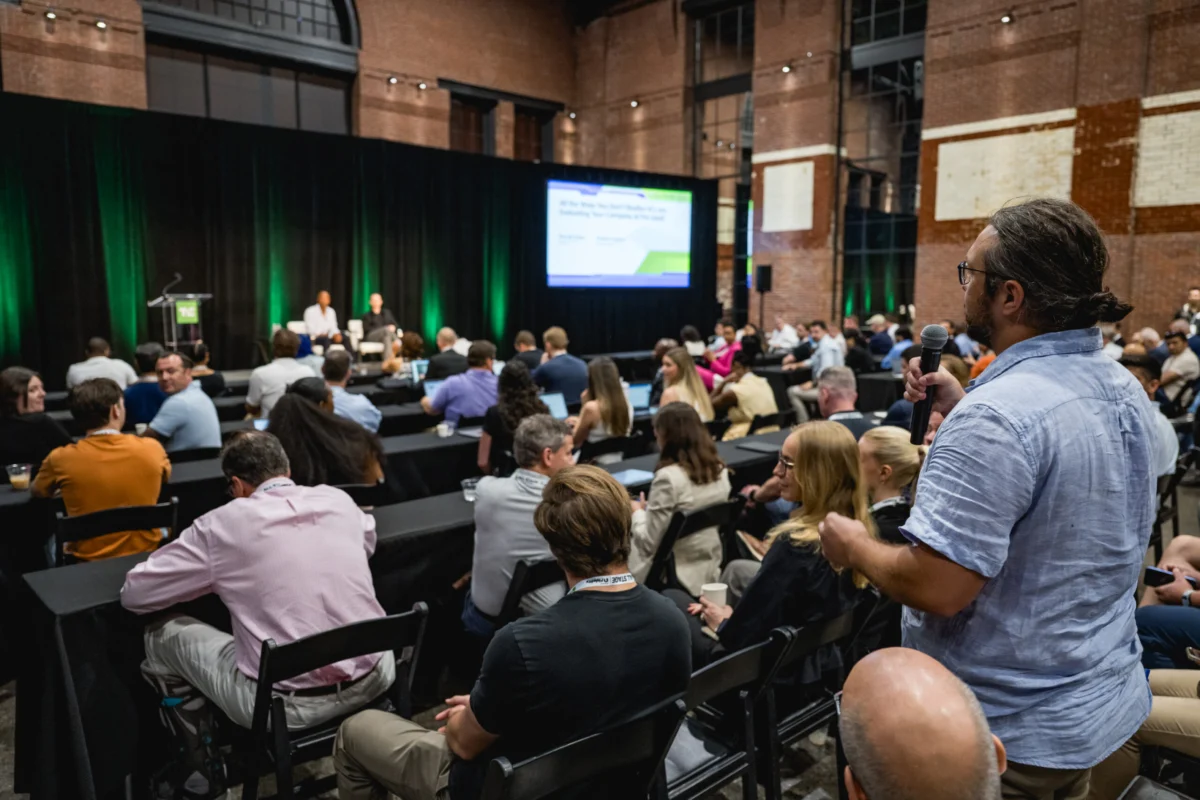
The tech ecosystem is preparing for a significant gathering as TechCrunch Disrupt 2026 returns to the Moscone Center in San Francisco from October 13 to 15, 2026. Central to this year’s programming is the return of the Builders Stage, a specialized track designed to provide founders, startup operators, and investors with a rigorous, practical framework for navigating the complexities of modern company building. While the main stage often focuses on high-level visionary discourse, the Builders Stage is positioned as a tactical laboratory where the industry’s most successful leaders dissect the operational decisions that lead to sustainable growth and successful exits.
As the venture capital landscape continues to recalibrate following the volatility of the mid-2020s, the 2026 agenda reflects a shift toward efficiency, defensibility, and the integration of artificial intelligence into the core fabric of business operations. With an expected attendance exceeding 10,000 technology leaders, Disrupt 2026 arrives at a pivotal moment for the San Francisco tech hub, which has seen a resurgence driven by the generative AI boom and a renewed focus on "hard tech" and enterprise SaaS.
The Strategic Importance of the Builders Stage
The Builders Stage is one of six industry-focused stages at Disrupt 2026, serving as a bridge between early-stage innovation and late-stage scaling. The 2026 programming is specifically curated for founders who have moved past the initial ideation phase and are facing the "valley of death" between seed funding and Series A. According to historical data from the Startup Genome project, nearly 90% of startups fail, with premature scaling cited as a primary cause. The Builders Stage aims to mitigate these risks by offering case studies on hiring, fundraising, and go-to-market (GTM) strategy.
The 2026 speaker lineup features a diverse cross-section of the tech elite. Key participants include Grant Lee, CEO and co-founder of Gamma; Leah Solivan, the founder of TaskRabbit and general partner at Precedent.vc; and Robby Stein, VP of Product at Google. These individuals represent a mix of "boots-on-the-ground" entrepreneurial experience and high-level corporate product management, providing a 360-degree view of the technology lifecycle.
Navigating the Competitive AI Landscape
A dominant theme of the 2026 Builders Stage is the omnipresence of artificial intelligence. However, unlike previous years that focused on the novelty of large language models (LLMs), the 2026 sessions are focused on defensibility and survival. A marquee session titled "What Happens When OpenAI Ships Your Roadmap" addresses a critical fear for modern founders: the "platform risk" associated with building on top of giants like OpenAI, Anthropic, or Google.
Panelists including Michel Tricot of Airbyte and Linda Tong of Webflow will explore how startups can build "moats" through proprietary data, unique user experiences, and vertical-specific integrations that the tech giants are unlikely to commoditize. This conversation is particularly relevant given that by 2026, many AI startups that raised significant seed rounds in 2023 and 2024 will be facing their first major tests of long-term viability.

For those intentionally avoiding the AI hype, the session "How to Win When You’re Not Building AI" provides a counter-narrative. Featuring Shan Shan of Baillie Gifford and Yuri Sagalov of General Catalyst, this discussion focuses on the fundamentals of efficient growth, retention, and revenue quality. It serves as a reminder that while AI is a powerful tool, the core tenets of business—solving a real problem and maintaining unit economics—remain unchanged.
The Evolution of Human Capital and Hiring
The 2026 agenda also tackles the fundamental shift in how teams are constructed. The session "Hiring When AI Is a Co-Founder" features Josh Reeves, CEO of Gusto, and explores the concept of "hybrid teams." In this new paradigm, founders must decide which functions should be owned by humans and which should be delegated to autonomous AI agents.
Data from recent labor market reports suggests that the demand for AI-literate talent has led to a significant increase in compensation costs for startups. The session "Competing for AI Talent: Pay, Equity, and Retention" addresses this head-on. Experts such as Matt Birnbaum of Wylder.co and Atli Thorkelsson of Redpoint Ventures will provide insights into how early-stage companies can attract top-tier engineering talent when competing against the massive balance sheets of Big Tech. The discussion will also delve into the rising trend of secondary sales as a retention tool for employees in an era where IPO timelines are extending.
Fundraising Realities and the "Series A in 2027"
The fundraising environment remains a top priority for Disrupt attendees. The session "The Series A in 2027" offers a forward-looking analysis of what venture capitalists will require from founders in the coming year. Featuring Jahanvi Sardana of Index Ventures and Janelle Teng Wade of Bessemer Venture Partners, the panel will break down the evolving metrics of "fundability."
By 2026, the baseline for traction has moved. The session "The 90-Day GTM: Why $0–$10M ARR Is the New Baseline" highlights a startling acceleration in growth expectations. Panelists Tomasz Tunguz of Theory Ventures and Ryan Meadows of Lovable will discuss how AI-enabled tools have compressed the time it takes to reach significant revenue milestones. This acceleration has created a high-pressure environment where the "90-day playbook" has replaced the traditional 18-month roadmap.
For even earlier-stage founders, "Winning Pre-Seed Without a Product" addresses the art of the pitch when capital is tight. Investors like Puneet Agarwal of True Ventures and Austin Clements of Slauson and Co. will explain why "founder-market fit" and a compelling narrative are often more important than a minimum viable product (MVP) in the pre-seed stage.
Operational Excellence and Mental Health
Beyond the metrics and the technology, the Builders Stage recognizes the psychological toll of entrepreneurship. "Yes, It’s Hard to Be a Founder: An Honest Conversation" features Harvard Medical School’s David H. Rosmarin and Nell Daly of Revenge Capital. This session aims to de-stigmatize the mental health challenges associated with high-growth environments, such as decision fatigue and burnout. In an industry often criticized for "hustle culture," this inclusion reflects a maturing ecosystem that values sustainable leadership.

Scaling also requires a shift in product philosophy. Robby Stein’s session on "Product Decisions at Scale" will provide a rare look into how Google manages updates that affect billions of users. This "fireside chat" is intended to help founders transition from the "move fast and break things" mentality of an MVP to the "innovation with reliability" required of a mature platform.
Strategic M&A and the Path to Exit
With the IPO market remaining selective, mergers and acquisitions (M&A) have become a primary exit strategy for many startups. The session "M&A Is Now an Early-Stage Strategy" features Karl Alomar of M13 and legal expert Lindsey Mignano. They will argue that the smartest founders are building with potential acquisitions in mind from day one, focusing on strategic partnerships and intellectual property that make them attractive targets for larger corporations.
This sentiment is echoed in the "Ask the Investors" segment, where high-profile judges from the Startup Battlefield—including Stacy Brown-Philpot and Carter Reum—will take audience questions. This interactive session is designed to provide direct, unfiltered feedback on what makes a startup a "must-buy" or a "must-fund" in the current market.
Chronology and Event Logistics
The path to TechCrunch Disrupt 2026 began shortly after the conclusion of the 2025 event, with organizers identifying key market shifts—specifically the transition from generative AI hype to practical application.
- Early 2026: Call for Startup Battlefield applications opened, drawing thousands of entries from over 40 countries.
- Summer 2026: The Builders Stage agenda was finalized, reflecting the most pressing concerns of the founder community.
- October 13, 2026: Doors open at the Moscone Center. The first day focuses on foundational building and early-stage fundraising.
- October 14, 2026: The agenda shifts to scaling, GTM strategies, and AI integration.
- October 15, 2026: The final day culminates in the Startup Battlefield finals and sessions on exits and the future of the ecosystem.
Impact and Implications for the Tech Industry
The return of the Builders Stage at TechCrunch Disrupt 2026 signifies more than just a conference schedule; it represents a stabilization of the startup economy. By focusing on "builders," the event prioritizes substance over speculation. The heavy emphasis on AI defensibility and operational efficiency suggests that the "easy money" era of the early 2020s has been replaced by a "survival of the fittest" meritocracy.
Furthermore, the location of the event at the Moscone Center reinforces San Francisco’s status as the epicenter of the global AI movement. Despite several years of discourse regarding the "decentralization" of tech, the concentration of talent and capital at Disrupt 2026 indicates that the physical proximity of founders and investors remains a vital component of the innovation cycle.
As attendees gather in October, the insights shared on the Builders Stage will likely set the tone for the 2027 funding cycle. Founders who can master the "90-day GTM," navigate the risks of AI platform competition, and maintain their mental resilience will be the ones most likely to transition from the Builders Stage to the main stage in the years to come. For the broader tech industry, Disrupt 2026 serves as a bellwether for the health of the innovation pipeline, providing a clear view of the companies and technologies that will define the next decade.